Authentic Pollo a La Brasa Recipe
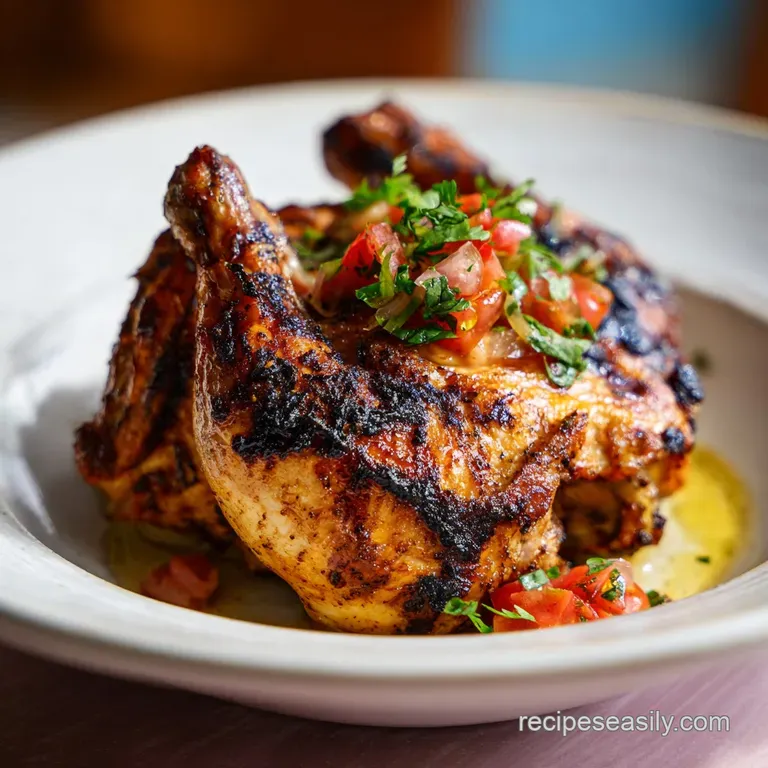
- Time: Active 25 minutes, Passive 1 hours 15 mins, Total 1 hours 40 mins
- Flavor/Texture Hook: Smoky, earthy, and exceptionally crispy
- Perfect for: Sunday family dinner or meal prep
- Create the Perfect Pollo A La Brasa
- The Physics of Deep Marination
- Essential Peruvian Prep Metrics
- Choosing Quality Marinade Elements
- Necessary Gear for Crispy Results
- Detailed Steps for Roasting Excellence
- Solving Common Texture Issues
- Flexible Variations for Different Needs
- Myths Regarding Roasted Chicken
- Smart Storage and Leftover Ideas
- Best Sides for Smoky Chicken
- High in Sodium ⚠️
- Recipe FAQs
- 📝 Recipe Card
Create the Perfect Pollo A La Brasa
The first time the aroma of toasted cumin and searing chicken skin hit me, I wasn't in a kitchen, I was walking down a narrow street in Lima. There was this tiny hole in-the wall spot with a line stretching around the block, and the smell was so thick you could almost chew it. It was smoky, tangy, and deeply savory.
I realized then that my standard grocery store rotisserie chicken was a shadow of what a bird could actually be.
Back in my own kitchen, I spent months trying to replicate that specific "shatter" of the skin and the zing of the green sauce. I failed a lot. I ended up with rubbery skin, bland meat, and a green sauce that tasted like grass.
But through those mistakes, I learned the truth: it isn't about having a massive charcoal rotisserie. It is about the chemistry of the marinade and the physics of how you lay that chicken on the pan.
Today, we are skipping the mediocrity. We are making a Pollo A La Brasa that rivals any Peruvian pollería. We’ll talk about why spatchcocking is your best friend and why you should never, ever skip the vinegar in your marinade.
If you have ever felt like your roasted chicken lacks soul, this is the fix you've been waiting for.
The Physics of Deep Marination
Proteolysis: The red wine vinegar acts as a mild acid that begins to break down tough protein fibers before the heat even touches the bird. This ensures the breast meat stays tender instead of turning into sawdust during the long roast.
Maillard Reaction: Soy sauce provides the necessary sugars and amino acids that react under heat to create that deep, mahogany color. Without this, the skin would look pale and unappetizing rather than rich and dark.
Lipid Solubilization: Mixing the ground cumin and oregano into the neutral oil allows the fat soluble flavor compounds in the spices to distribute evenly across the skin. This creates a uniform flavor profile instead of splotchy patches of seasoning.
Thermal Diffusivity: By spatchcocking the bird, we increase the surface area exposed to the hot air. This allows the heat to penetrate the thickest parts of the thigh and breast at the same rate, preventing the meat from drying out.
Emulsification: The Aji Verde relies on the extra virgin olive oil being slowly whipped into the mayonnaise and sour cream. This creates a velvety, stable sauce that clings to the chicken rather than running off the plate.
| Thickness | Internal Temp | Rest Time | Visual Cue |
|---|---|---|---|
| 1.5 inches (Breast) | 165°F | 10 mins | Juices run clear when pierced |
| 2 inches (Thigh) | 175°F | 10 mins | Meat pulls away from bone |
| 0.5 inches (Wing) | 185°F | 5 mins | Skin is dark and crackling |
To get the most out of this recipe, I highly recommend checking out my Pollo Asado recipe if you love bold, citrus based marinades. This Peruvian version is much earthier, but the techniques for getting that skin right are very similar.
Essential Peruvian Prep Metrics
Understanding the "why" behind your ingredients makes you a better cook. Let's look at the heavy hitters in this marinade.
| Ingredient | Science Role | Pro Secret |
|---|---|---|
| Aji Panca Paste | Flavor Base | Provides deep smoke without high heat. |
| Red Wine Vinegar | Acid Tenderizer | Lowers the pH to soften the muscle fibers. |
| Toasted Cumin | Aromatic Depth | Toasting first releases essential oils for a punchier scent. |
| Low Sodium Soy Sauce | Umami & Pigment | Adds saltiness and aids in the darkening of the skin. |
Roasting a whole bird can feel like a gamble, but it doesn't have to be. If you are serving a larger crowd, similar to when I make my Baked Ratatouille Dinner recipe, you can easily double the batch by using two separate roasting pans to ensure the air still circulates.
Choosing Quality Marinade Elements
Gather these ingredients before you start. Having everything measured out prevents you from touching your spice jars with chicken covered hands.
- 1 whole chicken (approx. 4 lbs / 1.8 kg): Spatchcocked for even cooking. Why this? Increases surface area for maximum crispy skin exposure.
- 3 tbsp Aji Panca paste: A smoky, mild Peruvian pepper paste. Why this? Gives the dish its signature deep red color and smoky undertone.
- 2 tbsp low sodium soy sauce: For salt and color.
- 1 tbsp red wine vinegar: To tenderize the meat.
- 4 cloves garlic, minced: Fresh is non negotiable here.
- 1 tbsp toasted ground cumin: The backbone of the earthy flavor.
- 1 tsp dried oregano: Adds a subtle herbal note.
- 1 tsp kosher salt: Enhances all other flavors.
- 1 tsp freshly cracked black pepper: For a bit of bite.
- 2 tbsp neutral oil (avocado or grapeseed): Helps the marinade stick.
For the Famous Aji Verde (Green Sauce)
- 3 medium jalapeños: Deseeded and chopped.
- 1 cup fresh cilantro: Leaves and stems are both fine.
- 2 cloves garlic: For a sharp kick.
- 1/2 cup mayonnaise: The creamy base.
- 1/4 cup sour cream: Adds a necessary tang.
- 1 tbsp fresh lime juice: Cuts through the fat.
- 1/2 tsp kosher salt: To season.
- 2 tbsp extra virgin olive oil: For a silky finish.
Necessary Gear for Crispy Results
You don't need a professional rotisserie to make a killer Pollo A La Brasa. However, a few specific tools will make your life much easier. I always suggest using a heavy duty rimmed baking sheet or a large cast iron skillet.
A cast iron skillet (like a Lodge 12 inch) is fantastic because it retains heat and helps crisp the bottom of the bird while the top roasts.
You will also need a pair of sharp kitchen shears. These are vital for spatchcocking the chicken. Trying to use a chef's knife to cut out a backbone is dangerous and frustrating. Trust me, invest in shears. Finally, an instant read meat thermometer is the only way to guarantee you don't serve dry chicken.
Chef's Tip: Freeze your Aji Panca paste in tablespoon sized portions in an ice cube tray. It lasts for months, and you can pop out exactly what you need for the next roast!
Detailed Steps for Roasting Excellence
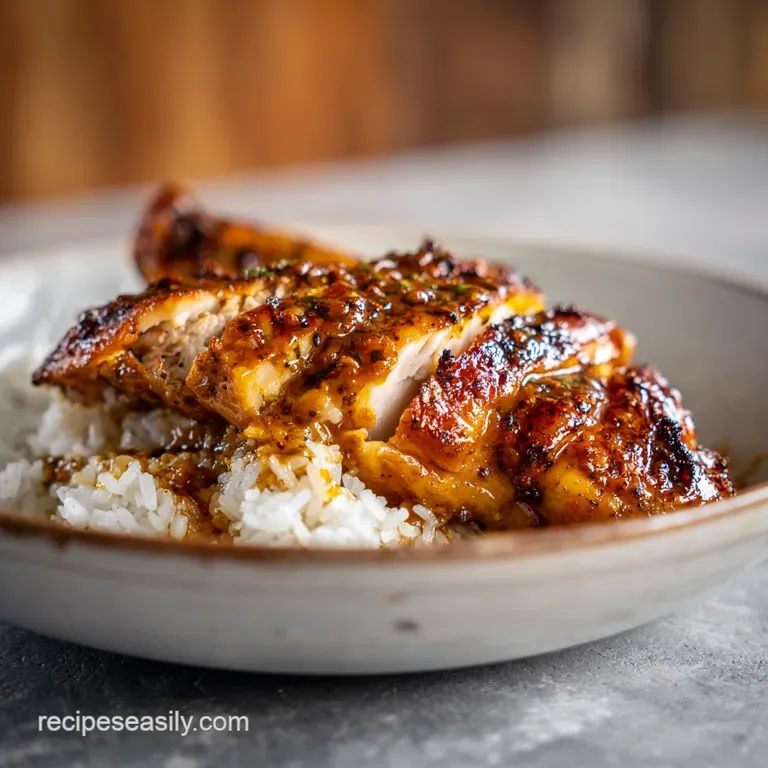
- Remove the backbone from the chicken. Use kitchen shears to cut along both sides of the spine, then press down firmly on the breastbone until it clicks and lies flat. Note: This ensures every inch of skin is exposed to the heat.
- Pat the chicken completely dry. Use paper towels to remove every drop of moisture from the skin. Note: Moisture is the enemy of a sizzle; any water left will steam the skin instead of crisping it.
- Whisk the Aji Panca, soy sauce, vinegar, garlic, cumin, oregano, salt, pepper, and neutral oil. Create a thick, dark paste in a small bowl.
- Rub the marinade under the skin. Carefully loosen the skin over the breasts and thighs, then shove the paste in there. Note: Meat doesn't absorb flavor through the skin very well, so direct contact is key.
- Coat the outside of the skin with the remaining marinade. Make sure it’s a thin, even layer.
- Chill the chicken uncovered for at least 2 hours. Leave it in the fridge to allow the skin to air dry further.
- Preheat your oven to 400°F (200°C). Place the chicken on a wire rack set over a baking sheet.
- Roast for 1 hours 15 mins. Cook until the skin is dark, mahogany, and makes a hollow sound when tapped.
- Prepare the Aji Verde while the chicken roasts. Blend jalapeños, cilantro, garlic, mayo, sour cream, lime juice, and salt, then slowly drizzle in the olive oil until the sauce is velvety and thick.
- Let the chicken rest for 10 minutes. Don't touch it. Note: This allows the juices to redistribute so they don't flood the cutting board.
Solving Common Texture Issues
Fixing Rubbery Chicken Skin
The main culprit for rubbery skin is trapped moisture. If you don't pat the bird dry or if you cook it at too low a temperature, the fat won't render properly. The skin ends up chewy and soft rather than thin and crispy.
Another issue is the marinade itself. If the marinade is too watery, it will steam the bird. That's why we use a paste heavy marinade with minimal liquid. If you find your skin isn't crisping, crank the oven up to 425°F (220°C) for the last 10 minutes of cooking.
| Problem | Root Cause | Solution |
|---|---|---|
| Dry breast meat | Overcooking | Pull the chicken at 160°F; carryover heat will finish it. |
| Bland flavor | Short marination | Let it sit for at least 6 hours, preferably 24. |
| Split sauce | Adding oil too fast | Blend on low speed while adding oil in a very thin stream. |
Common Mistakes Checklist
- ✓ Never skip the "pat dry" step - skin must be bone dry before the marinade goes on.
- ✓ Avoid using a deep roasting pan with high sides - it traps steam around the legs.
- ✓ Don't cover the chicken with foil while roasting - you'll lose the crunch.
- ✓ Always let the chicken rest - slicing too early results in dry, stringy meat.
- ✓ Ensure the cumin is toasted - raw cumin has a "dusty" taste that ruins the profile.
Flexible Variations for Different Needs
If you are looking to scale this down for two people, you can use 2 lbs of chicken thighs instead of a whole bird. Reduce the roasting time to about 35 minutes and check for an internal temp of 175°F (80°C).
For scaling up, remember the 1.5x rule for spices; don't just double everything or the cumin might become overpowering.
| Original Ingredient | Substitute | Why It Works |
|---|---|---|
| Aji Panca Paste | Ancho Chili Powder | Similar smokiness. Note: Lacks the fermented tang of the paste. |
| Red Wine Vinegar | Apple Cider Vinegar | Same acidity levels. Note: Adds a slightly fruitier note to the meat. |
| Sour Cream | Greek Yogurt | Similar texture and tang. Note: Makes the Aji Verde slightly thicker. |
If you find yourself with extra cilantro and lime, they go beautifully in my Creamy Avocado Soup recipe, which makes a fantastic starter for this meal.
Myths Regarding Roasted Chicken
A common misconception is that you must baste the chicken while it cooks to keep it moist. In reality, every time you open the oven to baste, you drop the temperature and introduce moisture to the skin's surface. This prevents the skin from reaching that "shatter" stage.
The fat under the skin will do all the basting you need from the inside out.
Another myth is that "fresh" chicken is always better than previously frozen. While fresh is great, a high-quality frozen chicken that has been thawed slowly in the fridge can actually be more tender because the freezing process slightly breaks down the muscle fibers.
The key is how you treat it once it's in your kitchen, not how it arrived at the store.
Smart Storage and Leftover Ideas
Keep your leftover Pollo A La Brasa in an airtight container in the fridge for up to 4 days. When reheating, avoid the microwave if you want to keep the skin remotely crispy. Instead, pop it into a 350°F (180°C) oven or an air fryer for 5-8 minutes.
The meat is also incredible cold in a salad or shredded into tacos.
Don't throw away that carcass! The bones are packed with the smoky flavor of the Aji Panca and cumin. Throw them into a pot with some veggie scraps and water to make the most intense, flavorful chicken stock you've ever tasted. You can use that stock for a Peruvian style chicken and rice soup the next day. You can even use the leftover Aji Verde as a spread for an Avocado Toast with recipe for a very non traditional but delicious breakfast.
Best Sides for Smoky Chicken
Traditionally, this dish is served with thick cut french fries and a simple salad. The fries are perfect for soaking up the juices and the extra Aji Verde. If you want something a bit lighter, a citrusy slaw or some roasted sweet potatoes work wonders.
The sweetness of the potatoes balances the earthy, smoky notes of the Aji Panca beautifully.
If you're feeling adventurous, try serving it with a side of spicy beans, much like the ones in my Tasty Arabic Baked recipe. The spices in the beans complement the cumin in the chicken without competing for attention. Whatever you choose, make sure you have plenty of that green sauce on the table; it's the component that brings the whole experience together.
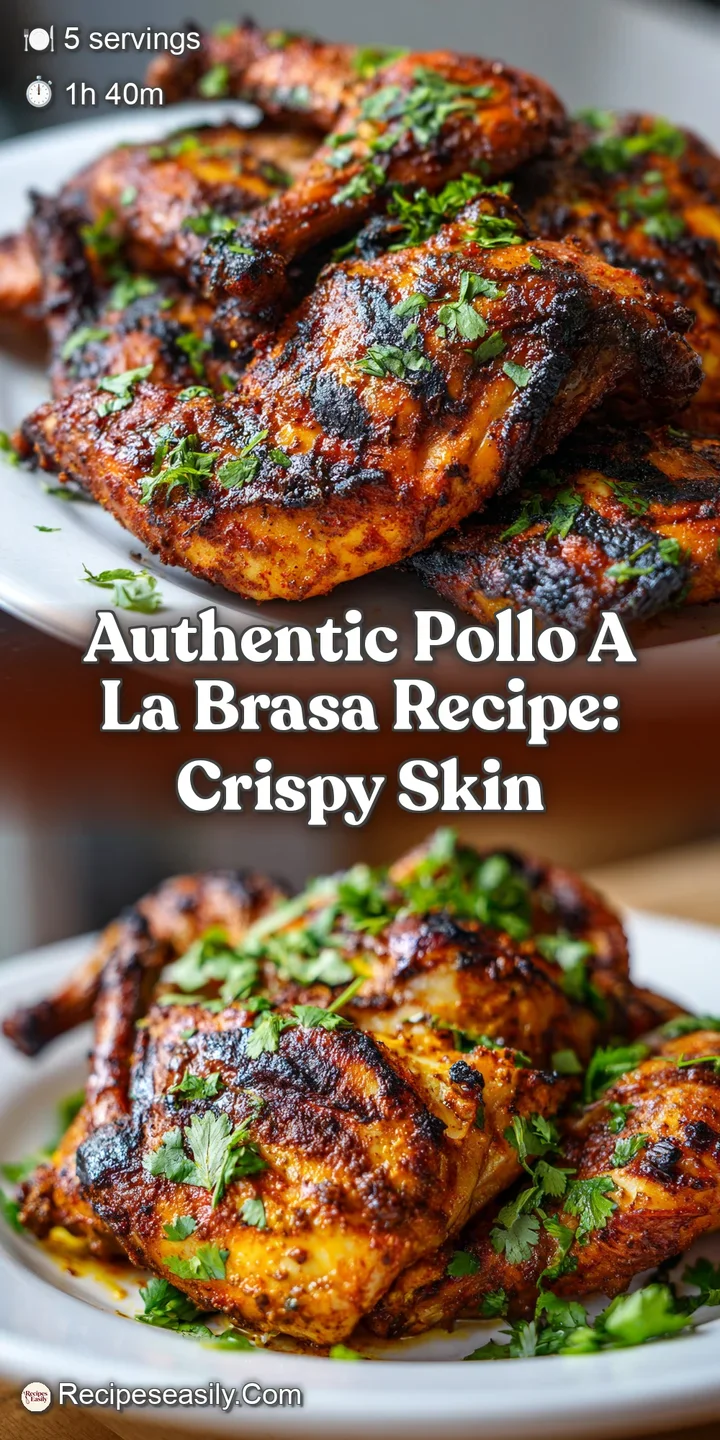
High in Sodium ⚠️
1120 mg 1120 mg of sodium per serving (49% 49% of daily value)
The American Heart Association recommends limiting sodium intake to about 2,300mg per day for better heart health.
Tips to Reduce Sodium in this Spatchcock Chicken Recipe
-
Reduce Added Salt-25%
Cut the kosher salt in the chicken marinade and the sauce by half. This will significantly reduce the overall sodium content while still maintaining flavor. Consider eliminating the salt in the sauce altogether and taste testing before adding it back in very small amounts.
-
Low-Sodium Soy Sauce-20%
Ensure you're using a low-sodium soy sauce, which can reduce sodium by up to 50% compared to regular soy sauce. Check the nutrition label to ensure the product used is truly lower in sodium.
-
Herbs Over Salt
Enhance the flavor with more fresh cilantro, toasted cumin, dried oregano, black pepper, and garlic. These boost the flavor profile without adding any sodium. Increase other spices and herbs to compensate and boost flavor.
-
Acid Boost-5%
Increase the amount of red wine vinegar and fresh lime juice in the marinade and sauce. Acidity enhances flavors and reduces the need for salt. Experiment with adding a bit more citrus.
-
Jalapeño Control-5%
While jalapeños themselves don't contain much sodium, consider reducing the amount used slightly if you are particularly sensitive to sodium. Taste test after adding a smaller amount to see if the flavor is still adequate for your preferences.
-
DIY Sour Cream-10%
Consider making your own sour cream using cultured buttermilk or yogurt to control sodium levels, as some store-bought sour creams contain added salt. This substitution may also lower fat content, depending on the recipe.
Recipe FAQs
What cut of chicken is best for Pollo a la Brasa?
A whole chicken, spatchcocked, is the definitive best choice. This technique ensures even cooking, exposing maximum skin surface area for crisping while keeping both breast and thigh meat tender.
Is Pollo a la Brasa healthy?
It can be moderate, depending on preparation. The primary issues are the skin fat and the amount of oil used in the Aji Verde sauce; lean meat is high in protein, but rendering the fat is essential for flavor.
Why is Pollo a la Brasa so good?
It’s the balance between the earthy, acidic marinade and the texture. The red wine vinegar tenderizes, the soy sauce caramelizes the skin, and the cumin provides a unique smoky aroma that mimics charcoal roasting.
Is Pollo a la Brasa the same as standard rotisserie chicken?
No, they are distinctly different in flavor profile and technique. Rotisserie chicken is usually seasoned simply with salt and pepper, whereas Pollo a la Brasa relies on a complex marinade featuring Aji Panca, cumin, and vinegar.
How long should the chicken marinate for the best flavor?
Marinate for a minimum of 2 hours, but 24 hours yields superior results. The acids in the vinegar begin tenderizing the meat, and allowing more time ensures the earthy spices penetrate beyond the skin layer.
What internal temperature guarantees juicy chicken?
Pull the bird when the thickest part of the breast reads 160°F (71°C). The residual heat, or carryover cooking, will bring the breast up to a safe 165°F while resting, preventing the meat from drying out.
How to achieve the shatteringly crispy skin?
Pat the skin completely dry, rub the marinade directly onto the flesh under the skin, and cook uncovered at 400°F (200°C). Never baste the chicken while it roasts, as this introduces moisture that steams the skin.
Best Pollo A La Brasa Recipe
Ingredients:
Instructions:
Nutrition Facts:
| Calories | 685 kcal |
|---|---|
| Protein | 54 g |
| Fat | 49 g |
| Carbs | 6.5 g |
| Fiber | 1.2 g |
| Sugar | 1.8 g |
| Sodium | 1120 mg |
