Brown Butter Caramel Sauce: Rich and Nutty
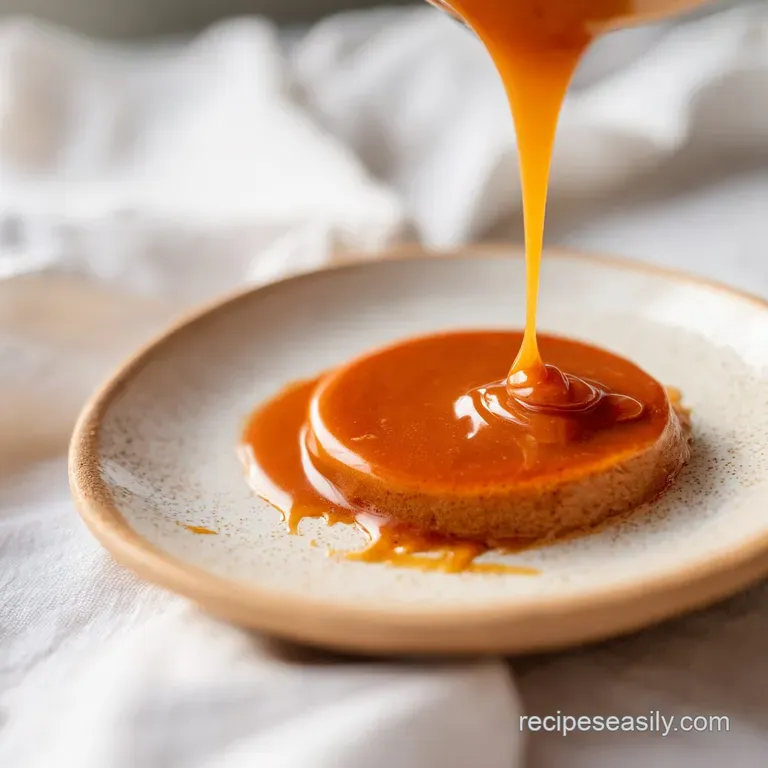
- Time: Active 15 minutes, Passive 5 minutes, Total 20 minutes
- Flavor/Texture Hook: Deeply nutty, salty, and incredibly smooth
- Perfect for: Drizzling over vanilla bean ice cream or gifting in jars
- Creating the Most Decadent Brown Butter Caramel Sauce
- Achieving the Perfect Deep Amber Nutty Texture
- Essential Details for Your Best Batch Ever
- Analyzing the Components of This Rich Sauce
- The Best Tools for Smooth Caramel Results
- The Full Guide to Making This Recipe
- Resolving Common Issues for a Silky Finish
- Creative Ways to Customize Your Flavor Profile
- Keeping Your Caramel Fresh and Using Leftovers
- Delicious Ideas for Pairing This Sweet Drizzle
- Frequently Asked Questions
- Recipe FAQs
- 📝 Recipe Card
Creating the Most Decadent Brown Butter Caramel Sauce
The first time I really understood the magic of browning butter, I was trying to fix a batch of cookies that felt a bit too "flat" in flavor. As the butter melted in my small stainless steel pan, the kitchen suddenly filled with this incredible aroma it smelled like toasted hazelnuts and shortbread.
That was the "lightbulb" moment for me. I realized that if this toasted fat could transform a cookie, it could certainly take a standard caramel to a completely different level. There is something about the way the milk solids brown and speckle the sauce that makes it feel much more sophisticated than the stuff you buy at the grocery store.
We have all been there, staring at a pot of bubbling sugar, wondering if it is about to burn or if it is just right. Making this Brown Butter Caramel Sauce is all about patience and using your senses. You will hear the butter crackle, see the sugar turn a deep amber, and smell that distinct toasted scent.
It is a quick win for any home cook because it only takes 20 minutes from start to finish, yet the payoff is a sauce that looks and tastes like it came from a high end patisserie.
Honestly, once you try the browned butter salted caramel sauce version, the regular stuff just feels like it's missing a middle note.
Achieving the Perfect Deep Amber Nutty Texture
Most people think caramel is just melted sugar, but the texture comes from how we manage the fat and the moisture. In this recipe, we are essentially performing two different tasks and then marrying them together. First, we toast the butter to create those tiny brown bits that provide the "umami" of the dessert world.
Then, we caramelize the sugar. The trick is keeping the sugar from crystallizing into a grainy mess, which is why we use a tiny bit of corn syrup as insurance.
- The Butter Toasting
- Cooking butter removes water and toasts the milk solids, creating a nutty flavor profile.
- Sugar Stabilization
- Adding water and corn syrup helps the sugar melt evenly and prevents the molecules from regathering into crystals.
- Emulsion Strategy
- Warm cream prevents the hot sugar from seizing into a hard rock when they meet.
When you are working with high heat and fats, the stovetop method is really the gold standard for this brown butter salted caramel. It gives you total control over the color and scent, which are your primary indicators of doneness.
While some people try to shortcut the sugar melt in the microwave, you lose that specific amber depth that only a heavy bottomed pan can provide.
Essential Details for Your Best Batch Ever
Before you even turn on the stove, you need to have your "mis en place" ready. This is not a recipe where you can go hunting for the vanilla extract while the sugar is boiling. Caramel moves fast. One minute it is golden, the next it is burnt.
By having your cream warmed and your browned butter sitting in a bowl nearby, you ensure a smooth transition between the stages.
The chemistry of the sugar is quite fascinating once you get into it. As the sucrose breaks down, it creates hundreds of new flavor compounds. This is why a light caramel tastes like honey, but a dark caramel tastes complex and slightly bitter. Pairing this with the toasted milk solids from the butter creates a flavor profile similar to the depth found in a Tasty Creamy Butter Beans Recipe, where the fat carries the flavor across the palate.
Analyzing the Components of This Rich Sauce
- - 8 tbsp unsalted butter
- Why this? Allows you to control the salt level perfectly while browning the milk solids.
- - 1 cup granulated white sugar
- Why this? The pure sucrose provides the most consistent caramelization and clean sweetness.
- - 1 cup heavy cream
- Why this? High fat content ensures a velvety mouthfeel and prevents the sauce from breaking.
- - 1 tbsp light corn syrup
- Why this? Acts as an "interfering agent" to keep the sauce perfectly smooth and glass like.
- - 2 tbsp water
- Why this? Helps the sugar dissolve evenly before the temperature starts to climb significantly.
- - 0.5 tsp flaky sea salt
- Why this? Provides a "crunch" of saltiness that cuts through the intense sugar high.
- - 1 tsp pure vanilla extract
- Why this? Rounds out the flavors and adds a classic floral aroma to the finish.
Using a substitute like coconut milk is great if you need a dairy-free option, though the flavor will shift away from the classic "butter" profile. If you choose to use salted butter, just be careful.
Different brands have different salt concentrations, and you don't want the sauce to become overbearingly salty before you've even added the vanilla.
The Best Tools for Smooth Caramel Results
You don't need a lab full of equipment, but a few specific items make the butter salted caramel sauce process much safer and more successful. A heavy bottomed stainless steel saucepan is your best friend here. Why stainless? Because you need to see the color of the butter and the sugar.
In a dark cast iron or non stick pan, it is almost impossible to tell when the butter has turned that perfect "penny" brown color.
You will also want a heat resistant whisk and a silicone spatula. The spatula is great for wiping down the sides of the pan early on, and the whisk is essential for emulsifying the cream into the sugar.
I usually recommend having a glass jar ready for the finished product something like a Mason jar since plastic containers can warp or melt if the caramel is still too hot when transferred.
The Full Guide to Making This Recipe
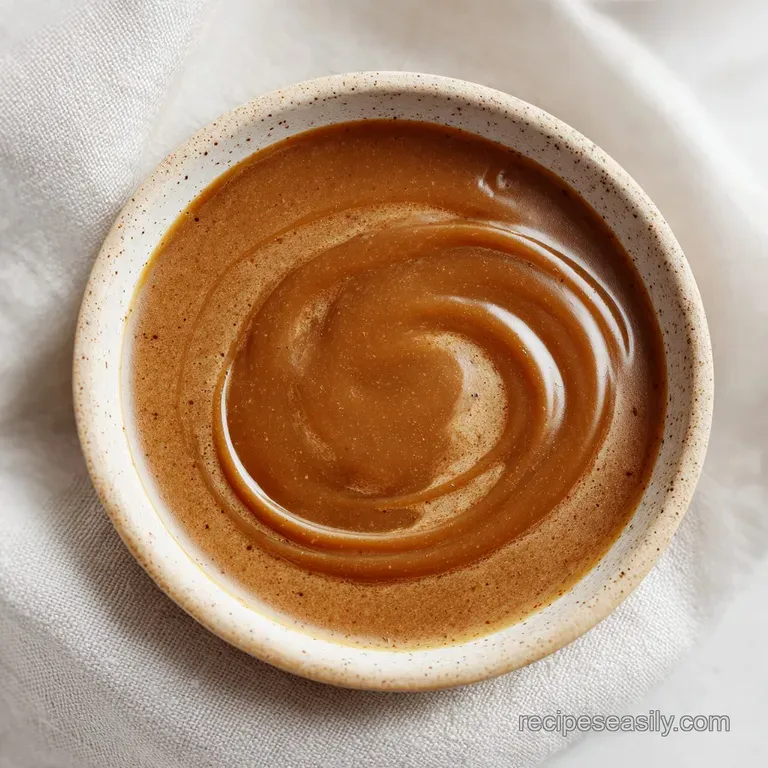
- Brown the butter. Place the 8 tbsp unsalted butter in your saucepan over medium heat. Watch it melt, foam, and start to "speak" to you with crackling sounds. Cook until the foam subsides and you see golden brown specks at the bottom.
- Stop the cook. Immediately pour the browned butter into a small heat proof bowl. Note: This prevents the residual heat of the pan from burning those delicate toasted milk solids.
- Warm the cream. Heat the 1 cup heavy cream in the microwave for about 45 seconds or on the stove until steaming but not bubbling.
- Prep the sugar base. Wipe out your saucepan. Add 1 cup sugar, 1 tbsp light corn syrup, and 2 tbsp water. Stir just until the sugar looks like wet sand.
- Caramelize the sugar. Turn the heat to medium high. Do not stir. You can swirl the pan gently, but stirring can cause crystals to form on the sides.
- Watch the color. Cook the sugar mixture for about 8 to 10 minutes until it reaches a deep amber color (around 350°F). It should smell rich and slightly toasted.
- Add the butter. Remove the pan from the heat. Carefully whisk in the reserved browned butter. Expect a vigorous sizzle and bubbling as the fats combine.
- Incorporate the cream. Slowly pour in the warm heavy cream while whisking constantly. The sauce will rise up in the pan, so stay back from the steam.
- Emulsify. Keep whisking until the sauce is completely smooth and uniform. If it looks separated, just keep whisking; it will come together.
- Final season. Stir in the 0.5 tsp flaky sea salt and 1 tsp vanilla extract. Let it sit in the pan for 5 minutes before moving to a jar.
Resolving Common Issues for a Silky Finish
Even experienced cooks run into trouble with caramel. The most common heartbreak is crystallization. This happens when a single grain of undissolved sugar falls back into the boiling syrup, causing a chain reaction that turns your smooth sauce into a grainy mess.
This is why we use water and corn syrup they act as a buffer.
Avoiding the Dreaded Grainy Sauce
If you see sugar crystals forming on the sides of the pan while the syrup is boiling, you can use a pastry brush dipped in warm water to gently wash them down. The water will dissolve the crystals before they can ruin the whole batch.
If the sauce is already grainy after it has cooled, you can sometimes save it by gently reheating it with a tablespoon of water, but it's never quite as silky as the first time.
Fixing a Separated or Oily Caramel
Sometimes the fat from the butter doesn't want to play nice with the sugar, and you end up with a layer of oil on top. This usually happens if the cream was too cold or if the sauce was shocked by a sudden temperature change.
- ✓ Always use a clean pan to start; even a tiny bit of leftover residue can cause crystallization.
- ✓ Never leave the stove; caramel can go from "amber" to "burnt" in less than 30 seconds.
- ✓ Ensure your cream is warm; cold cream is the primary cause of seizing and splashing.
- ✓ Use a light colored pot; you cannot track the Maillard reaction in a black pan.
- ✓ Let the sauce cool naturally at room temperature before putting it in the fridge to maintain the emulsion.
Creative Ways to Customize Your Flavor Profile
Once you have the base salted caramel sauce down, you can start playing with the flavors. A common trick I use is adding a splash of bourbon or dark rum at the very end. The alcohol cuts through the sweetness and adds a woodsy, aged depth that pairs incredibly well with the toasted butter notes. It's a similar flavor logic to using a Lemon Butter Garlic Sauce where the acidity or alcohol balances out a heavy fat base.
Salted Caramel Syrup for Coffee
If you want to use this in your morning latte, you might find it a bit too thick. To turn this into a homemade caramel sauce recipe for coffee, simply increase the heavy cream by 1/4 cup. This will keep the sauce in a more liquid state even when it is refrigerated, making it much easier to stir into hot or iced drinks.
Brown Sugar Caramel Sauce Style
For an even deeper, almost molasses like flavor, you can swap half of the white sugar for dark brown sugar. This technically moves the recipe toward a "butterscotch" profile, but when combined with the browned butter, it creates a flavor that is incredibly intense and perfect for autumn desserts like apple pie or pumpkin cake.
Keeping Your Caramel Fresh and Using Leftovers
Caramel is remarkably shelf stable because of the high sugar content, but the dairy means it does need to live in the fridge. I usually find that it stays perfect for about 2 weeks. Over time, it will naturally firm up.
When you want to use it, just pop the jar in the microwave for 15 seconds or set it in a bowl of warm water to bring back that pourable consistency.
- Fridge Storage: Store in a glass jar for 14 days. The butter salted caramel sauce will become the consistency of soft peanut butter when cold.
- Freezer Option: You can actually freeze this! Put it in a freezer safe bag or container for up to 3 months. Thaw it overnight in the fridge.
- Zero Waste Tip: If you have just a little bit left at the bottom of the jar that you can't scrape out, pour some hot coffee or warm milk directly into the jar, shake it up, and enjoy a caramel infused drink. No sauce left behind!
Delicious Ideas for Pairing This Sweet Drizzle
While eating it with a spoon is perfectly acceptable (and encouraged), this brown butter caramel sauce is a versatile tool in your kitchen. My favorite way to serve it is over a simple pound cake with a handful of toasted pecans. The pecans echo the nutty notes in the browned butter, creating a cohesive flavor bridge.
If you're feeling adventurous, try using it as a dip for tart Granny Smith apples. The high acidity of the apple "shatters" through the richness of the caramel, making for a snack that feels balanced rather than cloying.
You can also use it as a filling for cupcakes just use a small knife to remove the center of a baked cupcake, pipe in the cooled caramel, and frost as usual. It's a little hidden surprise that always gets a "wow" from guests.
The Ultimate Breakfast Drizzle
Don't limit this to the evening. A drizzle over thick cut brioche French toast or a stack of sourdough pancakes is a game changer. Since it has that savory edge from the toasted butter, it doesn't feel quite as "sugary" as maple syrup, allowing the flavor of the bread or batter to shine through.
Trust me, once you've had brown butter salted caramel on your breakfast, the bottled syrup in the pantry will start looking very lonely.
Frequently Asked Questions
Why did my caramel turn into a hard rock? This usually happens because the sugar was cooked for too long or at too high a temperature before the cream was added. Once sugar passes the "hard crack" stage, it will set very firmly.
To fix it next time, use a thermometer and aim for exactly 350°F.
Can I make this without corn syrup? Yes, but you have to be much more careful about stirring. The corn syrup is an "interfering agent" that prevents sugar crystals from bonding.
If you skip it, make sure you don't stir the pot at all once the sugar starts to boil, and keep those pan sides clean with a wet pastry brush.
Is it normal for the butter to foam so much? Absolutely. That foam is the water evaporating out of the butter. Once the water is gone, the temperature of the fat can rise high enough to toast the milk solids. Just keep whisking or swirling so the solids don't burn to the bottom of the pan.
My sauce is too thin, how can I thicken it? Caramel thickens significantly as it cools. If it looks like soup while it's hot, don't worry! Give it an hour at room temperature.
If it's still too thin after cooling, you can simmer it on low heat for 5 minutes to evaporate more moisture, but be careful not to burn it.
Can I use milk instead of heavy cream? I wouldn't recommend it. Milk has a much higher water content and less fat, which can cause the caramel to curdle or become grainy. For that iconic velvety texture, heavy cream (at least 36% milkfat) is the way to go.
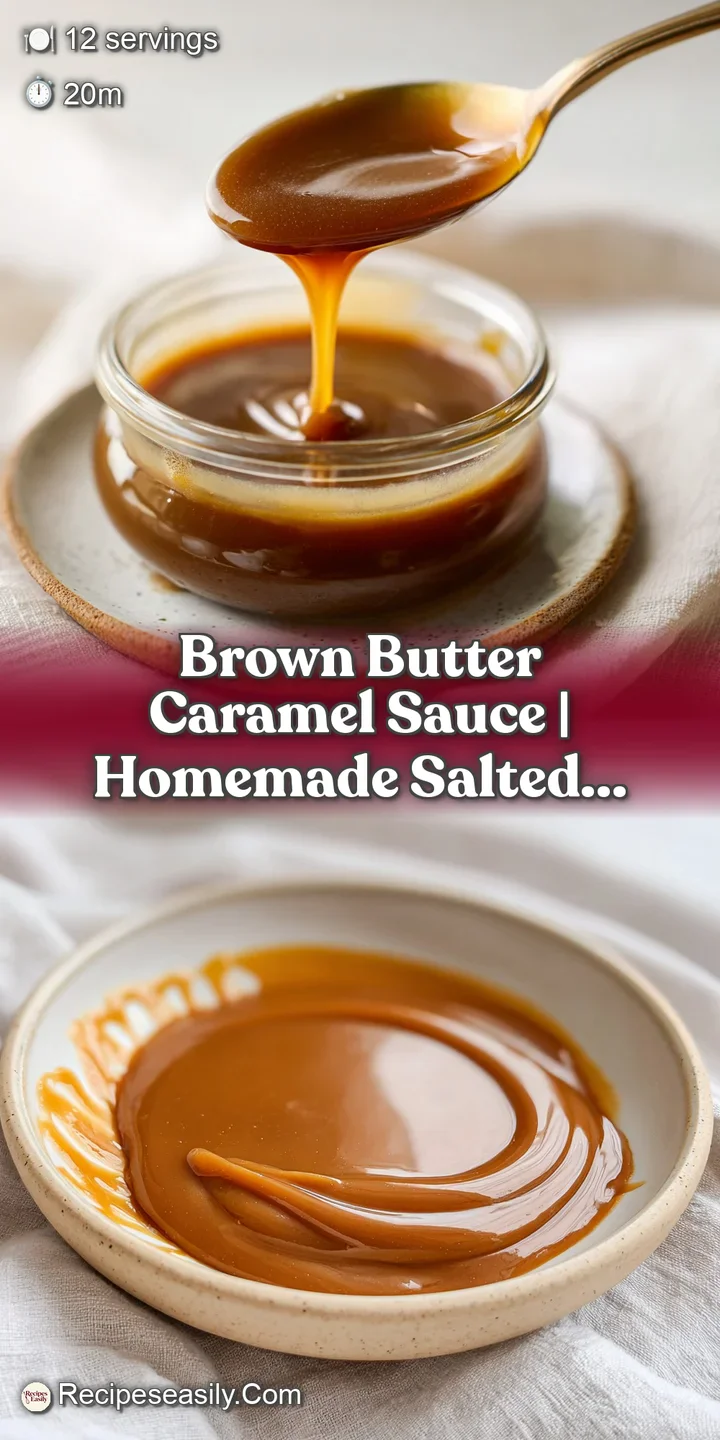
Recipe FAQs
Can you make caramel sauce with salted butter?
Yes, but you must reduce the added flaky sea salt. Since the butter already contains salt, start with a pinch and adjust to taste to avoid an overly saline profile.
Can I use salted butter for brown butter sauce?
Yes, though unsalted is preferred for better control. If you only have salted, simply omit the final addition of flaky sea salt to keep the flavor balanced.
What are common caramel sauce mistakes?
Stirring the sugar while it boils is the most frequent error. Avoid agitation once the mixture reaches a boil to prevent sugar crystallization, which leads to a grainy texture rather than a silky finish.
Is it true you must use a heavy bottomed pot?
Yes, this is essential for success. A heavy bottomed pan distributes heat evenly, preventing hot spots that could scorch the sugar or butter before they reach the desired depth of flavor.
How to prevent the caramel from seizing when adding cream?
Warm the heavy cream until steaming before combining it with the sugar. Adding cold cream to hot sugar creates a thermal shock that causes the sauce to clump; if you enjoyed mastering this temperature control, you can apply the same logic to our silky sweet corn pudding for a perfect custard texture.
How to tell when the butter is perfectly browned?
Watch for the foam to subside and amber colored specks to form at the bottom. Rely on your senses the aroma should transition from plain melted butter to a distinct, nutty, toasted scent.
How to store leftover sauce?
Transfer the sauce to a clean glass jar once slightly cooled. Store it in the refrigerator for up to two weeks, and simply warm it gently in the microwave or a water bath before serving if it has thickened.
Brown Butter Caramel Sauce
Ingredients:
Instructions:
Nutrition Facts:
| Calories | 207 kcal |
|---|---|
| Protein | 0.4 g |
| Fat | 14.8 g |
| Carbs | 18.5 g |
| Fiber | 0 g |
| Sugar | 18.2 g |
| Sodium | 102 mg |
