Easy Pie Crust: Buttery and Flaky
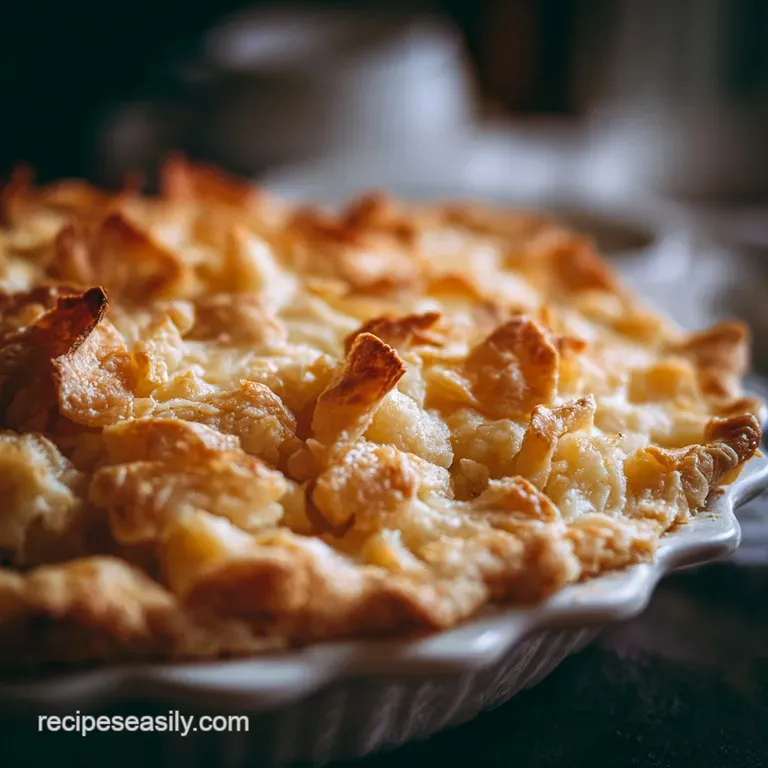
- Time: Active 15 minutes, Passive 60 minutes, Total 75 minutes
- Flavor/Texture Hook: Buttery, salt kissed, and incredibly flaky
- Perfect for: Holiday baking, first time bakers, and sweet or savory fillings
- Mastering the Art of the Easy Pie Crust
- Planning Your Prep: Exact Timing and Temperature Checkpoints
- Building Blocks for a Flaky and Golden Foundation
- The Minimalist Toolset for Hand Mixed Dough Success
- Bringing It Together: The Step-by-Step Folding Method
- Avoiding Kitchen Disasters: Fixing Shrunken or Soggy Dough
- Flavor Variations and Simple Crust Adaptations
- Make-Ahead Secrets and Repurposing Every Single Scrap
- Perfect Complements: Filling Your Masterpiece with Flavor
- Recipe FAQs
- 📝 Recipe Card
Mastering the Art of the Easy Pie Crust
Did you know that the secret to a crust that shatters like glass isn't actually about your skill with a rolling pin, but rather a tiny bit of chemistry involving water and fat? I spent years terrified of making my own dough, convinced that my "warm hands" were a curse that would forever doom me to store-bought, cardboard like shells.
I remember one specific Thanksgiving where I tried to force a room temperature dough into a tin, only to have it slump into a greasy puddle before it even hit the oven. It was a mess, and I almost gave up on the idea of a homemade Easy Pie Crust entirely.
But then, I learned the magic of the "pea sized chunk." The moment I stopped trying to make the dough look perfectly smooth and started embracing the lumpy, messy reality of cold butter, everything changed.
When you slide that pan into the heat, those little lumps of butter melt instantly, creating tiny puffs of steam that lift the flour into those gorgeous, flaky layers we all crave.
It’s a sensory experience from start to finish the cold grit of the flour, the snap of the chilled butter, and finally, that golden, toasted aroma that fills the kitchen. Trust me, once you hear that first "crunch" as your fork hits the plate, you'll never go back to the frozen aisle again.
Planning Your Prep: Exact Timing and Temperature Checkpoints
Success with this Easy Pie Crust depends entirely on your internal clock and the thermometer. We aren't just mixing ingredients; we are managing the state of matter. If the butter reaches a certain softness, the flakiness vanishes. If the water isn't icy, the gluten wakes up and makes the crust tough.
We need to move with intention, keeping everything as cold as a winter morning.
- Steam Expansion
- Cold butter chunks trapped in flour pockets evaporate in the oven, physically pushing the dough layers apart.
- Gluten Inhibition
- Adding a splash of acid (vinegar) and keeping the water ice cold prevents long gluten strands from forming, ensuring a tender bite.
- Solid Fat Integrity
- Using European style butter provides a higher fat to water ratio, which means less moisture to activate the flour's proteins.
- Thermal Barrier
- Chilling the dough for 60 minutes allows the flour to fully hydrate and the fats to re solidify after handling.
| Dough State | Visual Cue | Temperature Goal | Resting Need |
|---|---|---|---|
| Raw Mix | Visible butter "peas" | Below 65°F | Immediate chill |
| Pre Roll | Firm but slightly yielding | 40°F (Fridge temp) | 60 mins minimum |
| Post Bake | Golden brown, matte finish | 200°F (Internal) | 30 mins to set |
When you're aiming for a dessert that really shows off this texture, the contrast is key. For example, a silky Espresso Custard Pie highlights the shatter crisp nature of this dough perfectly. The richness of the custard needs that structural, salty snap to balance the bite.
Building Blocks for a Flaky and Golden Foundation
Selecting your components is the first step toward a masterpiece. We aren't just grabbing "flour" and "fat"; we are looking for specific qualities. I always reach for European style butter because it has less water than standard American sticks.
This means more flavor and a more reliable "shatter" when the heat hits the oven.
- 320g All purpose flour: Provides the structural framework. Why this? Just enough protein for strength without being overly chewy or bread like.
- 225g Unsalted European style butter: The source of flavor and flakes. Why this? Higher fat content ensures a more tender, melt in-the mouth texture.
- 120ml Ice water: The binder that holds it all together. Why this? Keeps the butter solid while hydrating the flour just enough to roll.
- 12g Granulated sugar: Adds a hint of sweetness and aids browning. Why this? Helps the crust achieve that deep golden brown color through caramelization.
- 6g Fine sea salt: The ultimate flavor enhancer. Why this? Balances the fat and makes the buttery notes sing.
- 5ml Apple cider vinegar: Our secret weapon for tenderness. Why this? The acid weakens gluten bonds, making the crust much easier to work with.
| Component | Science Role | Pro Secret |
|---|---|---|
| Cold Butter | Creates Lamination | Cube and freeze for 10 mins before mixing to ensure it stays solid. |
| Acid (Vinegar) | Gluten Relaxer | You won't taste it, but it keeps the dough from "shrinking" in the pan. |
| Sea Salt | Protein Tighter | Use fine salt so it dissolves evenly into the flour without leaving gritty spots. |
The Minimalist Toolset for Hand Mixed Dough Success
You don't need a fancy food processor to make a world class Easy Pie Crust. In fact, many professional bakers prefer doing it by hand because it prevents over mixing. A large, wide mixing bowl is your best friend here it gives you room to "toss" the flour without compacting it.
If you have a pastry blender, that's great, but two sturdy dinner forks work just as well for cutting in the fat.
I also recommend a simple plastic bench scraper. It’s an underrated tool that helps you fold the dough over itself without your warm palms touching it too much. If you're working in a hot kitchen, you might even consider chilling your flour and your bowl in the freezer for fifteen minutes before you start.
It sounds like overkill, but that extra bit of cold is the difference between a flaky crust and a tough one.
Bringing It Together: The step-by-step Folding Method
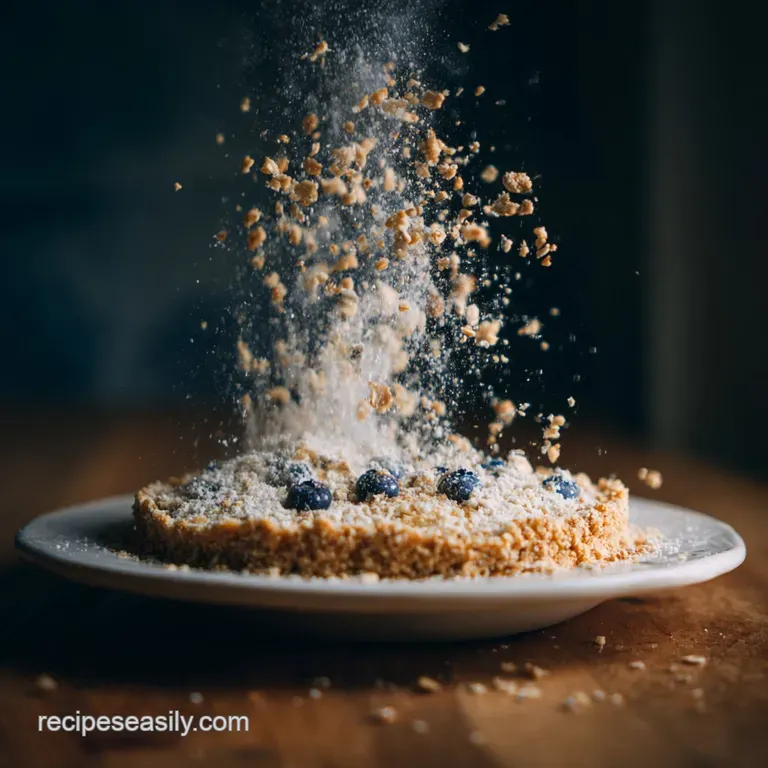
- Whisk the 320g all purpose flour, 6g fine sea salt, and 12g granulated sugar in a large, chilled mixing bowl until combined. Note: Using a chilled bowl keeps the ambient temperature low from the start.
- Toss the 225g cold, cubed European style butter into the flour mixture. Use a pastry blender or two forks to 'cut' the butter into the flour until the mixture resembles coarse crumbs with visible pea sized chunks.
- Stir the 5ml apple cider vinegar into the 120ml ice water. Drizzle approximately 4 tablespoons of the liquid over the flour and butter mixture. Note: Adding liquid gradually prevents the dough from becoming a gummy mess.
- Gently toss the mixture with a spatula, adding more ice water one tablespoon at a time only until the dough passes the 'squeeze test' and holds together.
- Divide the dough into two disks. Note: This recipe makes enough for a double crust pie or two single shells.
- Wrap each disk tightly in plastic wrap to prevent the edges from drying out and cracking.
- Chill the dough in the refrigerator for at least 1 hour before rolling. Note: This allows the gluten to relax, which stops the crust from shrinking during baking.
- When ready, roll the dough on a lightly floured surface until it is about 1/8 inch thick.
- Transfer the dough to your pie plate and trim the edges, leaving a 1 inch overhang for crimping.
- Bake for 60 minutes at 375°F (190°C) or as directed by your specific filling recipe until the edges are deep golden and crisp.
Chef's Tip: If your hands are naturally very warm, periodically dip them in a bowl of ice water and dry them thoroughly before touching the dough. This keeps the butter from melting on contact!
Avoiding Kitchen Disasters: Fixing Shrunken or Soggy Dough
One of the most frustrating things is watching your beautiful Easy Pie Crust shrink down the sides of the pan as it bakes. This usually happens because the gluten wasn't given enough time to relax or the dough was stretched too tightly into the tin. When you're placing the dough in the pan, don't pull it.
Instead, lift the edges and let the dough "slump" into the corners naturally.
Fixing Brittle Dry Dough
If your dough is cracking aggressively as you try to roll it, it’s likely too cold or slightly under hydrated. Let it sit at room temperature for five minutes to take the edge off the chill. If it’s still crumbling, you can lightly mist it with a spray bottle of ice water and give it one quick fold.
This adds moisture without creating a sticky, over worked mess.
Preventing Crust Shrinkage
Shrinkage is the result of "elastic memory." When we roll dough, we stretch the gluten proteins. If we bake it immediately, those proteins snap back like a rubber band. Always give your dough a full 60 minutes in the fridge before rolling, and another 15 minutes in the freezer once it’s in the pie plate.
This "freezes" the shape in place before the heat hits.
| Problem | Root Cause | Solution |
|---|---|---|
| Tough/Chewy | Too much water or over mixing | Use a splash of vinegar and stop mixing as soon as it holds. |
| Greasy/No Flakes | Butter melted before baking | Chill everything (flour, bowl, fat) and work quickly. |
| Soggy Bottom | Moisture from filling | Blind bake the crust or brush with egg wash before filling. |
Common Mistakes Checklist
- ✓ Don't over process the butter; you want those visible "pea sized" bits for the best lamination.
- ✓ Always use ice water, not just cold tap water; the lower the temp, the better the flake.
- ✓ Never skip the resting period; 60 minutes is the minimum for the flour to hydrate properly.
- ✓ Avoid "stretching" the dough into the pan; gravity is your friend, let it fall into place.
- ✓ Make sure your oven is fully preheated; a blast of high heat is what triggers the steam rise.
Flavor Variations and Simple Crust Adaptations
The beauty of this Easy Pie Crust is its versatility. While the base recipe is perfect for something like an Easy Southern Pecan Pie, you can easily pivot to a savory profile. The ratio of fat to flour remains the same, but you can play with the "add ins" to match your specific meal plan.
Creating an Easy gluten-free Pie Crust
If you need to ditch the wheat, swap the 320g of all purpose flour for a high-quality 1:1 gluten-free baking blend that contains xanthan gum. gluten-free dough tends to be thirstier, so you might find you need an extra tablespoon of ice water.
Also, keep in mind that gluten-free crusts don't brown as quickly, so a light brush of egg wash is almost mandatory to get that golden glow.
Adding Savory Herb Infusions
For a chicken pot pie or a quiche, try adding a tablespoon of dried thyme or finely minced fresh rosemary to the dry ingredients. You can also replace half the butter with chilled lard or leaf lard for an even more "old school" savory snap.
The lard has a higher melting point, which can actually make the dough easier to work with in warmer climates.
| Original Ingredient | Substitute | Why It Works |
|---|---|---|
| Granulated Sugar | Ground Ginger | Adds a warm, spicy bite that pairs beautifully with pumpkin or apple. |
| Ice Water | Chilled Vodka | Alcohol doesn't promote gluten, making the crust even more tender. |
| Apple Cider Vinegar | Lemon Juice | Provides the necessary acidity with a brighter, citrusy aromatic note. |
If you're looking for a crowd pleasing side dish that uses these same buttery, salty notes, a pan of Mexican Street Corn Casserole provides a creamy, spiced contrast to the crisp texture of a savory pie.
make-ahead Secrets and Repurposing Every Single Scrap
This Easy Pie Crust is a dream for meal preppers. I often double the batch because the effort is nearly the same, but the reward is doubled. You can keep the wrapped disks in the fridge for up to three days. If you're planning further ahead, wrap them in a second layer of foil and freeze them for up to three months.
Just move them to the fridge the night before you want to bake to let them thaw slowly.
Don't you dare throw away those dough scraps! I grew up in a house where the trimmings were more prized than the pie itself. Gather the leftover bits, press them into a flat sheet, sprinkle with cinnamon and sugar, and bake them alongside your pie for 10-12 minutes.
We call them "pie fries," and they are the perfect chef's snack while you wait for the main event to finish cooling.
Zero Waste Kitchen Practices
- Butter Wrappers: Save your empty butter wrappers in the freezer. They usually have just enough fat left on them to grease a pie tin or cake pan perfectly.
- Flour Dusting: If you have excess flour on your rolling surface, sweep it up and save it in a small "slurry" jar in the fridge for thickening gravies or sauces later.
- Leftover Dough: If you have a larger chunk of dough left over, press it into a muffin tin to make "mini quiche" shells for a quick breakfast the next day.
Perfect Complements: Filling Your Masterpiece with Flavor
The ultimate test of an Easy Pie Crust is how it handles a heavy, moisture rich filling. Whether you are going for a fruit heavy mountain of apples or a dense, chocolatey custard, this crust provides the structural integrity you need. I personally love pairing this salty sweet dough with something traditional.
For a hearty, comforting dinner, this crust serves as the perfect lid for a Cozy Irish Potato Pie. The starchy potatoes and rich gravy need a crust that won't turn into a "soggy bottom," and this high fat European butter method is exactly what the doctor ordered.
Debunking Kitchen Myths
- Myth: You must use a food processor for a flaky crust. Truth: Over processing actually makes the fat too small, leading to a crumbly, shortbread like texture rather than long, shattered flakes.
- Myth: Searing hot ovens always burn the crust. Truth: A high initial temperature (375°F-400°F) is required to turn the water in the butter into steam. Without that initial heat, the butter just melts out, leaving you with a greasy mess.
- Myth: Vinegar makes the pie taste like pickles. Truth: The small amount used (5ml) evaporates during baking; its only job is to break down the proteins in the flour to keep things tender.
Remember, the best pies aren't the ones that look like they came from a magazine they’re the ones that taste like home. This Easy Pie Crust is your ticket to that feeling. It's forgiving, it’s buttery, and it’s a skill you’ll carry with you forever.
Now, go get your butter in the freezer and let's get baking!

Recipe FAQs
What are the ingredients in 3 ingredient pie crust?
Standard pie dough requires flour, fat, and liquid. Our recipe utilizes all-purpose flour, cold European style butter, and an ice water vinegar mixture to ensure a tender, flaky structure.
What is the trick to making good pie crust?
Keep everything cold. The secret is maintaining visible pea-sized chunks of butter throughout the flour, which creates steam pockets during baking for a perfectly flaky crust.
Is pie crust better with butter or crisco?
Butter provides superior flavor and texture. While shortening can make a dough easier to handle, European style butter delivers a rich taste and reliable lamination that is essential for a professional finish.
What are the three main ingredients used to make pie dough?
Flour, fat, and liquid are the building blocks. In our version, we specifically use all-purpose flour, cold cubed butter, and a precise amount of ice water mixed with apple cider vinegar.
How to ensure the crust remains flaky and not tough?
Limit your handling of the dough to prevent gluten development. If you enjoyed learning how to control dough texture here, the same principles of moisture management apply when baking delicate desserts to maintain a tender crumb.
How to troubleshoot a dough that is falling apart?
Add more ice water one tablespoon at a time until the dough passes the squeeze test. The dough should just hold together when pressed; do not add excess liquid, or the crust will become tough.
Is it true I can skip the one-hour chill time?
No, this is a common misconception. You must chill the dough for at least 60 minutes to allow the flour to fully hydrate and the butter to firm up, which prevents the crust from shrinking in the oven.
Easy Flaky Pie Crust
Ingredients:
Instructions:
Nutrition Facts:
| Calories | 177 kcal |
|---|---|
| Protein | 2.2 g |
| Fat | 11.6 g |
| Carbs | 15.9 g |
| Fiber | 0.5 g |
| Sugar | 0.8 g |
| Sodium | 147 mg |
