Easy Grapefruit Sorbet Recipe
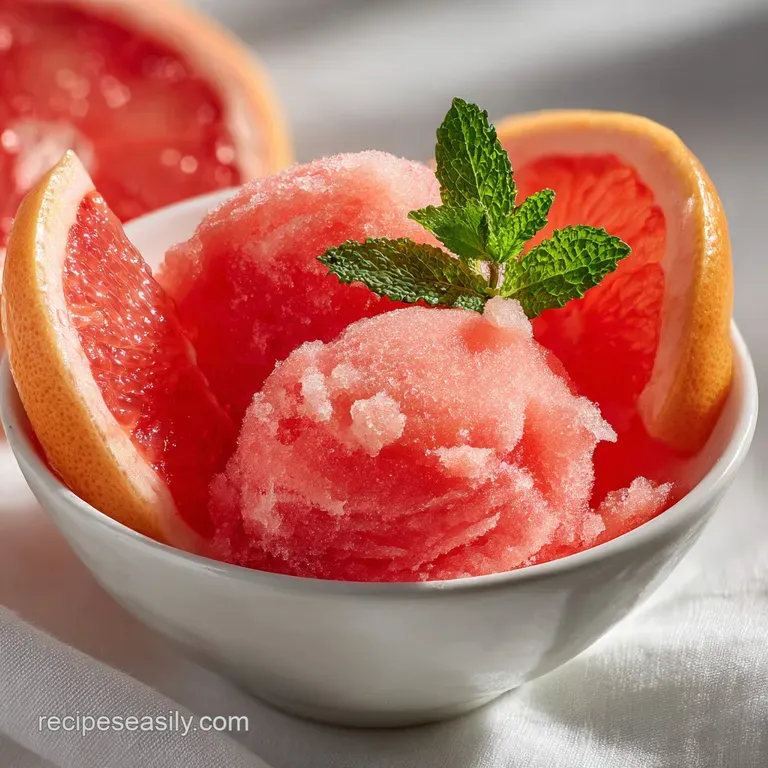
- Time: Active 10 minutes, Passive 20 minutes, Total 30 minutes
- Flavor/Texture Hook: Zesty, bittersweet, and velvety
- Perfect for: Summer dinner parties, gluten-free dessert needs, or beginner fruit based treats
- A Refreshing and Easy Grapefruit Sorbet Recipe
- The Physics of Achieving Silky Texture
- Analyzing the Role of Each Ingredient
- Smart Swaps for Different Dietary Needs
- Basic Kitchen Tools for Frozen Desserts
- Mastering the Simple Cold Prep Method
- Solving Common Sorbet Texture Issues
- Resizing the Batch for Your Guests
- Exposing Truths About Frozen Fruit Treats
- Maintaining Fresh Flavor and Reducing Waste
- Creative Serving Ideas for Citrus Scoops
- Recipe FAQs
- 📝 Recipe Card
A Refreshing and Easy Grapefruit Sorbet Recipe
The first time I tried making this, I was standing in my kitchen on a humid Tuesday, surrounded by a mountain of pink grapefruit halves. I’d just squeezed about three cups of juice, and the kitchen smelled like a sun drenched grove in Florida.
There is something so revitalizing about that sharp, aromatic spray that hits you when you first break the skin of a grapefruit. I remember thinking that if I could just capture that exact "zing" in a frozen form, it would be the ultimate summer cure.
I’ve made the mistake of just freezing juice before, and let me tell you, it’s like biting into a flavored brick. It took a few tries, and several icy failures, to realize that the secret isn't just the fruit, it's the science of the syrup.
Now, whenever friends come over for a backyard hangout, this is the one they ask for. It’s light, it’s sophisticated, and it has this beautiful, shimmering pink hue that looks stunning in a glass bowl.
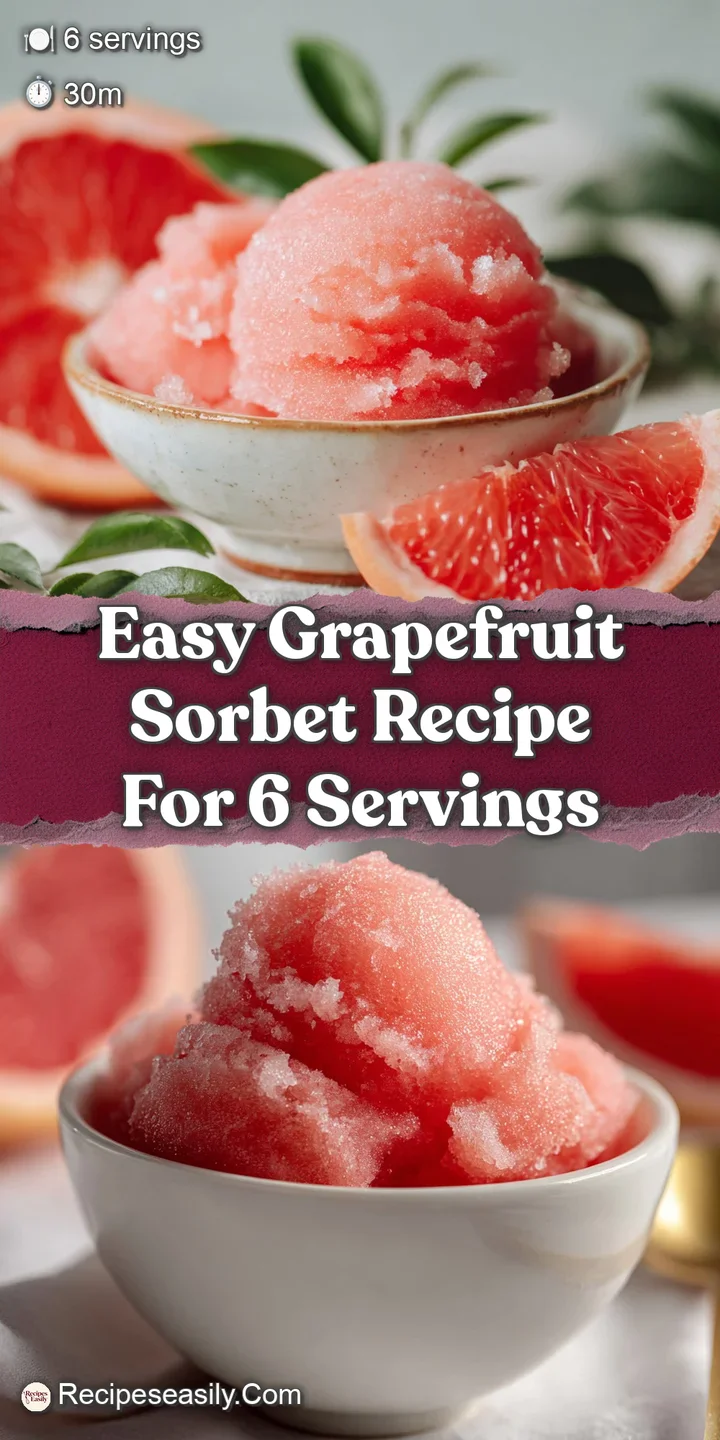
We are going for that specific texture that sits right between a granita and a heavy ice cream. It should feel velvety on the tongue but still provide that clean, sharp finish that only citrus can offer.
This recipe uses minimal tools, so don't worry if you don't have a professional grade machine taking up space on your counter. We are keeping things simple and reliable so you can get back to enjoying the sunshine.
The Physics of Achieving Silky Texture
The Chemistry of the Soft Scoop: Sugar acts as a natural antifreeze by lowering the freezing point of the juice. This prevents the water molecules from bonding into large, jagged ice crystals, resulting in a velvety mouthfeel rather than a hard block.
- Sugar Saturation: Using 1 cup of granulated sugar creates the necessary density to keep the mixture pliable even at sub zero temperatures.
- Thermal Stability: Adding 0.5 cup of water to the syrup helps stabilize the citrus acids, preventing the flavor from becoming too harsh when frozen.
- Aromatic Infusion: The 1 tbsp of zest isn't just for looks, it releases essential oils that provide a "round" flavor that juice alone lacks.
- The Salt Factor: A mere 0.125 tsp of fine sea salt suppresses the perception of bitterness while making the grapefruit’s natural sweetness pop.
| Method | Time | Texture | Best For |
|---|---|---|---|
| Ice Cream Maker | 20 minutes | Super airy and smooth | Formal dinner parties |
| Manual Fork Stir | 4 hours | Slightly icy, rustic | Casual family snacking |
| Ninja Creami | 2 minutes | Extremely dense and creamy | Quick weeknight cravings |
Using a manual stir method requires more patience, but it delivers a charmingly rustic texture. If you decide to go the machine route, make sure your bowl is frozen for at least 24 hours to ensure the liquid sets before the blades stop turning. This citrus treat pairs beautifully with the light, flaky texture of a Baked Salmon with recipe for a complete summer meal.
Analyzing the Role of Each Ingredient
| Ingredient | Science Role | Pro Tip |
|---|---|---|
| Fresh Grapefruit Juice | Primary base and acid source | Use "Heavy" fruits; they have more juice than thick skinned ones. |
| Granulated Sugar | Antifreeze and sweetener | Never reduce sugar by more than 10% or the sorbet will turn into a rock. |
| Grapefruit Zest | Essential oil carrier | Zest before juicing to avoid crushing the fruit and making it messy. |
| Fine Sea Salt | Flavor enhancer | Dissolve the salt in the warm syrup to ensure even distribution. |
Smart Swaps for Different Dietary Needs
For this recipe, you will need 3 cups fresh pink grapefruit juice, 1 cup granulated sugar, 0.5 cup water, 1 tbsp grapefruit zest, and 0.125 tsp fine sea salt. I always recommend using fresh juice over bottled because the pasteurization process in store-bought cartons can mute the bright, floral notes we are looking for.
| Original Ingredient | Substitute | Why It Works |
|---|---|---|
| Granulated Sugar | Honey (0.75 cup) | Adds floral depth. Note: Sorbet will be much softer and melt faster. |
| Pink Grapefruit | Blood Orange | Similar acidity but with a berry like undertone and deeper red color. |
| Water | Dry Rosé Wine | The alcohol prevents freezing even further. Note: Adds a sophisticated tartness. |
If you find yourself out of pink grapefruits, white ones work too, though they tend to be much more tart. You might want to add an extra tablespoon of sugar if the fruit is particularly mouth puckering.
Basic Kitchen Tools for Frozen Desserts
You really don't need much to get this going. A basic small saucepan is essential for creating your syrup. You will also need a fine mesh strainer to ensure the zest is removed after it has done its job of infusing the liquid, unless you like the little bits of texture in your scoop.
Chef Tip: If you aren't using an ice cream maker, find a shallow metal baking pan (like a 9x13 brownie pan). The metal conducts cold faster than glass, which means your sorbet will freeze more evenly and quickly, reducing the chance of large ice crystals forming.
For storage, a simple airtight container or even a loaf pan wrapped tightly in plastic wrap will do the trick. A sturdy whisk is also helpful during the cooling phase to make sure the sugar and juice are fully emulsified before they hit the cold air.
Mastering the Simple Cold Prep Method
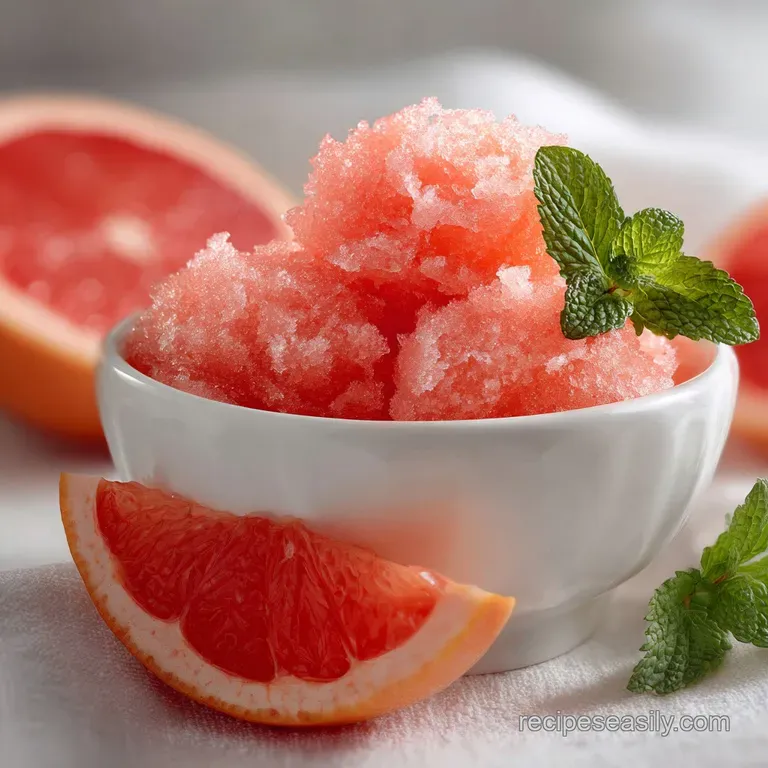
- Zest the grapefruit. Collect 1 tbsp of zest until the white pith is almost visible. Note: Avoid the white pith as it is incredibly bitter.
- Create the syrup. Combine 1 cup granulated sugar, 0.5 cup water, and the zest in a small saucepan.
- Simmer the mixture. Heat over medium for 5 minutes until the sugar is completely dissolved and shimmering.
- Juice the fruit. Squeeze enough pink grapefruits to get 3 cups of juice.
- Combine the base. Whisk the fresh juice, warm syrup, and 0.125 tsp fine sea salt in a large bowl.
- Chill the mixture. Place the bowl in the fridge for 2 hours until the liquid is cold to the touch.
- Strain the zest. Pour the mixture through a fine mesh sieve to remove the solids.
- Start the freeze. Pour the liquid into your ice cream maker or a shallow metal pan.
- Churn or stir. Churn for 20 minutes or stir with a fork every 30 minutes until it looks like a thick, velvety slush.
- Final set. Transfer to a container and freeze for 4 hours until firm enough to scoop.
Solving Common Sorbet Texture Issues
Sorbet Is Rock Hard
This usually happens if the sugar content is too low or the freezer is set to a "deep freeze" temperature. If the water molecules have too much freedom, they bond together into a solid mass that a spoon can't penetrate.
| Problem | Root Cause | Solution |
|---|---|---|
| Rock Hard Texture | Not enough sugar | Let it sit at room temp for 10 minutes before scooping. |
| Icy/Grainy Mouthfeel | Large ice crystals | Whisk the mixture more frequently during the manual freezing process. |
| Separating Layers | Poor emulsification | Ensure the syrup and juice are fully chilled and whisked before freezing. |
Checking the balance is vital. If you find your sorbet is always too hard, you can add a tablespoon of vodka or gin next time. Alcohol does not freeze, so it keeps the mixture much softer.
Common Mistakes Checklist
- ✓ Don't skip the chilling step; pouring warm liquid into a freezer creates huge ice crystals.
- ✓ Always use a metal pan for no churn methods to speed up the heat transfer.
- ✓ Avoid the white pith when zesting, or the bitter flavor will overwhelm the fruit.
- ✓ Measure the sugar precisely; it’s an active functional ingredient, not just a sweetener.
- ✓ Let the syrup cool slightly before mixing with the fresh juice to preserve the "raw" fruit flavor.
Resizing the Batch for Your Guests
If you are hosting a larger party, you can easily double this recipe. However, when moving from 6 servings to 12, keep in mind that liquids take longer to cool down. I suggest splitting the mixture into two separate bowls for the chilling phase in the fridge.
This increases the surface area and gets the temperature down much faster.
When scaling down for a solo treat, you can halve everything easily. Since we are only using 0.125 tsp of salt for the full batch, just a tiny pinch will do for a half batch. If you are using an ice cream maker, ensure you don't underfill it, as some machines require a minimum volume to churn effectively.
Exposing Truths About Frozen Fruit Treats
Many people believe that "fresh is always best," but when it comes to juice, sometimes letting the juice sit with the zest for an hour before straining actually improves the flavor. This allows the oils to fully permeate the liquid.
Another myth is that sorbet is just "healthy ice cream." While it is fat free, the sugar content is usually higher than ice cream to maintain that soft texture.
| Comparison | Fresh Juice | Bottled Juice |
|---|---|---|
| Flavor Impact | Bright, floral, acidic | Flat, sweet, cooked |
| Texture Result | Silky and light | Can feel slightly syrupy |
| Preparation Time | 10 minutes (juicing) | 0 minutes |
Another common misconception is that you must have a machine to get a good result. While a machine adds air (overrun), a manual fork stirred sorbet has a lovely, dense texture that some people actually prefer because it melts more slowly on a hot day.
Maintaining Fresh Flavor and Reducing Waste
Store your sorbet in the back of the freezer rather than the door. The temperature in the door fluctuates every time you open it, which causes the sorbet to melt slightly and then refreeze, leading to those dreaded ice crystals. This treat will stay at its peak flavor for about 2 weeks.
After that, it won't go "bad," but the bright citrus notes will start to fade.
To reduce waste, don't toss those squeezed grapefruit halves! You can use the remaining rinds to make candied grapefruit peel. Simply boil the peels in a sugar syrup until translucent, then toss them in sugar. They make a fantastic garnish for the sorbet itself or a sweet treat to have with coffee.
If you have leftover juice that didn't make it into the batch, freeze it in ice cube trays for a zingy addition to sparkling water.
Creative Serving Ideas for Citrus Scoops
When you are ready to serve, think about contrast. The tartness of the grapefruit screams for something floral or creamy. I love serving a small scoop of this alongside a slice of The Persian Love recipe. The rosewater and cardamom in the cake dance perfectly with the sharp citrus of the sorbet.
For a simple presentation, serve the sorbet in the hollowed out grapefruit halves you used for juicing. It looks incredibly "Chef" and saves you from washing extra bowls. If you want to get fancy, top each scoop with a sprig of fresh mint or a few pomegranate seeds for a burst of color.
If you find yourself with three different paths to take, consider this: If you want a cocktail vibe, drop a scoop into a glass of Prosecco. If you want a "creamsicle" effect, stir in a tablespoon of heavy cream right before the final freeze. If you want a spicy kick, add a tiny pinch of chili powder to the syrup.
Recipe FAQs
How do you make pink grapefruit sorbet in an ice cream maker?
Chill the base completely before churning. Combine the sugar, water, and zest to create a syrup; let it cool, then whisk in the grapefruit juice and salt.
Ensure your liquid base is refrigerator cold (ideally below 40°F) before pouring it into your machine.
What are common sorbet mistakes?
The most common mistake is insufficient sugar content. Sugar acts as antifreeze; too little results in a hard, unusable block of ice rather than a scoopable dessert.
If your sorbet is grainy, it's usually because the mixture wasn't stirred frequently enough during manual freezing or the initial base was not cold enough.
What flavors pair well with grapefruit?
Floral, herbaceous, and spicy notes work exceptionally well. Try balancing the tartness with vanilla, rosemary, or a hint of ginger in the syrup base.
For a beautiful dessert pairing, the aromatic qualities complement baked goods, like those found in our Almond Mascarpone Danish recipe.
What makes a sorbet creamy?
A high enough concentration of dissolved sugar is key to creaminess. The sugar lowers the freezing point, interfering with the formation of large, hard ice crystals.
Incorporating a small amount of alcohol, like a tablespoon of vodka, can also prevent full freezing, creating a softer, more pliable texture.
Is it true you must use only fresh juice for the best texture?
No, this is a common misconception, but fresh is highly recommended for flavor. Bottled juice can be used in a pinch, but the pasteurization process mutes the bright citrus oils we are aiming for.
If you enjoy mastering texture control in frozen desserts, the principle of sugar/water ratio applies universally, even to recipes like our Easy Oreo Cheesecake Brownies recipe, where managing the fat and sugar prevents crystallization.
How do I avoid bitter flavors in my grapefruit sorbet?
Carefully avoid scraping any of the white pith when zesting the fruit. The pith contains compounds that are intensely bitter.
Additionally, adding a tiny pinch of fine sea salt enhances the fruit's sweetness, which naturally counteracts residual bitterness.
Can I make this recipe without an ice cream maker?
Yes, you can use the manual stir method. Pour the chilled base into a shallow metal pan and place it in the freezer.
Scrape and stir the mixture vigorously with a fork every 30 minutes for about four hours to break up forming ice crystals.
Easy Grapefruit Sorbet
Ingredients:
Instructions:
Nutrition Facts:
| Calories | 173 kcal |
|---|---|
| Protein | 0.6 g |
| Fat | 0.1 g |
| Carbs | 44.2 g |
| Fiber | 0.1 g |
| Sugar | 42.8 g |
| Sodium | 49 mg |
