Greek Chicken Marinade: Tender and Zingy
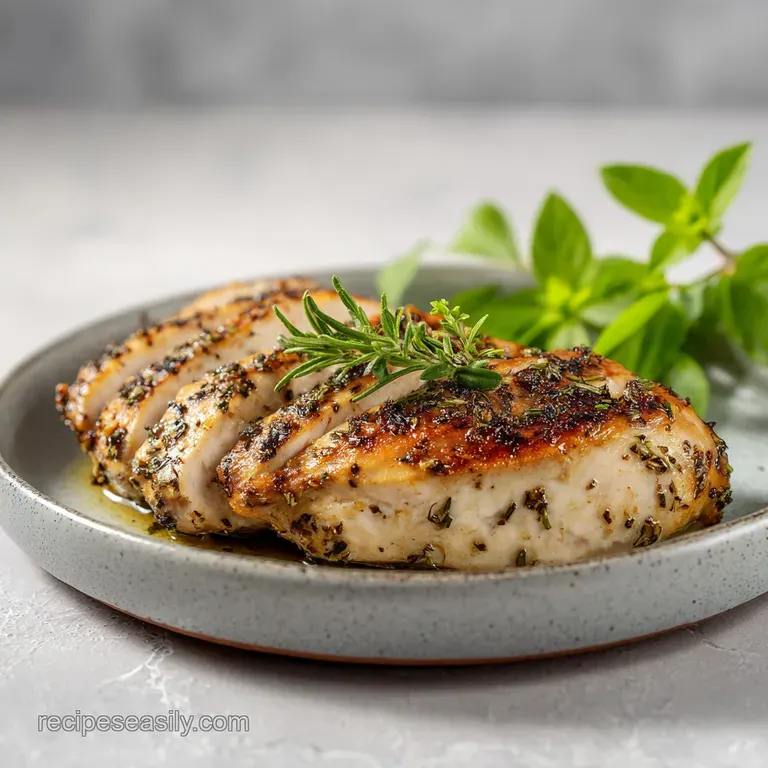
- Time: Active 40 minutes, Passive 15 minutes, Total 55 minutes
- Flavor/Texture Hook: Velvety, herb crusted, and zingy
- Perfect for: Busy weeknights and healthy meal prep
- Fix Dry Poultry with This Greek Chicken Marinade
- Essential Recipe Performance Specifications
- Handpicked Components for Maximum Flavor
- Minimalist Tools for Quick Cleanup
- Mastering the Cooking Process Sequence
- Solving Your Common Texture Issues
- Clever Flavor and Dietary Adaptations
- Smart Storage and Safety Tips
- Serving Suggestions and Final Touches
- Myth: You Need to Marinate Overnight
- Myth: Using Low-Fat Yogurt Is Just as Good
- Myth: Marinade "Seals" the Meat
- Recipe FAQs
- 📝 Recipe Card
Fix Dry Poultry with This Greek Chicken Marinade
You know that depressing moment when you pull a chicken breast off the grill and it looks like a piece of beige wood? We've all been there. You poke it, and it feels as bouncy as a tennis ball, then you bite in and realize you need a gallon of water just to swallow.
It's frustrating because you followed the timing, but the meat just didn't cooperate. Most people blame the heat, but the real culprit is usually a marinade that’s too acidic or too thin to actually protect the protein.
I used to think more lemon juice was the answer, but all that did was "cook" the outside of the chicken into a grainy mess before it even touched the pan. The secret I stumbled upon during a chaotic Tuesday night was Greek yogurt. It changed everything.
Suddenly, the chicken wasn't just surviving the heat, it was thriving in it. The yogurt creates this beautiful, protective buffer that keeps the moisture locked inside while the outside gets those gorgeous charred bits we all crave.
We are going to make a batch that actually sticks to the meat instead of sliding off into the bottom of the bowl. This isn't just about splashing some oil and herbs together, it’s about creating a stable emulsion that acts like a spa treatment for your poultry. Get ready for the juiciest chicken of your life.
Honestly, you'll never go back to those watery bottled marinades again.
Essential Recipe Performance Specifications
Lactic Acid Magic: Yogurt contains lactic acid which breaks down proteins more gently than harsh vinegar, ensuring a tender bite without the mushiness.
Emulsion Stability: Whisking the oil into the yogurt creates a thick coating that clings to every nook and cranny of the chicken.
Herb Hydration: Letting the dried oregano sit in the wet mixture for 5 minutes allows the oils in the herbs to bloom, intensifying the Mediterranean aroma.
Thermal Buffer: The dairy fats insulate the meat, preventing the rapid protein contraction that leads to a rubbery texture.
| Cooking Method | Cook Time | Texture Result | Best For |
|---|---|---|---|
| Cast Iron Skillet | 12-15 mins | Extra crispy "crust" | Deep browning fans |
| Outdoor Grill | 12-15 mins | Smoky, charred edges | Summer gatherings |
| Air Fryer | 15-18 mins | Uniformly gold | Hands off prep |
The yogurt in this recipe is doing the heavy lifting by providing a source of fat and acid that doesn't evaporate instantly. Unlike oil only marinades that just drip off and cause flare ups, this thick mixture stays put, acting almost like a sourdough starter for your meat's flavor profile.
| Component | Role in Recipe | Pro Secret |
|---|---|---|
| Greek Yogurt | Primary Tenderizer | Use full fat for better browning |
| Extra Virgin Olive Oil | Flavor Carrier | Whisk slowly to stabilize the mix |
| Fresh Lemon Zest | Aromatic Punch | Zest before juicing for more oil |
| Dried Oregano | Herbaceous Base | Rub between palms to "wake it up" |
Handpicked Components for Maximum Flavor
- 125g full fat Greek yogurt: Why this? Provides the thick base and gentle acidity needed for tenderizing. (Sub: Plain full fat yogurt, but reduce lemon juice slightly).
- 60ml extra virgin olive oil: Why this? Carries the fat soluble flavors of the herbs into the meat. (Sub: Avocado oil for a higher smoke point).
- 2 tablespoons freshly squeezed lemon juice: Why this? Adds the necessary bright tang to cut through the fat. (Sub: White wine vinegar).
- 1 tablespoon lemon zest: Why this? Contains essential oils that provide a deeper citrus flavor than juice alone. (Sub: Dried lemon peel).
- 4 cloves garlic, smashed and minced: Why this? Provides the foundational savory pungent kick. (Sub: 1 teaspoon garlic powder).
- 2 tablespoons dried oregano: Why this? The classic earthy, minty note of Greek cuisine. (Sub: Dried marjoram).
- 1 teaspoon dried thyme: Why this? Adds a subtle floral and woodsy layer of complexity. (Sub: Dried rosemary).
- 1 teaspoon Kosher salt: Why this? Essential for drawing moisture into the protein cells. (Sub: Sea salt).
- 1/2 teaspoon freshly cracked black pepper: Why this? Adds a gentle, lingering heat to the finish. (Sub: White pepper).
- 700g boneless, skinless chicken breasts or thighs: Why this? The ideal canvas for absorbing these bold Mediterranean flavors. (Sub: Turkey breast steaks).
Minimalist Tools for Quick Cleanup
You don't need a kitchen full of gadgets to make this happen. A large glass or stainless steel mixing bowl is your primary workspace. Avoid reactive bowls like aluminum, as the lemon juice can pick up a metallic taste. A sturdy wire whisk is essential for getting that yogurt and oil to play nice together.
If you don't have one, a large fork and some vigorous arm work will get you there.
For the garlic, a simple chef's knife is all you need to smash and mince. I’m a big fan of the "smash first" method because it releases the juices immediately. You'll also want a microplane or a fine grater for that lemon zest. Trust me, the zest is where the soul of this dish lives.
Finally, an instant read thermometer is the only way to guarantee you aren't overcooking the meat. It’s the best ten dollars you’ll ever spend in your kitchen.
Mastering the Cooking Process Sequence
- Whisk together 125g Greek yogurt and 60ml olive oil in your large bowl until they form a thick, creamy emulsion. Note: This prevents the oil from separating during the marinating process.
- Add 2 tablespoons lemon juice and 1 tablespoon zest to the mixture, whisking until the liquid is fully integrated.
- Stir in the 4 minced garlic cloves, 2 tablespoons oregano, 1 teaspoon thyme, 1 teaspoon salt, and 1/2 teaspoon pepper.
- Wait 5 minutes for the dried herbs to hydrate in the yogurt mixture. until the aroma becomes noticeably fragrant and earthy.
- Toss 700g chicken into the bowl, using your hands or tongs to ensure every centimeter is covered in the white sauce.
- Marinate at room temperature for 30 minutes, or if you have time, pop it in the fridge for 4 hours.
- Preheat your skillet or grill to medium high heat. until a drop of water flicked on the surface dances and evaporates.
- Lay the chicken into the pan, shaking off just the heaviest clumps of marinade. until you hear a loud, energetic sizzle.
- Cook for 6-7 minutes on the first side without moving it to build a golden crust.
- Flip and cook until the thickest part reaches 165°F (74°C). until the juices run clear and the surface is flecked with charred herbs.
- Transfer to a clean plate and rest for 5 minutes. Note: This prevents all those lovely juices from spilling out when you slice.
Solving Your Common Texture Issues
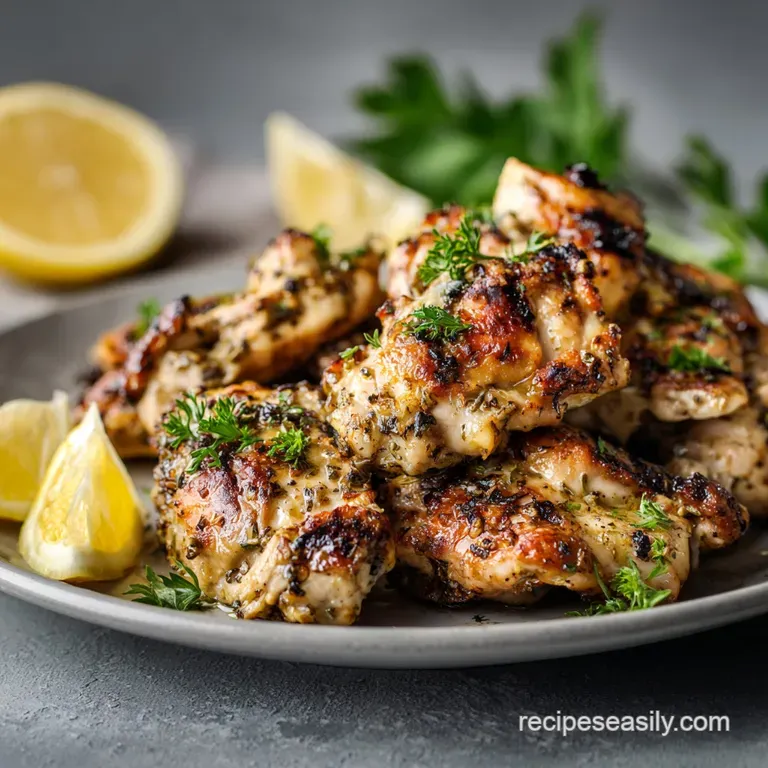
The Problem of Rubbery Chicken
If your chicken feels like a bouncy ball, it usually means the heat was too high or it stayed on the heat too long. When proteins get too hot, they squeeze together like a tight fist, pushing all the water out. Using a thermometer is the only way to stop this.
If you find the yogurt is burning before the inside is done, your heat is definitely too high. Lower it slightly and let the gentle heat do the work.
| Problem | Root Cause | Solution |
|---|---|---|
| Bland interior | Short marinade time | Marinate for at least 30 mins at room temp |
| Burnt herb bits | Heat too high | Use medium high and don't move the meat |
| Soggy surface | Excess marinade left on | Let the heaviest drips fall off before searing |
Sometimes people worry about the yogurt "curdling" in the pan. Don't stress it! Those little white bits are actually flavor gold. They caramelize and turn into a savory crust that tastes incredible. If you're looking for a great way to use these flavors in a full meal, this marinade works perfectly with the chicken used in my Chicken Rice Casserole.
- ✓ Pat chicken dry with a paper towel before adding to the marinade for better adhesion.
- ✓ Always zest the lemon before you cut it in half to juice it.
- ✓ Give the herbs that 5 minute hydration window to prevent a "gritty" texture.
- ✓ Use a heavy bottomed pan like cast iron for the most even heat distribution.
- ✓ Don't crowd the pan; cook in batches if you need to keep that sizzle going.
Clever Flavor and Dietary Adaptations
When you're scaling this recipe up for a big backyard party, don't just double everything blindly. For a 2x batch (1.4kg of chicken), double the yogurt and oil, but keep the salt and spices at about 1.5x. This prevents the herbs from becoming overwhelming.
If you're scaling down for a solo dinner, you can easily use half an egg to bind the marinade if you're out of yogurt, though the flavor will shift toward a more traditional "fried" profile.
Chef's Tip: If you want a real "Souvlaki" punch, add a teaspoon of smoked paprika and a pinch of cumin to the mix. It adds a deep, ruby color and a hint of smoke that’s incredible on the grill.
If you are following a dairy-free diet, you can swap the Greek yogurt for a thick, unsweetened coconut yogurt or even a plain almond based version. The lactic acid won't be as high, so you might want to add an extra teaspoon of lemon juice to compensate. This marinated chicken is the "missing link" for a Greek Pasta Salad when you want to turn a side dish into a full, protein packed meal.
| Original | Substitute | Why It Works |
|---|---|---|
| Greek Yogurt | Mayo | High fat content creates an amazing crust but lacks the tang. |
| Dried Oregano | Fresh Oregano | Use 3x the amount for a brighter, more floral hit. |
| Lemon Juice | Red Wine Vinegar | Offers a sharper, more punchy acidity typical of gyro shops. |
Smart Storage and Safety Tips
You can keep the marinated chicken in the fridge for up to 4 hours. Any longer and the lemon juice will start to break down the fibers too much, turning the meat mushy. Once cooked, the chicken stays velvety and delicious in an airtight container for up to 4 days.
It’s honestly one of my favorite things to meal prep because it doesn't get that "leftover chicken" smell that some other recipes do.
To freeze, place the raw chicken and the marinade in a heavy duty freezer bag. It will stay good for up to 3 months. As it thaws in the fridge, it actually marinates in the bag, making it a "dump and go" dream for future you. For a zero waste tip, don't toss the lemon rinds!
Throw them into a jar of white vinegar for a week to make a natural, citrus scented kitchen cleaner. Or, if you have leftover cooked chicken bits, toss them into a soup base or a quick wrap the next day.
Serving Suggestions and Final Touches
There is nothing better than slicing into this chicken and seeing the steam rise, knowing it's perfectly cooked. I love serving this over a bed of fluffy rice or tucked into a warm pita with a massive dollop of tzatziki.
The cooling cucumber in the sauce plays so well against the warm, oregano heavy crust of the chicken.
One thing I've learned the hard way: never skip the resting period. If you cut it the second it leaves the pan, you'll see all that delicious moisture run across the cutting board. Give it five minutes. Trust the process.
You've done the work, you've used the science, and now you get to reap the rewards of a truly spectacular meal. Let's eat!
Myth: You Need to Marinate Overnight
Actually, long marinating times can ruin poultry. Because chicken is relatively lean, an overnight soak in an acidic marinade (especially one with lemon juice) will chemically "cook" the meat, resulting in a chalky, dry texture.
30 minutes to 4 hours is the sweet spot for maximum flavor without structural damage.
Myth: Using low-fat Yogurt Is Just as Good
Don't bother with 0% fat yogurt here. Fat is a flavor conductor. Many of the aromatic compounds in oregano, thyme, and garlic are fat soluble, meaning they need fat to "unlock" and penetrate the meat.
Full fat Greek yogurt also provides the sugars and proteins needed for the Maillard reaction, giving you that brown, savory crust.
Myth: Marinade "Seals" the Meat
A marinade doesn't create a waterproof seal. Instead, it acts as a seasoning tool and a surface modifier. The salt in the marinade actually helps the muscle fibers relax and hold onto more water during cooking, while the yogurt fats provide a physical barrier against the direct, drying heat of the pan.
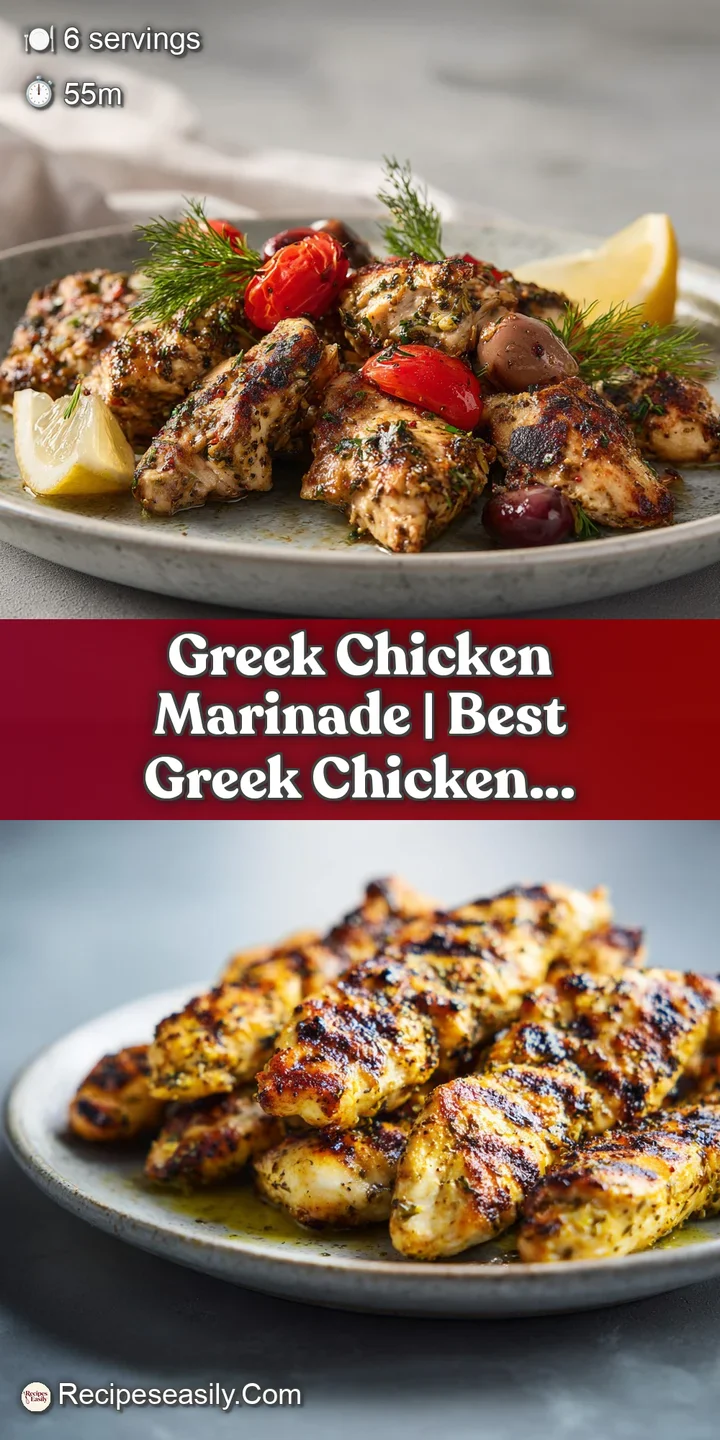
Recipe FAQs
What is Greek chicken marinade?
It is a yogurt based emulsion designed to tenderize and flavor poultry. By whisking full fat Greek yogurt, olive oil, lemon juice, and herbs, you create a thick coating that protects the chicken during high heat cooking.
What is the secret to a great Greek marinade?
The secret is creating a stable emulsion. When you whisk the yogurt, oil, and lemon juice together until fully incorporated, the mixture gains the thickness required to cling to the chicken, ensuring the garlic and herbs stay in contact with the meat rather than sliding off.
What's the secret to juicy Greek chicken?
The secret lies in the 5-minute rest period. If you enjoyed mastering the sensory doneness cues here, see how we apply similar resting principles in our easy chicken thigh stir fry to ensure every bite stays succulent.
Why marinate chicken with Greek yogurt?
Yogurt contains lactic acid that gently breaks down muscle fibers. Unlike harsh acidic marinades that can turn meat grainy, the yogurt provides a protective buffer that keeps the interior tender while allowing the exterior to develop a flavorful crust.
How to ensure the chicken is cooked through?
Use an instant read thermometer to check for an internal temperature of 165°F (74°C). Simply cook the chicken for 6-7 minutes per side over medium high heat until this threshold is reached to guarantee safety and texture.
Is it true I should marinate for 24 hours for better flavor?
No, this is a common misconception. You only need 30 minutes at room temperature or up to 4 hours in the refrigerator, as prolonged exposure to the acid in the lemon juice can eventually alter the texture of the meat negatively.
How to prepare the marinade ingredients?
Whisk the yogurt, olive oil, lemon juice, and zest together first to establish the base. Once the emulsion is stable, stir in the garlic, oregano, thyme, salt, and pepper, then let the mixture sit for 5 minutes to hydrate the dried herbs before adding the chicken.
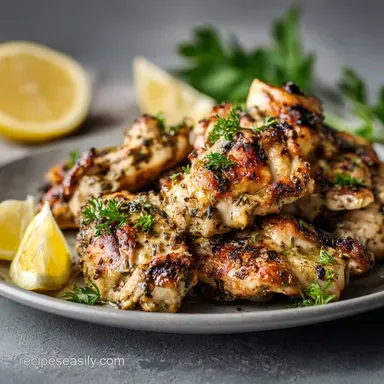
Greek Chicken Marinade
Ingredients:
Instructions:
Nutrition Facts:
| Calories | 297 kcal |
|---|---|
| Protein | 38.2 g |
| Fat | 14.2 g |
| Carbs | 2.0 g |
| Fiber | 0.4 g |
| Sugar | 0.9 g |
| Sodium | 433 mg |
