Greek Yogurt Egg Salad: Creamy and High Protein
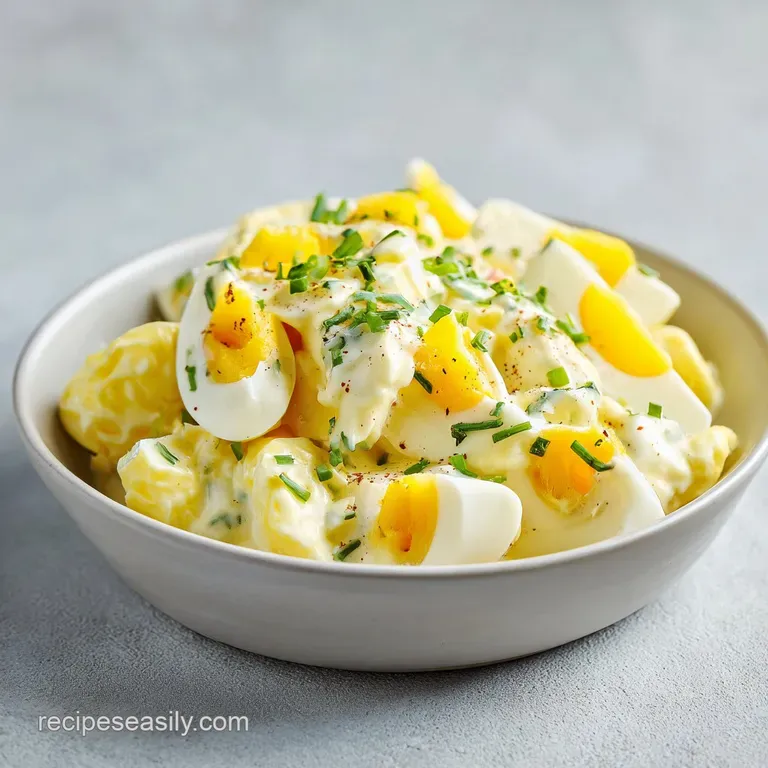
- Time:10 minutes active + 15 minutes cooling = 25 minutes total
- Flavor/Texture Hook: Zesty, crunch packed, and velvety
- Perfect for: High protein meal prep or a quick weekday sandwich
- Master This Healthy Greek Yogurt Egg Salad
- Why This Creamy Recipe Works
- Ingredient Deep Dive Table
- Gathering Your Fresh Ingredients
- Necessary Tools for the Kitchen
- Step-by-Step Execution Guide
- Pro Techniques and Common Pitfalls
- Diet Adaptations and Smart Swaps
- Storage Rules and Reheating Tips
- Serving and Presentation Ideas
- Kitchen Myths Debunked
- Scaling for a Crowd
- Storage and Zero Waste
- Recipe FAQs
- 📝 Recipe Card
Master This Healthy Greek Yogurt Egg Salad
The satisfying thwack of a hard boiled egg against a granite countertop is one of those kitchen sounds that signals something good is coming. You know that specific, spider web shatter of the shell? It’s the gateway to a classic that has graced tea rooms and church socials for over a century.
While the traditional American version we know today gained massive popularity in the mid-1900s, the concept of dressing eggs in a creamy binder stretches back even further to European salads.
I remember my grandmother making this every Easter with the leftover dyed eggs. Her version was heavy on the mayo bless her but as much as I loved the nostalgia, I wanted something that felt brighter and lighter.
We aren’t just making a snack here; we are honoring a long tradition of simple, accessible protein while giving it a modern, zesty upgrade that actually keeps you full.
This isn’t your soggy, sad deli counter egg salad. We are leaning into the Mediterranean influence by using thick yogurt, which provides a natural tang that mayonnaise simply can't match. It’s about that balance of the rich yolk against the sharp lemon juice and the earthy hum of smoked paprika.
Let's get into how we turn humble fridge staples into a lunch you’ll actually look forward to eating.
Why This Creamy Recipe Works
Getting that silky texture without a jar of mayo comes down to how we handle the proteins and the fats. It’s a bit of kitchen magic that happens when you combine the right acids with the natural fats found in the egg yolks.
- Emulsion Stability: The Dijon mustard acts as a natural binder, helping the watery lemon juice and the fats in the Greek yogurt stay married instead of separating.
- Acidic Tenderizing: Lemon juice doesn't just add flavor; it cuts through the sulfurous notes sometimes found in boiled eggs, keeping the profile fresh.
- Starch Free Thickening: The natural thickness of Greek yogurt provides body without needing stabilizers, wrapping around the diced eggs like a velvet blanket.
- Osmosis Control: By dicing the celery and salting the dressing first, we manage the moisture levels so the vegetables stay crisp rather than weeping water into the salad.
| Choice | Prep Time | Texture | Flavor Depth |
|---|---|---|---|
| Fresh Boiled | 20 minutes | Tender & Creamy | High (Rich Yolks) |
| Pre Peeled Store | 2 minutes | Rubbery | Low (Muted Flavor) |
| Steamed Eggs | 15 minutes | Extremely Soft | Medium |
Making the choice to boil your own eggs is the biggest "pro move" you can make. store-bought pre peeled eggs are often treated with preservatives that give them a bouncy, almost plastic like texture. If you want that melt in-your mouth feel, those ten minutes on the stove are non negotiable.
Ingredient Deep Dive Table
Understanding what each component does in the bowl helps you become a more intuitive cook. It’s not just about the flavor; it's about the structure of the salad itself.
| Ingredient | Role | Pro Secret |
|---|---|---|
| 8 Large Eggs | Base Protein | Use eggs that are about a week old for easier peeling. |
| Plain Greek Yogurt | Creamy Binder | Always go full fat for the best mouthfeel and less "thin" liquid. |
| Dijon Mustard | Emulsifier | This provides the "backbone" of the flavor and keeps the sauce thick. |
| Fresh Chives | Aromatics | Cut them with scissors to avoid bruising the delicate stems. |
Gathering Your Fresh Ingredients
When you're working with a short list of items, the quality of each one really stands out. You can't hide a dull egg or a limp stalk of celery in a recipe this simple.
- 8 Large Eggs: The star of the show. I prefer pasture raised when possible for those deep orange yolks.
- 0.5 cup Plain Greek Yogurt: Why this? Replaces mayo for a higher protein, lower calorie base with a tangy kick. (Substitute: Sour cream for a richer, less tangy finish).
- 2 stalks Celery: Finely diced for that essential crunch. (Substitute: Diced radishes).
- 1 tbsp Dijon mustard: Why this? Adds a sharp, spicy depth that plain yellow mustard lacks. (Substitute: Spicy brown mustard).
- 1 tbsp Fresh lemon juice: Brightens the whole dish. (Substitute: Apple cider vinegar).
- 2 tbsp Fresh chives: Why this? Provides a mild onion flavor without the harshness of raw red onions. (Substitute: Green onion tops).
- 0.5 tsp Smoked paprika: Adds a subtle woodsy note. (Substitute: Regular sweet paprika).
- 0.5 tsp Sea salt: Enhances every other flavor. (Substitute: Kosher salt).
- 0.25 tsp Cracked black pepper: For a little bite at the end.
If you find yourself loving these Mediterranean flavors, you might also enjoy using leftovers in Chicken Gyro Bowls Recipe, which uses a similar yogurt based profile for a full meal.
Necessary Tools for the Kitchen
You don't need a high end kitchen to pull this off, but a couple of specific items make the process much smoother and ensure your eggs don't turn into rubber.
First, you'll need a reliable medium saucepan—nothing fancy, but it should have a lid that fits snugly. The lid is crucial because we aren't boiling the eggs the whole time; we're using residual heat to cook them gently. A large mixing bowl is next on the list.
You want enough room to fold the ingredients together without mashing the eggs into a paste.
A fine mesh whisk is great for getting the yogurt and mustard completely smooth before you add the solids. Finally, a sharp chef's knife is your best friend for getting that celery into tiny, uniform cubes.
If the celery chunks are too big, they'll overpower the tender eggs, and nobody wants a "celery salad" with a side of egg.
step-by-step Execution Guide
This process is all about timing. Follow these steps precisely, and you’ll avoid that dreaded green ring around the yolk.
- Boil the water. Place 8 large eggs in a single layer in your saucepan. Cover them with at least one inch of cold water. Bring the water to a rolling boil over high heat.
- The quiet soak. The moment the water hits a hard boil, pull the pan off the heat entirely. Cover it with the lid and set your timer for exactly 10 minutes. Note: This gentle carryover cooking prevents the eggs from becoming tough or smelling like sulfur.
- Shock the system. While the eggs soak, prep a bowl with cold water and lots of ice. When the 10 minutes are up, move the eggs immediately into the ice bath. Let them sit for 5 minutes.
- Peel with precision. Gently crack the shells all over. I like to peel them under a thin stream of cold running water. The water helps get between the membrane and the white, making the shell slide right off.
- Dry and dice. Pat the peeled eggs dry with a paper towel. This is vital extra water will ruin your dressing. Dice the eggs into 1/2 inch cubes.
- Whisk the base. In your large mixing bowl, combine 0.5 cup Greek yogurt, 1 tbsp Dijon mustard, 1 tbsp lemon juice, 0.5 tsp sea salt, and 0.25 tsp pepper. Whisk until the mixture is silky and uniform.
- Add the crunch. Toss in your 2 stalks of finely diced celery and 2 tbsp of minced chives. Give it a quick stir.
- The gentle fold. Add the diced eggs and the 0.5 tsp of smoked paprika. Use a spatula to gently fold everything together. Stop as soon as the eggs are coated to keep the cubes intact.
Pro Techniques and Common Pitfalls
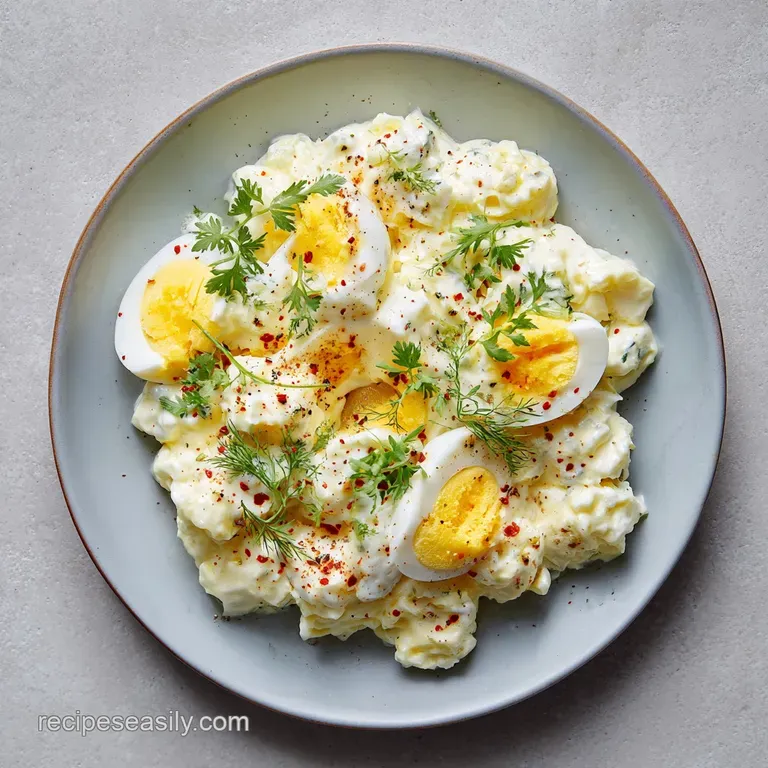
Even simple recipes have their traps. The most common heartbreak with a yogurt egg salad is ending up with a watery mess at the bottom of the bowl after an hour in the fridge.
Why Your Salad Turns Watery
Greek yogurt has a higher water content than mayo. If you add "wet" ingredients like warm eggs or freshly washed (but not dried) celery, the salt will pull even more moisture out of those ingredients, creating a puddle.
To prevent this, always ensure your eggs are completely cold and your celery is patted bone dry before mixing.
| Problem | Root Cause | Solution |
|---|---|---|
| Rubber Whites | Water boiled too long | Use the "off heat" soaking method. |
| Green Yolks | Overcooked eggs | Stick strictly to the 10 minute timer. |
| Bland Flavor | Not enough acid | Add an extra squeeze of lemon or more Dijon. |
Common Mistakes Checklist
- ✓ Never skip the ice bath; it stops the cooking process instantly.
- ✓ Don't use "Greek Style" yogurt ensure it is true strained Greek yogurt for the thickness.
- ✓ Avoid over mixing; you want distinct chunks of egg, not a puree.
- ✓ Check the age of your eggs; super fresh eggs are a nightmare to peel.
- ✓ Season at the very end to ensure the salt balance is perfect for your palate.
Diet Adaptations and Smart Swaps
This recipe is naturally high in protein and vegetarian friendly, but you can easily tweak it to fit other lifestyle needs without losing that signature "creamy greek yogurt egg salad" appeal.
If you are looking for a Low Carb or Keto version, stick to the recipe as written but serve it in large butter lettuce leaves or hollowed out bell peppers instead of bread. The Greek yogurt already keeps the carb count low, but make sure your mustard doesn't have added sugars.
For a Mediterranean twist, you can fold in some chopped kalamata olives and a sprinkle of dried oregano. This version pairs beautifully with a side of pita. If you're looking for another light, high protein lunch idea to rotate with this one, my Easy Tuna Salad for Sandwiches is a fantastic 10 minute option that uses similar principles of freshness.
Storage Rules and Reheating Tips
Because this recipe uses yogurt instead of mayo, it has a slightly shorter shelf life in terms of texture, though it remains safe to eat. For the best experience, store it in an airtight glass container in the fridge.
According to the FoodKeeper Website or App (FoodSafety.gov), hard boiled eggs and salads containing them should be consumed within 3 to 4 days for peak quality. I find that this yogurt version is best within 48 hours. After that, the yogurt may begin to release a little whey (the clear liquid).
If this happens, just give it a quick, gentle stir before serving.
Do not freeze this salad. Eggs become incredibly rubbery and tough when frozen and thawed, and the yogurt base will break and become grainy. This is strictly a "make and eat" fresh kind of dish!
Serving and Presentation Ideas
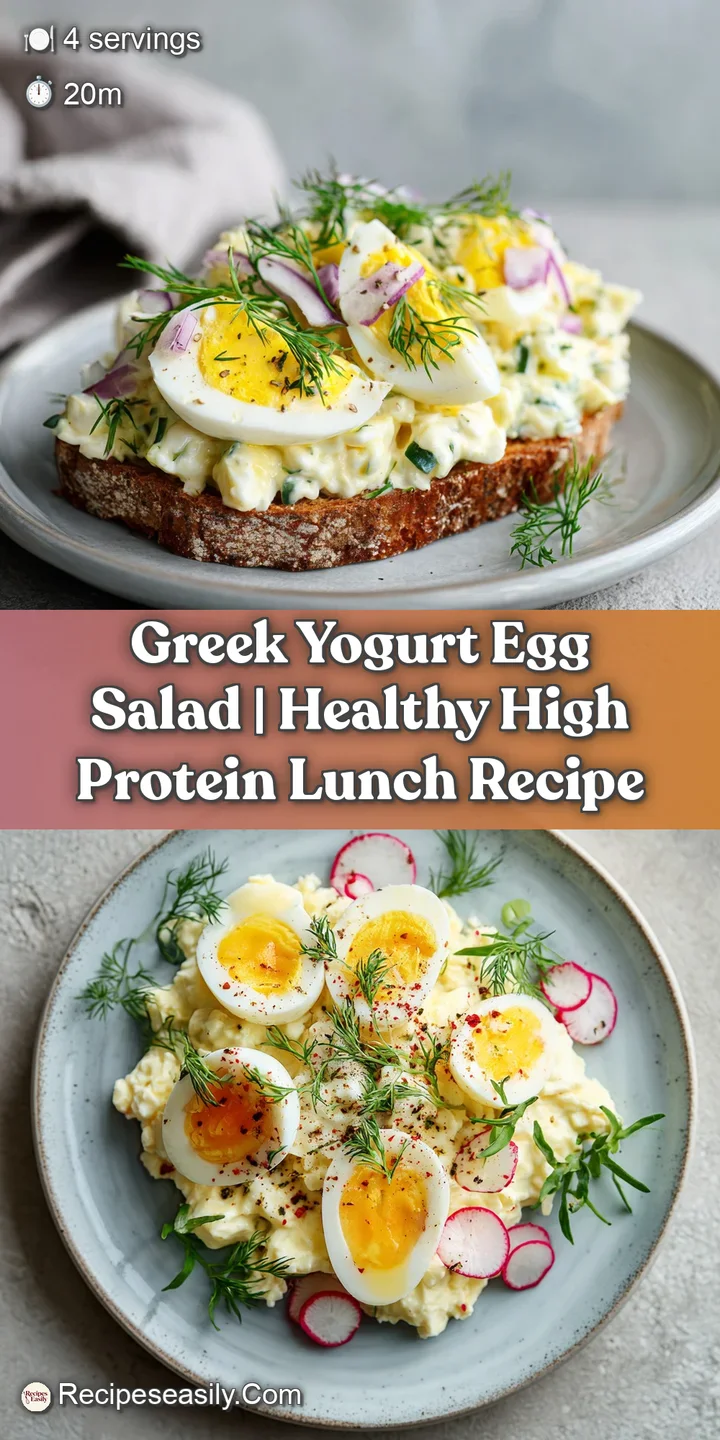
The way you serve this can take it from a "sad desk lunch" to a "healthy lunch idea" that feels like a treat. If you're going for the classic High Protein Sandwich, toast a couple of slices of sprouted grain bread. The warmth of the toast against the cold salad is a total winner.
Add a thick slice of heirloom tomato and some sprouts for a crunch that won't quit.
For a lighter Lunch Bowl, scoop the salad over a bed of mixed greens or arugula. The peppery bite of arugula works so well with the creamy yogurt. Top it with an extra dusting of smoked paprika and a few more fresh chives to make it look "restaurant ready."
If you’re hosting a brunch, try serving small scoops on top of cucumber rounds. It's a low carb, elegant appetizer that looks way more expensive than it actually is. It's basically the cousin to the Best Eggs Florentine Recipe — both are sophisticated ways to celebrate the humble egg!
Kitchen Myths Debunked
One common myth is that adding vinegar to the boiling water makes eggs easier to peel. In reality, the age of the egg and the "thermal shock" of going from boiling water to an ice bath are the only things that truly matter.
The vinegar might help if an egg cracks (it whites coagulate faster), but it won't help the shell slide off.
Another misconception is that you need mayonnaise for a "real" egg salad flavor. The truth is that mayo is mostly oil and egg yolk; by using Greek yogurt and Dijon, you're just providing the fat and emulsifiers in a different, tangier form.
You aren't losing flavor; you're just shifting the profile to something more sophisticated.
Scaling for a Crowd
If you're making this for a big family brunch, it scales beautifully, but you have to watch your seasonings.
- Scaling Up (2x): For 16 eggs, you don't need to double the salt or paprika immediately. Start with 1.5x the amount and taste. You can always add more, but you can't take it out!
- Scaling Down (0.5x): For a solo lunch, use 4 eggs. Since 0.25 cup of yogurt is a small amount, make sure you whisk the dressing in a smaller bowl first so it doesn't just get lost on the sides of a giant one.
Storage and Zero Waste
Don't let any part of your ingredients go to waste! If you have leftover chives, you can freeze them in an ice cube tray with a little olive oil to drop into soups later. The celery leaves?
Don't throw them away they have a concentrated celery flavor and are amazing chopped up and tossed into the salad right along with the stalks.
For storage, remember that eggs absorb odors. If you store your egg salad in a plastic container that once held onions or garlic, your salad might take on those flavors. Glass is always the best choice for maintaining that clean, fresh "healthy greek yogurt egg salad" taste we worked so hard to build.
Recipe FAQs
Can you use Greek yogurt instead of mayonnaise in egg salad?
Yes, it is a perfect substitute for a lighter, tangier profile. Ensure you use thick, strained Greek yogurt to maintain the proper consistency and prevent a runny salad.
Can you eat Greek yogurt and eggs together?
Yes, they are a nutritious and complementary pairing. The creaminess of the yogurt provides a healthy alternative to traditional fats while balancing the rich flavor of the yolks.
Can you make an egg sandwich with Greek yogurt?
Yes, this mixture makes an excellent sandwich filling. Because the texture is lighter than mayonnaise based versions, it pairs perfectly with toasted bread or crusty rolls for a satisfying lunch.
What are some common egg salad mistakes to avoid?
Avoid over mixing, skipping the ice bath, and using watery yogurt. If you enjoyed learning how to achieve the perfect creamy texture in this recipe, use that same whisking care when combining the yogurt and aromatics to keep the egg chunks distinct.
How to ensure easy peeling for the eggs?
Transfer the eggs immediately into an ice bath for 5 minutes after their 10-minute soak. This thermal shock pulls the egg white slightly away from the shell, making them much easier to peel under cold running water.
Is it true that I should boil the eggs for 20 minutes to be safe?
No, this is a common misconception. Boiling for 20 minutes will cause the yolks to turn rubbery and develop an unappealing green ring; stick to the 10-minute passive soak for the best results.
How to keep the salad fresh in the refrigerator?
Store in an airtight glass container for up to 48 hours. If you notice a little whey separating from the yogurt after storage, simply stir the mixture gently to restore its creamy consistency before serving.
Greek Yogurt Egg Salad
Ingredients:
Instructions:
Nutrition Facts:
| Calories | 171 kcal |
|---|---|
| Protein | 16.1 g |
| Fat | 10.5 g |
| Carbs | 3.1 g |
| Fiber | 0.4 g |
| Sugar | 1.5 g |
| Sodium | 529 mg |
