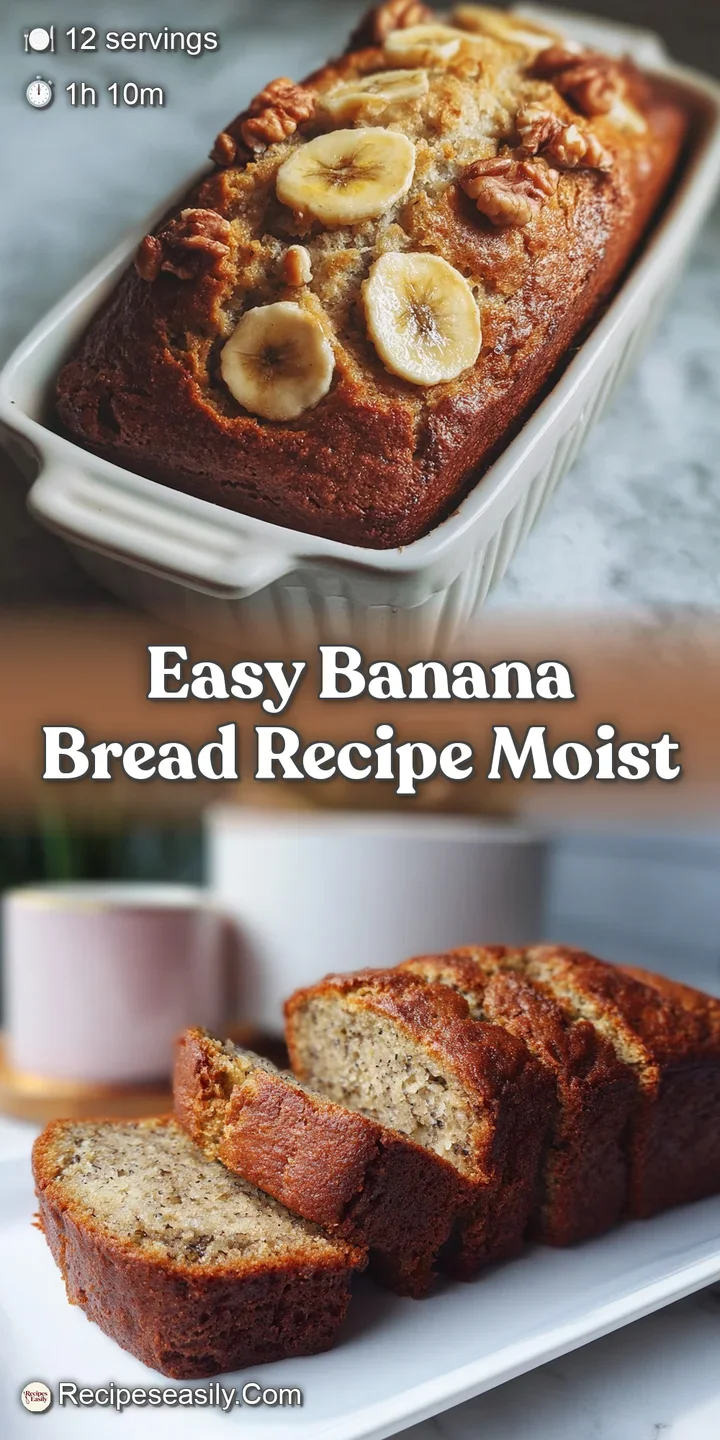
Easy Banana Bread Recipe Moist
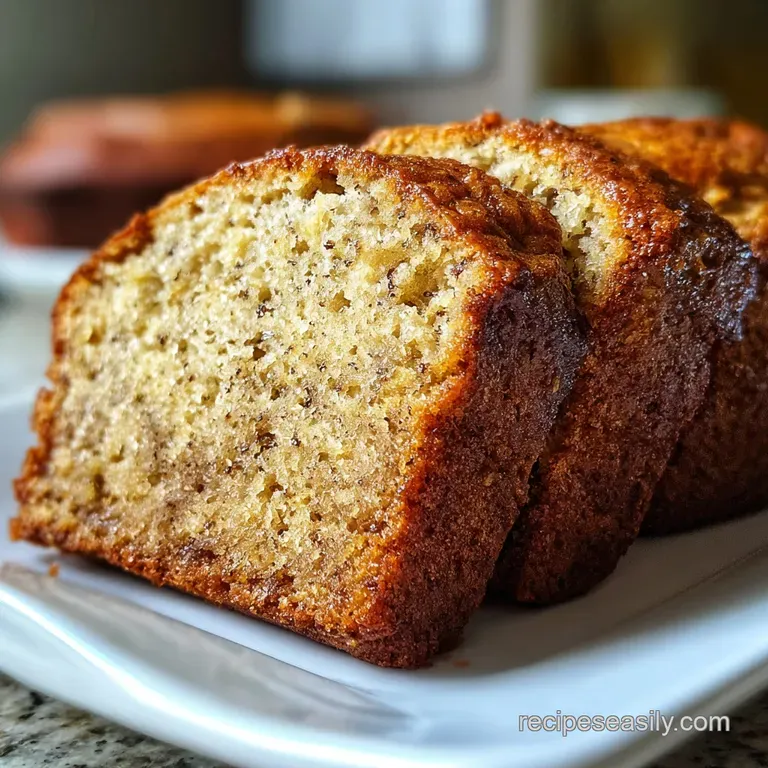
- Time: Active 10 minutes, Passive 1 hour, Total 1 hour 10 minutes
- Flavor/Texture Hook: A velvety, dense crumb with a golden, caramelized crust and deep vanilla banana notes.
- Perfect for: Lazy Sunday mornings, gifting to neighbors, or using up those black spotted bananas on the counter.
- The Ultimate Easy Banana Bread Recipe Moist
- Timing and Nutrition Specs
- Selecting Your Key Ingredients
- Necessary Tools for Baking
- Mixing and Baking the Loaf
- Troubleshooting Your Banana Bread
- Delicious Variations to Try
- Storage and Zero Waste Tips
- Perfect Toppings and Pairings
- Recipe FAQs
- 📝 Recipe Card
The Ultimate Easy Banana Bread Recipe Moist
The air in my kitchen right now is thick with the scent of toasted walnuts and bubbling sugar, and honestly, it’s the best kind of therapy. There is something so incredibly grounding about taking those sad, blackened bananas that everyone has been ignoring for a week and turning them into something that makes the whole house feel like a cozy bakery.
I remember a particularly rainy Tuesday last November when everything seemed to be going wrong, but the rhythmic mashing of bananas and the sizzle of butter melting on the stove completely turned my mood around.
We’ve all been there you try a recipe and it looks great in the oven, but ten minutes after you slice it, it’s as dry as a desert. That’s why I obsessed over this specific version. I wanted a loaf that didn't just taste good when it was warm, but stayed tender and bouncy even on day three.
Through a lot of trial and error (and many loaves that ended up as bird food), I discovered that the balance of fats is the secret key.
You are going to love how effortless this is. There is no heavy machinery required just a couple of bowls, a fork for mashing, and a little bit of patience while that golden loaf bakes. It’s a reliable, no fuss method that delivers a high reward snack every single time.
Trust me on this one, your kitchen is about to become everyone's favorite place to be.
The Dual Fat Moisture Secret
Structural Synergy: Butter provides the classic savory aroma and helps the crust shatter slightly, while neutral oil remains liquid at room temperature to keep the crumb velvety for days. This combination prevents the "staling" effect common in butter only recipes.
| Method | Texture Result | Best For |
|---|---|---|
| Standard Loaf Pan | Dense, velvety, even crumb | Classic thick slices with butter |
| Mini Loaf Pans | Crispy edges on all sides | Quick baking and individual gifts |
| Muffin Tin | High dome, soft centers | On the-go breakfast and kids |
Choosing the right baking vessel changes the sensory experience significantly. While the standard loaf provides that iconic, heavy slice we all crave, the mini loaves increase the surface area for that caramelized "top" flavor.
If you choose muffins, you'll want to reduce your bake time to about 20 minutes to prevent them from drying out.
Timing and Nutrition Specs
Precision matters when you’re aiming for that perfect rise and a center that isn't gummy. We are aiming for a total time of 1 hour 10 minutes, with the bulk of that being hands off time while you enjoy the aroma.
I’ve found that using room temperature ingredients, especially the egg, makes a massive difference in how the fats emulsify.
| Ingredient | Science Role | Pro Secret |
|---|---|---|
| Overripe Bananas | Sugar and Hydration | Use bananas with black skins for maximum natural syrup content. |
| Light Brown Sugar | Molasses Moisture | Pack it tightly to ensure the humectant properties keep the bread soft. |
| Baking Soda | Chemical Leavening | Reacts with the acidity in bananas to create a lofty, airy lift. |
When you look at the ingredients, they seem simple, but they are working hard behind the scenes. The light brown sugar isn't just for sweetness; it contains molasses, which is a natural humectant that grabs onto moisture and doesn't let go.
That’s a huge part of why this easy banana bread recipe moist actually stays that way.
Selecting Your Key Ingredients
Before you start, take a look at your bananas. If they still have green on the stems, wait another day. You want them covered in brown spots or even completely black. This is when the starches have fully converted to sugar, creating that intense, fruity depth that no extract can mimic.
- 3 large overripe bananas (375g): These provide the primary flavor and bulk. Why this? Overripe fruit is easier to mash and has higher liquid sugar content.
- 1/4 cup unsalted butter, melted: Adds a rich, creamy depth. Why this? Melted butter distributes more evenly than softened butter in this quick bread method.
- 1/4 cup neutral oil: Keeps the loaf moist at room temperature. Why this? Unlike butter, oil doesn't solidify as much, keeping the bread soft.
- 3/4 cup light brown sugar: For sweetness and a hint of caramel. Why this? Brown sugar adds more moisture than white granulated sugar.
- 1 large egg: The binder that holds the structure together. Why this? Room temperature eggs incorporate better into the fats.
- 1 tsp pure vanilla extract: For that nostalgic, floral aroma.
- 1 1/2 cups all purpose flour: The structural backbone.
- 1 tsp baking soda: The lift that prevents a "brick like" texture.
- 1/2 tsp kosher salt: To balance the intense sweetness.
- 1/2 tsp ground cinnamon: For a warm, spiced undertone.
- 1/2 cup walnuts or chocolate chips: Completely optional, but highly recommended for texture.
| Original Ingredient | Substitute | Why It Works |
|---|---|---|
| Unsalted Butter | Coconut Oil (melted) | Similar fat profile. Note: Adds a subtle tropical flavor to the loaf. |
| Light Brown Sugar | Dark Brown Sugar | Higher molasses content. Note: Results in a darker, richer, and slightly moister loaf. |
| All Purpose Flour | 1:1 gluten-free Blend | Rice/starch blends mimic wheat. Note: May result in a slightly grittier texture. |
Using the right substitutions can save a recipe when you're mid bake and realize the pantry is bare. If you opt for the dark brown sugar, you'll notice a more intense "toffee" note which I personally love during the colder months.
Just be careful not to over substitute too many items at once, or the chemistry might shift.
Necessary Tools for Baking
You don't need a fancy stand mixer for this one in fact, I prefer doing it by hand to make sure I don't overwork the batter. A simple 9x5 inch loaf pan is the gold standard here. If you use a glass pan, keep in mind that it holds heat differently than metal, often resulting in a darker crust.
| Feature | Fresh Bananas | Microwave "Ripened" |
|---|---|---|
| Sugar Content | Very high and complex | Moderate, lacks deep caramelization |
| Texture | Silky and syrupy | Slightly starchy or chunky |
| Flavor | Deep, fermented notes | Mild banana flavor |
While you can technically "ripen" bananas in the microwave by heating them for 30 seconds, it’s a shortcut that comes with a trade off. The microwave breaks down the cell walls so they are soft enough to mash, but it doesn't give the enzymes enough time to truly convert the starches into the complex sugars that make a world class loaf.
If you can wait for nature to do the work, the flavor payoff is significant.
Mixing and Baking the Loaf
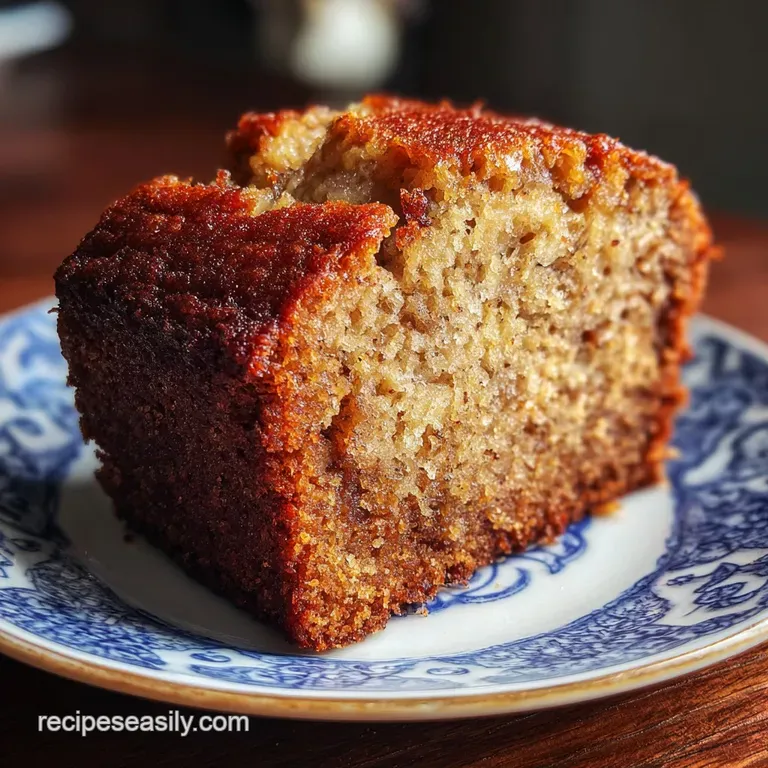
Right then, let's get into the flow of it. I like to have everything measured out before I start mashing. It makes the whole process feel calm and intentional.
- Preheat the oven to 350°F and grease your 9x5 inch loaf pan thoroughly with butter or non stick spray.
- Mash the bananas in a large mixing bowl using a sturdy fork or a potato masher until mostly smooth with a few small lumps. Note: Those tiny lumps become little pockets of intense banana flavor.
- Whisk the fats by pouring the 1/4 cup melted butter and 1/4 cup oil into the bananas.
- Incorporate the sugar by stirring in the 3/4 cup light brown sugar, the egg, and the vanilla extract.
- Mix the wet baseuntil the mixture looks glossy and emulsified.
- Sift the dry ingredients directly over the wet mix: 1 1/2 cups flour, baking soda, salt, and cinnamon.
- Fold the batter gently using a spatula. Stop as soon as no white streaks remain. Note: Overmixing activates gluten and makes the bread tough.
- Add the extras like walnuts or chocolate chips if you’re feeling fancy, folding them in with just two or three strokes.
- Bake the loaf for 1 hour. Test with a skewer until it comes out clean.
- Cool the bread in the pan for 10 minutes before moving it to a wire rack to prevent the bottom from steaming.
Chef's Note: If you notice the top of your loaf is browning too quickly at the 40 minute mark, simply tent a piece of aluminum foil loosely over the top. This allows the center to finish cooking without burning the beautiful golden crust.
Troubleshooting Your Banana Bread
Even the most seasoned bakers run into a "sunken center" or a "dry crumb" every now and then. Usually, these issues come down to temperature or timing. If your loaf feels heavy, you might have been a bit too enthusiastic with the mashing or mixing.
Why Your Bread Sunk
If your loaf looked beautiful in the oven but collapsed as it cooled, it’s usually because it was underbaked in the very center. The steam inside provides structure while it's hot, but once that steam cools, the undercooked batter can't hold the weight.
Always use a long wooden skewer to check the deepest part of the loaf.
Why Your Loaf is Dry
Surprisingly, a dry loaf often happens because of "over measuring" the flour. If you scoop your measuring cup directly into the flour bag, you pack it down and end up with much more than 190 grams. Use the "spoon and level" method or, better yet, a digital scale for total accuracy.
| Problem | Root Cause | Solution |
|---|---|---|
| Sunken Center | Oven door opened too early | Keep the door shut until at least 45 minutes of baking. |
| Tough Texture | Overmixing the batter | Use a spatula, not a whisk, for the dry ingredients. |
| Burned Bottom | Pan too close to heat | Move the oven rack to the center position. |
Common Mistakes Checklist
- ✓ Check that your baking soda is fresh (drop a pinch in vinegar; it should fizz violently).
- ✓ Use a room temperature egg to ensure it bonds properly with the butter and oil.
- ✓ Don't skip the 10 minute resting period in the pan; it helps the structure set.
- ✓ Avoid using bananas that are just "yellow" they must have brown spots for moisture.
- ✓ Ensure your oven is actually at 350°F by using an external oven thermometer.
Delicious Variations to Try
One of the best things about this easy banana bread recipe moist is how adaptable it is. Once you have the base down, you can treat it like a canvas. I often look at what’s lingering in my pantry and toss it in.
The Coffee House Upgrade
To get that professional bakery vibe, add 1 tablespoon of instant espresso powder to the dry ingredients and 1/2 cup of dark chocolate chips. The coffee doesn't make it taste like a latte; instead, it deepens the chocolate and banana flavors, making them taste much more "grown up" and complex.
The Tropical Twist
Swap the neutral oil for extra virgin coconut oil and the walnuts for toasted macadamia nuts. If you have shredded coconut, throw a handful into the batter. This version smells like a vacation and is particularly good when toasted and smeared with a little salted butter.
- For a crunchier top
- Sprinkle a tablespoon of turbinado (coarse) sugar over the batter before it goes into the oven.
- For a deeper flavor
- Brown the butter in a saucepan before adding it to the mash.
- For a healthier profile
- Replace half the all purpose flour with whole wheat pastry flour for added fiber without too much density.
Storage and Zero Waste Tips
Banana bread is one of those rare foods that tastes even better the next morning. As it sits, the moisture from the bananas migrates through the loaf, evening out the texture.
- Room Temp
- Keep in an airtight container for up to 3 days. I like to put a paper towel in the container to absorb any excess surface moisture.
- Fridge
- It will last about a week, but the cold can make the butter in the recipe firm up, so always reheat your slice.
- Freezer
- This bread freezes beautifully for up to 3 months. Slice it first, then wrap individual slices in plastic wrap so you can grab one whenever the craving hits.
Zero Waste Flourish: If you find yourself with half a loaf that has actually gone a bit stale (maybe you forgot it in the back of the pantry), do not throw it away! Stale banana bread makes the world's most incredible French toast.
Because it’s denser than regular bread, it soaks up the custard without falling apart, and the sugars caramelize in the pan for a crust that is truly life changing. You can also crumble dry pieces over vanilla ice cream for a quick "banana bread crumble" topping.
Perfect Toppings and Pairings
While a plain, warm slice is a masterpiece on its own, I’m a big fan of "dressing up" my snack. If I’m serving this to friends, I’ll often put out a little spread of options.
A swipe of softened cream cheese is the classic choice, providing a tangy counterpoint to the sweet, spiced bread. If you want something a bit more indulgent, a drizzle of warm salted caramel or a spoonful of almond butter takes it to a whole new level.
For a really cozy morning, I love serving a thick slice alongside a sharp, hot espresso or a milky Earl Grey tea.
The Science of the "Rest"
Internal Redistribution: During the 10 minutes the bread spends cooling in the pan, the carryover heat finishes cooking the very center while the steam softens the outer crust. Skipping this step often results in a loaf that crumbles the moment the knife hits it.
| Servings | Ingredient Adjustments | Pan Size | Cook Time |
|---|---|---|---|
| 6 People | Use 1.5 bananas, 1/2 egg, 3/4 cup flour | 4x4 Mini Pan | 35-40 mins |
| 12 People | 3 bananas, 1 egg, 1.5 cups flour | 9x5 Standard | 60 mins |
| 24 People | 6 bananas, 2 eggs, 3 cups flour | Two 9x5 Pans | 65 mins |
When you’re scaling up to two loaves, avoid placing the pans too close together in the oven. They need at least two inches of space between them for the hot air to circulate properly, otherwise, the sides facing each other will stay pale and soggy while the outer edges burn.
Banana Mashing Myths
There’s a common belief that you should mash your bananas until they are a completely liquid purée. In reality, leaving a few "pea sized" chunks actually helps the moisture profile.
Those little pockets of fruit don't fully integrate into the crumb, creating tiny, jam like bursts of flavor throughout the loaf. Also, don't worry about the "strings" (the phloem bundles) on the banana; they disappear completely during the bake, so there’s no need to meticulously pick them off.
Another myth is that you must use a mixer to get a "light" bread. Quick breads are not like sponge cakes; they don't rely on whipped air for their rise. They rely on the chemical reaction between the baking soda and the acidic bananas.
Using a mixer actually increases the risk of over developing the gluten, which leads to those tunnels you sometimes see inside a loaf. Keep it manual, keep it simple, and you’ll be rewarded with a velvety texture every time.
Recipe FAQs
What is the secret to moist banana bread?
Use a combination of butter and oil. Butter provides flavor and a slightly crisp crust, while neutral oil remains liquid at room temperature, keeping the crumb tender and moist for days.
What is the number one mistake when making banana bread?
Overmixing the batter after adding flour. This develops gluten too much, resulting in a tough, dense loaf. Gently fold until just combined.
How can I make my bread more moist?
Use very ripe, spotty bananas and brown sugar. Overripe bananas have more natural sugars and moisture, and brown sugar's molasses content acts as a humectant, retaining moisture.
What is Martha Stewart's magic ingredient for better banana bread?
Martha Stewart often emphasizes using very ripe, almost black bananas. This ensures maximum sweetness and moisture content, crucial for a flavorful and tender loaf.
Should I use fresh or frozen bananas?
No, stick with fresh. Frozen bananas release excess moisture when thawed, potentially making your batter too watery and affecting the final texture.
Why did my banana bread sink in the middle?
It was likely underbaked. The center needs to be fully cooked to support the loaf's structure as it cools. Test with a skewer; it should come out clean from the deepest part.
How can I ensure a good crust on my banana bread?
Bake at the correct temperature and don't over mix. Baking at 350°F and gently folding in the dry ingredients helps create a tender crumb and a golden, slightly crisp crust.
Moist Banana Bread Recipe
Ingredients:
Instructions:
Nutrition Facts:
| Calories | 214 kcal |
|---|---|
| Protein | 2.5 g |
| Fat | 9.0 g |
| Carbs | 31.5 g |
| Fiber | 0.8 g |
| Sugar | 16.1 g |
| Sodium | 195 mg |
