Southern Sweet Potato Cornbread: Moist and Velvety
- Time: Active 20 minutes, Passive 30 minutes, Total 50 minutes
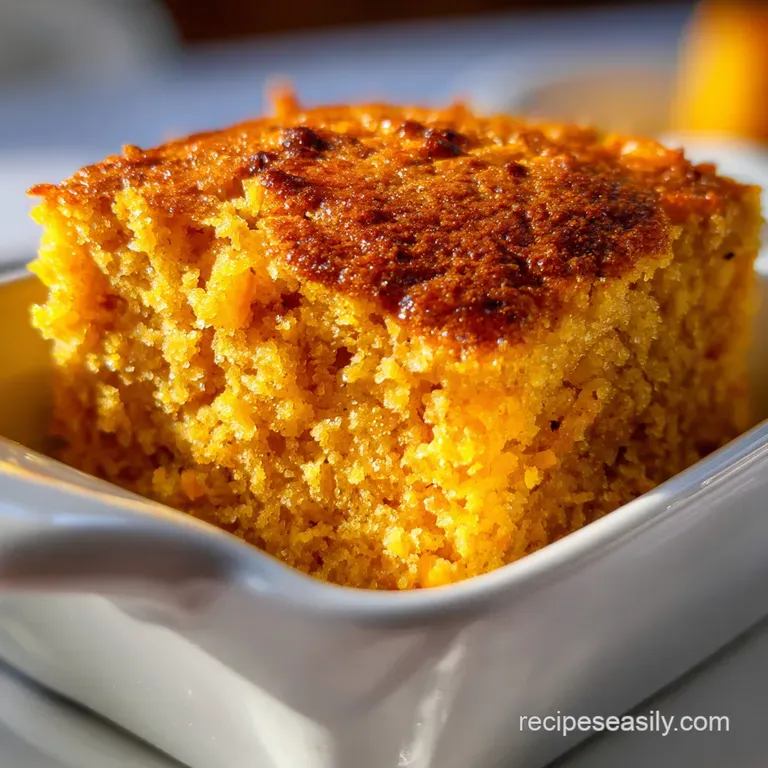
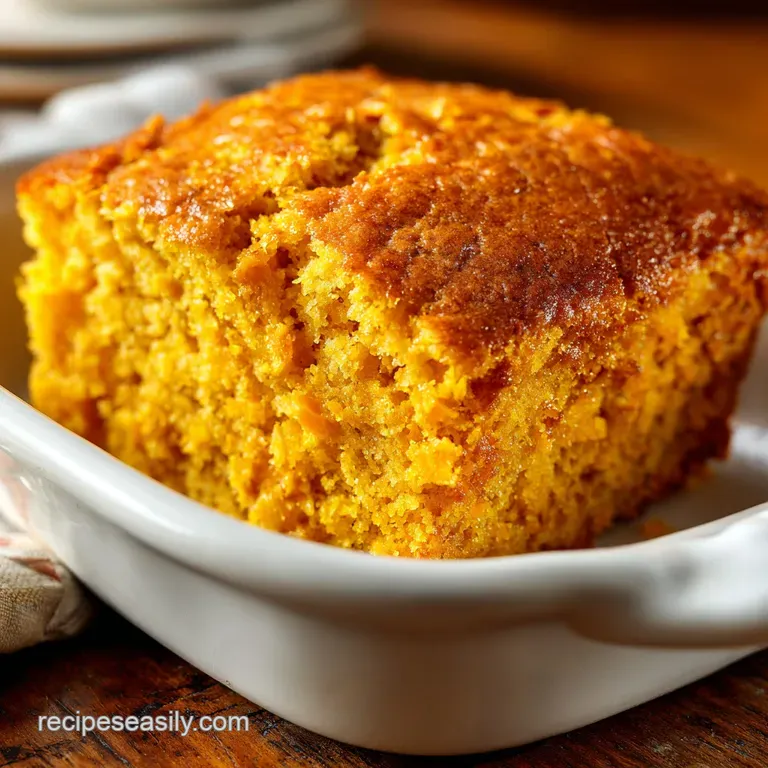
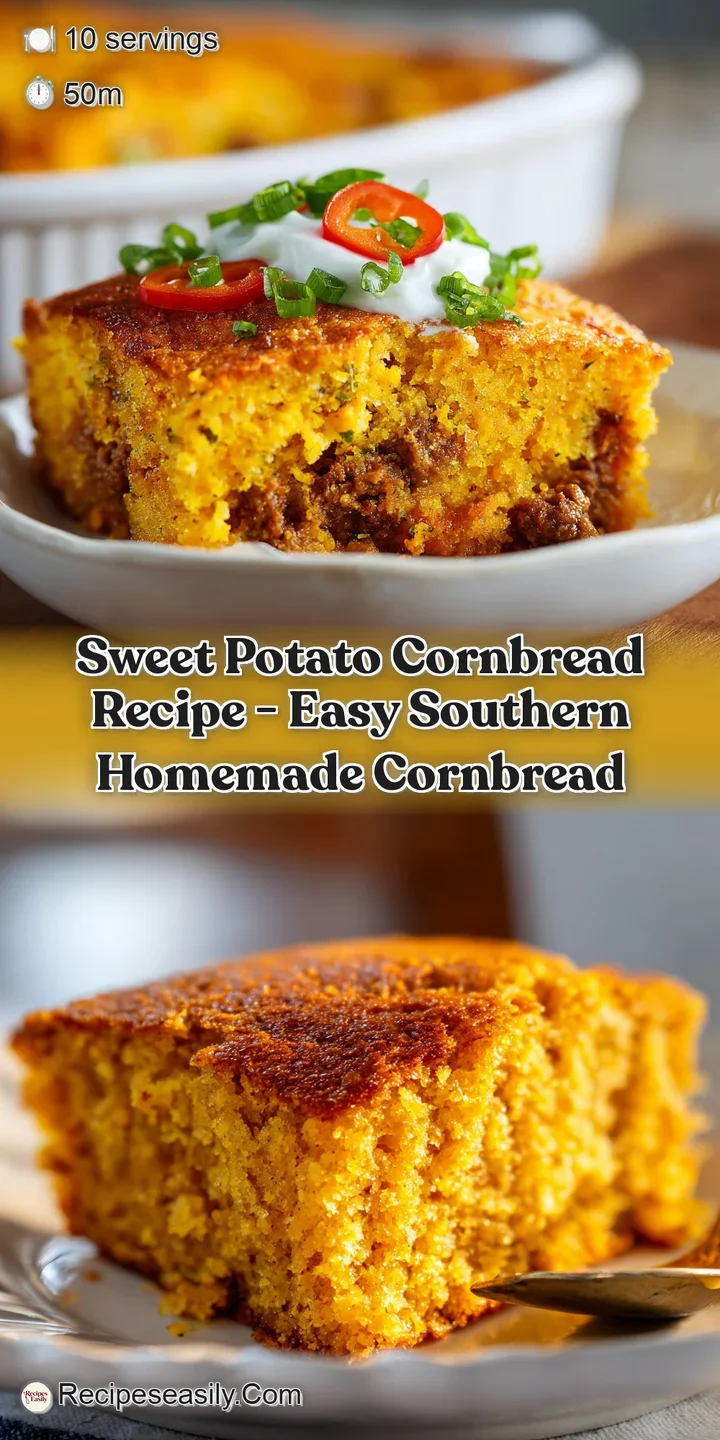
- Flavor/Texture Hook: Moist, velvety interior with a honey glazed, crispy exterior
- Perfect for: Holiday dinners, cozy Sunday soul food, or meal prep
- Crafting a Perfect Sweet Potato Cornbread Recipe
- Key Baking Techniques Explained
- Selecting the Best Specs
- The Essential Building Blocks
- Minimal Equipment for Success
- Bringing All Flavors Together
- Essential Troubleshooting Guide
- Exciting Flavor Variations
- Scaling the Recipe Sizes
- Make-Ahead Storage Tips
- The Perfect Complements
- Common Cornbread Myths
- Recipe FAQs
- 📝 Recipe Card
Crafting a Perfect Sweet Potato Cornbread Recipe
We have all been there. You sit down for a cozy dinner, reach for a golden square of cornbread, and it practically turns to dust the moment your teeth hit it. It is that sandy, parched texture that leaves you reaching for a glass of water before you can even swallow.
For a long time, I thought that was just the nature of cornmeal. I figured you either had to douse it in a gallon of honey or accept that cornbread was meant to be a dry vehicle for chili. But then I started experimenting with this sweet potato cornbread recipe, and everything changed.
The secret was not more oil or more butter, it was the humble sweet potato.
When you add roasted sweet potato to the batter, you are not just adding flavor. You are adding a structural miracle. The natural sugars and fibers in the potato act as a moisture magnet, keeping the crumb soft and tender for days. I remember the first time I pulled this out of my cast iron skillet.
The aroma of nutmeg and cinnamon filled the kitchen, and the edges were so crisp they literally shattered when I sliced into them. It was a revelation. This isn't just a side dish, it's the kind of food that makes people ignore the main course entirely.
This recipe is designed for the cook who wants a reliable, low stress win. We are using minimal tools, mostly just a couple of bowls and a whisk, so you won't be stuck at the sink all night.
Whether you are making this for a holiday crowd or just because you have a couple of potatoes sitting on your counter, I promise you this is the fix for every dry cornbread you have ever suffered through. Let's get into the details of why this actually works and how you can get that signature sizzle every single time.
Key Baking Techniques Explained
Why does this specific sweet potato cornbread recipe turn out so much better than the boxed stuff? It comes down to how we manage the relationship between moisture and structure. In a standard cornbread, the cornmeal often feels gritty because it doesn't have enough time or liquid to fully hydrate during the short bake.
By introducing 250g of roasted sweet potato puree, we are providing a slow release moisture source.
Starch Gelatinization: The starches in the sweet potato and cornmeal swell as they heat, trapping water and preventing the bread from drying out in the oven.
Leavening Synergy: The lactic acid in the 240ml of buttermilk reacts instantly with the 1 tablespoon of baking powder, creating tiny carbon dioxide bubbles for a light, airy lift.
The Thermal Shock: By pouring cold batter into a 200°C preheated cast iron skillet, we create an immediate sear on the bottom crust, which leads to that famous "shatter" texture.
Honey Sugar Balance: The 100g of granulated sugar provides sweetness, but the 2 tablespoons of honey in the batter act as a humectant, which means it physically pulls moisture from the air to keep the bread soft.
| Prep Component | Fresh Puree | Canned Puree | Why It Matters |
|---|---|---|---|
| Flavor Profile | Deep, toasted caramel notes | Flat, slightly metallic | Roasting develops natural sugars. |
| Texture | Thick, velvety, and dense | Often watery or loose | Fresh puree provides better structure. |
| Color | Vibrant, deep orange | Pale or muted orange | Fresh potatoes have more active pigments. |
Finding the right balance of ingredients is vital, especially when you are looking for that classic soul food profile. If you find yourself enjoying the process of making these corn based sides, you might also want to check out my Sweet Corn Pudding recipe which uses similar techniques to achieve a silky, custardy finish. Both recipes rely on understanding how corn starches behave when they are surrounded by high fat dairy and natural sweeteners.
Selecting the Best Specs
When you are planning your bake, knowing exactly how the size of your pan or the thickness of your batter affects the outcome will save you a lot of guesswork. I almost always use a 10 inch cast iron skillet for this recipe because it holds heat so efficiently.
If you use a glass baking dish, you won't get that same dark, crispy crust on the bottom, but the interior will still be incredibly moist.
One thing I learned the hard way is that not all sweet potatoes are created equal. You want to look for the ones with deep orange flesh, like Garnet or Jewel. These have a higher sugar content and a creamier texture than the pale, starchy varieties.
When you roast them at 200°C, the skins puff up and the insides become almost like a jam. That is the texture we are after.
| Skillet Size | Batter Depth | Bake Time | Serving Style |
|---|---|---|---|
| 9 inch | 2 inches | 35 minutes | Thick, cake like wedges |
| 10 inch | 1.5 inches | 30 minutes | Classic, balanced crust to crumb |
| 12 inch | 1 inch | 22 minutes | Extra crispy edges, thinner slices |
The timing is another critical spec. 30 minutes at 200°C is usually the sweet spot. If you go too long, the honey and sugar will start to burn, giving the crust a bitter taste.
If you pull it too early, the center will be gummy because of the high moisture content from the potatoes. You want to see the edges pulling away from the sides of the pan slightly, and the top should be a matte, golden orange color before you apply the final honey glaze.
The Essential Building Blocks
Every ingredient in this recipe has a job to do. We aren't just tossing things in a bowl for the sake of it. When you understand the "why" behind the 160g of cornmeal or the 115g of melted butter, you can start to feel more confident as a cook.
For example, the cinnamon and nutmeg aren't just for flavor, they actually enhance the perception of sweetness, allowing us to use less sugar than a traditional cake while still feeling like a treat.
| Ingredient | Science Role | Pro Secret |
|---|---|---|
| 160g Yellow Cornmeal | Provides the "grind" and structural grit | Use a medium grind for the best texture. |
| 240ml Full Fat Buttermilk | Tenderizes gluten and activates leavening | Shake the carton well to distribute the fat. |
| 250g Sweet Potato Puree | Acts as a moisture anchor and natural sweetener | Pass through a ricer for a completely silky crumb. |
| 115g Melted Butter | Inhibits gluten for a short, tender bite | Brown the butter first for a nutty, toasted aroma. |
The choice between granulated sugar and honey is also intentional. While the 100g of sugar gives us that crisp exterior, the honey adds a floral note that complements the earthiness of the sweet potato. If you are looking for another variation of this flavor profile, my Paula Deen Corn Casserole is a fantastic comparison point. While that casserole is much softer and more spoonable, this cornbread is designed to be sliced and held, making it a bit more versatile for the dinner table.
Minimal Equipment for Success
One of the reasons I love this recipe is that it doesn't require a stand mixer or any fancy gadgets. In fact, using a heavy mixer might actually ruin it by overworking the flour. All you really need is a large bowl for your dry ingredients, a medium bowl for the wet ones, and a sturdy whisk.
If you don't have a whisk, a large fork will work in a pinch, though it takes a bit more elbow grease to get the sweet potato puree fully smooth.
The most important piece of equipment is your baking vessel. While a standard cake pan works, a cast iron skillet is the gold standard here. The thick metal retains so much heat that the moment the batter hits the buttered surface, it begins to fry.
This creates a crust that is almost like a cracker, which provides a perfect contrast to the velvety interior. If you are using a 10 inch skillet, make sure it is seasoned well so the bread slides right out when you are ready to serve.
If you are cooking in a kitchen with very few tools, you can even mash the sweet potatoes with the back of a large spoon. You don't need a food processor or a blender. A few small lumps of sweet potato in the bread actually add a nice rustic charm and a burst of flavor.
Just make sure you've roasted them long enough (45-60 minutes) so they are completely soft to the core.
Bringing All Flavors Together
Now we get to the fun part: the actual assembly. The key to this process is speed and temperature. You want your wet and dry ingredients to meet only when the oven and the skillet are screaming hot. This ensures the baking powder doesn't lose its "oomph" before the heat of the oven can set the structure of the bread.
Step 1: Prep the Sweet Potato Gold
Start by roasting your sweet potatoes at 200°C. Do not boil them! Boiling introduces too much water and dilutes the flavor. Roast them whole in their skins until they are slumped and oozing sugar. Once cool enough to handle, peel them and mash 250g of the flesh until smooth.
Note: Roasting intensifies the natural sugars through caramelization.
Step 2: Heat the Skillet
While you are mixing, put your 10 inch cast iron skillet in the 200°C oven. You want that pan to be hot enough to sizzle when the batter touches it. This is the difference between a soggy bottom and a golden, crispy one.
Step 3: Whisk the Dry Foundations
In your large bowl, combine 150g all purpose flour, 160g yellow cornmeal, 100g granulated sugar, 1 tbsp baking powder, 1 tsp salt, 0.5 tsp cinnamon, and 0.25 tsp nutmeg. Whisk these together thoroughly to ensure the baking powder is evenly distributed.
Step 4: Emulsify the Wet Ingredients
In the medium bowl, whisk together the 250g sweet potato puree, 240ml buttermilk, 115g melted butter, 2 large eggs, and 2 tbsp honey. You want this to be one uniform, bright orange liquid. Whisk until no streaks of egg remain.
Step 5: The Gentle Fold
Pour the wet mixture into the dry ingredients. Use a spatula to fold them together. Stop the second you see no more dry flour. Overmixing will lead to a tough, rubbery texture.
Step 6: The Sizzling Pour
Carefully pull that hot skillet out of the oven. Add a tablespoon of butter and swirl it around until it stops foaming. Pour the batter in immediately. You should hear a distinct sizzle.
Step 7: The Golden Bake
Slide the skillet back into the 200°C oven. Bake for 30 minutes. You are looking for a toothpick to come out clean and the top to feel springy to the touch.
Step 8: The Honey Glaze
While the bread is hot, whisk together 3 tbsp melted butter, 2 tbsp honey, and a pinch of sea salt. Brush this generously over the top. The bread will drink up the butter, leaving a shiny, sticky honey glaze behind.
Essential Troubleshooting Guide
Even the best recipes can go sideways if the environment isn't quite right. The most common issue people face with sweet potato cornbread is a gummy center. This usually happens if the sweet potato puree was too watery or if the oven temperature wasn't accurate.
Always use an oven thermometer if you suspect your oven runs cool.
To Fix a Dry or Crumbly Interior
If your cornbread is falling apart, you likely overmeasured the cornmeal or overbaked the bread. Cornmeal doesn't have gluten, so it relies on the flour and eggs to hold everything together.
Next time, try spooning the cornmeal into your measuring cup rather than scooping it, which can pack the grains down and lead to using too much.
To Avoid a Gummy Center
A gummy center is the result of underbaking or using too much puree. Make sure you are using exactly 250g of puree. If you don't have a scale, that is roughly 1 cup, but weight is much more accurate. Also, ensure your buttermilk is at room temperature; cold buttermilk can slow down the bake time in the center.
| Problem | Root Cause | Solution |
|---|---|---|
| Bread is too dense | Overmixing the batter | Fold until just combined; lumps are fine. |
| Bottom is soggy | Cold skillet or no butter | Preheat the skillet until it is smoking hot. |
| Top is cracking | Oven too hot | Reduce heat by 10°C and tent with foil. |
Common Mistakes Checklist
- ✓ Never use canned yams in syrup; the extra sugar and liquid will ruin the chemistry.
- ✓ Don't skip the preheating of the skillet; it is the secret to the crust.
- ✓ Ensure your baking powder is fresh; if it's over 6 months old, the bread won't rise.
- ✓ Use full fat buttermilk; low-fat versions lack the viscosity needed for a velvety crumb.
- ✓ Let the bread rest for 10 minutes before slicing to allow the steam to set the internal structure.
Exciting Flavor Variations
Once you have mastered the base sweet potato cornbread recipe, you can start playing with the flavors to match your meal. This bread is incredibly versatile. If you are serving it with a spicy chili, you might want to lean into the savory side. If it's for a holiday brunch, extra spice and sweetness are the way to go.
For a Savory Kick
Fold in 50g of sharp cheddar cheese and a finely minced jalapeño (seeds removed) into the batter. The saltiness of the cheese cuts through the sweetness of the potato beautifully. You can also swap the cinnamon and nutmeg for half a teaspoon of smoked paprika for a deeper, earthier profile.
For Sweet Potato Cornbread Muffins
This batter works perfectly in a muffin tin. Grease the tins well and fill them about 3/4 full. Reduce the bake time to about 18 to 22 minutes at the same 200°C. These are perfect for lunchboxes or grab and-go snacks.
For a dairy-free Alternative
You can swap the buttermilk for 240ml of almond milk mixed with 1 tablespoon of lemon juice. Let it sit for 5 minutes before using. Use a high-quality vegan butter or melted coconut oil in place of the unsalted butter. The coconut oil adds a lovely tropical note that pairs well with the sweet potato.
Scaling the Recipe Sizes
If you are cooking for a huge crowd or just for two, you can easily adjust this recipe. Just remember that the pan size needs to change along with the ingredients to keep the bake time consistent.
To Double the Recipe: You will need two 10 inch skillets or one large 9x13 inch baking pan. When doubling, I suggest only using 1.5x the amount of cinnamon and nutmeg so the spices don't become overwhelming. The bake time for a 9x13 pan will be closer to 40 minutes.
To Halve the Recipe: Use 1 large egg (or beat an egg and use half). Use a 6 inch or 8 inch skillet. Since the batter will be thinner, start checking for doneness at the 20 minutes mark. Reduce the salt and baking powder by half exactly.
Scaling for Altitude: If you are at a high altitude, increase the buttermilk by 2 tablespoons and decrease the baking powder to 2 teaspoons. This prevents the bread from rising too quickly and then collapsing.
| Original Ingredient | Substitute | Why It Works |
|---|---|---|
| Buttermilk (240ml) | Plain Yogurt (240ml) | Provides similar acidity and fat for a tender crumb. |
| Granulated Sugar | Brown Sugar | Adds a deep molasses flavor. Note: Makes the bread darker. |
| All Purpose Flour | gluten-free Blend | 1:1 blends work well here due to the cornmeal structure. |
make-ahead Storage Tips
Sweet potato cornbread is one of those rare baked goods that actually tastes better the next day. The flavors of the spices and the sweet potato have time to meld, and the moisture redistributes throughout the loaf.
Storage: Wrap the cooled cornbread tightly in plastic wrap or store in an airtight container at room temperature for up to 3 days. If your kitchen is very warm, keep it in the fridge for up to a week. To revive it, just pop a slice in the toaster oven for a few minutes until the edges get crispy again.
Freezing: This bread freezes beautifully. Slice it into squares, wrap each square in parchment paper, and place them in a freezer bag. They will stay fresh for up to 3 months. Thaw at room temperature or microwave for 30 seconds for a quick treat.
Zero Waste Tip: If you find yourself with leftover, slightly stale cornbread, don't throw it out! Cut it into cubes and toast them in a low oven to make sweet potato cornbread croutons. They are incredible on top of a roasted squash soup or a kale salad.
You can also crumble the leftovers and use them as a base for a unique Southern style dressing.
The Perfect Complements
What you serve with this sweet potato cornbread recipe is just as important as the bread itself. Because it has that hint of spice and sweetness, it pairs naturally with smoky, salty, and savory foods.
The most classic pairing is a big pot of collard greens or slow cooked black eyed peas. The bread is sturdy enough to soak up the "pot liquor" (the flavorful liquid left over from cooking greens) without falling apart. It also goes amazingly well with fried chicken or a smoky rack of ribs.
The sweetness of the potato acts as a foil to the salty crust of the meat.
For a more modern approach, serve a warm wedge with a dollop of salted whipped cream or a scoop of vanilla bean ice cream. It sounds wild, but it’s basically a rustic cake. If you want to keep it strictly as a side dish, try it alongside a spicy turkey chili.
The cinnamon in the bread mirrors the spices often found in chili, creating a very cohesive meal. No matter how you serve it, this bread is guaranteed to be the star of the table.
Common Cornbread Myths
There are a lot of "rules" out there about what makes authentic cornbread, but many of them are just myths that have been passed down for generations.
Myth: Sugar has no place in cornbread. While traditional Southern cornbread is often savory, sweet potato versions have always leaned into the sweetness of the tuber. Adding sugar isn't "wrong," it's just a different style that highlights the earthy notes of the potato.
Myth: You must use a cast iron skillet. While I highly recommend it for the best crust, you can make a perfectly delicious sweet potato cornbread recipe in a cake pan or even a muffin tin. The flavor and moisture will still be there, even if the bottom isn't quite as shattered.
Myth: Canned sweet potatoes are the same as fresh. As we discussed in the science section, canned potatoes are often packed in syrup or are a different variety altogether. Roasting your own fresh potatoes is the single biggest thing you can do to ensure a high-quality result.
It's an extra step, but the flavor payoff is massive.
Recipe FAQs
Is sweet potato cornbread healthy?
It depends on your dietary goals. While it contains nutritious sweet potato puree, the recipe includes sugar, honey, and butter, making it a calorie dense treat at 343 kcal per serving.
What is the secret to moist cornbread?
Use room temperature buttermilk and roasted puree. Ensuring your wet ingredients are emulsified prevents a dry crumb, and roasting the potatoes rather than boiling preserves the starch structure needed for moisture.
Are sweet potatoes ok for diabetics?
Consult your healthcare provider regarding portion sizes. Sweet potatoes are a complex carbohydrate, but they do impact blood glucose levels, especially when combined with the sugar, honey, and flour in this recipe.
What is Dolly Parton cornbread?
No, this is a common misconception. Dolly Parton's famous cornbread style typically refers to a classic Southern skillet preparation, whereas this specific recipe is a distinct variation featuring roasted sweet potato puree.
How to ensure the edges are crispy?
Place your 10 inch cast iron skillet in the oven while it preheats to 400°F. When you pour the batter into the smoking hot greased skillet, the immediate contact heat creates that essential golden crust. If you enjoy mastering these silky texture principles, you will find the same heat management logic useful when preparing other starch based sides.
How to fix overmixed batter?
Unfortunately, there is no way to fix overmixed batter once the flour proteins have developed. To avoid this, always fold the wet and dry ingredients using a silicone spatula just until streaks of flour disappear.
How to store leftovers?
Keep in an airtight container at room temperature for two days or refrigerate for up to one week. For the best texture, reheat individual slices in a warm oven until the butter and honey glaze softens again.
Sweet Potato Cornbread
Ingredients:
Instructions:
Nutrition Facts:
| Calories | 343 kcal |
|---|---|
| Protein | 5.6 g |
| Fat | 15.3 g |
| Carbs | 47.3 g |
| Fiber | 1.5 g |
| Sugar | 19.8 g |
| Sodium | 425 mg |
