Old Fashioned Angel Biscuits: Fluffy and Golden
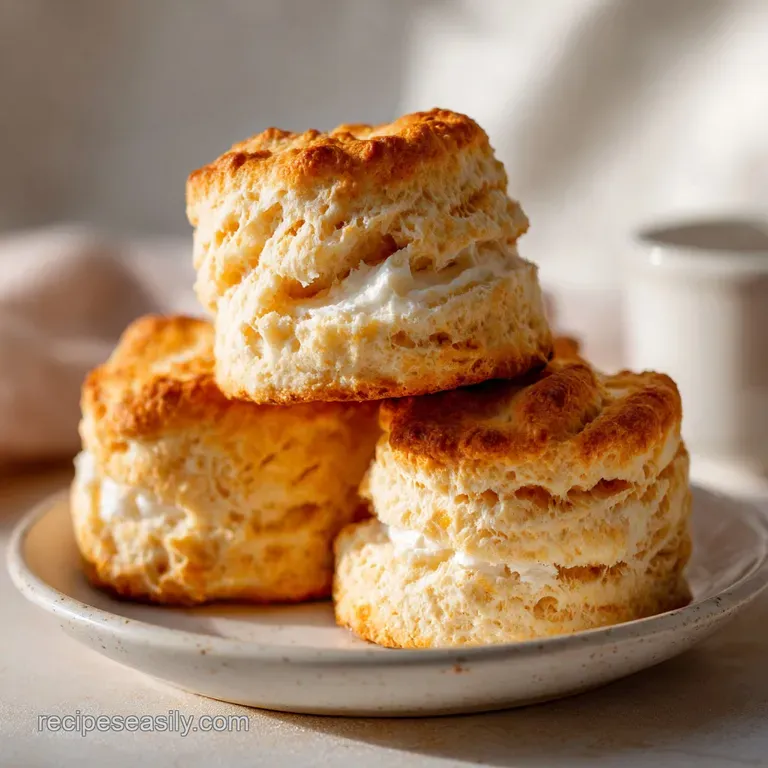
- Time: 15 min active + 1 hour rising = Total 1 hours 30 mins
- Flavor/Texture Hook: Velvety soft interior with a honey glazed golden crust
- Perfect for: Holiday dinners, Sunday brunch, or a comforting side for stew
The smell of warm yeast and melted honey hitting a hot oven is basically a hug in scent form. I remember the first time I tried these at a family gathering in Georgia. I expected a standard dinner roll, but when I tore one open, it didn't just pull apart, it practically floated.
It had this airy, almost ethereal quality that made the heavy gravy on the plate feel balanced.
I'll be honest, my first attempt at home was a disaster. I didn't chill my butter, and I rushed the rise. I ended up with something that looked more like a flat pancake than a biscuit. But once I figured out the timing and the temperature, it all clicked. This angel biscuits recipe southern yeast rolls approach is all about that double action lift, giving you the best of both worlds.
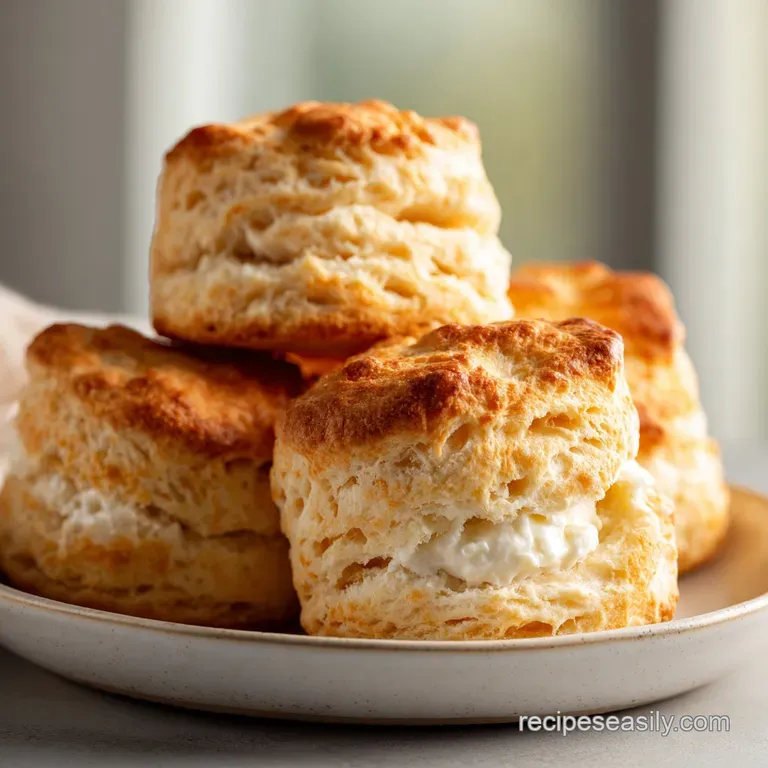
You're going to end up with something that is velvety on the inside and has a slight, honey kissed shimmer on the outside. It's not as dense as a traditional biscuit and not as chewy as a standard roll. It's right in that sweet spot of comfort food that makes people ask for your secret.
Angel Biscuits Recipe Southern Yeast Rolls Guide
The magic here is what I call the "Triple Lift." Most breads rely on just yeast. Most biscuits rely on just baking powder and soda. These rolls use all three. The yeast provides that deep, fermented flavor and a slow rise, while the baking powder and soda kick in the moment they hit the heat of the oven, pushing the dough upward for a final burst of height.
Because we're using buttermilk, the acidity reacts with the baking soda to create immediate carbon dioxide bubbles. This is why they feel so light. If you use regular milk, you lose that specific chemical reaction, and the texture becomes more like a standard bun.
Trust me, stick with the buttermilk for that authentic Southern tang.
To make sure your yeast is actually alive, I always recommend checking the "foamy" stage. If your buttermilk and yeast mixture doesn't look like the top of a latte after 10 minutes, your yeast might be dead. You can check a guide on yeast activation to make sure your environment is warm enough for the microbes to wake up.
The Secret To Heavenly Lift
Dual Leavening: Yeast creates the initial structure, while baking powder provides a secondary boost during baking.
Acidic Activation: Buttermilk reacts with baking soda to create immediate air pockets.
Cold Fat Pockets: Chilled butter creates tiny steam vents as it melts, leading to a flaky, velvety interior.
Controlled Kneading: Light handling prevents too much gluten from forming, keeping the rolls tender.
| Method | Time | Texture | Best For |
|---|---|---|---|
| Standard Oven | 1 hours 30 mins | Airy and uniform | Large batches, holiday meals |
| Cast Iron Skillet | 1 hours 40 mins | Crispy bottom, soft top | Small batches, rustic look |
Right then, let's look at what's happening inside the ingredients. Most people just see flour and butter, but there's a specific role for every single item in this bowl.
Quick Recipe Breakdown
| Ingredient | Science Role | Pro Secret |
|---|---|---|
| Buttermilk | Provides acidity for soda | Use full fat for a richer crumb |
| Active Dry Yeast | Biological lift and flavor | Warm to 110°F, not boiling |
| Chilled Butter | Creates steam layers | Cube and freeze for 5 mins |
| Honey | Moisture and browning | Brush on warm, not hot, rolls |
Everything You Will Need
For the dough: - 1 cup warm buttermilk Why this? Adds tang and reacts with baking soda (Substitute: 1 cup milk + 1 tbsp lemon juice) - 2 tbsp granulated sugar Why this? Feeds the yeast (Substitute: Honey) - 2 ¼ tsp active dry yeast
Why this? Primary lift agent (Substitute: Instant yeast, skip the foamy wait) - 3 cups all purpose flour Why this? Standard protein for structure (Substitute: Bread flour for more chew) - 1 tbsp baking powder Why this? Chemical
Lift (Substitute: 3 tsp baking soda + 3 tsp cream of tartar) - ½ tsp baking soda Why this? Reacts with buttermilk (Substitute: More baking powder) - 1 tsp fine sea salt Why this? Tightens gluten and tastes better (Substitute: Kosher salt) -
½ cup unsalted butter, chilled and cubed Why this? Flakiness (Substitute: Chilled shortening)
For the finishing touch: - 3 tbsp unsalted butter, melted Why this? Glossy finish (Substitute: Melted margarine) - 1 tbsp honey Why this? Subtle sweetness (Substitute: Maple syrup)
Essential Kitchen Tools
You don't need a professional bakery setup for this. A large mixing bowl and a sturdy spoon will do most of the work. If you have a pastry cutter, it makes integrating the butter much faster, but your fingertips work just as well.
I highly recommend using a 2 inch circular biscuit cutter. If you use a glass, remember not to twist it. Twisting the cutter seals the edges of the dough, which prevents the rolls from rising upward. Press straight down and pull straight up.
Finally, get some parchment paper. These rolls have a bit of sugar and honey, which can stick to a baking sheet. A lined pan ensures they slide right off without tearing the bottoms.
Step by step Guide
Whisk together the warm buttermilk, sugar, and yeast in a mixing bowl. Let it sit for 5-10 minutes until foamy and bubbling. Note: This proves the yeast is active.
Sift together the flour, baking powder, baking soda, and salt. Note: Sifting prevents clumps of baking soda from leaving bitter spots.
Gradually stir the yeast mixture into the dry ingredients. Use a spoon until a shaggy dough forms.
Use a pastry cutter or your fingers to work the chilled cubed butter into the dough. Stop until it resembles coarse crumbs with a few pea sized lumps of butter remaining.
Turn the dough onto a lightly floured surface. Knead lightly for about 2 minutes, then place in a greased bowl. Cover and allow to rise for 1 hour until doubled in size.
Roll out the dough on a floured surface to about 1 inch thickness. Use a 2 inch circular cutter to cut the biscuits. Note: Do not twist the cutter.
Place the rolls on a parchment lined rimmed baking sheet. Bake for 15 minutes until the tops are golden and they sound hollow when tapped.
Brush the warm biscuits immediately with the melted butter and honey mixture until they have a glossy sheen.
Fixing Common Biscuit Issues
If your rolls didn't turn out quite right, don't toss them. Most issues come down to temperature or handling. The most common culprit is usually the butter melting too early in the process.
Heavy Biscuit Texture
This usually happens if you over kneaded the dough. When you work the dough too much, you develop too much gluten, which turns a tender roll into a chewy piece of bread. Next time, stop kneading the second the dough comes together.
No Rise Issues
If your rolls stayed flat, the yeast might have been killed by buttermilk that was too hot, or the environment was too cold. Ensure your buttermilk is warm to the touch, but not steaming.
| Problem | Root Cause | Solution |
|---|---|---|
| Flat tops | Twisted the cutter | Press straight down, no twisting |
| Bitter taste | Clumped baking soda | Sift dry ingredients thoroughly |
| Dry interior | Too much flour added | Use a bench scraper, don't over flour |
Common Mistakes Checklist
- ✓ Did you wait for the yeast to foam?
- ✓ Is your butter truly chilled and cubed?
- ✓ Did you avoid twisting the biscuit cutter?
- ✓ Did you stop kneading as soon as the dough was smooth?
- ✓ Is your oven fully preheated to 400°F (200°C)?
Creative Flavor Twists
Once you've got the hang of this angel biscuits recipe southern yeast rolls base, you can really play with the flavors. If you want something more savory, try folding in a half cup of sharp cheddar cheese and some chopped chives during step 4. It turns them into a savory treat that pairs well with Chicken and Dumplings.
For a more dessert leaning roll, swap the honey for a cinnamon sugar glaze. Instead of brushing with honey butter, mix melted butter with cinnamon and brown sugar and dip the tops of the warm rolls into the mixture.
If you prefer a more traditional dinner roll style without the "angel" lift, you might enjoy my Easy Homemade Dinner Rolls, which focus more on a slow, yeasty chew than a light, biscuit like crumb.
Storage And Reheating Tips
These are best eaten warm, but they keep well if handled correctly. Store any leftovers in an airtight container or a zip top bag at room temperature for up to 2 days. If you need them to last longer, the fridge is fine for 5 days, but they will firm up.
For the freezer, wrap the baked and cooled rolls individually in foil and place them in a freezer bag. They'll stay fresh for up to 3 months. To reheat, just pop them in a 350°F (180°C) oven for 5-8 minutes.
I find that adding a tiny spray of water to the top before reheating helps bring back that velvety softness.
To avoid waste, if you have a few rolls that have gone stale, don't throw them out. Slice them in half, slather them with butter, and grill them in a pan until golden. They make incredible savory French toast or a base for a breakfast sandwich.
Serving And Pairing Ideas
These rolls are the ultimate supporting actor. Because they are light and slightly sweet, they cut through the richness of heavy meats. I love serving them alongside a Traditional Shepherd's Pie Recipe, where the airy texture of the roll balances the dense potato topping.
If you're serving them for brunch, try pairing them with a spicy shakshuka or a savory sausage gravy. The honey butter glaze on the rolls tastes incredible when dipped into something salty and peppery.
For a simple snack, just serve them warm with a side of salted butter and a cup of coffee. The way the butter melts into the airy crumb is honestly the best part of the whole experience. Trust me on this, the simpler the pairing, the more the flavor of the angel biscuits recipe southern yeast rolls really shines.
Recipe FAQs
Can I substitute the buttermilk in this recipe?
Yes, but use an acidic alternative. Mix milk with a splash of lemon juice or vinegar to ensure the baking soda reacts for proper lift.
Why must the butter be chilled when mixing the dough?
Cold butter creates steam pockets. These pockets expand during baking to give the rolls their characteristic flaky texture and height.
What should I do if the yeast mixture does not become foamy?
Discard the mixture and start over. If it doesn't bubble within 10 minutes, the yeast is inactive and the biscuits will not rise.
How to store and freeze leftover angel biscuits?
Keep in an airtight container for 2 days at room temperature or 5 days in the fridge. For long term storage, wrap individually in foil and freeze for up to 3 months.
Is it true that I need to knead this dough for several minutes to make it fluffy?
No, this is a common misconception. Knead the dough only lightly; overworking it develops too much gluten, which makes the biscuits tough.
How to reheat chilled or frozen biscuits?
Bake at 350°F for 5-8 minutes. Apply a light spray of water to the tops before heating to restore the original moisture.
What are the best side dishes to serve with these rolls?
Savory meats and rich gravies pair best. These rolls complement a hearty meal, similar to how a creamy mushroom sauce enhances a steak dinner.
Angel Biscuits Southern Yeast Rolls