Beef Tenderloin Roast Recipe: Buttery and Tender
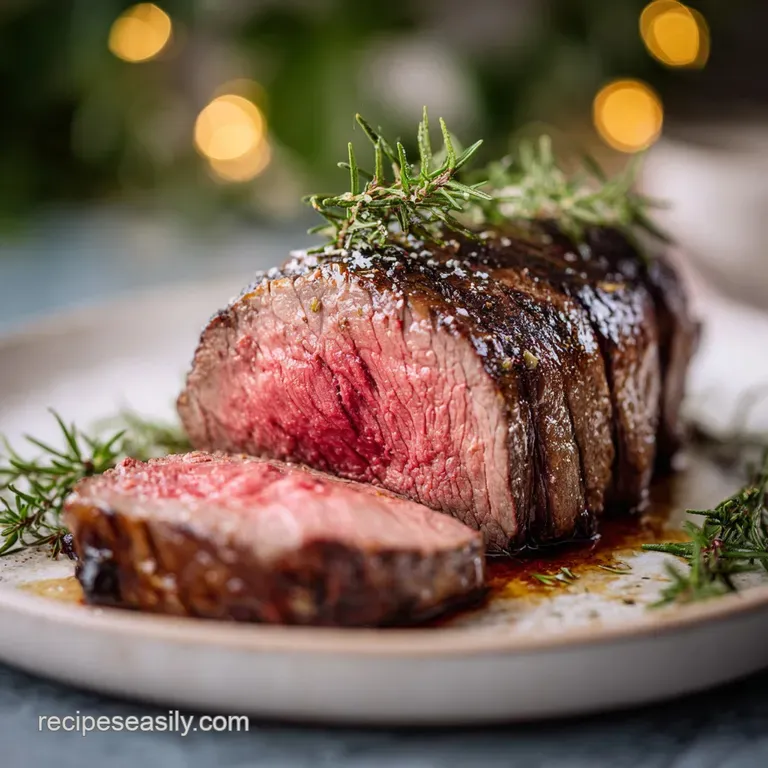
- Time: Active 20 minutes, Passive 45 minutes, Total 1 hours 5 mins
- Flavor/Texture Hook: Velvety, herb crusted exterior with a buttery, tender center
- Perfect for: Holiday gatherings, anniversary dinners, or a high end Sunday roast
- How to Master the Ultimate Beef Tenderloin Roast Recipe
- Precise Metrics and Specs for Your Holiday Main Dish
- Selecting High-Quality Components for a Flavorful Beef Dinner
- Essential Kitchen Tools for a Professional Style Oven Roast
- Easy Instructions for the Most Succulent Oven Roasted Beef
- Avoiding Common Mistakes for a Perfect Tenderloin Results
- Creative Variations and Smart Substitutions for Any Budget
- Practical Storage Solutions and Creative Leftover Makeover Ideas
- Elegant Presentation and Plating Skills for Your Dinner Party
- Recipe FAQs
- 📝 Recipe Card
How to Master the Ultimate Beef Tenderloin Roast Recipe
The first time I tackled a beef tenderloin, my hands were actually shaking. I’d saved up for weeks to buy that beautiful center cut piece for a Christmas dinner, and the thought of overcooking it into a dry, gray slab was terrifying.
I remember standing by the oven with my thermometer like a hawk, realized that the secret wasn't some complex chef wizardry, but simply respecting the meat's internal temperature.
When that first slice fell away, revealing a perfect, velvety pink center, the relief was better than the meal itself. Since then, I’ve learned that you don't need a culinary degree to nail this beef tenderloin roast recipe; you just need a few smart habits.
We're going to use a heavy sear to get that deep, savory crust and then let the oven do the gentle work of reaching the finish line.
Trust me, even if you’re on a budget, buying a slightly smaller tenderloin and using these techniques will result in a more impressive meal than a massive, poorly cooked roast.
We’re going to skip the expensive truffle oils and focus on high impact aromatics like garlic and fresh thyme to make the beef sing. It’s about being smart with your heat and patient with your resting time.
Precise Metrics and Specs for Your Holiday Main Dish
The Physics of the Crust: Searing at high heat triggers the Maillard reaction, rearranging amino acids and sugars into hundreds of flavor compounds. This creates a savory, browned exterior that contrasts perfectly with the tender interior.
- Surface Dryness: Moisture is the enemy of a good sear; any water on the surface must evaporate before browning can begin, so patting the meat dry is vital.
- Protein Denaturation: Gentle roasting allows muscle fibers to tighten slowly, which prevents them from squeezing out all their internal juices.
- Carryover Cooking: Residual heat continues to move toward the center even after the meat is out of the oven, often raising the temperature by 5-10°F.
- Aromatic Infusion: Fats like butter act as a vehicle, carrying the volatile oils from rosemary and thyme deep into the surface of the roast.
| Thickness | Internal Temp | Rest Time | Visual Cue |
|---|---|---|---|
| 2 inches | 125°F (Rare) | 10 mins | Deep red, very soft |
| 3 inches | 135°F (Med Rare) | 15 mins | Bright pink, warm center |
| 4 inches | 145°F (Medium) | 15 mins | Pale pink, firm touch |
If you find yourself with extra trimmings from your tenderloin, don't toss them! Those small bits are gold for making a quick Ground Beef Stroganoff recipe the next day. It's a great way to stretch your grocery budget while still enjoying that high-quality beef flavor in a different format.
Selecting high-quality Components for a Flavorful Beef Dinner
3 Essential Choices for the Beef
Choosing the right cut is half the battle. For this recipe, we are using a 3.5 lb center cut tenderloin. This is often called the "chateaubriand" and it’s the most uniform piece, which means it cooks evenly from end-to-end.
If you want to save money, buy a "peeled" tenderloin that still needs a little trimming; you can do it yourself in ten minutes.
For the Herb Garlic Slather
The 4 tbsp of unsalted butter and 1 tbsp of Dijon mustard act as a glue for our herbs. This mixture creates a "wet rub" that sticks to the meat during the roasting phase. Using fresh thyme and rosemary is non negotiable here; dried herbs just won't give you that vibrant, woody aroma that defines a classic holiday roast.
For the Red Wine Deglaze
After roasting, those browned bits at the bottom of the pan (the fond) are flavor concentrated. We use 0.5 cup of dry red wine and 1 cup of beef bone broth to lift that flavor. It creates a silky pan sauce that ties the whole meal together without needing a heavy gravy.
| Ingredient | Science Role | Pro Secret |
|---|---|---|
| Kosher Salt | Protein Denaturation | Draws out moisture, then reabsorbs to season the core. |
| Dijon Mustard | Emulsification | Helps the butter and herbs stick to the slick meat surface. |
| Bone Broth | Gelatin Content | Provides a velvety mouthfeel to the final pan sauce. |
Essential Kitchen Tools for a Professional Style Oven Roast
You don't need a kitchen full of gadgets, but a heavy bottomed pan is a must. I swear by my cast iron skillet for this because it holds heat like a champion, ensuring a dark, even sear. If you use a thin stainless steel pan, you risk burning the butter before the meat even gets a tan.
An instant read digital thermometer is your best friend here. Honestly, don't even try to guess the doneness by poking the meat with your finger. For a roast this expensive, a $15 thermometer is the best insurance policy you can buy.
You'll also need kitchen twine to tie the roast every inch or so; this keeps the tenderloin in a perfect cylinder so the edges don't overcook before the middle is done.
Easy Instructions for the Most Succulent oven-roasted Beef
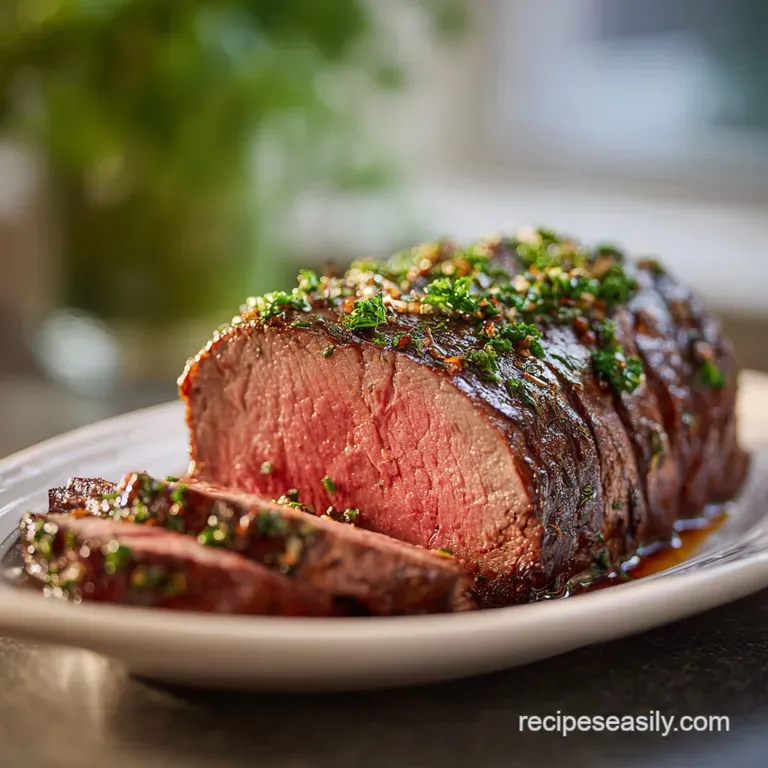
- Prep the meat. Pat the 3.5 lb beef tenderloin completely dry with paper towels. Note: Dry meat sears; wet meat steams.
- Tie and season. Tie the roast with kitchen twine at 1 inch intervals and rub with 2 tsp Kosher salt and 1 tsp black pepper.
- Mix the slather. Combine 4 tbsp softened butter, 3 minced garlic cloves, 1 tbsp thyme, 1 tbsp rosemary, and 1 tbsp Dijon mustard.
- Sear the beef. Heat a large skillet over high heat with a splash of oil. Sear the beef for 2-3 minutes per side until a deep brown crust forms.
- Apply the herbs. Remove from heat and carefully brush the butter herb mixture all over the top and sides of the seared beef.
- Roast in oven. Place the skillet in a preheated oven at 425°F (220°C).
- Check temperature. Roast for 25-35 minutes until the thermometer reads 130°F for medium rare.
- Rest the roast. Transfer the beef to a cutting board and tent loosely with foil for 15 minutes. Note: This allows juices to redistribute.
- Deglaze the pan. Pour 0.5 cup red wine into the hot skillet, scraping the bottom, and reduce by half.
- Finish the sauce. Add 1 cup bone broth, simmer until thickened, and whisk in 1 tbsp cold butter until glossy and velvety.
Chef's Tip: If you want an even deeper flavor, add a teaspoon of finely ground espresso to your salt and pepper rub. It doesn't make it taste like coffee, but it adds an incredible earthy richness to the crust.
Avoiding Common Mistakes for a Perfect Tenderloin Results
The biggest pitfall with a beef tenderloin roast recipe is the "gray ring" of overcooked meat around the edges. This usually happens if the oven is too hot or if you don't sear properly. Another common mistake is slicing the meat too soon.
If you cut into it the moment it comes out of the oven, all that expensive juice will end up on your cutting board instead of in the meat.
Why Your Crust Is Soggy
If you don't get the pan hot enough before adding the beef, the meat will release juices that boil instead of searing. You want to hear a loud sizzle the second that beef hits the metal. Also, if you slather the butter on before searing, the milk solids in the butter will burn and taste bitter.
Always sear first, slather second.
| Problem | Root Cause | Solution |
|---|---|---|
| Uneven cooking | Tapered ends of the beef | Fold the thin "tail" under and tie it to create a uniform log. |
| Burned herb crust | Herbs added too early | Sear the meat plain first, then add the herb butter for the roasting phase. |
| Dry, tough meat | No resting period | Rest for at least 15 minutes to let fibers relax and retain moisture. |
- ✓ Pat the beef completely dry before seasoning to ensure a shatter crisp crust.
- ✓ Use a digital thermometer rather than relying on time alone.
- ✓ Let the meat sit at room temperature for 30 minutes before cooking.
- ✓ Slice against the grain to ensure every bite is tender.
- ✓ Use cold butter to finish your sauce for a professional, glossy sheen.
Creative Variations and Smart Substitutions for Any Budget
If you are looking for a more affordable alternative, you can apply this same herb butter method to a Top Sirloin Roast or even a Tri Tip. While they aren't quite as "butter soft" as the tenderloin, the flavor profile remains excellent. For another Budget friendly beef option that feeds a crowd, you might like my simple slow cooker recipe which uses tougher, cheaper cuts and makes them incredibly tender.
| Original Ingredient | Substitute | Why It Works |
|---|---|---|
| Beef Tenderloin | Beef Eye of Round | Much cheaper. Note: Leaner and tougher; must be sliced paper thin. |
| Fresh Herbs | Dried Herbs (1 tsp each) | Budget friendly. Note: Use 1/3 the amount as dried is more potent. |
| Dry Red Wine | Balsamic Vinegar + Water | Adds acidity and depth without the cost of a full bottle. |
If you have leftovers and want something with a completely different vibe, try dicing the beef for a Korean Beef Bowl Recipe. The ginger and soy glaze work surprisingly well with the herb crusted leftovers, giving you two totally different meals from one roast.
Practical Storage Solutions and Creative Leftover Makeover Ideas
To scale this recipe down for four people, simply buy a 1.75 lb center cut piece and reduce the roasting time by about 10 minutes. If you’re scaling up for a huge party (two whole tenderloins), make sure you don't crowd them in one pan.
Give them space so the air can circulate, or they will steam instead of roast.
- Storage
- Keep leftovers in an airtight container in the fridge for up to 4 days. When reheating, do it gently in a pan with a splash of broth to avoid toughening the meat.
- Freezing
- You can freeze the cooked roast for up to 2 months, though the texture of the rare center will change slightly. It’s best used in soups or stews after freezing.
- Zero Waste
- Save the silver skin and fat trimmings! Render them down in a pan to make "beef tallow" for roasting potatoes, or toss them into a stock pot with veggie scraps for a rich homemade broth.
Elegant Presentation and Plating Skills for Your Dinner Party
Presentation is everything with a dish like this. I like to serve the roast on a large wooden board surrounded by sprigs of fresh rosemary and charred lemon halves. When you're ready to serve, remove the twine and slice the beef into thick, 1 inch medallions. This shows off that perfect pink interior.
The Myth of Searing to "Seal in Juices": You'll often hear that searing "locks in" the juice. That's actually a total myth! Searing is purely for flavor and texture (the Maillard reaction). The juices stay inside because of gentle roasting and proper resting, not because of the crust.
Drizzle the pan sauce directly over the meat just before the guests sit down. The sauce should be thick enough to coat the back of a spoon if it’s too watery, simmer it for two more minutes.
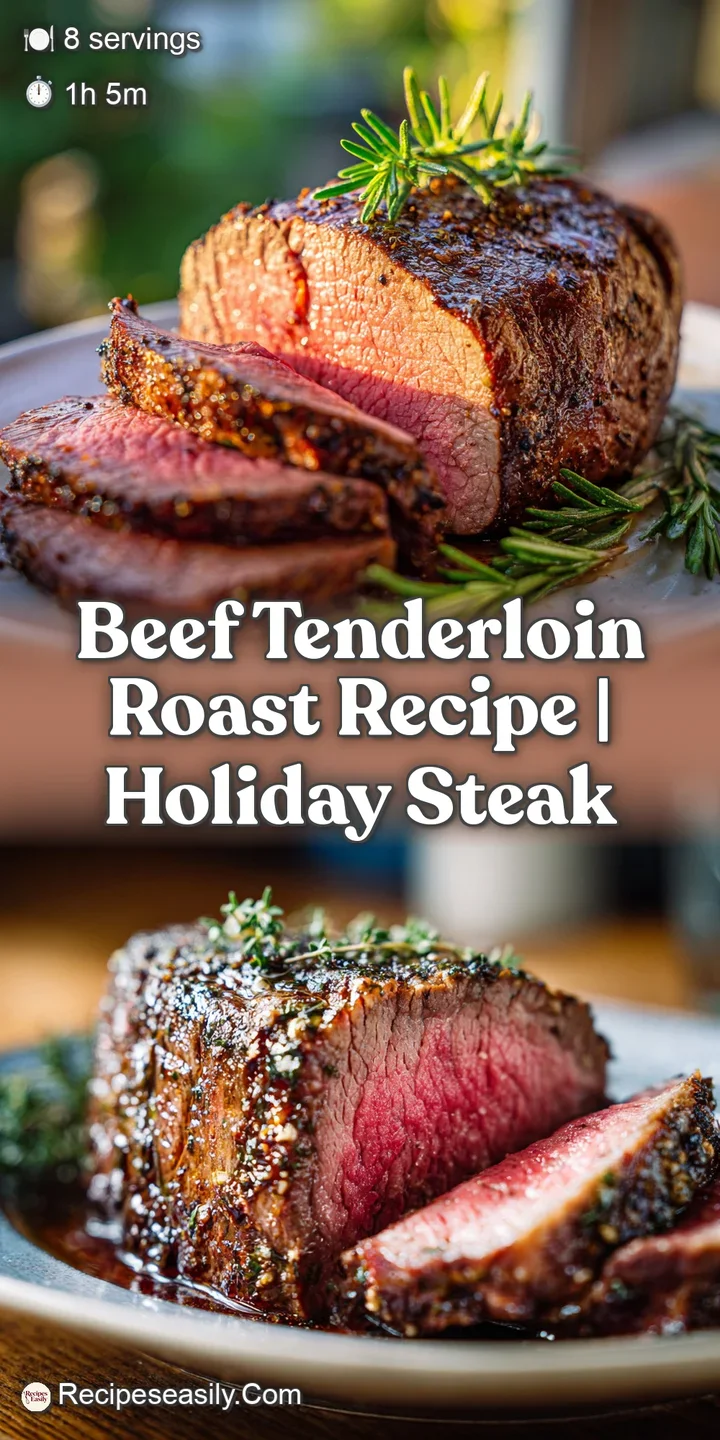
The contrast between the dark, savory sauce and the bright pink beef is exactly what makes this beef tenderloin roast recipe a showstopper every single time.
Recipe FAQs
What is the best way to cook a beef tenderloin?
Sear then roast gently. Start the beef on the stovetop in a screaming hot skillet for a deep crust, then immediately transfer it to a moderate oven (400°F/200°C) to finish cooking slowly.
Can you cook beef tenderloin as a roast?
Yes, roasting is the traditional and preferred method. Roasting ensures even cooking throughout the thick cut, especially when utilizing a thermometer to pull it at the perfect internal temperature.
Is it better to sear beef tenderloin before or after roasting?
Always sear before roasting. Searing first creates the deep Maillard reaction crust for flavor, while searing after risks overcooking the tender interior attempting to achieve the same crust.
What are some common beef tenderloin mistakes?
The most common mistake is not resting the meat long enough. Failure to rest for at least 15 minutes after removing it from the oven causes all the internal juices to run out when you slice it.
How do I ensure my beef tenderloin roast is perfectly medium rare throughout?
Use a reliable instant read thermometer. Pull the roast when the thickest part registers 125°F, as it will carryover cook to the target 130°F-135°F range while resting.
What is the secret to making a flavorful pan sauce after roasting?
Properly deglaze the fond and finish with cold butter. Scrape up the browned bits from the roasting pan using wine or broth, then whisk in cold butter off the heat for a glossy, emulsified finish.
How do I keep the roast perfectly cylindrical for even cooking?
Tie the roast tightly with kitchen twine every inch. This secures any tapered ends underneath and forces the beef into a uniform shape, which is critical for maintaining the same thickness across the entire roast.
Beef Tenderloin Roast Recipe
Ingredients:
Instructions:
Nutrition Facts:
| Calories | 512 kcal |
|---|---|
| Protein | 42 g |
| Fat | 36 g |
| Carbs | 1.5 g |
| Fiber | 0.2 g |
| Sugar | 0.4 g |
| Sodium | 675 mg |
