Cheesy Scrambled Eggs: Velvety Curds
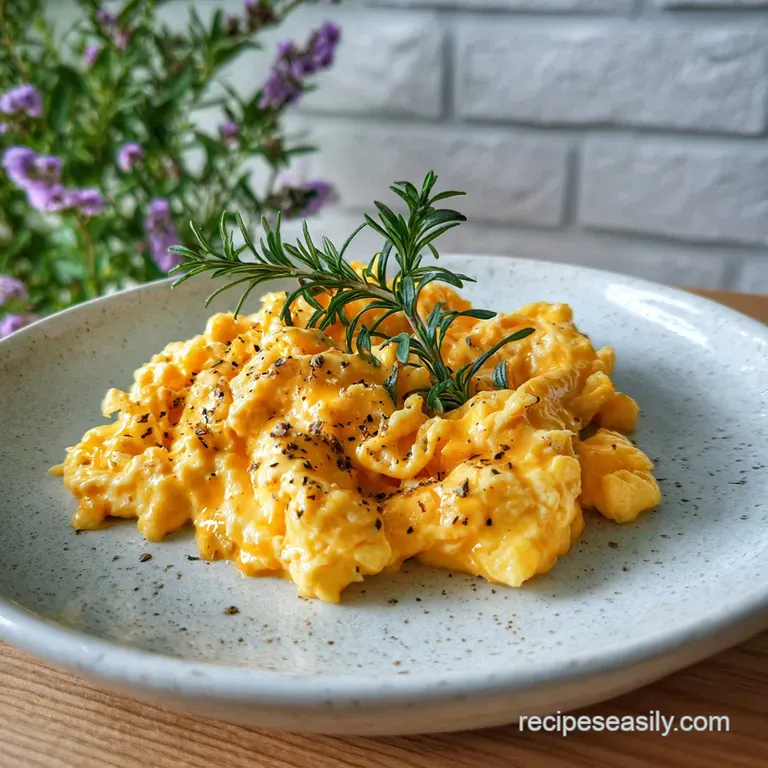
- Time: Active 2 minutes, Passive 3 minutes, Total 5 minutes
- Flavor/Texture Hook: Velvety curds with sharp melted cheddar
- Perfect for: Busy weekday mornings or a budget-friendly weekend brunch
- The Secret to Velvety Easy Cheesy Scrambled Eggs Every Morning
- Understanding the Chemistry of Low Heat and Gentle Curds
- Timing Your Breakfast for Maximum Fluffiness and Flavor
- Pantry Essentials for an Affordable Creamy Egg Base
- The Only Tools You Need for Silky Smooth Eggs
- Step by Step Guide to Crafting Soft Scrambled Curds
- Fixing Common Mistakes for Flawless Breakfast Results
- Budget Friendly Variations Using Different Cheeses and Add ins
- Best Methods for Storing and Reheating Leftover Eggs
- Delicious Pairings to Complete Your Morning Meal Experience
- Recipe FAQs
- 📝 Recipe Card
The Secret to Velvety Easy Cheesy Scrambled Eggs Every Morning
There is a specific sound that defines my kitchen every Saturday morning: the rhythmic clack clack clack of a fork hitting a ceramic bowl. For years, I was the person who turned the stove to high, dumped the eggs in, and stirred frantically until I had something that looked and tasted remarkably like yellow pencil erasers.
I thought that was just how eggs were supposed to be. It wasn't until I sat at a tiny bistro in a rainy city that I saw what eggs could actually be. They weren't just cooked; they were folded into shimmering, soft ribbons that practically melted.
That experience changed everything for me. I went home and ruined about three dozen eggs trying to replicate that texture on a budget. I learned that you don't need expensive cream or fancy French copper pans to get that high end result.
You just need to understand how the eggs react to heat and when to pull them off the stove. This recipe for Cheesy Scrambled Eggs is the result of all those failed attempts, burnt butter, and rubbery curds.
We are going for a texture that feels luxurious but uses ingredients you likely already have in your fridge. If you've ever struggled with eggs that "weep" water onto your plate or cheese that turns into a chewy ball instead of a smooth sauce, you're in the right place.
We're going to keep things simple, affordable, and incredibly satisfying. Let's get that butter melting.
Understanding the Chemistry of Low Heat and Gentle Curds
The Dilution Effect: Adding a splash of milk dilutes the egg proteins, which increases the temperature at which they coagulate, resulting in a softer, more tender curd.
Carryover Cooking: Eggs continue to cook for about 60 seconds after leaving the pan, so removing them while they still look slightly "wet" ensures they reach the ideal texture by the time they hit your plate.
Fat Emulsification: The butter provides a coating for the protein strands, preventing them from bonding too tightly and squeezing out moisture, which is the main cause of toughness.
| Method | Time | Texture | Best For |
|---|---|---|---|
| High Heat Flash | 1 minute | Large, dry, bouncy curds | Egg sandwiches with heavy bread |
| Low and Slow | 3 minutes | Small, velvety, custardy ribbons | A standalone breakfast or toast |
| Medium Fold | 2 minutes | Classic diner style, semi firm | Large family brunches |
Choosing the right method depends on your morning mood, but for these Cheesy Scrambled Eggs, the low and slow approach is the undisputed winner. It allows the cheese to melt into the eggs rather than just sitting on top of them like a greasy blanket.
Timing Your Breakfast for Maximum Fluffiness and Flavor
When we talk about "fast" food, we usually mean low quality, but eggs are the exception. This recipe takes exactly 5 minutes from the moment you crack the shell to the moment you take your first bite. Because we are working with such a short window, precision matters more than fancy equipment.
You want to have your toast already in the toaster and your coffee poured before the eggs ever touch the pan.
| Thickness of Curd | Cook Time | Rest Time | Visual Cue |
|---|---|---|---|
| Soft/Wet | 2 minutes | 1 minute | Glossy, slightly runny center |
| Medium/Standard | 3 minutes | 30 seconds | Opaque but still shimmering |
| Firm/Dry | 4 minutes | None | Matte finish, no visible liquid |
If you wait until the eggs look "finished" in the pan, they will be overcooked by the time you sit down to eat. Trust the residual heat; it is your best friend in the kitchen.
Pantry Essentials for an Affordable Creamy Egg Base
I am a big believer that you don't need a massive grocery budget to eat like royalty. For this recipe, we are using 4 Large Eggs as our foundation. The magic happens with the 1/2 cup Sharp Cheddar Cheese. I always recommend buying a block and grating it yourself.
Pre shredded cheese is coated in potato starch or cellulose to keep it from clumping in the bag, but that same coating prevents it from melting smoothly into your eggs.
| Ingredient | Science Role | Pro Secret |
|---|---|---|
| 4 Large Eggs | Structural protein | Use room temperature eggs for faster, more even cooking |
| 1 tbsp Whole Milk | Protein buffer | Substitutable with water for fluffier, less creamy curds |
| 1 tbsp Unsalted Butter | Lubricant & Flavor | Melt until it foots but doesn't brown to keep eggs yellow |
| 1/2 cup Sharp Cheddar | Fat & Umami | Grate it fine so it melts instantly without toughening the eggs |
For the Egg Base
The 1/4 tsp Fine Sea Salt and 1/8 tsp Freshly cracked black pepper are essential, but timing is everything. I like to whisk the salt in right before cooking. Some people say salting early makes eggs tough, but in my experience, a quick whisk just before they hit the pan actually helps break down the proteins for a more uniform texture.
The Fat and Cheese
Using 1 tbsp Unsalted Butter gives us control over the salt levels. If you only have salted butter, just cut the sea salt in the recipe in half. The sharp cheddar is the star here because it provides a punchy flavor that stands up to the richness of the yolks.
The Only Tools You Need for Silky Smooth Eggs
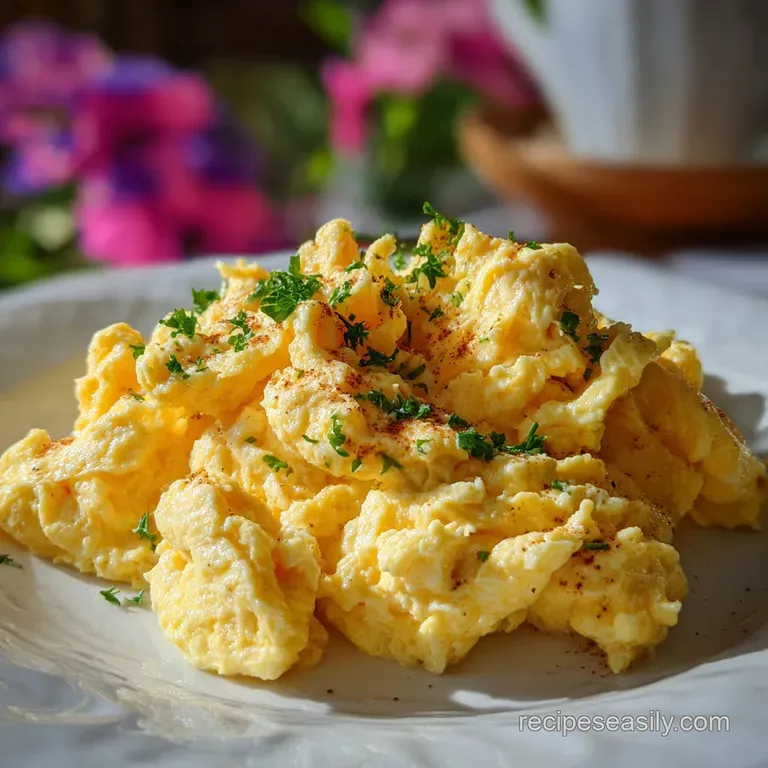
You don't need a high end non stick pan to make great eggs, though it certainly makes cleanup easier. I’ve made these in a well seasoned cast iron skillet and even a small stainless steel pot in a pinch. The real key is the spatula.
A flexible silicone spatula allows you to scrape the bottom and sides of the pan effectively, ensuring no part of the egg sits too long against the heat.
Chef Tip: If you find your eggs always stick, try the "cold start" method. Put the eggs and butter in a cold pan, then turn the heat to medium low. As the butter melts, whisk it directly into the eggs as they warm up. It sounds crazy, but it creates a velvety texture that is hard to beat.
If you are looking for a more substantial meal, these eggs pair beautifully with a side of greens. For a great contrast, you might want to try serving them alongside my Crispy Cauliflower Bites recipe for a brunch spread that feels both healthy and indulgent.
step-by-step Guide to Crafting Soft Scrambled Curds
1. The Aeration Phase
Crack the 4 Large Eggs into a medium bowl. Add the 1 tbsp Whole Milk, 1/4 tsp Fine Sea Salt, and 1/8 tsp Freshly cracked black pepper. Whisk vigorously for at least 30 seconds. Note: You want to incorporate air until the whites and yolks are completely unified and no streaks remain.
2. The Butter Melt
Place a non stick skillet over medium low heat and add the 1 tbsp Unsalted Butter. Let it melt slowly until it starts to foam and shimmer. Don't let it turn brown, or it will discolor the eggs.
3. The Gentle Pour
Pour the egg mixture into the center of the pan. Let it sit undisturbed for about 20 seconds until the edges just begin to set.
4. The First Fold
Using a silicone spatula, gently push the cooked edges toward the center. Tilt the pan to let the raw egg flow into the empty spaces. Note: This creates those signature large, soft "ribbons" of egg.
5. Constant Low Motion
Continue folding the eggs every few seconds. You aren't "scrambling" them frantically; you are moving them gently to ensure they cook evenly without browning.
6. The Cheese Integration
When the eggs are about 75% cooked they should still look very wet and loose sprinkle the 1/2 cup Sharp Cheddar Cheese over the top.
7. The Final Fold
Fold the cheese into the eggs just once or twice. Turn off the heat immediately. The residual heat will finish the cooking and melt the cheese into a silky sauce.
8. The Plating Move
Slide the eggs onto a warm plate. If your plate is cold, it will suck the heat right out of the eggs and make them firm up too quickly.
Fixing Common Mistakes for Flawless Breakfast Results
We've all been there: you follow the steps, but something still feels off. Usually, it comes down to heat management. If your eggs look grainy or have tiny holes in them, the heat was too high. The proteins have basically "curdled," much like spoiled milk.
To Prevent Weeping Eggs
If you end up with a puddle of water on your plate, it’s usually because the eggs were overcooked. When egg proteins get too hot, they tighten up like a wrung out sponge, squeezing out all the moisture you tried so hard to keep inside.
| Problem | Root Cause | Solution |
|---|---|---|
| Rubbery Texture | Heat was too high or cooked too long | Remove from heat while still looking "wet" |
| Greasy Finish | Cheese added too early or too much butter | Add cheese at the very end with heat OFF |
| Bland Flavor | Salt added only at the table | Whisk salt into the raw eggs to season the core |
Common Mistakes Checklist
- ✓ Avoid using a whisk in the pan; it creates tiny, grainy curds instead of lush ribbons.
- ✓ Never leave the pan unattended; eggs go from perfect to ruined in 15 seconds.
- ✓ Use a pan that fits the amount of eggs; 4 eggs in a huge 12 inch skillet will cook too fast and dry out.
- ✓ Freshly grate your cheese; the anti clumping agents in bagged cheese ruin the mouthfeel.
- ✓ Don't over whisk once the eggs are in the pan; let them set slightly between folds.
Budget Friendly Variations Using Different Cheeses and Add ins
If you want to change things up without spending a fortune, the "cheese" part of Cheesy Scrambled Eggs is incredibly flexible. I often look at what’s on sale at the deli counter. A smoky gouda or even a few crumbles of feta can completely transform the dish.
| Original Ingredient | Substitute | Why It Works |
|---|---|---|
| Sharp Cheddar (1/2 cup) | Cottage Cheese (1/4 cup) | Adds massive protein and a creamy, slightly tangy moisture. |
| Whole Milk (1 tbsp) | Heavy Cream (1 tbsp) | Much richer mouthfeel. Note: Increases calorie count significantly. |
| Unsalted Butter (1 tbsp) | Bacon Grease (1 tbsp) | Adds a smoky, savory depth. Note: Watch the salt levels in the eggs. |
For those who love a bit of a kick, adding some diced jalapeños and using Monterey Jack cheese is a fantastic way to lean into a Southwestern vibe. It actually reminds me a lot of the flavor profile in my Mexican Layered Casserole recipe, which is another great budget friendly option for feeding a crowd.
The Protein Powerhouse Swap
Using cottage cheese is a "pro tip" for fitness enthusiasts. If you whisk 1/4 cup of cottage cheese into the 4 Large Eggs, you get a massive protein boost and a texture that stays incredibly moist even if you accidentally overcook them by a few seconds.
The Velvet Upgrade Option
If you have a block of cream cheese in the fridge, try dropping small cubes of it into the eggs at the same time you would add the cheddar. It doesn't fully melt, creating little "pockets" of warm, velvety creaminess that are a total delight to find.
The Keto Friendly Alternative
This recipe is naturally low carb, but to make it even more keto friendly, you can swap the milk for heavy cream or even a tablespoon of sour cream. This increases the fat content and makes the eggs even more satiating.
Best Methods for Storing and Reheating Leftover Eggs
Honestly, I usually tell people to eat these fresh. Scrambled eggs are like a soufflé they wait for no one. However, life happens. If you find yourself with leftovers, store them in an airtight container in the fridge for up to 2 days.
To reheat, avoid the microwave if possible. It turns the cheese into plastic and the eggs into rubber. Instead, put them in a small non stick pan with a tiny splash of milk over low heat. Cover the pan and let them steam for about 2 minutes.
This gently re hydrates the eggs without cooking them further.
Zero Waste Tips
Don't throw away those slightly stale bread ends! I like to dice them up, toast them in a little butter, and fold them directly into the Cheesy Scrambled Eggs at the end. They act like little croutons that soak up any extra moisture and add a much needed crunch to the soft dish.
You can also use leftover eggs as a filling for a quick breakfast burrito the next day.
Delicious Pairings to Complete Your Morning Meal Experience
Since this recipe is so rich and creamy, I love pairing it with something that has a bit of acidity or crunch. A simple side of sliced tomatoes with a pinch of salt and a drizzle of olive oil cuts through the fat of the cheddar perfectly.
If you’re feeling fancy, a side of smoked salmon or some crispy hash browns provides that salty, crunchy contrast that makes the velvety eggs stand out. If you're meal prepping for the week, these eggs are a great "main" to go alongside a big batch of roasted vegetables.
If you want a bit of a decision shortcut for your meal planning: If you want a classic diner feel, serve with buttered white toast and crispy bacon. If you want a lighter start, pair with a half grapefruit and a side of arugula.
If you want a "power" breakfast, serve over a bed of quinoa with sliced avocado.
Regardless of how you serve them, the key to this dish is the simplicity. We’ve taken basic ingredients and, with a little bit of technique and a lot of love for low heat, turned them into something truly special. Enjoy your breakfast!
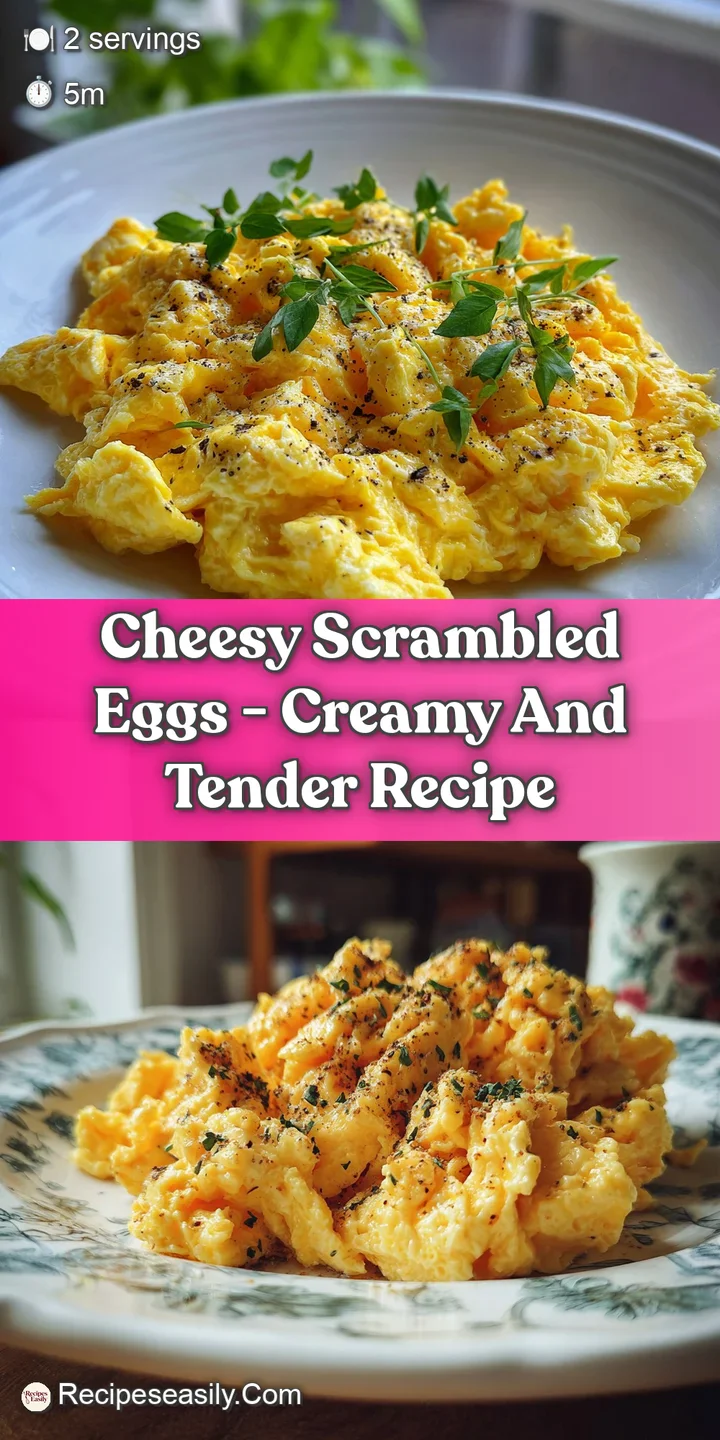
Recipe FAQs
How do you make cheesy scrambled eggs?
Cook on medium low heat until 75% set, then fold in grated cheese. Turn off the heat immediately and let the residual warmth finish melting the cheese and setting the eggs for a velvety texture.
Should I put cheese in my scrambled eggs before cooking?
No, add the cheese just before they are finished cooking. Adding cheese too early causes it to separate, often resulting in a greasy texture or toughened egg curds.
What's the best kind of cheese to put in scrambled eggs?
Sharp Cheddar is recommended for the best flavor balance. A sharp cheese stands up well to the richness of the yolk, but finely grated Gruyère or Monterey Jack are excellent alternatives.
Are cheesy scrambled eggs a thing?
Yes, they are a universally popular classic breakfast item. Incorporating cheese adds essential fat and flavor, transforming basic eggs into a richer, more satisfying dish.
Why are my cheesy scrambled eggs rubbery?
The heat was too high or they were cooked too long. Egg proteins seize up when overheated, squeezing out moisture; remove them from the heat when they still look slightly wet.
Should I use pre-shredded cheese for scrambled eggs?
No, always grate your cheese fresh from a block. Pre-shredded cheeses contain anti caking agents like potato starch, which inhibit smooth melting and can make the cheese clump.
What is the required cooking technique for the softest curds?
Use a low and slow cooking method with continuous gentle folding. This prevents the eggs from setting too quickly, resulting in soft, custard like ribbons rather than firm, bouncy curds.
Creamy Cheesy Eggs In 5 Min
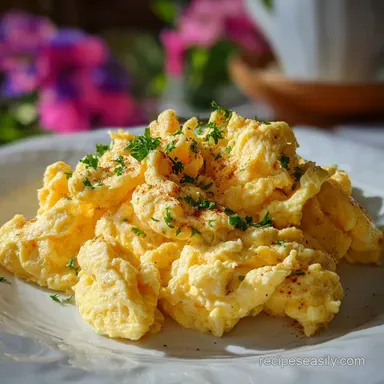
Ingredients:
Instructions:
Nutrition Facts:
| Calories | 299 kcal |
|---|---|
| Protein | 18.6 g |
| Fat | 23.8 g |
| Carbs | 1.9 g |
| Fiber | 0 g |
| Sugar | 0.8 g |
| Sodium | 601 mg |
