Creamy Garlic Chicken Pasta Recipe
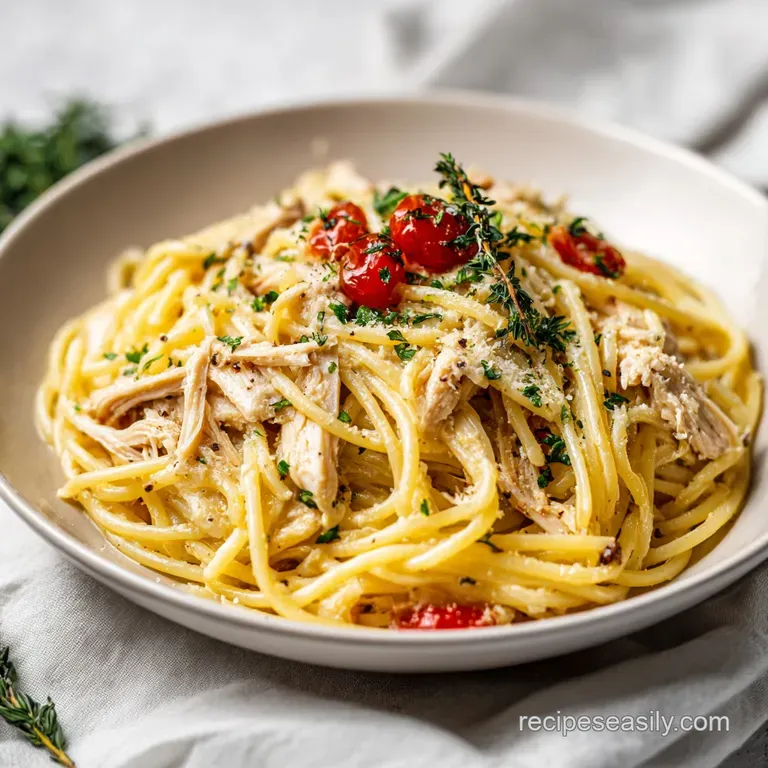
- Time: Active 10 minutes, Passive 15 minutes, Total 25 minutes
- Flavor/Texture Hook: Velvety cream sauce with a bold, aromatic garlic punch
- Perfect for: Busy weeknights when you need a high protein, comforting meal in under half an hour
- The Secret to Perfecting This Creamy Garlic Chicken Pasta Recipe
- Unlocking Professional Textures with Simple Home Kitchen Methods
- Timing and Measurements for Consistent Results Every Single Time
- The Foundations of Flavor: Choosing Your Pasta and Proteins
- The Essential Tools for a Minimalist One Pan Approach
- The Step-by-Step Path to a Perfect Garlic Cream Sauce
- Avoiding Grainy Sauces and Rubbery Chicken for Better Results
- Making This Recipe Work for gluten-free or Lighter Lifestyles
- Breaking Down Common Cooking Myths
- Smart Storage and Reheating Hacks to Save the Texture
- Elevating Your Dinner with Simple Garnishes and Visual Contrasts
- High in Sodium
- Recipe FAQs
- 📝 Recipe Card
The Secret to Perfecting This Creamy Garlic Chicken Pasta Recipe
The sizzle of thinly sliced chicken hitting a hot, oiled pan is the universal signal that something incredible is happening in the kitchen. I remember the first time I tried to make a creamy garlic chicken pasta recipe for a friend who was basically a connoisseur of Italian American comfort food.
I was so nervous about burning the garlic that I added it way too late, resulting in crunchy, bitter bits that totally ruined the vibe. We ended up ordering pizza, but that failure sparked a complete obsession with getting the timing of aromatics exactly right.
Now, whenever I toss the pasta into that bubbling, garlicky cream, the aroma fills the entire house, and I know I've nailed it. It is all about that specific moment when the heavy cream begins to thicken and the Parmesan melts into a glossy, unified sauce.
You aren't just making dinner; you're creating a bowl of pure, unadulterated comfort that feels like a warm hug after a long day. Let's get into how we make this happen without any fuss or fancy equipment.
Unlocking Professional Textures with Simple Home Kitchen Methods
The "cling" of a sauce isn't just luck; it is a result of basic kitchen physics that anyone can master. When we talk about a creamy garlic chicken pasta recipe, the goal is a sauce that doesn't pool at the bottom of the bowl but instead coats every single piece of penne.
This happens through a process called emulsification, where the fats in the cream and cheese bind with the starches left behind by the pasta.
- Starch Binding: Using a bit of the cloudy pasta water acts as a "glue," linking the watery sauce base to the solid pasta.
- The Maillard Reaction: Searing the chicken at a high temp creates a brown crust that adds savory depth you simply can't get from boiling or poaching.
- Fat Stabilization: Keeping the heat at a medium simmer prevents the heavy cream from "breaking" or separating into oil and solids.
| Method | Time | Texture | Best For |
|---|---|---|---|
| Stovetop | 25 minutes | Silky and glossy | Quick weeknight dinners and maximum control |
| Oven Bake | 45 minutes | Crispy top, dense | Potlucks or when you want a "casserole" feel |
| Slow Cooker | 4 hours | Very tender chicken | Hands off prep, though sauce can be thinner |
Choosing your method depends on your schedule, but for this specific recipe, I always lean toward the stovetop. It gives you the chance to monitor the sauce's thickness in real time. If you find yourself wanting a more traditional poultry dish later this week, my French Garlic Chicken recipe uses a similar aromatic base but with a totally different cooking technique.
Timing and Measurements for Consistent Results Every Single Time
Precision is the bridge between a "good" meal and one that people ask for the recipe for. I've found that using 1.5 lbs chicken breast ensures you get a protein heavy bite in every forkful, balanced perfectly against 1 lb penne or cavatappi pasta.
Don't eyeball the garlic; 6 cloves fresh garlic might seem like a lot, but once they mellow in the 1 tbsp butter, they become sweet and fragrant rather than sharp.
Chef Tip: Freeze your block of Parmesan cheese for 10 minutes before grating. It prevents the cheese from clumping and ensures it melts into the sauce like a dream.
To ensure your chicken stays juicy, aim for an internal temperature of 165°F (74°C). However, since we are slicing the 1.5 lbs chicken breast into thin strips, they cook incredibly fast usually 3 minutes per side. I also suggest using a wide skillet.
If the pan is too small, the chicken will steam in its own juices rather than getting that beautiful golden sear we're after.
The Foundations of Flavor: Choosing Your Pasta and Proteins
When I'm at the store, I always look for pasta with ridges, like a good quality penne or a twisty cavatappi. These shapes are designed to trap the 1.5 cups heavy cream, ensuring the flavor doesn't just slide off.
For the chicken, I prefer fresh breasts, but you can certainly use thighs if you want a richer, fattier flavor profile.
| Component | Science Role | Pro Secret |
|---|---|---|
| Heavy Cream | Provides the fat structure | Room temp cream prevents the sauce from "shocking" and breaking |
| Parmesan | Acts as a thickener and salt source | Use "DOP" or aged cheese for a sharper, more complex finish |
| Garlic | Primary aromatic and flavor base | Mince it finely to maximize surface area for infusion |
If you ever run out of heavy cream, don't panic. You can swap it for a mix of whole milk and a bit of extra butter, though the sauce will be slightly thinner. For those who love this flavor profile but want something a bit more romantic, the Marry Me Chicken recipe is a fantastic variation that adds sun dried tomatoes into the mix.
| Original Ingredient | Substitute | Why It Works |
|---|---|---|
| 1.5 lbs Chicken Breast | Chicken Thighs | More fat, stays juicy even if slightly overcooked |
| 1.5 cups Heavy Cream | Half and Half | Lighter result. Note: Sauce will be less velvety/thick |
| 6 Cloves Garlic | 2 tsp Garlic Powder | Good in a pinch, but lacks the fresh, pungent "bite" |
| 1 lb Penne | Zucchini Noodles | gluten-free and low carb. Note: Adds water to the sauce |
Using the right tools makes a world of difference. I'm a big believer in the "less is more" philosophy when it comes to kitchen gear. You don't need a thousand gadgets to make a restaurant quality meal.
The Essential Tools for a Minimalist One Pan Approach
You really only need three main items to make this creamy garlic chicken pasta recipe work. First, a large pot to boil the 1 lb penne or cavatappi pasta. Second, a heavy bottomed skillet I love using a 12 inch cast iron or a high-quality stainless steel pan.
The heavy bottom helps distribute heat evenly so your 6 cloves fresh garlic don't scorch in one spot while staying raw in another.
Third, a sturdy whisk or a wooden spoon is vital for emulsifying the 1.5 cups heavy cream and 1 cup Parmesan cheese. A whisk is better if you're worried about lumps, but a wooden spoon is great for scraping up those "fond" bits (the brown stuff) after searing the chicken.
Those bits are pure flavor gold, and you want them integrated into your sauce.
- Large Pot: For the pasta (ensure you use plenty of salt in the water).
- 12 inch Skillet: Provides enough surface area to sear 1.5 lbs chicken breast without crowding.
- Microplane/Grater: For that 1 cup Parmesan cheese (freshly grated is non negotiable here).
- Colander: To drain the pasta but remember to save a splash of that water first!
The step-by-step Path to a Perfect Garlic Cream Sauce
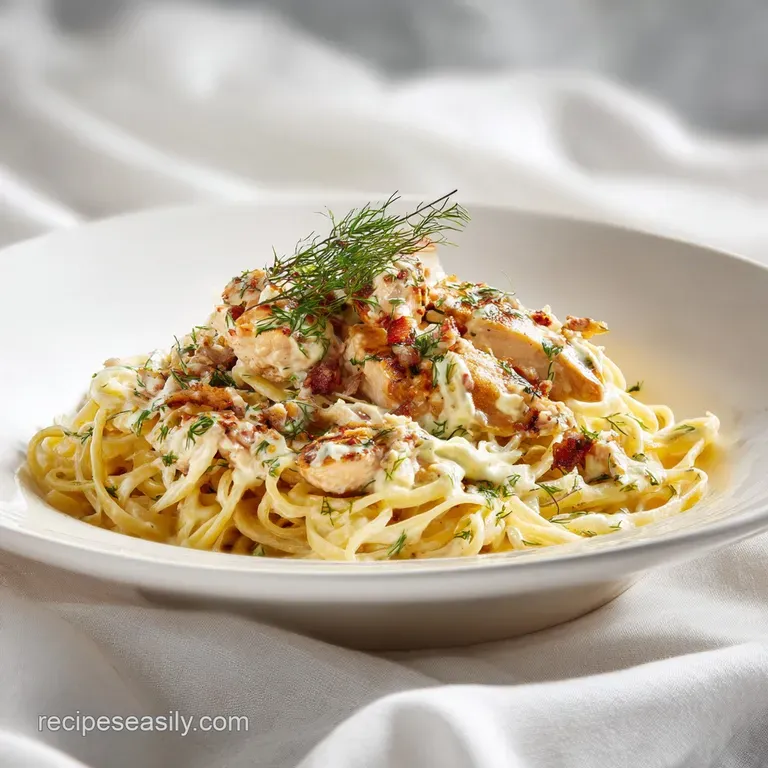
- Boil the pasta. Cook 1 lb penne or cavatappi pasta in salted water until al dente. Note: It will finish cooking slightly in the sauce later.
- Prep the chicken. Season 1.5 lbs chicken breast strips with 0.5 tsp salt and 0.25 tsp black pepper.
- Sear the protein. Heat 1 tbsp olive oil in your skillet and cook chicken until golden and opaque (about 3 minutes per side). Remove and set aside.
- Sauté aromatics. Melt 1 tbsp butter in the same pan. Add 6 cloves fresh garlic and 0.5 tsp red pepper flakes until fragrant and sizzle soft (about 1 minute).
- Build the base. Pour in 1.5 cups heavy cream. Bring to a gentle simmer until small bubbles form around the edges.
- Melt the cheese. Whisk in 1 cup Parmesan cheese gradually until the sauce is silky and smooth.
- Combine. Add the cooked pasta and chicken back into the skillet.
- Emulsify. Toss everything together, adding a splash of pasta water if the sauce is too thick.
- Garnish. Stir in 0.25 cup fresh parsley until the green pops against the white sauce.
- Rest. Let it sit for 2 minutes until the sauce clings firmly to the pasta.
Avoiding Grainy Sauces and Rubbery Chicken for Better Results
The most common heartbreak with any creamy chicken pasta recipe is a sauce that turns grainy. This usually happens if the heat is too high when you add the cheese. The proteins in the cheese clump together instead of melting. Always turn the heat down to low before the Parmesan hits the pan.
Why Your Sauce Separates
If you see oil slicking the top of your pasta, the emulsion has broken. This often happens if the cream boils too vigorously or if you use pre shredded cheese, which is coated in potato starch that messes with the melting process.
| Problem | Root Cause | Solution |
|---|---|---|
| Grainy Texture | Cheese added to boiling liquid | Remove pan from heat before stirring in Parmesan |
| Dry Pasta | Pasta absorbed all the liquid | Add 1/4 cup reserved pasta water to loosen it up |
| Bland Flavor | Not enough salt in pasta water | Salt the water until it "tastes like the sea" |
Common Mistakes Checklist: ✓ Avoid pre shredded cheese; the anti clumping agents prevent a velvety melt. ✓ Don't rinse the pasta after draining; you need those starches for the sauce to stick. ✓ Pat the chicken dry with paper towels before searing to get a better crust.
✓ Never add the garlic to a smoking hot pan - it burns in seconds. ✓ Save the pasta water before you dump it all down the drain!
Making This Recipe Work for gluten-free or Lighter Lifestyles
Scaling this dish is quite simple because the ratios are forgiving. If you're cooking for two, just halve everything. If you're scaling up for a crowd, keep the spices at about 1.5x rather than doubling them to avoid overwhelming the delicate cream. For a lighter touch, you can check out my Lemon Butter Garlic recipe, which skips the heavy cream entirely but keeps that amazing garlic punch.
Healthy Creamy Garlic Chicken Pasta
To lighten this up, swap half of the heavy cream for chicken broth and use a bit of cornstarch to thicken. You can also double the 0.25 cup fresh parsley or add steamed broccoli to increase the fiber content without sacrificing the soul of the dish.
gluten-free & Low Carb
For a gluten-free version, simply use your favorite GF penne. If you're going low carb, this garlic cream sauce is incredible over zoodles or spaghetti squash. Just be sure to squeeze the excess water out of the vegetable noodles first, or your sauce will turn into soup.
| Servings | Chicken | Pasta | Cream | Skillet Size |
|---|---|---|---|---|
| 2 People | 0.75 lbs | 0.5 lbs | 0.75 cups | 10 inch |
| 4 People | 1.5 lbs | 1 lb | 1.5 cups | 12 inch |
| 8 People | 3 lbs | 2 lbs | 3 cups | Two Skillets |
Breaking Down Common Cooking Myths
Many people think you need to add oil to pasta water to keep it from sticking. This is a myth! Oil actually coats the pasta and prevents this creamy garlic chicken pasta recipe from adhering to the noodles. Just use a large pot with plenty of water and give it a stir in the first two minutes.
Another misconception is that the "fond" (the brown bits in the pan) is burnt and should be washed out. Actually, that is where the deepest flavor lives. When you add the heavy cream, use your spoon to scrape those bits up; they will dissolve into the sauce and give it a professional, savory backbone.
Smart Storage and Reheating Hacks to Save the Texture
Leftover pasta is a gift, but cream sauces can be tricky. Store your leftovers in an airtight container in the fridge for up to 3 days. I don't recommend freezing this specific dish because the 1.5 cups heavy cream can take on a grainy, separated texture once thawed and reheated.
Zero Waste Tip: If you have leftover sauce but no pasta, use it as a dip for crusty bread or drizzle it over roasted vegetables the next day. Those 6 cloves fresh garlic will continue to mellow and sweeten overnight!
- Reheating: Add a splash of milk or water before microwaving or heating on the stovetop. This replaces the moisture the pasta absorbed while sitting in the fridge.
- Fridge Life: 3 days maximum for peak freshness.
- Leftover Chicken: If you have extra seared chicken, it's great in a cold Simple Greek Pasta recipe for lunch the next day.
Elevating Your Dinner with Simple Garnishes and Visual Contrasts
We eat with our eyes first, right? A beige bowl of pasta can look a bit dull, even if it tastes like heaven. The 0.25 cup fresh parsley is there for more than just flavor it provides a vibrant green contrast that makes the dish look fresh.
I also like to save a pinch of the 0.5 tsp red pepper flakes to sprinkle on top right before serving for a little pop of color.
For a final touch, use a vegetable peeler to create large, thin "shards" of Parmesan rather than just the grated stuff. It looks beautiful and gives you a different texture of cheese in every few bites. Serve it in wide, shallow bowls to show off the sauce and the perfectly seared chicken.
Trust me, once you put this on the table, your friends will think you've been taking secret culinary classes. It's our little secret that it only took 25 minutes!
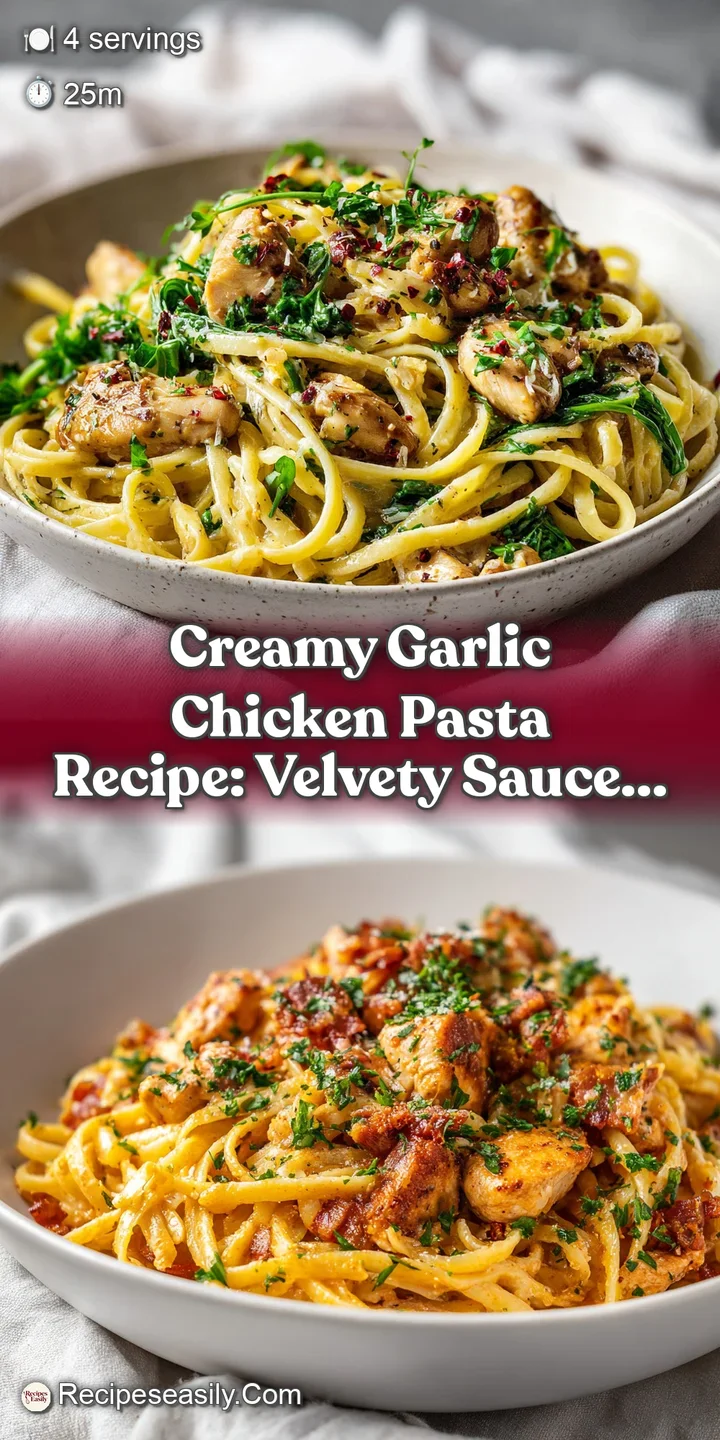
High in Sodium
840 mg mg of sodium per serving (37% % of daily value)
American Heart Association recommendation about 2,300mg limit
Tips to Reduce Sodium
-
Reduce Parmesan-15%
Parmesan cheese is a significant source of sodium. Reduce the amount of Parmesan cheese by half, or substitute with a low-sodium cheese variety. This can significantly reduce the sodium content of your dish by approximately 15%.
-
Reduce Added Salt-25%
Cut back on the added salt. Start by reducing the amount of salt in half, and taste the dish before adding more. Eliminating or reducing the added salt can cut down the sodium content by approximately 25%.
-
Unseasoned Chicken-10%
Ensure the chicken breast is unseasoned. Pre-seasoned chicken often contains added sodium. Buying fresh, unseasoned chicken and seasoning it yourself allows you to control the sodium level.
-
Spice it Up!
Enhance the flavor with herbs and spices! Experiment with garlic powder, onion powder, dried oregano, or basil to boost flavor without adding sodium. This won't directly reduce sodium, but it can make the dish more flavorful overall.
-
Lower Sodium Dairy-5%
While not a major contributor, using lower sodium dairy products where available can help. Check labels and opt for brands with lower sodium content.
Recipe FAQs
Can I use chicken thighs instead of breasts for this recipe?
Yes, chicken thighs are an excellent substitute. Thighs contain more fat, which helps them stay incredibly moist and flavorful, even if you accidentally cook them a minute too long.
How to prevent the Parmesan cheese from making the sauce grainy?
Remove the skillet from the heat entirely before adding the cheese. Slowly whisk in the 1 cup of Parmesan until it is completely melted and smooth; excessive direct heat causes the proteins to clump.
Is it necessary to save the starchy pasta water?
Yes, saving the pasta water is non-negotiable for the best texture. The starch acts as an emulsifier, binding the fat from the cream and the water together to create that signature velvety cling.
How to ensure the chicken is seared, not steamed?
Get your skillet very hot and ensure the chicken strips are dry before adding them. Crowding the pan will cause steaming; use a 12 inch skillet to allow air circulation for proper browning.
What is the best substitution if I don't have heavy cream?
Swap half the cream for whole milk and add 1 tablespoon of butter. The sauce will be lighter and less rich than the original, but it still functions well as a base for this garlic sauce.
How do I know when the garlic is perfectly cooked without burning it?
Cook the minced garlic over medium low heat until fragrant and soft, about 60 seconds. It should sizzle gently; if it browns too fast, the heat is too high and it will turn bitter immediately.
Can I prepare the creamy sauce ahead of time?
Yes, the sauce base can be made up to two days in advance. When reheating, incorporate a splash of milk or reserved pasta water to loosen the sauce before tossing it with freshly cooked pasta.
Creamy Garlic Chicken Pasta

Ingredients:
Instructions:
Nutrition Facts:
| Calories | 1154 kcal |
|---|---|
| Protein | 61.5 g |
| Fat | 49.5 g |
| Carbs | 89 g |
| Fiber | 4.2 g |
| Sugar | 4.5 g |
| Sodium | 840 mg |
