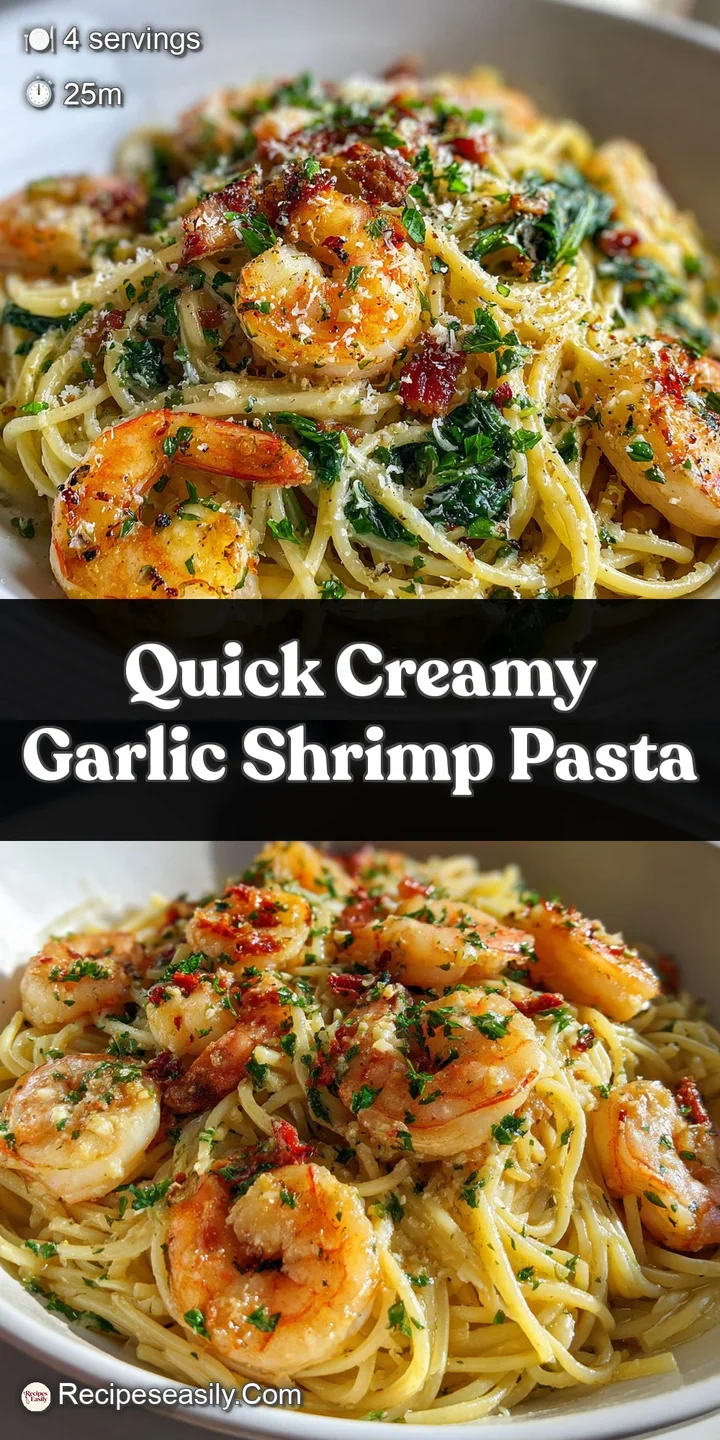
Quick Creamy Garlic Shrimp Pasta

- Time: Active 10 minutes, Passive 15 minutes, Total 25 minutes
- Flavor/Texture Hook: Velvety garlic cream with a zesty lemon snap
- Perfect for: Stressful weeknight dinners or a quick date night
- Creating the Perfect Quick Creamy Garlic Shrimp Pasta at Home
- Essential Tips for Success
- Component Analysis and Ingredient Deep Dive
- The Alchemy of Selecting Your Elements
- Quick Decision Shortcuts
- Executing the Workflow
- Managing Common Kitchen Hurdles
- Adjusting for Different Needs
- Debunking Common Kitchen Myths
- Storage Guidelines and Zero Waste
- Best Ways to Serve
- Recipe FAQs
- 📝 Recipe Card
Creating the Perfect Quick Creamy Garlic Shrimp Pasta at Home
You know that specific sizzle when cold shrimp hits a scorching hot pan? It is one of my favorite sounds in the world. I remember one Tuesday after a long shift when I was ready to settle for a bowl of cereal, but I found a bag of shrimp in the freezer and a half empty jar of cream.
I threw it all together in about 20 minutes, and it was so much better than anything I could have ordered.
The secret I discovered that night was not in the ingredients, but in the timing. We've all had that pasta where the sauce is a watery mess at the bottom of the bowl or, even worse, the shrimp are like little rubber erasers. This method fixes all of that by focusing on a fast sear and a tight sauce emulsion.
It's the kind of meal that makes you feel like you actually have your life together, even if you're eating it in your pajamas.
We are going for a sauce that clings to the linguine like a silk glove. No more "sauce puddles" here. We’ll use the pasta water as our secret weapon to bridge the gap between the heavy cream and the noodles.
Trust me, once you see how the starch transforms the pan drippings into gold, you'll never drain your pasta the same way again.
Essential Tips for Success
Starch Suspension: Starchy pasta water acts as a natural bridge between the fats in the cream/butter and the water based lemon juice. It creates a stable emulsion that coats the noodles instead of sliding off.
Protein Denaturation: Searing shrimp quickly at high heat causes the proteins to tighten and brown via the Maillard reaction before the inside loses its moisture. This keeps the center snappy rather than mushy.
Carryover Heat Management: Removing the shrimp before the sauce reaches its final thickness prevents them from overcooking into a rubbery texture while the cream reduces.
| Method | Time | Texture | Best For |
|---|---|---|---|
| Stovetop Skillet | 15 minutes | Silky and glossy | Quick weeknight dinners |
| Oven Finished | 25 minutes | Set and bubbly | Feeding a crowd |
| Cold Start Garlic | 18 minutes | Deeply infused | Maximum garlic punch |
If you are looking for a lighter vibe for another night, this technique is very similar to how I handle the dressing in my Simple Greek Pasta recipe. Both rely on a balance of fats and acids to keep things bright.
Component Analysis and Ingredient Deep Dive
| Ingredient | Science Role | Pro Secret |
|---|---|---|
| Heavy Cream | Fat Base | Use room temp cream to prevent the sauce from breaking when hitting the hot pan. |
| Pasta Water | Emulsifier | This "liquid gold" contains starch that binds the fat to the pasta perfectly. |
| Fresh Garlic | Aromatics | Slice some and mince some to get both texture and intense flavor throughout. |
| Cold Butter | Gloss Agent | Stirring in cold butter at the very end creates a "monte au beurre" finish. |
Chef's Tip: Freeze your butter for 10 minutes before cubing it. When those icy cold cubes hit the hot sauce, they emulsify much more smoothly than room temperature butter, giving you that glass like finish on the sauce.
The Alchemy of Selecting Your Elements
- 1 lb large shrimp: Peeled and deveined. Why this? Large shrimp stay juicier during the over high heat sear.
- 12 oz linguine: Or fettuccine. Why this? Wide, flat noodles provide more surface area for the cream to cling to.
- 3/4 cup heavy cream: The real deal, not half and half. Why this? High fat content prevents the sauce from curdling when lemon is added.
- 1/2 cup Parmesan cheese: Freshly grated is a must. Why this? Pre shredded cheese is coated in starch that makes the sauce grainy.
- 2 cups fresh baby spinach: Packed. Why this? It wilts instantly and adds a much needed earthy balance.
- 2 tbsp unsalted butter: Cold and cubed.
- 1 tbsp extra virgin olive oil: For the initial sear.
- 6 cloves fresh garlic: Mince them finely.
- 1 tbsp fresh lemon juice: For that necessary hit of acid.
- 0.5 tsp lemon zest: To brighten the aromatics.
- 0.5 tsp paprika: Just enough for a subtle warmth and color.
- 0.5 tsp salt: Adjust to taste.
- 0.25 tsp cracked black pepper: Freshly ground for the best kick.
| Original Ingredient | Substitute | Why It Works |
|---|---|---|
| Heavy Cream (3/4 cup) | Full fat Coconut Milk | Same fat content. Note: Adds a distinct tropical flavor profile. |
| Linguine (12 oz) | Zucchini Noodles | Low carb. Note: Does not provide starch, so sauce will be thinner. |
| Shrimp (1 lb) | Scallops | Similar cook time. Note: Requires a drier pan for a proper crust. |
Quick Decision Shortcuts
- If you want a thicker sauce, add an extra 1/4 cup of Parmesan cheese at the very end.
- If you want a lighter feel, swap half the cream for chicken broth and a teaspoon of cornstarch.
- If you want a spicy kick, toss in 1/2 teaspoon of red pepper flakes with the garlic.
Executing the Workflow
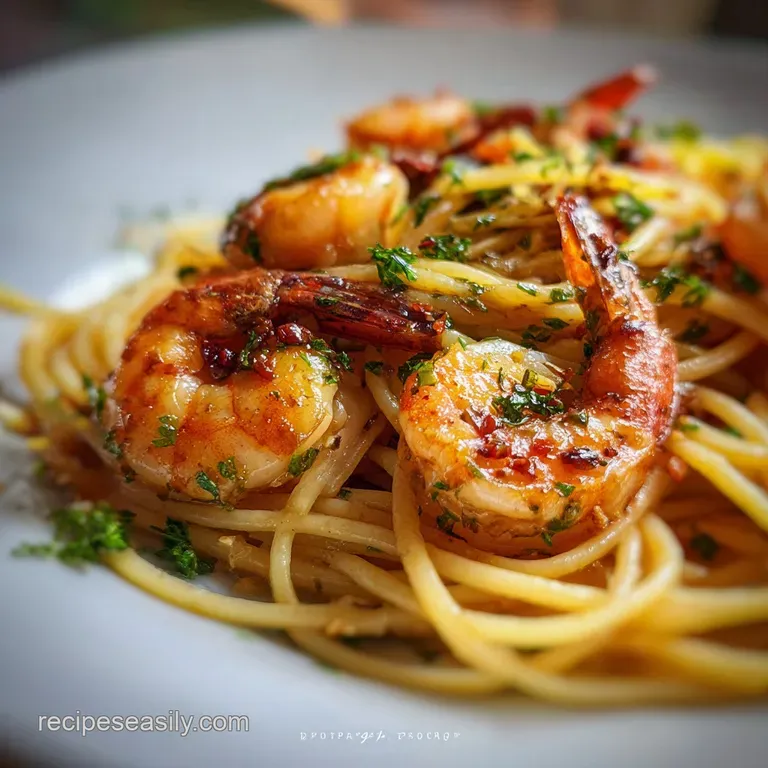
- Boil the pasta. Cook the 12 oz linguine in salted water 1 minute less than the package says until it is al dente.
- Prep the shrimp. Pat the 1 lb shrimp bone dry with paper towels and season with salt, pepper, and 0.5 tsp paprika. Note: Dry shrimp sear; wet shrimp steam.
- Sear the protein. Heat 1 tbsp oil in a large skillet and cook shrimp for 2 minutes per side until they turn opaque and pink.
- Remove and rest. Take the shrimp out of the pan and set them aside on a plate. Note: This prevents overcooking while you build the sauce base.
- Sauté the aromatics. In the same pan, melt 1 tbsp of butter and add the 6 cloves of minced garlic until fragrant and just starting to golden.
- Build the base. Pour in 3/4 cup heavy cream and 1 tbsp lemon juice, scraping up the browned bits from the bottom.
- Simmer and reduce. Let the sauce bubble for 2-3 minutes until it slightly thickens and coats the back of a spoon.
- Combine the elements. Toss the pasta, 2 cups baby spinach, and a splash of pasta water into the skillet.
- Emulsify the sauce. Stir in the 1/2 cup Parmesan and the remaining 1 tbsp of cold butter until the spinach wilts and the sauce is glossy.
- Final finish. Add the shrimp back in along with the 0.5 tsp lemon zest and toss everything together until heated through and velvety.
Chef's Tip: Don't just dump the garlic in. Push it to the center of the pan where the butter is pooling, and watch it like a hawk. Garlic goes from perfect to bitter in about ten seconds.
Managing Common Kitchen Hurdles
Rubbery or Tough Shrimp
This usually happens because the shrimp were left in the pan while the sauce reduced. Shrimp only need about 4 minutes total of direct heat. If they curl into a tight "O" shape, they are overdone. Aim for a "C" shape for the most tender bite.
Grainy or Broken Sauce
If your sauce looks like it’s separating or has little white clumps, the heat was likely too high when you added the Parmesan. High heat causes the proteins in the cheese to clump together instead of melting smoothly into the fat.
| Problem | Root Cause | Solution |
|---|---|---|
| Thin, watery sauce | Not enough reduction | Simmer for 2 extra minutes before adding pasta. |
| Clumping cheese | Pre shredded cheese used | Always grate Parmesan fresh from the block. |
| Bitter flavor | Burnt garlic | Sauté garlic on medium low and add liquid immediately once fragrant. |
Common Mistakes Checklist ✓ Never skip the shrimp drying step; moisture is the enemy of a good sear. ✓ Save at least a cup of pasta water before draining; you'll need it for the emulsion. ✓ Don't use bottled lemon juice; the preservatives change the flavor of the cream.
✓ Keep the shrimp on a separate plate until the very last minute of cooking.
Adjusting for Different Needs
When you are scaling this dish down for two people, it is pretty straightforward. Just halve everything, but keep an eye on the sauce reduction it will happen much faster in a large pan. If you are scaling up to feed eight, work in batches to sear the shrimp.
If you crowd the pan, they will release juice and steam rather than getting that beautiful brown crust.
For big groups, I usually increase the spices to 1.5x rather than doubling them completely. Sometimes a full double dose of salt can be overwhelming when the sauce concentrates. If you're a fan of batch cooking, you might also like my Healthy Meal Prep recipe which uses similar protein searing techniques.
Debunking Common Kitchen Myths
Many people believe you should rinse pasta to stop the cooking process. Please, don't do this! Rinsing washes away the very starch we need to make the garlic cream sauce stick to the noodles. The only time you rinse pasta is for a cold salad, like when I'm making a Simple Greek Pasta recipe.
Another myth is that you must cook shrimp until they are completely firm in the pan. Because of carryover heat, shrimp continue to cook for a minute or two after you take them off the flame. If they look 90% done in the pan, they are actually perfect.
Storage Guidelines and Zero Waste
Storage: This pasta is best fresh, but it will keep in the fridge for up to 2 days. The sauce will thicken significantly as it cools. When reheating, add a tablespoon of water or milk to loosen the cream base back up.
Freezing: I don't recommend freezing the assembled dish as the cream sauce tends to break and become grainy when thawed. However, you can freeze the seared shrimp and the cooked pasta separately.
Zero Waste: Don't throw away those lemon peels! After zesting, you can toss the used lemon halves into your garbage disposal to freshen it up, or use them to scrub your wooden cutting board with some coarse salt.
If you have leftover spinach that's starting to look sad, blend it into a quick pesto or freeze it for your next morning smoothie.
Best Ways to Serve
This dish is quite rich, so it loves a crisp partner. A simple green salad with a sharp vinaigrette helps cut through the heavy cream. If you want something more substantial, a side of roasted broccoli or asparagus works beautifully.
For drinks, a cold glass of Sauvignon Blanc or a light Pinot Grigio is the classic choice. The acidity in the wine mimics the lemon juice in the pasta, keeping your palate refreshed between bites. If you're skipping the alcohol, a sparkling water with a heavy squeeze of lime does the trick just as well.
It’s all about balancing that velvety fat with something bright and sharp.
Recipe FAQs
Can I use dried herbs instead of fresh in this pasta?
Yes, but use less. Dried herbs are more potent, so start with about 1/3 of the fresh amount. You can always add more if needed.
My sauce turned out too thin, what did I do wrong?
You likely didn't reduce the cream enough. Simmer the cream sauce for an additional 2-3 minutes before adding the pasta to allow it to thicken properly. The starchy pasta water will also help bind it.
How do I prevent my shrimp from becoming rubbery?
Remove shrimp from the pan once they're just pink. Shrimp cook very quickly and continue to cook from residual heat. Adding them back at the very end ensures they stay tender.
Is it okay to skip reserving pasta water?
No, don't skip it. The starchy pasta water is crucial for emulsifying the sauce, helping it cling to the noodles rather than pooling at the bottom of the bowl. It's like liquid gold for your pasta sauce.
What's the best way to reheat leftovers?
Gently reheat on the stove with a splash of liquid. Add a tablespoon of water, milk, or broth to the pan to loosen the sauce as it warms. Avoid microwaving if possible, as it can make the sauce grainy.
Can I make this recipe dairy-free?
Yes, with a few substitutions. You can use full fat coconut milk instead of heavy cream and a dairy-free butter alternative. Be aware that coconut milk will impart a slight tropical flavor.
Why is my sauce grainy or separating?
This often happens from high heat when adding cheese or dairy. Ensure your heat is on medium low when incorporating the Parmesan and butter at the end. Using freshly grated Parmesan also prevents graininess.
Creamy Garlic Shrimp Pasta
Ingredients:
Instructions:
Nutrition Facts:
| Calories | 718 kcal |
|---|---|
| Protein | 38.9 g |
| Fat | 34.2 g |
| Carbs | 66.4 g |
| Fiber | 3.2 g |
| Sugar | 2.1 g |
| Sodium | 685 mg |
