Cream Cheese Mashed Potatoes: Silky & Fluffy
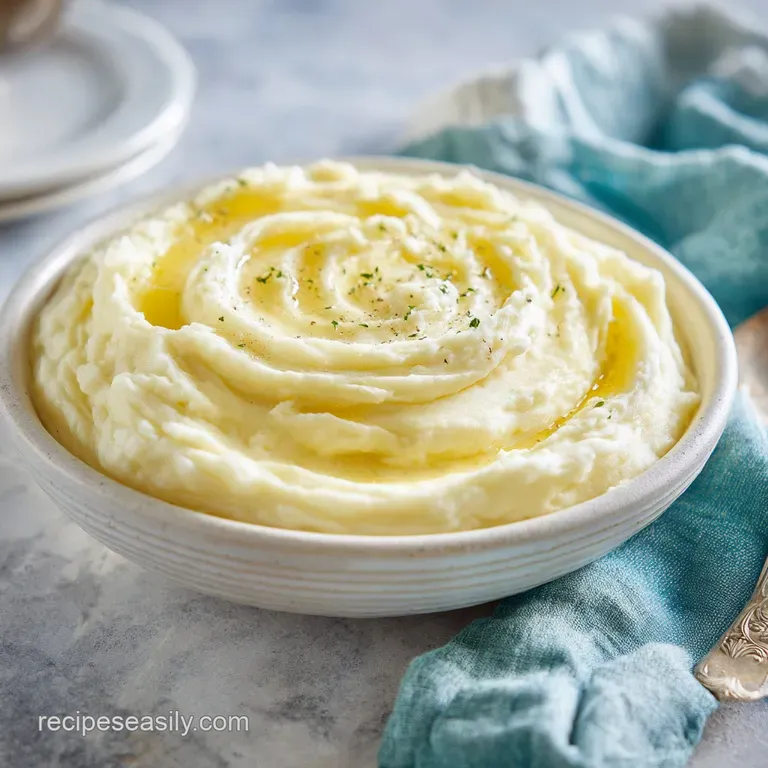
- Time: Active 10 minutes, Passive 20 minutes, Total 30 minutes
- Flavor/Texture Hook: Silky, buttery, and deeply savory
- Perfect for: Stress free holiday sides or cozy weeknight comfort
- Master the Ultimate Creamy Mashed Potatoes
- The Molecular Magic of Potato Starch
- Component Analysis for Peak Texture
- Basic Tools for a Fluffy Texture
- Step-by-Step Guide to Buttery Perfection
- Fixing Common Texture and Moisture Issues
- Scaling for Large Holiday Crowds
- Debunking Common Potato Myths
- Smart Storage and Efficient Reheating Methods
- Best Mains to Serve with Mash
- Recipe FAQs
- 📝 Recipe Card
Master the Ultimate Creamy Mashed Potatoes
I still remember the first time I tried to make "fancy" potatoes for a date night. I thought I'd be clever and use a food processor to get them extra smooth. Big mistake. Within seconds, those beautiful Yukon Golds turned into a bowl of literal gray wallpaper paste. It was gummy, stretchy, and frankly, a bit tragic.
We ended up eating takeout, and I spent the rest of the night scrubbing glue out of my blender blades.
Since that kitchen disaster, I've learned that the secret to the best perfect mashed potatoes isn't fancy equipment it's actually about how you treat the starch. You want these to be velvety and light, almost like they're melting on your tongue.
We're going to use a simple hand masher and a few specific steps that guarantee a fluffy result every single time without the gluey nightmare.
The Molecular Magic of Potato Starch
Starch Gelatinization Control: By starting the potatoes in cold water, you ensure the heat penetrates the center at the same rate the outside cooks, preventing the exterior from disintegrating before the middle is soft. This leads to a consistent texture that absorbs butter without becoming heavy.
| Method | Time | Texture | Best For |
|---|---|---|---|
| Stovetop | 30 minutes | Fluffy & Light | Classic holiday dinners |
| Oven (Roasted) | 1 hours | Dense & Nutty | Intense potato flavor |
| Slow Cooker | 4 hours | Soft & Moist | Large crowds/Hands off |
Choosing the stovetop method is almost always the winner for a standard weeknight because it gives you the most control over the "steam dry" phase. If you're looking for a twist on the traditional, you might also enjoy a Parmesan Mashed Potatoes recipe for an extra salty kick.
Component Analysis for Peak Texture
| Ingredient | Science Role | Pro Secret |
|---|---|---|
| Yukon Gold Potatoes | High starch, low water | Provides a naturally buttery color and creamy base. |
| Cream Cheese | Emulsification | The lactic acid prevents the fat from separating, keeping the mash stable. |
| Heavy Cream | Fat Suspension | Coats the starch molecules to prevent them from bonding into "glue." |
For this Perfect Mashed Potatoes recipe, we are sticking to the classics. You'll need 3 lbs Yukon Gold Potatoes, peeled and chopped into 1 inch chunks to ensure they cook quickly.
Don't forget the 1 tbsp Sea Salt for the boiling water; it’s your only chance to season the potatoes from the inside out.
We’ll also incorporate 1/2 cup Unsalted Butter and 4 oz Full fat Cream cheese (make sure it’s softened!) for that signature rich mouthfeel. For the liquid, 1/2 cup Heavy Cream is non negotiable for silkiness.
Finally, we'll round it out with 1 tsp Garlic powder, salt, black pepper, and 2 tbsp Fresh chives for a pop of color.
| Original Ingredient | Substitute | Why It Works |
|---|---|---|
| Heavy Cream (1/2 cup) | Whole Milk (1/2 cup) | Lighter result. Note: Less velvety than the cream version. |
| Cream Cheese | Sour Cream | Adds a similar tang but is slightly more acidic and thinner. |
| Chives | Green Onions | Provides a sharper, more aggressive onion bite. |
If you happen to have a bag of sweet potatoes sitting around, you can apply similar logic to a Mashed Sweet Potatoes recipe for a vibrant, sweeter alternative.
Basic Tools for a Fluffy Texture
You really don't need a pantry full of gadgets for this. A large heavy bottomed pot (like a 5 quart Dutch oven) is essential for even boiling. A simple hand masher works wonders, though if you’re a perfectionist, a potato ricer will give you that restaurant style "shatter" of fluffiness.
Stay away from hand mixers or food processors for this specific dish. They move too fast and break the starch cells, which is exactly how you end up with that wallpaper paste texture I mentioned earlier. Just a sturdy spoon and a bit of arm muscle will do the trick.
step-by-step Guide to Buttery Perfection
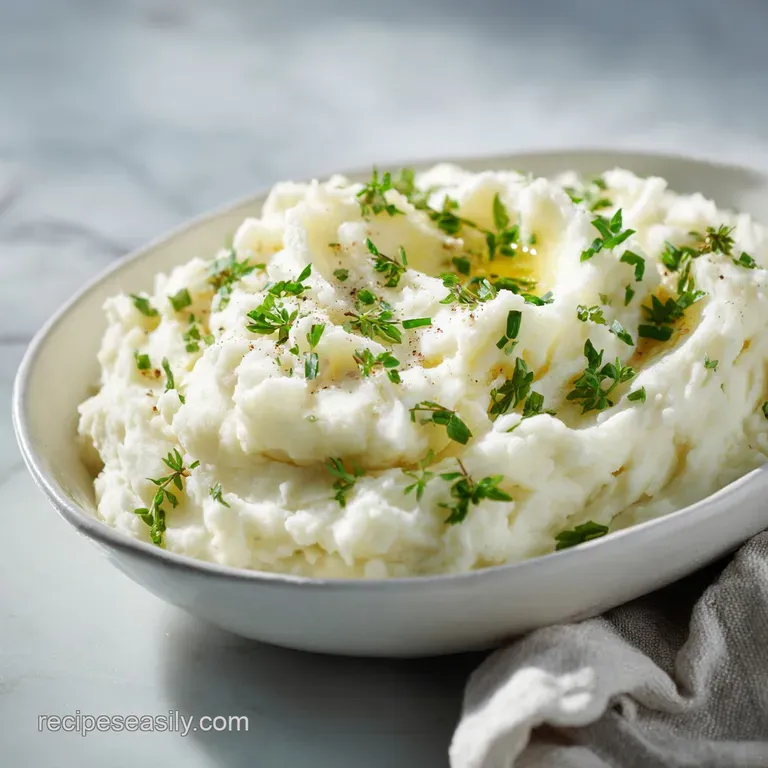
- Submerge 3 lbs Yukon Gold Potatoes in a large pot. Note: Always start with cold water so the outsides don't overcook.
- Season with 1 tbsp Sea Salt. Bring to a boil over high heat.
- Simmer for 15-20 minutes until the potatoes slide easily off a knife when pierced.
- Drain the water thoroughly in a colander.
- Steam dry the potatoes. Note: Return the drained spuds to the hot pot for 1 minute to evaporate excess moisture.
- Mash the hot potatoes using a hand masher. Stop once no large lumps remain to avoid over mixing.
- Incorporate 1/2 cup Unsalted Butter and 4 oz softened Cream cheese. Stir until melted and velvety.
- Drizzle in 1/2 cup Heavy Cream and 1 tsp Garlic powder.
- Season with salt and black pepper until the flavors pop.
- Garnish with 2 tbsp Fresh chives and serve immediately while steaming hot.
Chef's Tip: Warm your heavy cream and butter in a small saucepan before adding them to the potatoes. Cold dairy shocks the starch and makes the final dish cool down too fast!
Fixing Common Texture and Moisture Issues
Avoiding the Gluey Texture
If your mash feels like elastic or rubber, you’ve likely over worked the starch. This usually happens with electric mixers. To fix this, you can spread the potatoes in a baking dish, top with extra cheese, and bake them into a gratin style the heat helps mask the texture.
Correcting Runny or Soupy Mash
Sometimes we add too much cream too fast. If the mixture looks more like soup than a side dish, don't panic. You can simmer it on very low heat while stirring constantly to evaporate moisture, or stir in a tablespoon of instant potato flakes if you have them in the pantry.
| Problem | Root Cause | Solution |
|---|---|---|
| Lumpy Mesh | Under cooked centers | Return to pot with a splash of milk and mash over low heat. |
| Bland Flavor | Under seasoned water | Add a pinch of salt at the very end and a dash of lemon juice. |
| Cold Potatoes | Slow assembly | Use a pre warmed bowl or keep in a slow cooker on "Warm." |
Common Mistakes Checklist
- ✓ Never add potatoes to already boiling water; they’ll cook unevenly.
- ✓ Don't skip the "steam dry" step; excess water makes mash bland.
- ✓ Use "softened" cream cheese to ensure it blends without leaving white lumps.
- ✓ Mash by hand for the most control over the final texture.
- ✓ Taste for salt only after adding the butter and cream.
Scaling for Large Holiday Crowds
When you're doubling this easy mashed potatoes recipe for a big dinner, don't just double everything blindly. For 12 servings, use 6 lbs of potatoes, but only increase your salt and garlic powder to about 1.5 times the original amount first, then adjust to taste.
If you're cooking for just two people, halve the recipe but keep one small egg yolk in the mix if you want an extra rich "Duchess" style finish. Be aware that smaller batches cook faster, so start checking for tenderness at the 12 minute mark.
Debunking Common Potato Myths
A common misconception is that you should leave the skins on for better nutrition during boiling. While it’s true there are vitamins in the skin, boiling whole unpeeled potatoes actually traps more moisture inside, which can lead to a watery mash.
For the best creamy mashed potatoes, peel them first so the steam can escape during the drying phase.
Another myth is that "any potato works." Honestly, don't even bother with Waxy Red potatoes for a mash like this. They don't break down properly and will always leave you with a chunky, inconsistent texture. Stick to Yukon Gold or Russets for that iconic cloud like feel.
Smart Storage and Efficient Reheating Methods
Storage: Keep your leftovers in an airtight container in the fridge for up to 4 days. If you want to freeze them, these actually hold up well because of the high fat content from the cream cheese! They’ll stay good for 2 months.
Zero Waste: Don't throw out the potato peels! Toss them with olive oil and salt, then air fry them at 200°C for 10 minutes for a crispy snack.
If you have leftover mash, they make the world's best potato pancakes just mix with an egg and some flour, then pan fry until they sizzle and turn golden brown.
Best Mains to Serve with Mash
This velvety side is the ultimate partner for anything with a sauce or gravy. It's essentially a sponge for flavor. I love serving this alongside a slow roasted pot roast or a crispy pan seared chicken breast.
- For a steakhouse feel
- Serve with a ribeye and extra cracked black pepper.
- For pure comfort
- Pair with a classic meatloaf and a side of honey glazed carrots.
- For a lighter meal
- Use it as a base for grilled salmon and steamed asparagus.
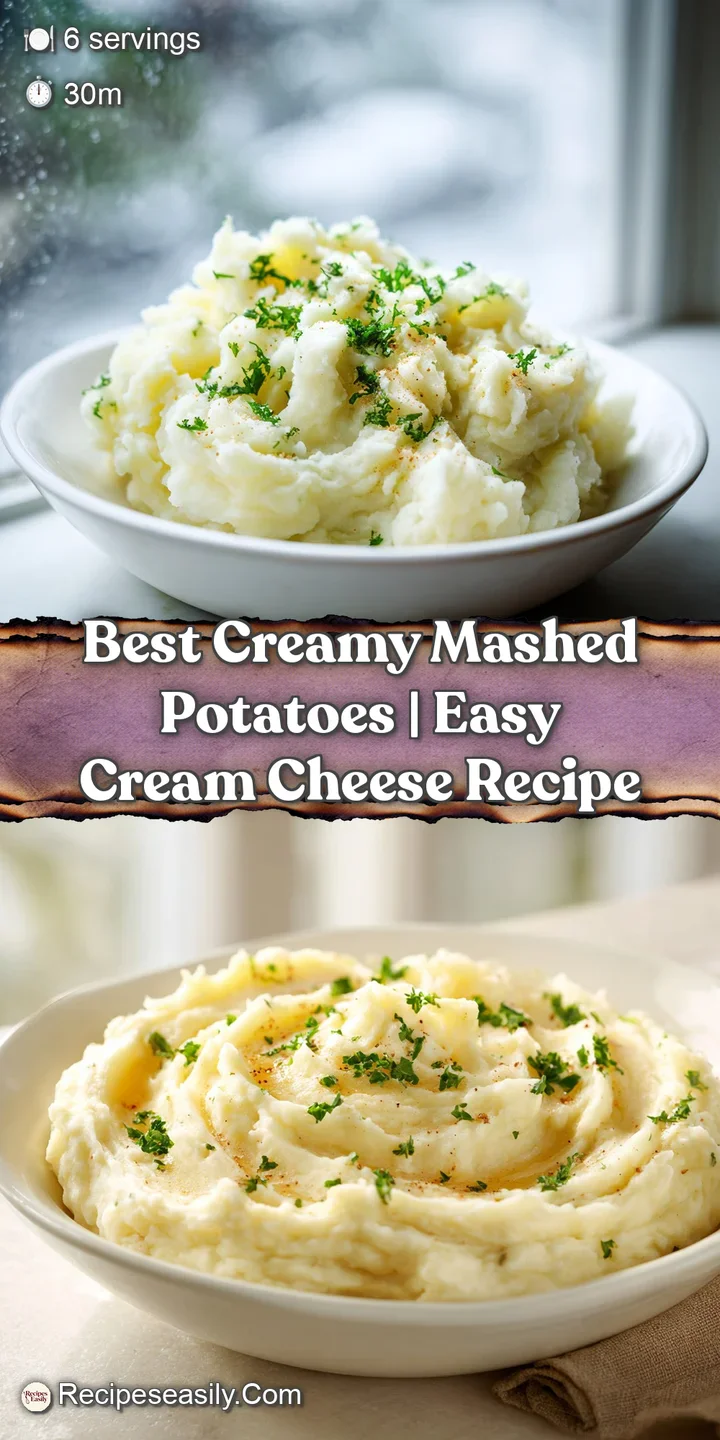
Ultimately, the best perfect mashed potatoes are the ones that make you want to lick the spoon. Don't be afraid to be generous with the butter it's the secret to that restaurant quality finish we all crave!
Recipe FAQs
What is the secret to really good mashed potatoes?
Yes, draining and steaming the potatoes thoroughly is the secret. Excess moisture dilutes flavor and prevents proper starch absorption, leading to a watery result. Ensure the potatoes are completely dry after draining before adding fat.
How to make the best mash potato ever?
Use high starch potatoes like Yukon Gold, start them in cold water, and use warm dairy products. Cold dairy shocks the starch structure, resulting in a heavier mash. Warming your butter and cream first ensures perfect emulsification and silky texture, much like stabilizing the fats in our Tasty Creamy Butter beans recipe.
What makes the best mashed potatoes in the world?
A balance of high fat dairy and a non-reactive mashing tool is key to global recognition. The best feature a creamy mouthfeel, achieved by incorporating cream cheese or mascarpone for stability, avoiding overworking the starches to prevent gumminess.
How do restaurants make their mashed potatoes taste so good?
They use excessive amounts of quality butter and often finish the mash with a touch of acid or high fat cheese. This richness coats the starch molecules, leading to that characteristic melt-in-your mouth texture you can't easily replicate at home without being heavy handed with the dairy.
Is it true I must use a potato ricer for perfect texture?
No, this is a common misconception. While a ricer provides the fluffiest result, a sturdy hand masher used gently is perfectly acceptable. If you enjoy controlling the texture of doughs, see how the same principle of gentle handling applies to our Easy French Garlic Chicken recipe where we focus on crispy skin.
Why do my mashed potatoes turn gluey and elastic?
Yes, the mash became gluey because the starch cells ruptured due to excessive mechanical action. High speed mixers or food processors overwork the potato, releasing too much amylopectin, which gels into an unpleasant, sticky mass.
Should I add seasoning to the potatoes before or after boiling?
You must add salt directly to the boiling water first for internal seasoning. Adding all salt after boiling only seasons the exterior of the potatoes, leaving the core bland. Make sure to taste and adjust again once the butter and cream are incorporated, as dairy dulls salt perception.
Creamy Mashed Potatoes Recipe
Ingredients:
Instructions:
Nutrition Facts:
| Calories | 448 kcal |
|---|---|
| Protein | 6.3 g |
| Fat | 29.5 g |
| Carbs | 40.2 g |
| Fiber | 5.0 g |
| Sugar | 2.1 g |
| Sodium | 662 mg |
