Oven Baked Chicken Thighs Recipe: Shatter Crisp Skin
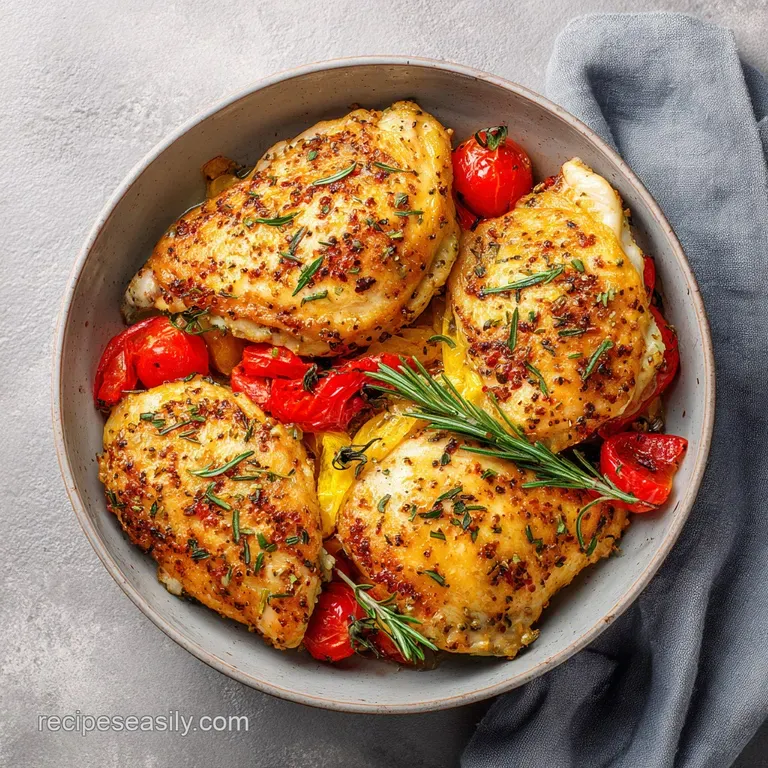
- Time: Active 10 minutes, Passive 25 minutes, Total 35 minutes
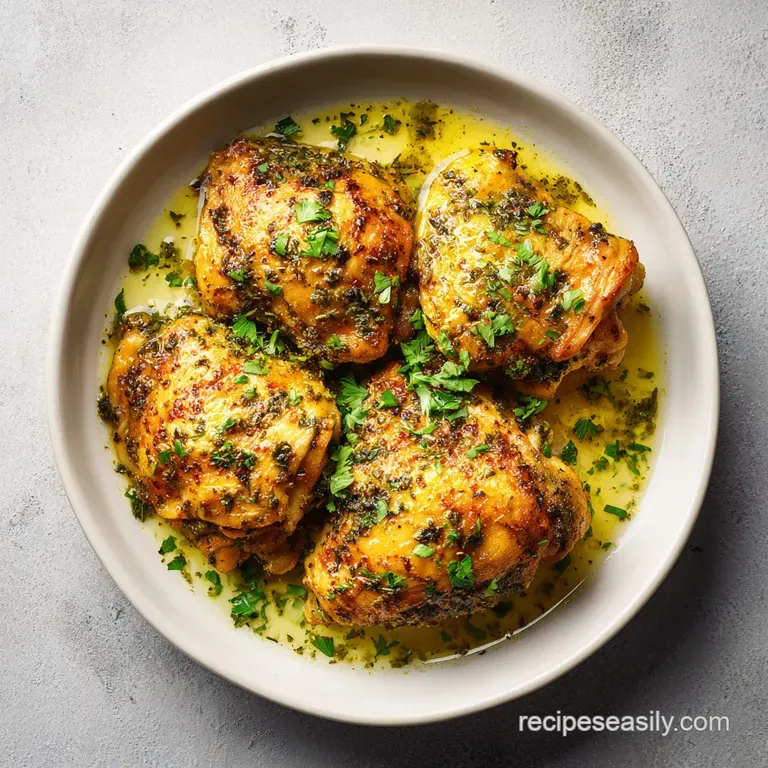
- Flavor/Texture Hook: Shatter crisp skin with velvety, juice heavy meat
- Perfect for: Weeknight dinners, budget-friendly meal prep, and beginner cooks
Mastering This Oven Baked Chicken Thighs Recipe
You know that sound when you tap the back of a spoon against a perfectly roasted piece of chicken and it sounds like a hollow drum? That is exactly what we are chasing today. For years, I was a "chicken breast only" person because I thought it was healthier, but I was actually just punishing myself with dry, stringy meat.
One rainy Tuesday, I accidentally bought a pack of bone in thighs because they were half the price of the breasts, and my kitchen life changed forever. The moment that hot fat started to sizzle and render in the pan, filling the house with that savory, rotisserie style aroma, I knew I was never going back.
This oven baked chicken thighs recipe is my "holy grail" for busy nights when I have zero energy but still want something that tastes like a Sunday feast. We are talking about skin so crispy it practically shatters when you bite into it, paired with meat that stays juicy even if you accidentally leave it in the oven for five minutes too long.
It is the most forgiving piece of protein you will ever cook. Best of all, we are using basic pantry staples to get these results. No fancy equipment, no expensive marinades, just smart techniques that work every single time.
Secrets for Crispy Results
Most people struggle with soggy skin or rubbery fat because they roast at too low a temperature. To get that legendary crunch, we have to manipulate the surface of the chicken. By adding a tiny bit of baking powder to our dry rub, we change the pH level of the skin, which helps break down the proteins and leads to a more intense browning.
It sounds like a science experiment, but the result is pure texture magic.
Alkaline Surface Reaction: Baking powder increases the skin's pH, accelerating the Maillard reaction and creating tiny CO2 bubbles for extra surface area.
Thermal Rendering: High heat at 425°F forces the subcutaneous fat to melt quickly, essentially frying the skin from the inside out as it roasts.
Airflow Dynamics: Placing the meat on a wire rack allows hot air to circulate underneath, preventing the bottom from steaming in its own juices.
Protein Denaturation: The steady heat breaks down collagen into gelatin, which coats the muscle fibers and creates a silky, mouth coating texture.
Method and Texture Comparison
| Method | Time | Texture | Best For |
|---|---|---|---|
| Stovetop | 20 minutes | Heavily charred, uneven | Getting a quick sear |
| Standard Oven | 25 minutes | Uniformly crisp, juicy | Consistent weeknight results |
| Air Fryer | 18 minutes | Very dry skin, smaller yield | Cooking for one or two |
Roasting in the oven provides the most consistent environment for this oven baked chicken thighs recipe. While the stovetop gives you great color, it often leaves the meat near the bone slightly underdone unless you use a lid, which then ruins your crispy skin.
The oven acts like a convection chamber, surrounding the chicken with dry heat that targets the fat without drying out the center.
Essential Preparation Data
Before we get our hands dirty, let's look at the basic stats for this dish. We are aiming for a high intensity cook that doesn't require you to hover over the stove for an hour. This is a "set it and forget it" situation once the tray hits the oven rack.
| Item | Details | Notes |
|---|---|---|
| Yield | 4 Servings | Approx. 1 thigh per person |
| Prep Time | 10 minutes | Mostly spice mixing |
| Cook Time | 25 minutes | At 425°F (220°C) |
| Ideal Temp | 175°F | Higher than breasts for tenderness |
Component Analysis
| Ingredient | Science Role | Pro Secret |
|---|---|---|
| Baking Powder | pH Modifier | Use aluminum free to avoid a metallic aftertaste. |
| Smoked Paprika | Color/Sugar | Provides a deep mahogany hue without burning like sugar based rubs. |
| Bone in Thighs | Heat Conductor | The bone acts as a thermal battery, cooking the meat from the inside. |
Choosing the Best Ingredients
For this specific chicken thighs recipe, the quality of your spices matters more than the price of the bird. Since we are roasting at high heat, we want fats that won't smoke you out of the kitchen and spices that can stand up to the intensity of the oven.
- 1.75 lb bone in, skin on chicken thighs: The skin is non negotiable for crunch, and the bone keeps the meat from shrinking. Why this? Dark meat has more fat, preventing it from drying out at high temperatures.
- 1 tbsp extra virgin olive oil: This acts as the "glue" for our spices. Why this? It helps conduct heat directly into the skin for faster rendering.
- 1 tsp kosher salt: Use a coarse grain for better coverage. Why this? It draws out moisture from the surface to help the skin crisp up.
- 0.5 tsp baking powder: This is the secret to that "fried" texture without the oil. Why this? It creates microscopic bubbles that crisp up in the heat.
- 1 tsp smoked paprika: Adds a woody, campfire depth. Why this? It gives the chicken a rich color that looks professionally roasted.
- 1 tsp garlic powder: Provides a savory base. Why this? Fresh garlic would burn at 425°F; powder stays sweet and toasted.
- 0.5 tsp onion powder: Adds subtle sweetness. Why this? It rounds out the sharp salt and smoky paprika notes.
- 0.5 tsp cracked black pepper: For a little bite. Why this? Large cracks provide bursts of flavor unlike fine ground pepper.
- 0.25 tsp dried oregano: A touch of earthiness. Why this? Oregano thrives in dry heat and smells incredible as it roasts.
Tools for Success
You don't need a professional kitchen, but a few specific items will make your life much easier. I used to just throw my chicken on a flat baking sheet, but I always ended up with a soggy "bottom" where the chicken sat in its own fat. Investing in a wire rack was a total shift for my roasting game.
A standard rimmed baking sheet is perfect for catching all the drippings. If you have a wire cooling rack that fits inside the sheet, use it. This allows the heat to hit the underside of the thighs. You will also want a large mixing bowl to toss the chicken in the oil and spices.
This ensures every nook and cranny is coated. Finally, a digital meat thermometer is your best friend. It takes the guesswork out of "is it done?" and ensures you never serve undercooked meat to your family.
Easy Cooking Steps
- Preheat your oven. Set it to 425°F (220°C). Note: A hot oven is vital for the skin to start rendering immediately.
- Dry the chicken. Pat the 1.75 lb of chicken thighs with paper towels until the skin is completely matte. Note: Any surface moisture will cause the chicken to steam instead of crisp.
- Mix the dry rub. In a small bowl, combine the salt, baking powder, smoked paprika, garlic powder, onion powder, pepper, and oregano.
- Oil the meat. Place thighs in a bowl and drizzle with 1 tbsp olive oil, tossing until every inch is glossy.
- Apply the seasoning. Sprinkle the spice mix over the thighs and rub it in. Note: Make sure to get some seasoning under the skin flaps if possible.
- Arrange the tray. Place the thighs on a wire rack set over a baking sheet, skin side up.
- Roast the chicken. Slide the tray into the center of the oven and bake for 25 minutes until the skin is golden and bubbling.
- Check for doneness. Use a thermometer to ensure the internal temp has hit 175°F. Note: Thighs taste better at 175°F than the standard 165°F as the connective tissue softens.
- Rest the meat. Remove from the oven and let the chicken sit on the rack for 5 minutes. Do not tent with foil, or the steam will soften the skin.
- Serve immediately. Transfer to a plate while the skin is at its peak crunch.
Fixing Common Errors
Even the simplest thighs recipe can go sideways if the details are ignored. The most common issue I see is "flabby skin." This usually happens because the oven wasn't actually up to temperature or the chicken was crowded too closely together on the tray.
Why Skin Stays Soft
If your chicken comes out looking pale and feeling rubbery, it's almost always a moisture problem. If you don't pat the skin dry, the heat of the oven has to evaporate that water before it can start crisping the skin. By the time the water is gone, the meat is finished cooking, leaving you with a soggy exterior.
Another culprit is "crowding." If the thighs are touching, they trap steam between them. Give them at least an inch of space so the air can flow freely.
| Problem | Root Cause | Solution |
|---|---|---|
| Rubbery Skin | Excess surface moisture | Pat dry with 3-4 paper towels before oiling. |
| Burnt Spices | Rack is too high in oven | Move tray to the middle or lower third of the oven. |
| Dry Meat | Overcooking past 185°F | Use a digital thermometer and pull at 170-175°F. |
Common Mistakes Checklist
- ✓ Never skip the baking powder; it is the primary driver of the crunch.
- ✓ Ensure the oven is fully preheated for at least 15 minutes before the chicken goes in.
- ✓ Avoid using "cold" chicken straight from the fridge; let it sit out for 10 minutes to take the chill off.
- ✓ Do not cover the chicken with foil while roasting, as this traps steam.
- ✓ Don't be afraid of the high 425°F heat; thighs have enough fat to handle it.
Smart Budget Swaps
One of the reasons I love this oven baked chicken thighs recipe is that it is incredibly flexible. If you are trying to save money, bone in thighs are almost always the cheapest cut at the butcher counter. You can also play around with the spices based on what is currently in your pantry.
| Original Ingredient | Substitute | Why It Works |
|---|---|---|
| Extra Virgin Olive Oil | Vegetable or Canola Oil | Both have higher smoke points and are more budget friendly. |
| Smoked Paprika | Chili Powder | Adds a similar red color and earthiness. Note: Increases the spice level slightly. |
| Kosher Salt | Sea Salt (Fine) | Use 25% less than the recipe calls for because fine salt is denser. |
If you are looking for a different flavor profile altogether, you can adapt the aromatics easily. If you love these aromatics, you might also like my French Garlic Chicken recipe. It uses a similar over high heat approach but focuses more on fresh cloves and butter for a richer, bistro style finish.
Proper Storage Tips
If you happen to have leftovers, you are in luck. Chicken thighs stay much moister when reheated compared to breasts. I actually love cold roasted chicken sliced over a salad the next day, but if you want that crunch back, you have to be careful with how you warm it up.
Fridge Storage: Store in an airtight container for up to 4 days. Let the chicken cool completely before closing the lid to prevent condensation from making the skin soggy.
Freezer Method: You can freeze these for up to 3 months. Wrap each thigh tightly in plastic wrap, then place them all in a heavy duty freezer bag. To use, thaw in the fridge overnight.
Reheating: Avoid the microwave if you want crispy skin! Instead, put the thighs in a 375°F oven or an air fryer for 5-7 minutes. This will re render the fat and bring back that "shatter" texture we worked so hard for.
Zero Waste Tip: Don't throw away those bones! Toss the leftover bones and any cartilage into a pot with water, an onion, and some celery scraps. Simmer for 2 hours to make a rich, golden chicken stock that beats the boxed stuff any day.
Perfect Serving Pairs
This chicken is a total chameleon. It fits just as well next to a pile of buttery mashed potatoes as it does with a bright, citrusy slaw. Because the flavors are savory and smoky, I like to serve it with something that has a bit of acidity to cut through the richness of the dark meat.
For a full meal, try pairing this with a One Pan Roasted recipe that includes vegetables like carrots or Brussels sprouts. The earthy sweetness of roasted root vegetables complements the smoked paprika beautifully. If you are keeping things low carb, a simple arugula salad with a lemon vinaigrette is all you need. The bitterness of the greens balances the salty, crispy skin perfectly.
The Comfort Platter
If I'm cooking for friends, I usually make a double batch. When scaling up, you might need two baking sheets. Make sure you don't just crowd them all onto one, or they will steam. If you use two sheets, swap their positions halfway through the cooking time to ensure they both get even heat from the oven's heating elements. If you are planning a massive feast and want to compare different proteins, you might even look into a Beef Tenderloin Roast Recipe for a "surf and turf" style spread, though honestly, these thighs often steal the show!
Kitchen Myths Debunked
Many people believe that you must sear chicken in a pan before putting it in the oven to get it crispy. This is a total myth. With high heat (425°F) and the right dry rub, the oven can do all the work for you, saving you from oil splatters on your stovetop.
Another common misconception is that "juice running clear" is the best way to check for doneness. In reality, some bone in chicken will always have a slight pink hue near the joint even when fully cooked. Trust your thermometer, not the color of the juice!
Finally, resting the meat under foil is often recommended, but for skin on chicken, this is a mistake. The foil creates a mini sauna that turns your crispy skin into a wet blanket in seconds. Let it rest uncovered!

Recipe FAQs
Is it better to bake chicken thighs at 375 or 400?
400°F or higher is better for crisp skin. Dark meat benefits from high heat to properly render the fat, so aim for 400°F or the 425°F used in this recipe for the best texture.
Do you bake chicken thighs covered or uncovered in the oven?
Always uncovered. Covering the chicken traps steam, which is the direct enemy of crispy skin.
How to cook chicken thighs in the oven without drying out?
Cook to the correct internal temperature, then stop. Dark meat remains juicy up to 185°F, so pull them around 175°F to account for carryover cooking, ensuring tenderness rather than hitting the standard 165°F breast temperature.
What's the best temperature to bake chicken thighs in the oven?
425°F is optimal for achieving shatteringly crisp skin. This high temperature quickly melts the subcutaneous fat layer, essentially frying the skin while the interior cooks through.
Is it true I must use a wire rack underneath the thighs?
No, but it is highly recommended for superior results. A wire rack allows hot air to circulate beneath the chicken, preventing the bottom from steaming in its rendered fat.
How long should I rest oven baked chicken thighs after cooking?
Rest for 5 minutes uncovered. Do not tent them with foil, as the trapped steam will immediately soften the beautiful crispy skin you worked to achieve.
Can I skip oiling the chicken if I am using a nonstick pan?
No, do not skip the oil, even with nonstick. The oil helps the spice rub adhere perfectly and acts as a thermal conductor to initiate the crisping process faster, similar to how fat coats the protein in our Pollo Asado recipe.
Crispy Baked Chicken Thighs
Ingredients:
Instructions:
Nutrition Facts:
| Calories | 382 calories |
|---|---|
| Protein | 25.8 g |
| Fat | 30.4 g |
| Carbs | 1.2 g |
| Fiber | 0.3 g |
| Sugar | 0.1 g |
| Sodium | 618 mg |
