Easy Chicken Thigh Stirfry Recipe with Vegetables
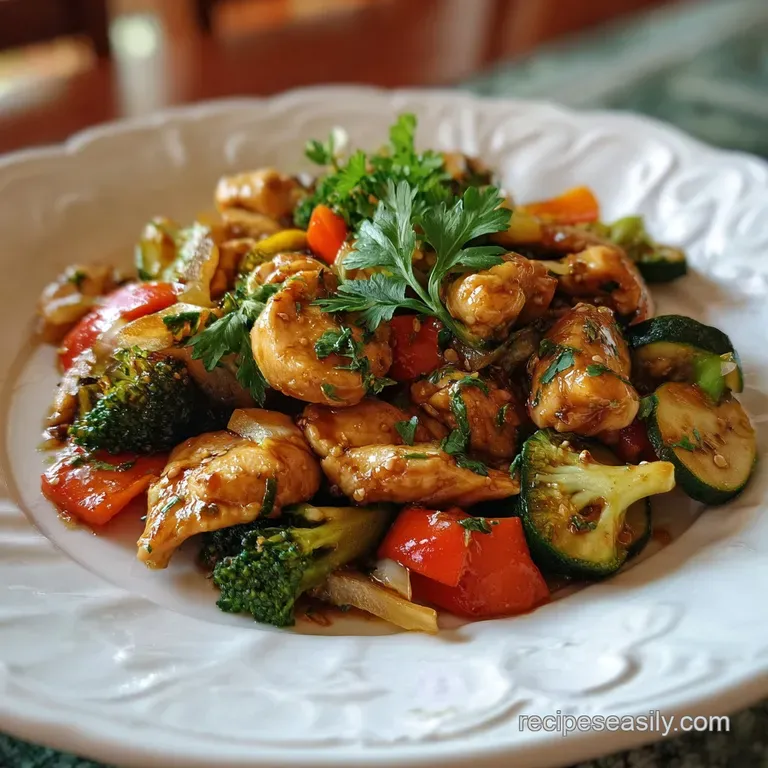
- Time: Active 15 minutes, Passive 10 minutes, Total 25 minutes
- Flavor/Texture Hook: Velvety chicken paired with a savory sweet snap
- Perfect for: Hectic weeknight dinners and meal prep enthusiasts
- Succeed With This Easy Chicken Thigh StirFry Recipe
- The Physics of Protein Tension
- Essential Preparation and Timing Specs
- Deep Dive Into Flavor Building Blocks
- Minimal Tools for Maximum Flavor
- Step-by-Step From Prep to Plate
- Solutions for Common Stir Fry Flaws
- Creative Ingredient Swaps and Twists
- Proper Storage and Zero Waste Tips
- Garnish Ideas for Professional Results
- High in Sodium
- Recipe FAQs
- 📝 Recipe Card
Succeed With This Easy Chicken Thigh StirFry Recipe
The first time I tried making a stir fry at home, it was a soggy disaster. I crowded the pan, used chicken breast that turned into flavorless rubber, and ended up with a pool of gray liquid at the bottom of the bowl. It was heartbreaking. But that failure sparked an obsession.
I spent weeks testing temperatures and chopping techniques until I finally heard that aggressive, beautiful sizzle that signifies a real deal meal.
Now, my kitchen smells like a bustling night market whenever Tuesday rolls around. The aroma of toasted sesame oil and fresh ginger hitting a hot pan is enough to make the neighbors knock on the door. This Easy Chicken Thigh StirFry Recipe is the result of all those "oops" moments.
It’s about high heat, fast movements, and the magic of a simple cornstarch marinade that transforms humble thighs into something silky and restaurant quality.
The Physics of Protein Tension
Starch Barrier: The cornstarch coating creates a microscopic gelatinous shield that prevents the meat's internal juices from evaporating under high heat. This ensures the chicken remains velvety rather than becoming fibrous and dry during the searing process.
Why choose thighs for an Easy Boneless Chicken Thigh Stir Fry Recipe?
Thighs are the unsung heroes of the poultry world because they contain more intramuscular fat and connective tissue than breasts. This higher fat content means they can withstand the aggressive heat of a wok or heavy skillet without drying out.
When you use this Easy Chicken Thigh StirFry Recipe, you're buying yourself a safety net; even if you overcook them by a minute, they stay succulent.
What is the "Velveting" shortcut?
Traditional Chinese cooking often uses a process called velveting, which involves egg whites and oil blanching. For our budget smart home version, we use a "dry velveting" technique.
By tossing the 1 inch (2.5 cm) chicken pieces in a mix of cornstarch, soy sauce, and sesame oil for just 10 minutes, we achieve that signature slippery, tender texture found in high end takeout.
| Method | Time | Texture | Best For |
|---|---|---|---|
| Cast Iron Skillet | 10 minutes | Maximum char and crispy edges | Deep umami and smoky flavor |
| Traditional Wok | 8 minutes | Evenly seared but softer veg | High volume cooking for families |
| Stainless Steel | 12 minutes | Golden brown but prone to sticking | Beginners with standard cookware |
Getting the pan screaming hot is the non negotiable secret here. If you don't hear a violent sizzle the moment the meat touches the oil, take it out and wait. We want to sear, not steam. If you love the intensity of garlic and over high heat cooking here, you’ll find similar vibes in my French Garlic Chicken recipe.
Essential Preparation and Timing Specs
Timing is everything when you’re working with a 10 minute cook window. You cannot be chopping broccoli while the garlic is browning that’s a one way ticket to Burnt Town.
I’ve learned to arrange my "mise en place" (everything in its place) in the order of entry: chicken first, then hardy veggies, then aromatics, and finally the sauce.
| Ingredient | Science Role | Pro Secret |
|---|---|---|
| Cornstarch | Thickening agent & moisture seal | Toss thoroughly until no white powder remains |
| Honey | Caramalization catalyst | Adds a glossy sheen that clings to the meat |
| Rice Vinegar | Acid balance | Cuts through the fat of the chicken thighs |
| Fresh Ginger | Aromatic foundation | Grate it frozen to get a fine, juice rich paste |
Once the pan is hot, the moisture in the vegetables needs to evaporate instantly. If the temperature drops, the vegetables will dump their water and you'll end up with a vegetable soup. For those nights when you want to just toss everything on a tray and walk away, my One Pan Roasted recipe is a total lifesaver, but for the crunch of a stir fry, stay by the stove!
Deep Dive Into Flavor Building Blocks
We are looking for a balance of salt, sweet, and heat. The 1/4 cup (60 ml) of soy sauce provides the salt, while the 2 tbsp (30 ml) of honey brings the sweetness that helps the sauce thicken into a velvety glaze.
Don't skip the 1/2 tsp of red pepper flakes; they don't make it "hot" so much as they provide a back of-the throat warmth that balances the sugar.
- 1.5 lbs chicken thighs: Cut into 1 inch pieces. Why this? Thighs stay juicy under the intense heat required for a proper sear.
- 1 tbsp cornstarch: Used for the marinade. Why this? It creates the "velveting" effect for tender meat.
- 1 tbsp soy sauce (marinade): 15 ml for seasoning.
- 1 tsp toasted sesame oil: 5 ml for nutty aroma.
- 1/4 cup soy sauce (sauce): 60 ml for the base.
- 2 tbsp honey: 30 ml for gloss and sweetness.
- 1 tbsp rice vinegar: 15 ml for acidity.
- 1 tbsp fresh ginger: Grated. Why this? Fresh ginger provides a sharp, spicy bite that powdered versions lack.
- 3 cloves garlic: Minced.
- 1/2 tsp red pepper flakes: For subtle heat.
- 2 cups broccoli florets: Cut small.
- 1 large red bell pepper: Sliced thin.
- 1 cup snap peas or carrots: For crunch.
- 2 tbsp avocado oil: 30 ml for frying.
| Original Ingredient | Substitute | Why It Works |
|---|---|---|
| Honey (2 tbsp) | Brown Sugar (2 tbsp) | Provides similar sweetness and caramel notes. Note: Dissolve well in the sauce. |
| Rice Vinegar (1 tbsp) | Apple Cider Vinegar | Matches the acidity level perfectly. |
| Avocado Oil | Grapeseed Oil | Both have high smoke points, essential for stir frying. |
| Snap Peas | Green Beans | Offers a similar "snap" and bright green color. |
Minimal Tools for Maximum Flavor
You don't need a $200 carbon steel wok to make a brilliant Easy Chicken Thigh StirFry Recipe. I actually prefer a 12 inch cast iron skillet for home stoves. Why? Because home burners don't get as hot as commercial ones, and cast iron holds onto its heat better when you dump in cold ingredients.
A flat bottomed pan is actually superior for electric and induction cooktops because it maintains direct contact with the heat source. You'll also want a sturdy metal spatula something that can scrape the bottom of the pan to pick up those "fond" bits (the little caramelized morsels) that contain all the concentrated flavor.
step-by-step From Prep to Plate
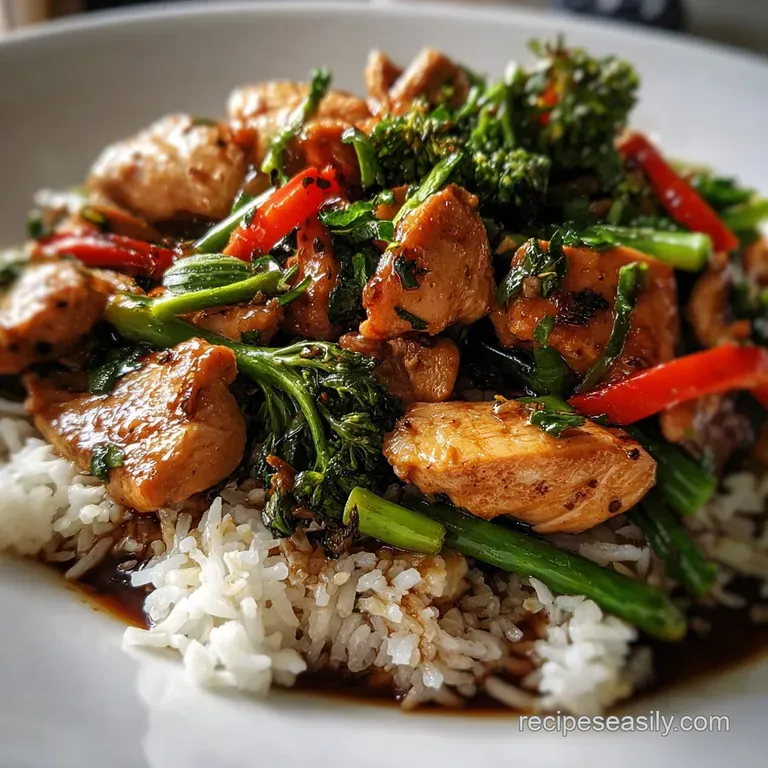
- Marinate the chicken. Combine the chicken pieces with 1 tbsp cornstarch, 1 tbsp soy sauce, and 1 tsp sesame oil. Note: Let this sit for 10 minutes to allow the cornstarch to bond with the protein.
- Whisk the sauce. Mix 1/4 cup soy sauce, honey, rice vinegar, ginger, garlic, and red pepper flakes in a small bowl.
- Heat the oil. Add 2 tbsp avocado oil to your skillet over high heat until it begins to shimmer and smoke slightly.
- Sear the chicken. Spread the chicken in a single layer and cook for 4 minutes until the edges are golden and the centers are opaque.
- Remove poultry. Transfer the chicken to a plate. Note: This prevents the chicken from overcooking while the vegetables soften.
- Sauté the hardy veg. Add broccoli and carrots (or snap peas) to the pan, cooking for 3 minutes until bright green and slightly charred.
- Add bell peppers. Toss in the red peppers for 2 minutes until they just begin to soften but still retain a snap.
- Reintroduce chicken. Return the chicken and any accumulated juices to the pan.
- Deglaze with sauce. Pour the soy honey mixture over everything.
- Thicken and serve. Toss constantly for 1 minute until the sauce bubbles and transforms into a glossy, thick glaze.
Solutions for Common Stir Fry Flaws
One of the biggest hurdles is the "watery sauce" syndrome. This usually happens if the vegetables aren't dried properly after washing. Even a few drops of water can turn a fry into a steam.
Why is my stir fry watery?
The primary culprit is overcrowding. If you put too many vegetables in at once, the temperature of the pan plummets. Instead of searing, the vegetables sit in their own juices. To fix this, always work in batches or ensure you're using the largest pan you own.
Why is my chicken tough?
If you skipped the cornstarch marinade or used chicken breast without adjusting the time, the meat likely lost its internal moisture. The "velveting" process in this Easy Chicken Thigh StirFry Recipe is what prevents the protein strands from tightening up too much.
| Problem | Root Cause | Solution |
|---|---|---|
| Burnt Garlic | Added too early | Add aromatics with the sauce or only in the last 60 seconds. |
| Mushy Broccoli | Cooked too long | Cut into smaller, uniform florets and flash fry. |
| Dull Sauce | Not enough sugar/starch | Simmer for 30 extra seconds to allow reduction. |
Common Mistakes Checklist
- ✓ Pat the chicken and vegetables completely dry with paper towels before cooking.
- ✓ Ensure the oil is shimmering before the first piece of meat touches the pan.
- ✓ Don't stir the chicken immediately; let it sit for 60 seconds to develop a crust.
- ✓ Cut all vegetables to a similar size so they finish cooking at the same time.
- ✓ Use a high smoke point oil like avocado or canola; olive oil will smoke and turn bitter.
Creative Ingredient Swaps and Twists
If you want to keep this an Easy Chicken Thigh Stir Fry Recipe Without Rice, try serving it over a bed of shredded cabbage or spiralized zucchini. The cabbage, in particular, soaks up the ginger garlic sauce beautifully and adds a different kind of crunch.
What if I want more "crunch"?
For an extra textural element, toss in a handful of toasted cashews or peanuts right before serving. The contrast between the velvety chicken and the shatter crisp nuts is incredible. You could also use water chestnuts for a more traditional Asian inspired texture.
Can I use frozen vegetables?
You can, but be warned: they will never be as crisp as fresh. If using frozen, thaw them completely and squeeze out every drop of excess moisture. I recommend increasing the heat slightly to compensate for the extra liquid they will inevitably release.
Proper Storage and Zero Waste Tips
This recipe is a meal prep dream. The flavors actually deepen overnight as the ginger and garlic infuse further into the chicken. Leftover chicken works surprisingly well cold in a Chicken Salad Recipe the next afternoon if you're looking to repurpose the protein.
- Fridge: Store in an airtight container for up to 4 days.
- Freezer: You can freeze the cooked stir fry for up to 2 months, though the peppers may lose some of their snap upon thawing.
- Reheating: Use a skillet over medium high heat with a splash of water to loosen the sauce. Avoid the microwave if you want to keep the vegetables from turning to mush.
- Zero Waste: Don't throw away the broccoli stalks! Peel the woody outer layer, slice the tender inner core into matchsticks, and throw them in with the florets. They are the sweetest part of the vegetable.
Garnish Ideas for Professional Results
Presentation is what separates a "thrown together" meal from a "wow" dinner. A sprinkle of toasted sesame seeds and a handful of thinly sliced green onions (on the bias for that restaurant look) go a long way. The green of the onions against the red bell peppers makes the dish pop visually.
If you have a lime sitting in the fridge, a quick squeeze of fresh juice right before serving adds a hit of brightness that wakes up the heavier soy and honey notes. It's that final layer of acidity that makes you want to go back for a second bowl.
Trust me, once you master the timing of this Thigh StirFry Recipe, you'll never look at the takeout menu the same way again.
High in Sodium
945 mg mg of sodium per serving (41% % of daily value)
The American Heart Association recommends limiting sodium intake to no more than 2,300mg per day.
Tips to Reduce Sodium in this Recipe
-
Low-Sodium Soy Sauce-25%
Replace regular soy sauce with low-sodium soy sauce for both the marinade and the sauce. This simple swap can significantly reduce the sodium content.
-
Reduce Soy Sauce Portion-20%
Decrease the amount of soy sauce used in both the marinade and the sauce by half, and compensate with extra honey for sweetness and rice vinegar for tanginess.
-
Spice It Up!-15%
Instead of relying on salt for flavor, enhance the dish with more fresh ginger, garlic, and red pepper flakes. These additions provide a delicious depth of flavor without adding sodium.
-
Fresh Vegetables-10%
Ensure all vegetables (broccoli, bell pepper, snap peas/carrots) are fresh and not pre-seasoned or frozen with added sodium. Use only freshly prepared ingredients.
-
Flavor Boost
Experiment with a variety of sodium free herbs and spices like garlic powder, onion powder, smoked paprika, or black pepper to enhance the flavor without adding sodium.
Recipe FAQs
Can you use chicken thighs for a stir fry?
Yes, absolutely. Chicken thighs are ideal because their higher fat content allows them to withstand the aggressive, high heat necessary for a proper sear without drying out.
How to make a simple chicken stir fry?
Marinate the chicken with cornstarch, then sear it in batches over screaming high heat. Add hardy vegetables next, then return the chicken and pour in the prepared sauce to thicken quickly.
What is the secret to good stir fry chicken?
The secret is a quick cornstarch marinade, often called "dry velveting." This creates a protective barrier that seals in moisture during the high temperature cooking process, ensuring tenderness.
How do I make my chicken tender for stir fry?
Toss the cut chicken with cornstarch, soy sauce, and oil for at least 10 minutes before cooking. If you enjoyed mastering the texture control here, see how the same principle of coating meat before high heat works in our Easy Lobster Roll Recipe.
Why is my stir fry sauce watery instead of glossy?
This is usually caused by overcrowding the pan or adding vegetables that weren't dried properly. When the pan temperature drops, ingredients release moisture, preventing the sauce from reducing and thickening properly.
Is it true that I must use a traditional wok for authentic results?
No, this is a common misconception. A heavy bottomed cast iron skillet works better on standard home electric or induction burners because it retains heat consistently during aggressive searing.
What temperature should the oil be before adding the protein?
The oil must be shimmering and just beginning to smoke slightly. You need to hear an immediate, violent sizzle when the marinated chicken hits the pan to ensure you are searing, not steaming the meat.
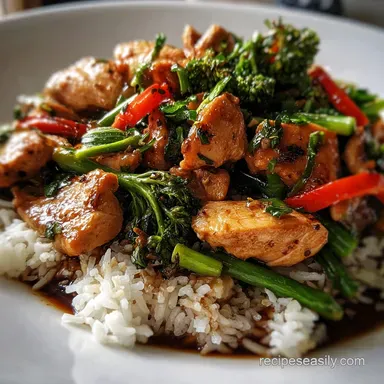
Easy Chicken Thigh Stirfry
Ingredients:
Instructions:
Nutrition Facts:
| Calories | 432 kcal |
|---|---|
| Protein | 31.4 g |
| Fat | 25.8 g |
| Carbs | 19.6 g |
| Fiber | 3.2 g |
| Sugar | 11.8 g |
| Sodium | 945 mg |
