Easy Classic Mashed Potatoes Recipe
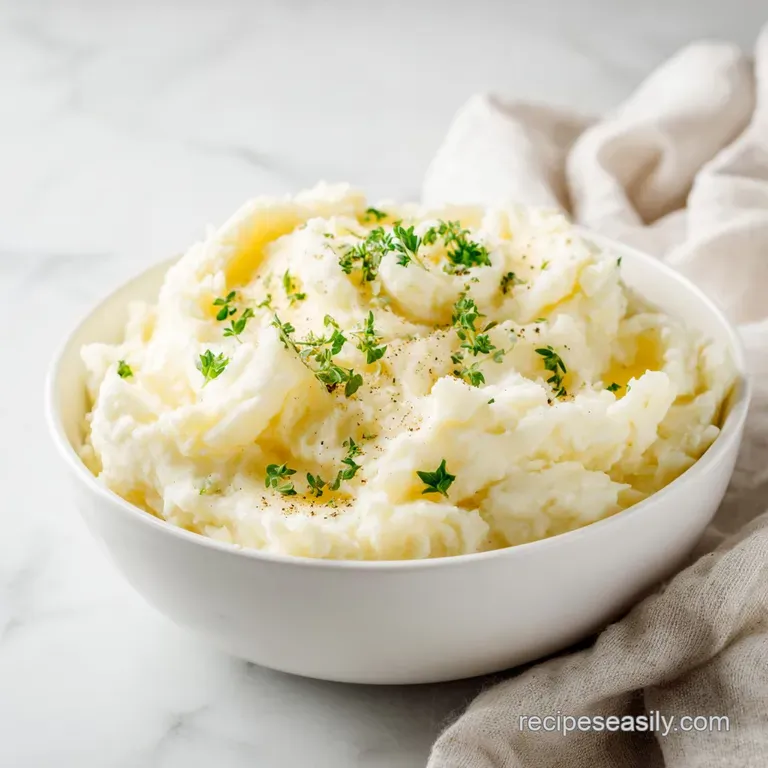
- Time: Active 15 minutes, Passive 20 minutes, Total 35 minutes
- Flavor/Texture Hook: Fluffy, buttery, and velvety
- Perfect for: Sunday roasts, holiday feasts, or beginner friendly weeknight comfort
- The Ultimate Easy Classic Mashed Potatoes
- Ending the Sticky Texture Crisis
- Science of the Velvet Finish
- Component Analysis for Creamy Spuds
- Selecting the Right Fresh Ingredients
- Best Gear for Smooth Results
- Instructions for a Silky Mash
- Troubleshooting Common Texture Problems
- Simple Variations for Different Tastes
- Scaling for Big Holiday Crowds
- Storing and Reducing Kitchen Waste
- Busting Ancient Kitchen Prep Myths
- Professional Plating and Presentation Ideas
- Recipe FAQs
- 📝 Recipe Card
The Ultimate Easy Classic Mashed Potatoes
I still remember the "Wallpaper Paste Incident" of 2014. I was in a rush for a friend's potluck and decided to use a food processor to speed things up. Within thirty seconds, those beautiful tubers transformed into a literal industrial grade adhesive. It was a gummy, rubbery mess that no amount of butter could save.
That failure taught me everything I needed to know about the science of starch.
Today, we are doing things differently. We want that cloud like, velvety texture that melts on the tongue, not something that could patch a hole in the drywall. I've spent years testing the balance between the waxiness of the potato and the richness of the dairy to ensure you get a consistent result every single time you stand at the stove.
This recipe relies on the Yukon Gold potato for its naturally buttery hue and medium starch content. You won't need expensive truffle oils or rare creams here. We are leaning into smart, budget friendly techniques, like warming your milk to prevent the mash from cooling down too fast and using room temperature butter for seamless integration.
You'll find that these small, intentional steps make a massive difference in the final bowl.
Ending the Sticky Texture Crisis
Most people think making a side of spuds is a "set it and forget it" situation, but that is how you end up with bland, watery lumps. The problem usually starts with the water. If you dump potatoes into boiling water, the outside overcooks and falls apart while the inside stays hard as a rock.
It is a texture nightmare that ruins the meal before it even starts.
We have all been there, staring at a bowl of gray, soupy mash and wondering where it went wrong. It's frustrating because potatoes are cheap, yet we treat them like they are indestructible. The truth is, they are delicate starch bombs.
If you overwork them, those starch molecules shatter and release "glue." But don't worry, because we are going to fix that today with a few pro moves.
The solution is all about temperature control and gentle handling. By starting with cold water and adding the dairy at the right moment, you create an emulsion that stays fluffy. We are going for a result that is so rich and smooth you could eat it with a straw (though a fork is probably better for polite company).
Let's get into the mechanics of why this actually works.
Science of the Velvet Finish
- Starch Retrogradation: Starting potatoes in cold water allows them to heat evenly, preventing the outside from becoming mushy before the center softens.
- Pectin Stability: Adding 1 tbsp sea salt to the boiling water seasons the potato from the inside out while strengthening the cell walls so they don't disintegrate.
- Fat Encapsulation: Mixing in room temperature butter before the milk coats the starch granules, preventing them from bonding together and becoming gummy.
- Thermal Consistency: Warming the milk to a simmer ensures the potatoes don't experience "thermal shock," which keeps the texture silky rather than grainy.
| Method | Cook Time | Final Texture | Best For |
|---|---|---|---|
| Traditional Simmer | 20 minutes | Fluffy & Light | Holiday Dinners |
| Microwave Steam | 10 minutes | Dense & Earthy | Quick Lunches |
| Instant Pot | 12 minutes | Smooth & Wet | Large Batches |
Choosing the traditional stovetop simmer gives you the most control over the starch release. While the microwave is faster, it often results in uneven hot spots that can make the potatoes feel "woody" in some bites. For the most consistent results, the stovetop method remains the gold standard in my kitchen. It also pairs wonderfully with other classic comfort foods, much like the technique used in my Mary's Potatoes Recipe.
Component Analysis for Creamy Spuds
| Ingredient | Science Role | Pro Secret |
|---|---|---|
| Yukon Gold Potatoes | High starch/sugar balance | Use these for a naturally yellow, buttery look without extra fat. |
| Unsalted Butter | Fat for mouthfeel | Cube it small so it melts instantly upon contact with the hot mash. |
| Whole Milk | Liquid for emulsion | Never use cold milk; it seizes the potato starches and makes them lumpy. |
Selecting the Right Fresh Ingredients
- 3 lbs Yukon Gold potatoes: Peeled and cut into 1.5 inch chunks. Why this? They provide a smoother, creamier texture than russets with a richer flavor.
- 1 tbsp sea salt: For the boiling water. Why this? Essential for seasoning the starch as it hydrates.
- 1/2 cup unsalted butter: Cubed and at room temperature. Why this? Allows you to control the salt level and integrates faster.
- 3/4 cup whole milk: Warmed until steaming. Why this? Keeps the potatoes hot and creates a velvety emulsion.
- 1 tsp kosher salt: For final seasoning. Why this? The larger grains dissolve more evenly than table salt.
- 1/2 tsp freshly cracked black pepper: For a bit of bite.
- 2 tbsp fresh chives: Finely minced. Why this? Adds a bright, oniony pop to cut through the heavy fat.
- 1 tbsp extra butter: For the presentation.
| Original Ingredient | Substitute | Why It Works |
|---|---|---|
| Whole Milk (3/4 cup) | Heavy Cream (3/4 cup) | Higher fat content results in a much richer, restaurant style finish. |
| Unsalted Butter | Salted Butter | Use same amount but reduce added kosher salt by half to avoid over salting. |
| Yukon Gold | Russet Potatoes | Provides a fluffier, drier texture. Note: Requires slightly more milk. |
If you are looking for an even more decadent version of this side dish, you might enjoy the richness found in my Cream Cheese Potatoes recipe, which uses similar principles but adds a tangy fat layer.
Best Gear for Smooth Results
- Large Stockpot: At least 5 quart capacity to allow the potatoes to move freely.
- Potato Ricer or Food Mill: These are the secrets to a 100% lump free experience.
- Small Saucepan: Used for warming the milk and melting the butter together.
- Silicone Spatula: Best for folding in the liquids without overworking the starch.
Chef's Tip: If you don't have a ricer, use a sturdy hand masher but stop the moment the lumps are gone. Every extra stroke increases the risk of gumminess. For a really budget friendly hack, you can even use a sturdy wire whisk to whip them by hand at the very end for a "mousseline" finish.
Instructions for a Silky Mash
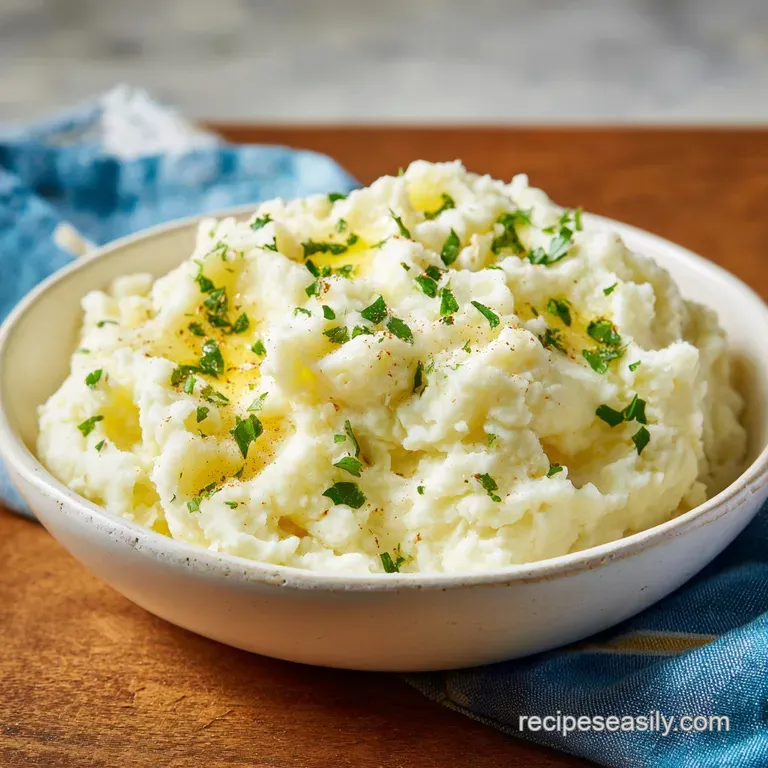
- Prep the potatoes. Peel 3 lbs Yukon Gold potatoes and cut them into uniform 1.5 inch chunks to ensure even cooking.
- Start in cold water. Place the chunks in a large pot and cover with cold water by at least 2 inches. Note: This prevents the outsides from disintegrating.
- Season the water. Add 1 tbsp sea salt to the pot and bring to a rolling boil over high heat.
- Simmer until tender. Reduce heat to medium and simmer for 20 minutes until the potatoes shatter when pierced with a fork.
- Drain and dry. Drain the potatoes in a colander, then return them to the hot pot for 1 minute to until the steam disappears and the edges look white and floury.
- Warm the dairy. While the potatoes dry, heat 3/4 cup whole milk and 1/2 cup cubed butter in a small saucepan until the butter melts and the milk is steaming.
- Process the spuds. Pass the hot potatoes through a ricer into a large bowl, or mash them thoroughly in the pot.
- Incorporate the fat. Gently fold in the warm milk and butter mixture using a spatula until the liquid is fully absorbed and the texture looks velvety.
- Season and finish. Stir in 1 tsp kosher salt, 1/2 tsp black pepper, and 2 tbsp minced chives.
- Serve immediately. Transfer to a bowl and top with the extra 1 tbsp of butter for a glistening finish.
Troubleshooting Common Texture Problems
Why Your Potatoes Are Gummy
If your mash feels like chewing gum, you likely over processed them. Using a blender or food processor ruptures the starch granules, releasing too much amylose. This creates a sticky, glue like consistency that is nearly impossible to reverse once it happens.
| Problem | Root Cause | Solution |
|---|---|---|
| Watery Mash | Potatoes weren't dried after boiling. | Return drained spuds to the hot pot for 1 min to evaporate moisture. |
| Lumpy Texture | Potatoes were undercooked or cold. | Ensure fork tender doneness and mash while they are still steaming hot. |
| Bland Flavor | Lack of salt in the boiling water. | Add 1/2 tsp salt at a time to the finished mash until the flavor "pops." |
Common Mistakes Checklist
- ✓ Never start potatoes in already boiling water (it leads to uneven centers).
- ✓ Always warm your milk and butter before adding them to the mash.
- ✓ Don't over mash; stop as soon as the texture is smooth.
- ✓ Dry the potatoes in the hot pot for a full minute to remove excess water.
- ✓ Use a ricer if you want a truly professional, lump free result.
Simple Variations for Different Tastes
If you want a bold, pungent kick, roasted garlic is your best friend. Squeeze 4-6 cloves of roasted garlic into the warm milk before mixing it into the potatoes. The sweetness of the roasted garlic balances the salty starch beautifully.
You can also try adding 1/2 cup of freshly grated Parmesan cheese for a nutty, salty crust if you decide to finish the dish under the broiler for a few minutes.
For those who prefer a bit of tang, substitute half of the milk with sour cream or Greek yogurt. This adds a thick, creamy body that works perfectly with the chives. If you are serving a crowd that loves a bit of texture, leave the skins on about 25% of the potatoes for a "rustic" style, though I recommend using red skinned potatoes for that specific variation as their skins are thinner and more delicate.
Scaling for Big Holiday Crowds
When scaling this recipe up for a big group, you have to be careful with the liquid. For a double batch (12 servings), use 6 lbs of potatoes, but only increase the salt and spices to 1.5 times the original amount first. You can always add more, but you can't take it away.
- Downscaling (1/2 batch): Use 1.5 lbs of potatoes and reduce the cooking time by about 5 minutes. Use a smaller pot so the water doesn't evaporate too quickly.
- Upscaling (2x-4x batch): Cook in a very large stockpot. Increase the drying time in the pot to 2-3 minutes to handle the extra volume of moisture.
- Liquid Adjustment: When doubling, reduce the total milk by about 10% initially. The weight of the extra potatoes can sometimes make the mash thinner than expected.
Storing and Reducing Kitchen Waste
Storage: Leftover mashed potatoes will stay fresh in an airtight container in the fridge for up to 4 days. To reheat, add a splash of milk and microwave on medium power, stirring every minute to maintain the texture.
Freezing: You can freeze these for up to 2 months! The high fat content from the butter and milk helps protect the texture. Thaw them overnight in the fridge before reheating on the stovetop.
Zero Waste Tip: Don't throw away those potato peels! Toss them with a bit of olive oil and salt, then bake at 400°F for 15 minutes. They turn into crispy, earthy potato "chips" that are a great snack or a crunchy topping for the mash itself. Also, if you have leftover mash that you can't finish, they make the base for a Potato Corn Fritters recipe that is absolutely stellar the next morning.
Busting Ancient Kitchen Prep Myths
One of the biggest myths is that you should add the butter and milk at the same time. In reality, adding the butter first is crucial. The fat coats the starch molecules, which prevents the milk's water content from binding with the starch and creating that "glue" we talked about earlier. Science wins every time.
Another common misconception is that you need a hand mixer for fluffy potatoes. Using high speed beaters is the fastest way to turn your side dish into a rubbery mess. Gentle hand mashing or ricing is always superior because it preserves the integrity of the potato cells.
Trust the process and keep the power tools in the garage.
Professional Plating and Presentation Ideas
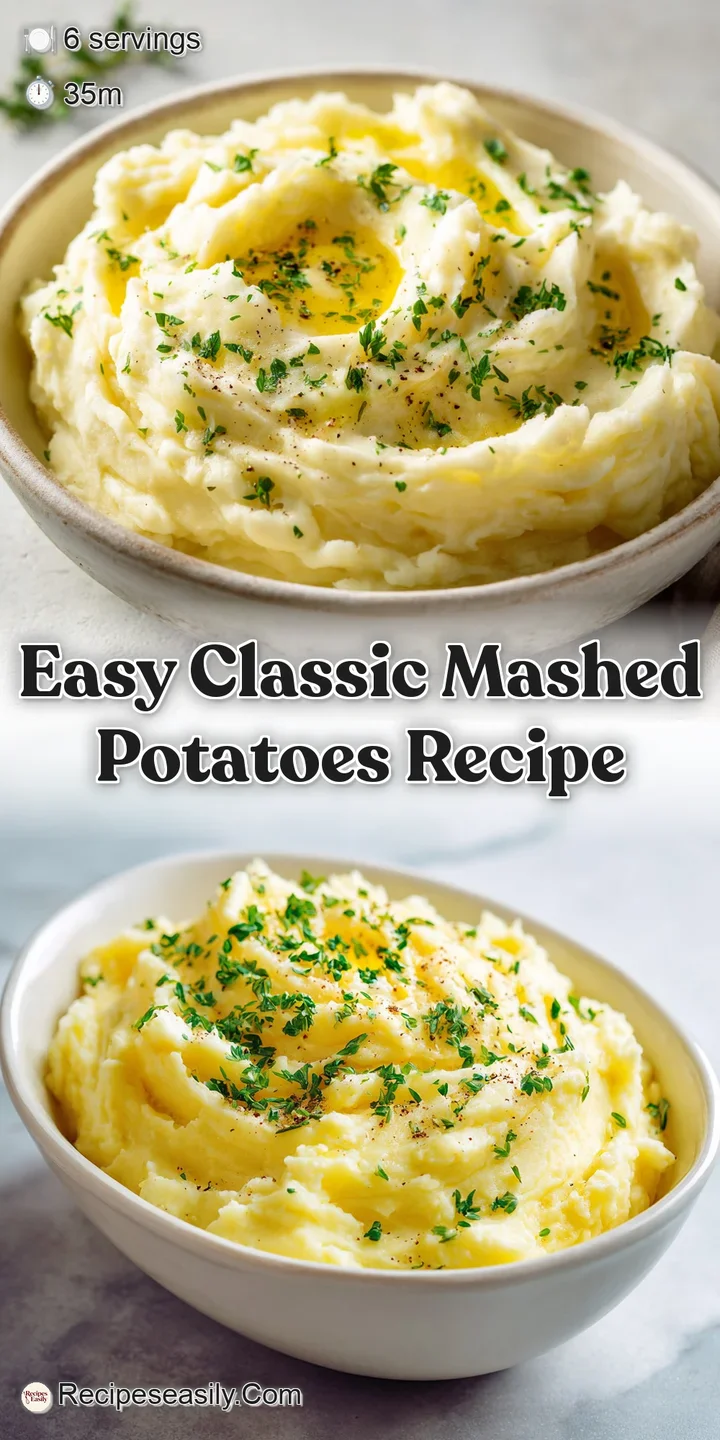
To make these look like they came from a high end bistro, use the back of a large spoon to create a deep "swirl" or well in the center of the bowl. Pour your melted extra tablespoon of butter right into that well. The yellow butter against the white or pale yellow potatoes creates a beautiful visual contrast.
Finally, don't just dump the chives on top in a pile. Sprinkle them from high above to get an even distribution of green across the surface. A final crack of fresh black pepper adds a touch of sophistication. If you want to go the extra mile, a tiny pinch of smoked paprika can add a hint of color and a very subtle smoky aroma that makes people wonder what your secret ingredient is. For another stunning presentation idea, look at how the layers are handled in a Potatoes Dauphinoise with recipe.
Recipe FAQs
What is the secret to really good mashed potatoes?
Using room temperature butter before the milk. Coating the starch granules with fat before introducing liquid prevents them from bonding and turning gummy, resulting in a much fluffier final product.
How to make mashed potatoes simple?
Start potatoes in cold, salted water. Bring them to a boil, simmer until fork tender, drain thoroughly, and then gently mash before folding in warm milk and room temperature butter.
What is a common mistake when making mashed potatoes?
Overworking the cooked potatoes. Using a food processor or electric mixer too long will rupture the starch cells, leading to a sticky, gluey texture instead of light fluffiness.
What is the quickest way to make mashed potatoes?
Microwave steaming is fastest. Cut potatoes small, cover them with water in a microwave safe bowl, and steam until tender, which can cut the boiling time significantly.
Should I use Russets or Yukon Golds for the best texture?
Yukon Golds provide a superior texture for beginners. They have a natural buttery flavor and medium starch content, yielding a creamier, silkier mash that requires less manipulation than high starch Russets.
How should I add dairy to prevent lumps?
Warm the milk and butter first. Never add cold liquids, as this causes thermal shock, which tightens the starch and prevents smooth incorporation; if you master this temperature control, you will love the results, similar to the precision needed in our [Cozy Creamy Herb recipe].
Is it okay to boil potatoes in hot water to save time?
No, this guarantees uneven cooking. Starting them in cold water ensures the interior and exterior heat at the same rate, preventing the outside from turning mushy before the center is cooked through.
Easy Classic Mashed Potatoes
Ingredients:
Instructions:
Nutrition Facts:
| Calories | 348 kcal |
|---|---|
| Protein | 5.5 g |
| Fat | 18.7 g |
| Carbs | 41.2 g |
| Fiber | 5.0 g |
| Sugar | 3.3 g |
| Sodium | 583 mg |
