Korean Ground Beef Bowl Recipe
- Time: Active 10 minutes, Passive 10 minutes, Total 20 minutes
- Flavor/Texture Hook: Crispy glazed beef with silky sesame finish
- Perfect for: Busy weeknights, meal prep, or beginner home cooks
- Master My 20 Minute Korean Beef Bowl Recipe
- Why This Quick Meal Works
- Analyzing Every Essential Ingredient
- Tools for Stress Free Cooking
- Easy Steps for Fast Assembly
- Pro Fixes for Common Errors
- Smart Swaps and Flavor Twists
- Storing and Repurposing Your Leftovers
- Plating Your Vibrant Rice Bowl
- Critical Level of Sodium
- Recipe FAQs
- 📝 Recipe Card
Master My 20 Minute Korean Beef Bowl Recipe
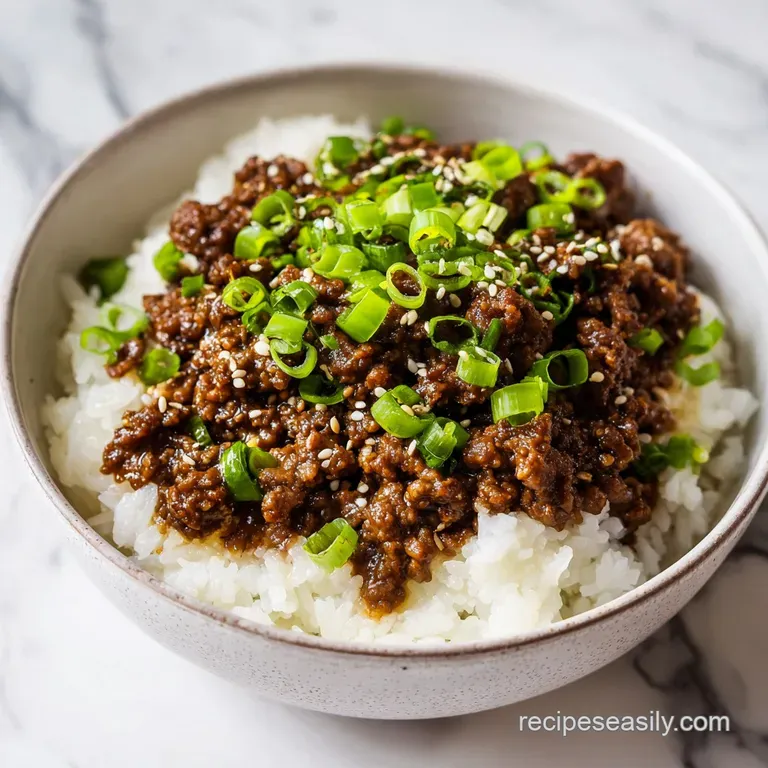
The second that ground beef hits the screaming hot oil, you'll hear a sharp, rhythmic sizzle that signals the start of something great. Within seconds, the aroma of toasted sesame oil and pungent fresh ginger begins to waft through the kitchen, a scent so distracting it usually brings my husband wandering in to ask when we're eating.
It’s one of those rare dishes that smells just as vibrant as it tastes.
I first stumbled upon this beef bowl recipe during a particularly chaotic Tuesday when the fridge was looking bleak and my energy was even lower. I had a pound of beef and some half empty bottles of soy sauce, so I just started tossing things in.
What came out was a revelation: a sticky, savory, slightly spicy glaze that coated every crumbles of meat, turning a humble ingredient into a powerhouse of flavor.
You don't need a culinary degree or a kitchen full of fancy gadgets to pull this off. It's about the timing and the heat, ensuring that sugar hits the beef just right to create those crispy, caramelized edges we all crave.
We’re going to focus on building deep flavor fast, skipping the long marinades without sacrificing any of the punch. Trust me, once you see how quickly this comes together, it’ll become your new back pocket favorite for those nights when takeout feels too slow.
Why This Quick Meal Works
- Maillard Reaction: High heat browns the beef proteins, creating complex flavor molecules that raw meat lacks.
- Sugar Caramelization: Brown sugar melts into the soy sauce, creating a sticky glaze that clings to the textured beef crumbles.
- Aromatic Infusion: Fresh ginger and garlic release sulfur compounds and essential oils directly into the fat for immediate impact.
- Osmotic Balance: The salt in the soy sauce draws out just enough moisture to allow the beef to sear rather than steam.
The Glaze Caramelization Secret
Sugar molecules break down at high temperatures, bonding with the soy sauce to create a velvety coating. This process, known as pyrolysis, transforms simple sweetness into a complex, nutty glaze that defines the dish.
| Beef Thickness | Internal Temp | Rest Time | Visual Cue |
|---|---|---|---|
| Fine Crumbles | 160°F | 2 minutes | No pink, deep mahogany edges |
| Medium Chunks | 160°F | 3 minutes | Firm texture, glistening glaze |
| Large Clusters | 165°F | 3 minutes | Opaque center, juice runs clear |
Getting the beef to that specific mahogany color is the difference between a "good" meal and a "restaurant quality" experience. If the pan isn't hot enough, the meat will just grey and boil in its own juices, which is exactly what we want to avoid.
Analyzing Every Essential Ingredient
| Ingredient | Science Role | Pro Secret |
|---|---|---|
| Ground Beef (90/10) | Provides structure and fat | Use cold beef for better browning |
| Low Sodium Soy | Adds salt and fermented depth | Always choose "brewed" for better aromatics |
| Brown Sugar | Enables rapid caramelization | Pack it tight to ensure moisture |
| Fresh Ginger | Softens meat fibers | Freeze the root to make grating easier |
For the Protein & Base
- 1 lb lean ground beef (90/10): The core of our dish. Why this? Higher fat makes it greasy; 90/10 provides the right balance for searing.
- Substitute: Ground turkey (93/7). Adds a leaner profile but needs more oil.
- 3 cups cooked jasmine rice: The floral, soft base. Why this? Jasmine's slight stickiness holds the sauce better than long grain white rice.
- Substitute: Cauliflower rice for a low carb alternative.
- 1 tbsp vegetable oil: Our high smoke point conductor. Why this? It won't burn at the high temperatures needed for browning beef.
- Substitute: Grapeseed oil or canola oil.
For the Korean Beef Bowl Sauce
- 1/3 cup low sodium soy sauce: The salty liquid foundation. Why this? Low sodium prevents the final glaze from becoming an undrinkable salt bomb.
- Substitute: Coconut aminos for a soy free, slightly sweeter finish.
- 1/4 cup brown sugar: The sweetener and glaze maker. Why this? Molasses in brown sugar adds a deep, toffee like note white sugar lacks.
- Substitute: Honey, though it burns faster, so watch your heat closely.
- 1 tbsp toasted sesame oil: The finishing aromatic. Why this? Toasted oil has a much more intense, nutty profile than plain sesame oil.
- Substitute: Perilla oil for a more herbal, traditional Korean touch.
- 3 cloves garlic, minced: The savory backbone. Why this? Fresh garlic provides a sharp punch that bottled versions can't replicate.
- Substitute: 1 tsp garlic powder in a pinch, but you'll lose that fresh bite.
- 1 tsp fresh ginger, grated: The bright, spicy high note. Why this? Ginger contains enzymes that help tenderize the beef slightly while cooking.
- Substitute: 1/4 tsp ground ginger if fresh isn't available.
- 1/2 tsp red pepper flakes: The heat source. Why this? Provides a slow building warmth without overwhelming the other flavors.
- Substitute: Gochugaru (Korean chili flakes) for a smokier, authentic heat.
For the "Veggies" & Garnish
- 1 cup shredded carrots: Added crunch and sweetness. Why this? They provide a textural contrast to the soft beef and rice.
- Substitute: Sliced radishes for a peppery snap.
- 1 cup sliced cucumbers: The cooling element. Why this? Their high water content resets the palate between savory bites.
- Substitute: Pickled daikon radish.
- 2 green onions, thinly sliced: Freshness and color. Why this? The onion bite cuts through the richness of the beef fat.
- Substitute: Chives.
- 1 tsp toasted sesame seeds: The final textural garnish. Why this? They add a tiny, shatter like crunch to every spoonful.
- Substitute: Crushed peanuts or cashews.
Tools for Stress Free Cooking
When you're aiming for a quick turnaround, the tools you choose matter more than you’d think. I always reach for my heavy bottomed cast iron skillet (like a Lodge) for this. Why? Because ground beef releases a lot of moisture initially.
A thin pan will lose its heat the second the meat hits it, causing the beef to steam and turn gray. You want something that holds onto that heat like a grudge.
If you don't have cast iron, a large stainless steel frying pan is your next best friend. Just avoid non stick if possible; we want the beef to stick slightly to the bottom to create that "fond" (the brown bits), which we'll then dissolve back into the sauce for extra flavor.
Aside from the pan, a microplane for the ginger and garlic is a life saver it turns them into a paste that melts right into the sauce rather than leaving you with big, bitter chunks of garlic.
Easy Steps for Fast Assembly
- Prep the aromatics. Mince your garlic and grate the ginger into a small bowl. Note: Having these ready prevents the garlic from burning while you scramble for the ginger.
- Whisk the sauce. Combine the soy sauce, brown sugar, and red pepper flakes in a jar. Mix until the sugar mostly dissolves.
- Heat the pan. Add the vegetable oil to your skillet over medium high heat. Wait until the oil shimmers and barely smokes.
- Sear the beef. Add the ground beef to the hot pan, breaking it up with a wooden spoon. Cook 5 minutes until no pink remains and edges start to crisp.
- Drain the fat. Carefully tilt the pan and spoon out excess grease, leaving about a teaspoon for flavor. Note: Too much fat will prevent the sauce from emulsifying and clinging to the meat.
- Sauté the aromatics. Stir in the garlic and ginger. Cook 1 minute until they smell fragrant but haven't browned.
- Deglaze the skillet. Pour in the soy sauce mixture. Scrape the bottom of the pan to release those savory brown bits.
- Simmer and thicken. Let the sauce bubble with the beef for about 2 minutes. Wait until the liquid reduces into a glossy, sticky glaze.
- Finish with oil. Remove the pan from the heat and stir in the toasted sesame oil. Note: Heating sesame oil too long destroys its delicate volatile aromatics.
- Build the bowls. Scoop 3/4 cup of jasmine rice into each bowl, top with the beef, carrots, and cucumbers. Garnish with green onions and sesame seeds.
Pro Fixes for Common Errors
Why Your Beef Is Gray
If your meat looks lackluster and boiled rather than browned, your pan wasn't hot enough or you overcrowded it. When too much cold meat hits a lukewarm pan, the temperature drops, and the meat releases its juices all at once. Next time, let the pan preheat for a full 3 minutes.
If you're doubling the recipe, cook the beef in two batches to keep that heat high.
Why the Sauce Is Thin
A watery sauce usually means it didn't simmer long enough to reduce. The sugar needs time to concentrate and create those sticky bonds. If you're in a rush, a tiny cornstarch slurry (1 tsp cornstarch mixed with 1 tsp water) stirred into the bubbling sauce will tighten it up instantly, though I prefer the natural reduction method for a deeper flavor.
| Problem | Root Cause | Solution |
|---|---|---|
| Excessively salty | Soy sauce used was not low sodium | Add a splash of water and 1 tsp extra sugar |
| Meat is dry | Cooked too long after adding sauce | Add a tablespoon of beef broth to rehydrate |
| Garlic tastes bitter | Garlic burned before sauce was added | Add aromatics only when meat is fully browned |
Common Mistakes Checklist
- ✓ Pat the beef dry with a paper towel if it looks overly wet before hitting the pan.
- ✓ Don't skip the fresh ginger; the powdered version lacks the enzymatic "zing" required.
- ✓ Use a wooden spoon to really scrape the bottom of the pan during the sauce phase.
- ✓ Add the sesame oil only after taking the pan off the heat to preserve its scent.
- ✓ Make sure your rice is piping hot; cold rice won't absorb the stray sauce properly.
Chef's Tip: If you want a deeper flavor similar to a Crockpot Pot Roast recipe, add a teaspoon of tomato paste to the beef while it's browning. It adds an incredible depth of umami that mimics slow cooked meat.
Smart Swaps and Flavor Twists
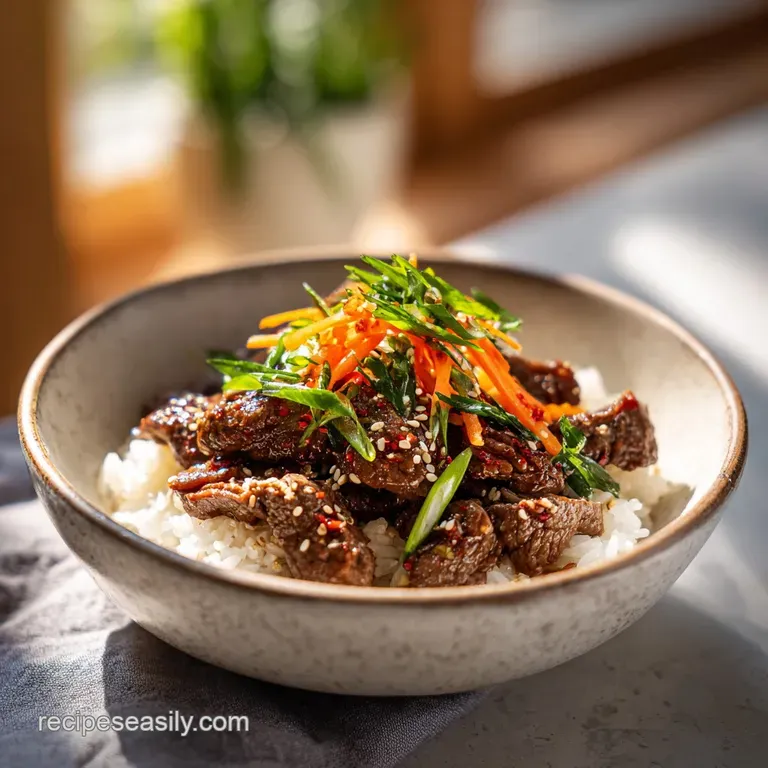
While this recipe is designed for ground beef, it's incredibly flexible. If you have leftover steak, you can make a version of a korean beef strips recipe by thinly slicing the steak against the grain and searing it quickly before adding the sauce. The cooking time will be even shorter usually only about 60 seconds per side to keep the meat tender.
| Original Ingredient | Substitute | Why It Works |
|---|---|---|
| Ground Beef | Ground Pork | Higher fat content; makes for a very "silky" and rich bowl. |
| Soy Sauce | Tamari | gluten-free alternative; slightly thicker and more savory. |
| Brown Sugar | Coconut Sugar | Lower glycemic index; adds a subtle toasted caramel note. |
For a healthy korean beef bowl variation, I love swapping the jasmine rice for quinoa or even a bed of shredded cabbage. The cabbage wilts slightly under the heat of the beef, creating a "noodle" effect that is surprisingly satisfying. If you’re craving a korean ground beef gochujang vibe, stir in a tablespoon of gochujang paste when you add the garlic. It adds a fermented, funky heat that is absolutely addictive.
Storing and Repurposing Your Leftovers
This beef bowl recipe is a meal prepper’s dream because the flavor actually improves after a night in the fridge. The beef continues to soak up the aromatics, and the glaze sets into a firm, flavorful coating. Store the beef and rice in airtight containers for up to 4 days.
I recommend storing the cucumbers and carrots separately so they stay crisp; nobody likes a warm, soggy cucumber.
To reheat, avoid the microwave if you can. It tends to make the beef "rubbery" and the rice "hard." Instead, toss the beef into a small skillet with a splash of water or beef broth over medium heat. Once it’s sizzling, add the rice and toss until everything is steaming.
If you must use a microwave, cover the bowl with a damp paper towel to create a mini steam chamber for the rice.
Zero Waste Tip: Don't throw away those broccoli stalks or the white parts of the green onions! Slice the broccoli stalks into thin "coins" and sauté them right along with the beef. They add a wonderful crunch. Those white onion bottoms?
Throw them into a jar of water on your windowsill, and they’ll regrow new green tops in about a week.
Plating Your Vibrant Rice Bowl
We eat with our eyes first, and a bowl dish is all about the "zones." Instead of just dumping everything together, place your rice in a neat mound on one side. Nestle the beef next to it, then arrange the carrots and cucumbers in their own little sections.
This allows the person eating to control the "mix" of flavors in every bite.
For the final touch, don't just sprinkle the sesame seeds shatter them slightly between your fingers as you drop them to release more oil. A drizzle of Sriracha or a dollop of kimchi on the side adds a bright acidity that cuts through the sugar.
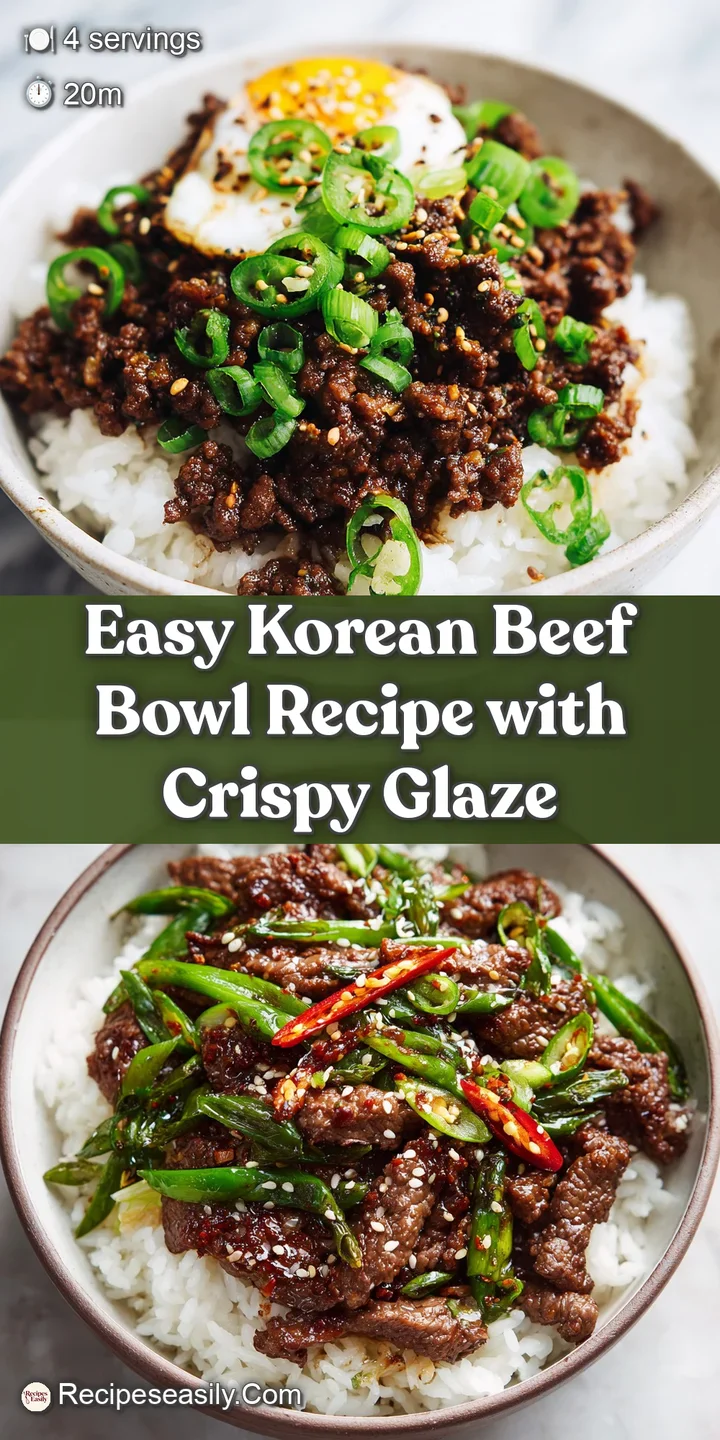
If you're feeling fancy, a fried egg with a runny yolk on top turns this simple weeknight dinner into a velvety, decadent feast. The yolk mixes with the korean beef bowl sauce to create a rich, creamy coating for the rice that is honestly life changing. Enjoy your meal!
Critical Level of Sodium
1245 mg mg of sodium per serving (54% % of daily value)
The American Heart Association recommends limiting sodium intake to about 2,300mg per day for overall health.
Tips to Reduce Sodium in this Recipe
-
Reduce Soy Sauce-25%
The soy sauce is a major source of sodium. Try reducing the amount of soy sauce used by half or replace it with a low-sodium or sodium free alternative to significantly reduce the sodium content.
-
Unsalted Rice-15%
Ensure that the cooked jasmine rice is prepared without any added salt. This can easily cut down on unnecessary sodium. If you are using pre-cooked rice, check the label for sodium content and choose an unsalted version if possible.
-
Leaner Ground Beef-10%
While 90/10 is good, using even leaner ground beef (e.g., 95/5 or ground sirloin) reduces added fats, which can sometimes be correlated with sodium content in processed meats. Opt for fresh, unprocessed beef.
-
Adjust Red Pepper Flakes-5%
If you are sensitive to sodium, reduce or eliminate the red pepper flakes. While they don't contain sodium, they enhance flavors which may make you less sensitive to lower sodium alternatives, allowing you to reduce sodium without sacrificing taste.
-
Flavor Boost
Enhance the flavor with fresh herbs (cilantro, basil), spices (garlic powder, onion powder), or citrus (lime juice, lemon juice) to compensate for reduced salt without increasing sodium.
Recipe FAQs
What to put in a Korean Beef Bowl?
Jasmine rice, ground beef, soy sauce, brown sugar, fresh ginger, garlic, and sesame oil are essential. These form the core savory, sweet, and aromatic profile of the dish. Toppings often include crisp vegetables like carrots and cooling cucumbers, plus green onions for sharpness.
What are the key ingredients in Korean bowls?
The key components are a savory protein base, a caramelized sauce, and a fresh base starch. For this beef version, that means 90/10 ground beef seared hard, a glaze made from soy and brown sugar, and a bed of warm jasmine rice.
What ingredients are in Korean beef?
The primary ingredients are ground beef, low sodium soy sauce, brown sugar, minced garlic, and grated fresh ginger. The beef is cooked quickly in high heat to develop crispy edges before the sauce mixture is tossed in to glaze it.
What is a bulgogi beef bowl?
A bulgogi beef bowl typically uses marinated, thinly sliced beef rather than ground meat cooked quickly in a pan. While both share the sweet and savory soy-based flavor profile, bulgogi often involves a longer marination time for tenderness, contrasting with this recipe's rapid sear method.
How to ensure the sauce thickens properly onto the beef?
Simmer the sauce uncovered over medium high heat until it reduces substantially. The reduction concentrates the sugars and soy, creating the necessary viscosity for a glossy, sticky coating that clings to the beef crumbles.
Can I use chicken instead of beef?
Yes, you can substitute chicken, but adjust your cooking technique for the protein. If using thin chicken strips, sear them quickly, similar to how one masters the browning process in our Sautéed Vegetables in recipe, to ensure they cook through without drying out before the glaze is added.
Is it necessary to use high heat when browning the beef?
Yes, high heat is absolutely critical for texture development. Low heat causes the meat to release moisture and steam, resulting in gray, soft meat instead of the desired crispy, caramelized bits.
Easy Korean Ground Beef Bowls
Ingredients:
Instructions:
Nutrition Facts:
| Calories | 489 kcal |
|---|---|
| Protein | 26.8 g |
| Fat | 15.5 g |
| Carbs | 59.2 g |
| Fiber | 1.8 g |
| Sugar | 15.4 g |
| Sodium | 1245 mg |
