Garlic Butter Baked Salmon: a Reliable One-Pan Dinner
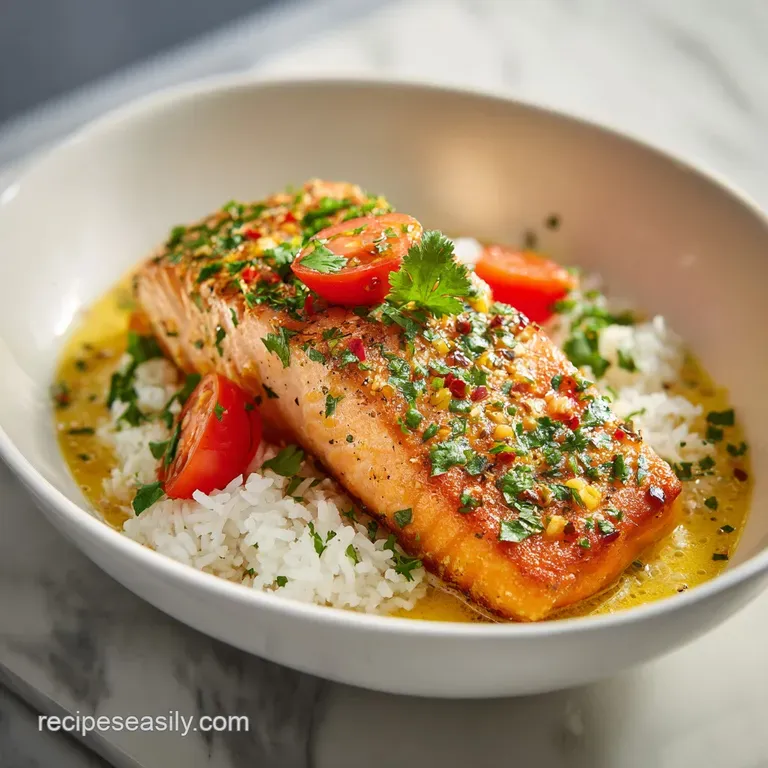
- Time: Active 10 minutes, Passive 12 minutes, Total 22 minutes
- Flavor/Texture Hook: Flaky, buttery salmon with zesty lemon
- Perfect for: Busy weeknights or a budget-friendly date night
- Why This Method Never Fails
- Ingredient Deep Dive Table
- Pantry Staples and Fresh Elements
- Essential Tools for Sheet Pans
- Step-by-Step Oven Roasting Process
- Fixing Common Salmon Cooking Errors
- Smart Swaps and Flavor Twists
- Debunking Common Salmon Myths
- Storing and Reusing Your Leftovers
- Plating for a Restaurant Look
- Recipe FAQs
- 📝 Recipe Card
Why This Method Never Fails
Understanding a bit of the logic behind the heat helps you avoid the rubbery texture most people dread. Salmon is a fatty fish, but that fat needs to be managed so it stays inside the protein fibers rather than leaking out.
- Emulsification Stability: The Dijon mustard acts as a bridge between the melted butter and the lemon juice, creating a thick glaze that coats the fish instead of running off.
- Starch Gelatinization: Par boiling the Yukon Gold potatoes pre cooks the interiors, so the 12 minutes in the oven is spent purely on browning the outside.
- Thermal Carryover: Pulling the salmon at 54°C (130°F) allows the internal heat to finish the job while the fish rests, preventing the fibers from tightening into a "rubbery" state.
- Moisture Barrier: Patting the skin and flesh dry before seasoning ensures the salt draws out flavor rather than creating a steam bath on the pan.
The Decision Shortcut Table
| Thickness | Internal Temp | Rest Time | Visual Cue |
|---|---|---|---|
| 0.5 inch | 130°F | 2 mins | Opaque throughout |
| 1 inch | 130°F | 3 mins | Flakes easily with fork |
| 1.5 inch | 130°F | 5 mins | Center is barely translucent |
Ingredient Deep Dive Table
Choosing the right components makes a massive difference in the final mouthfeel of this garlic butter baked salmon. Here is why we use these specific items.
| Ingredient | Science Role | Pro Secret |
|---|---|---|
| Unsalted Butter | Provides a fat soluble base for garlic flavor to bloom. | Use grass fed butter for a deeper yellow hue and richer taste. |
| Dijon Mustard | Functions as an emulsifier to keep the glaze thick. | Do not skip this; it's the "glue" for your garlic butter. |
| Lemon Zest | Adds concentrated citrus oil without thinning the sauce. | Zest the lemon before juicing it to get the most oil. |
| Yukon Gold Potatoes | High starch content allows for better browning than red potatoes. | Halve them before par boiling to increase the surface area. |
If you are looking to branch out with these flavors, this same butter logic works wonders on pasta. You can see how a similar balance of fats and acids creates a garlic pasta sauce that clings to noodles just as well as it clings to fish.
Pantry Staples and Fresh Elements
- 4 (6 oz) center cut salmon fillets, skin on: Why this? The skin protects the flesh from the direct heat of the pan. (Substitute: Steelhead trout)
- 1 tsp Kosher salt: Why this? Larger grains make it harder to over salt and provide better coverage. (Substitute: Sea salt)
- 1/2 tsp freshly cracked black pepper: Why this? Pre ground pepper loses its volatile oils and floral heat quickly. (Substitute: White pepper)
- 4 tbsp unsalted butter, melted: Why this? Controls the salt levels while providing a velvety texture. (Substitute: Ghee)
- 4 cloves garlic, finely minced: Why this? Fresh garlic has a sharp bite that mellows beautifully when baked. (Substitute: 1 tsp garlic powder)
- 1 tbsp fresh lemon juice: Why this? The acidity cuts through the heavy fats of the salmon and butter. (Substitute: White wine vinegar)
- 1 tsp lemon zest: Why this? Lemon oils provide a "bright" aroma that juice alone cannot. (Substitute: Lime zest)
- 1 tsp Dijon mustard: Why this? Essential for emulsifying the butter and lemon into a stable glaze. (Substitute: Whole grain mustard)
- 1 tbsp fresh parsley, finely chopped: Why this? Adds a grassy freshness and breaks up the richness. (Substitute: Fresh dill)
- 1 lb asparagus, trimmed: Why this? Quick cooking vegetable that matches the salmon's bake time. (Substitute: Thin green beans)
- 1 lb baby Yukon Gold potatoes: Why this? Their buttery texture complements the fish perfectly. (Substitute: Fingerling potatoes)
- 1 tbsp extra virgin olive oil: Why this? High smoke point and adds a subtle fruity note to the veggies. (Substitute: Avocado oil)
Essential Tools for Sheet Pans
You do not need a kitchen full of gadgets, but a large rimmed baking sheet is the hero here. I prefer heavy duty aluminum because it distributes heat evenly without warping in a hot 200°C (400°F) oven.
Using parchment paper is a smart move too, as it prevents the salmon skin from sticking and makes clean up a breeze.
A meat thermometer is probably the most important tool for any fish recipe. Trusting a timer alone is risky because every oven has hot spots and every fillet has a different thickness.
If you want that silky, restaurant style finish, you need to know exactly when that internal temperature hits 54°C (130°F).
Finally,, a small whisk or even a fork is needed to create the emulsion for the glaze. You want the butter and lemon juice to look like a single, creamy liquid before you brush it on. If you see streaks of melted butter, keep whisking. This ensures every inch of the salmon gets an equal share of that garlic punch.
step-by-step Oven Roasting Process
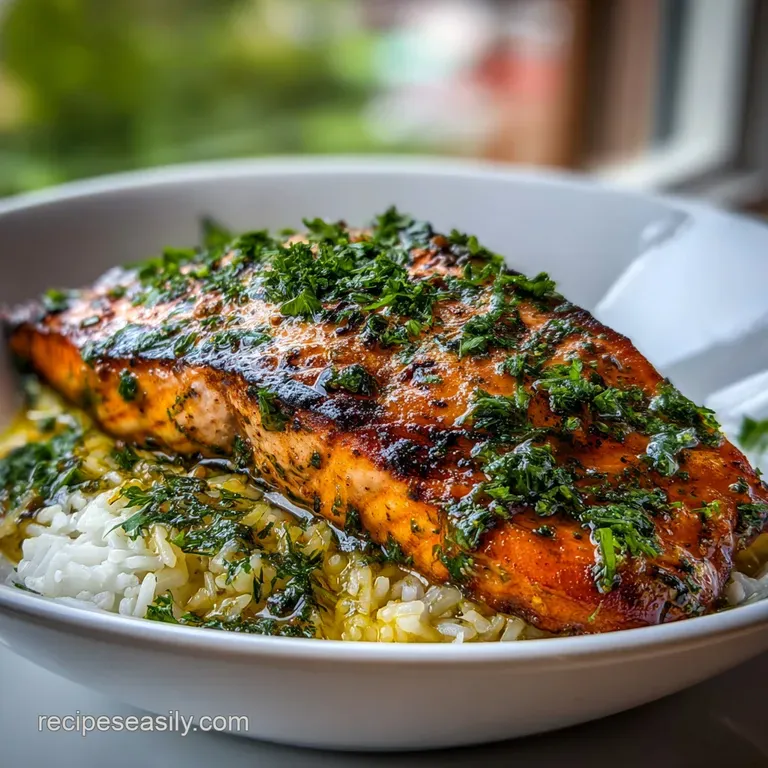
- Heat the oven. Preheat to 200°C (400°F). Note: A hot oven is vital for browning the veggies before the fish overcooks.
- Dry the salmon. Pat the fillets completely dry with paper towels. Note: Removing surface moisture prevents the fish from steaming.
- Whisk the glaze. Combine melted butter, garlic, lemon juice, zest, mustard, and parsley. Whisk until the mixture is thick and pale.
- Prep the tray. Line a rimmed baking sheet with parchment paper. Arrange the salmon, asparagus, and par boiled potatoes.
- Season the veggies. Drizzle olive oil over the potatoes and asparagus. Toss to coat and sprinkle with salt and pepper.
- Apply the glaze. Brush the garlic butter mixture over the top and sides of each fillet. Ensure a thick layer covers the flesh.
- Bake the tray. Place the pan in the center of the oven. Cook for 10 minutes until the fish starts to turn opaque.
- Broil for color. Turn on the broiler for the final 1 to 2 minutes. Watch for the butter to bubble and the garlic to turn golden.
- Check for doneness. Insert a thermometer into the thickest part of the salmon. Pull the pan when it reads 54°C (130°F).
- Rest before serving. Let the salmon sit on the tray for 3 minutes. Note: This allows the juices to redistribute for a tender bite.
Fixing Common Salmon Cooking Errors
One of the most frequent questions I get is about the "white stuff" that appears on top of the salmon. That is called albumin, and while it is perfectly safe to eat, it usually means the fish was cooked too fast or too long. When the muscle fibers contract too tightly, they squeeze out this internal protein.
By using a slightly lower temperature than a over high heat sear and watching the thermometer closely, we can keep the albumin inside where it belongs.
Solving the White Stuff Issue
If you see a lot of white protein on your fish, it is a clear signal to lower your oven rack or reduce the cooking time next time. The broiler step at the end should be very brief, just enough to caramelize the butter without tightening the muscle fibers of the fish.
If your garlic is burning before the fish is done, your rack is likely too close to the top heating element.
| Problem | Root Cause | Solution |
|---|---|---|
| Rubbery Texture | Overcooking beyond 145°F | Pull at 130°F and let carryover heat finish the job. |
| Soggy Potatoes | High moisture or no par boiling | Boil potatoes for 8 mins first and dry them before roasting. |
| Burnt Garlic | Broiling for too long | Only broil for 60-90 seconds and stay by the oven door. |
Common Mistakes Checklist
- ✓ Forgetting to pat the salmon dry (leads to a mushy, boiled texture)
- ✓ Crowding the vegetables too close to the fish (prevents air circulation)
- ✓ Using cold butter for the glaze (makes it impossible to emulsify with lemon)
- ✓ Skipping the resting period (causes all the buttery juices to run out)
- ✓ Using old, dried parsley (fresh herbs are needed for that vibrant aroma)
Smart Swaps and Flavor Twists
Scaling this recipe for a crowd is quite simple. If you are doubling the recipe to serve eight people, use two separate sheet pans rather than trying to cram everything onto one. Overcrowding a pan will cause the vegetables to steam, and you will lose that crispy edge on the potatoes.
Also, remember that spices don't always need to be doubled exactly; I usually go for 1.5 times the salt and pepper when doubling the protein to avoid over seasoning.
If you are looking for a lower carb option, you can swap the potatoes for cauliflower florets. Just keep in mind that cauliflower cooks faster than potatoes, so you won't need to par boil them. Simply toss them in oil and salt and put them on the pan at the same time as the salmon and asparagus.
Budget Alternatives Table
| Premium | Budget | Flavor Impact | Savings |
|---|---|---|---|
| Fresh Salmon Fillets | Frozen Salmon | Slightly firmer texture | Save $5-10 |
| Fresh Asparagus | Frozen Green Beans | Softer texture, less "snap" | Save $2-3 |
| Fresh Garlic | Jarred Minced Garlic | Less pungent, slightly sweeter | Save $1 |
If you are serving this with a larger spread, you might want to skip the sheet pan potatoes entirely and serve the fish alongside creamy garlic potatoes. This allows the salmon to be the star while the potatoes provide a velvety, decadent base.
Debunking Common Salmon Myths
One big myth is that you should always remove the skin before cooking. This is actually a mistake for oven roasting! The skin acts as a protective barrier between the hot pan and the delicate flesh, helping the salmon stay moist. Even if you don't plan on eating the skin, leave it on during the bake.
It peels off easily once the fish is cooked.
Another misconception is that salmon needs to be "well done" to be safe. Unlike chicken, salmon is best enjoyed at medium rare to medium doneness. The FDA recommends 145°F, but many chefs and home cooks find that pulling the fish at 130°F results in a much better texture.
The carryover heat will bring it up to a safe and delicious temperature without turning it into sawdust.
Storing and Reusing Your Leftovers
Leftover garlic butter baked salmon stays fresh in the fridge for up to 3 days when kept in an airtight container. I don't recommend freezing cooked salmon, as the texture becomes quite grainy and the fats can take on a "fishy" oxidation flavor after thawing. To reheat, avoid the microwave if possible.
Instead, place the fish in a 150°C (300°F) oven for about 8 minutes with a splash of water or an extra pat of butter to keep it moist.
For a zero waste approach, don't throw away those trimmed asparagus ends! You can toss them into a freezer bag for your next vegetable stock. If you have leftover potatoes and salmon, they make an incredible breakfast hash.
Just flake the cold fish, dice the potatoes smaller, and fry them in a skillet with an egg on top. It is a brilliant way to use up every bit of that garlic butter flavor.
Plating for a Restaurant Look
To make this look as good as it tastes, start by placing a bundle of three or four asparagus spears diagonally across the plate. Nestled next to them, pile a few of the golden brown potato halves. Place the salmon fillet directly on top of the asparagus, slightly overlapping the potatoes.
This creates height and makes the plate look professional.
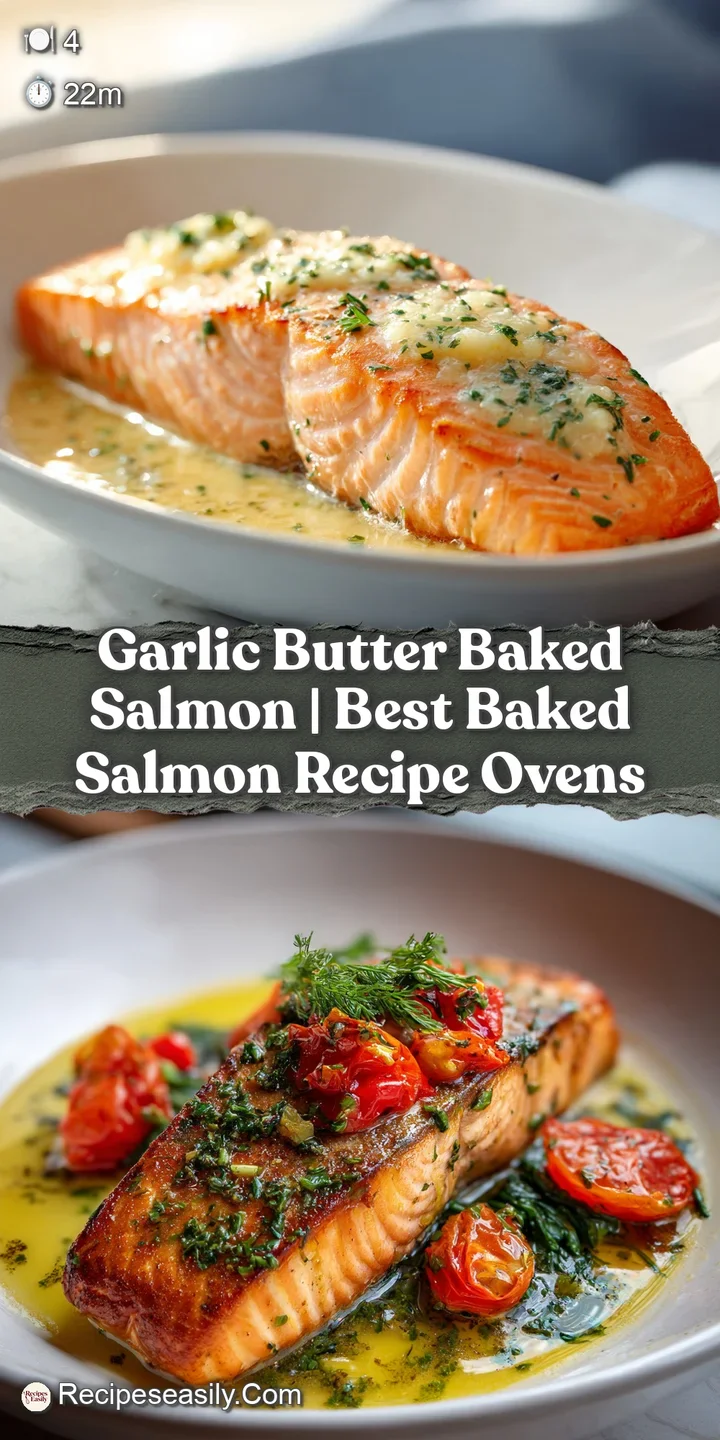
Finish the dish by drizzling any remaining butter from the baking sheet over the fish. A final sprinkle of fresh parsley and a thin slice of lemon on the side adds that pop of color that signals "freshness." It is a simple presentation, but it highlights the textures we worked so hard to achieve.
When you see that garlic butter glistening under the kitchen lights, you will know you have nailed the technique. Enjoy the shatter of the crispy potato skin and the velvety flake of the salmon. It's a winner every single time.
Recipe FAQs
How to ensure the salmon develops a crust instead of steaming?
Pat the fillets completely dry with paper towels before seasoning. Excess surface moisture is the main culprit that turns a bake into a steam, so removing it is essential for the butter glaze to adhere and crisp up correctly.
Is it true that I should skip the resting period to keep the fish hot?
No, this is a common misconception. You must let the salmon rest for 3 minutes after removing it from the 400°F oven to allow the internal temperature to carry over to 135°F, which locks in the buttery juices.
How to keep the garlic butter glaze from separating?
Whisk the glaze until the mixture is thick and pale before applying. Using melted butter that has slightly cooled helps create a stable emulsion with the Dijon mustard and lemon juice, much like the creamy butter technique used to achieve smooth, cohesive sauce textures.
How to check for doneness without overcooking the fish?
Insert a meat thermometer into the thickest part of the fillet to reach 130°F. Because the oven is set to 400°F, pulling the fish at this exact temperature prevents the protein from turning dry or stringy.
How to reheat leftover salmon without making it taste fishy?
Place the fish in a 300°F oven for about 8 minutes. Add a splash of water or a small pat of butter to the pan to maintain moisture, as the microwave will quickly degrade the delicate texture of the protein.
Can I freeze the salmon after it has been baked?
No, avoid freezing cooked salmon. The texture often becomes grainy upon thawing, and the fats in the garlic butter glaze are prone to oxidation, which negatively impacts the final flavor.
How to ensure the vegetables cook through alongside the salmon?
Par-boil your baby Yukon Gold potatoes before placing them on the sheet pan. Since salmon only requires 10 12 minutes in the oven, precooking the harder vegetables ensures everything is tender at the same time the fish reaches its perfect internal temperature.
Garlic Butter Baked Salmon
Ingredients:
Instructions:
Nutrition Facts:
| Calories | 595 kcal |
|---|---|
| Protein | 39 g |
| Fat | 37 g |
| Carbs | 25 g |
| Fiber | 4 g |
| Sugar | 2 g |
| Sodium | 625 mg |
