Ground Beef Recipe with Garlic and Herbs
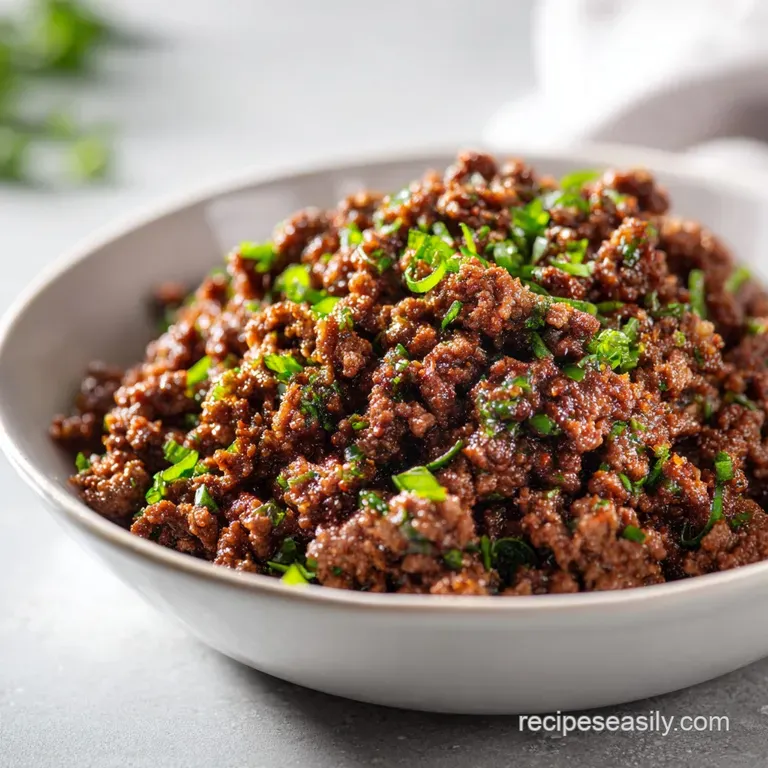
- Time: Active 10 minutes, Passive 12 minutes, Total 22 minutes
- Flavor/Texture Hook: Crusty browned edges with a velvety garlic butter finish
- Perfect for: High protein weeknight dinners or quick Mediterranean meal prep
- Best Ground Beef Recipe with Garlic and Herbs
- Avoiding the Common Gray Meat Trap
- Component Analysis for Maximum Flavor
- Choosing High Quality Beef and Herbs
- Tools for Better Meat Searing
- Step by Step Searing Instructions
- Fixing Texture and Flavor Issues
- Flavor Variations and Simple Swaps
- Scaling for Large Groups
- Debunking Searing and Salt Beliefs
- Safe Storage and Reheating Tips
- Best Side Dishes for Beef
- Recipe FAQs
- 📝 Recipe Card
Best Ground Beef Recipe with Garlic and Herbs
In many Mediterranean households, ground meat is treated with as much reverence as a prime steak. I remember spending summers in a small coastal village where the midday air always smelled of singed oregano and rendering fat.
They didn't just toss meat into a lukewarm pan; they treated the browning process like a ritual. This Ground Beef Recipe with Garlic and Herbs is my tribute to those flavors, focusing on how a few simple techniques can turn humble ingredients into something that tastes like a heritage dish.
Discover your new favorite weeknight meal with this standout Ground Beef Recipe with Garlic and Herbs. Most people treat ground beef as a filler for pasta sauce, but here, the meat is the star of the show. We aren't making a sloppy hash; we are creating a deconstructed steak experience.
The goal is to get those crispy, dark brown bits that hold all the savory depth, contrasted with the bright, floral notes of rosemary and thyme.
You can expect a dish that is deeply savory but lightened by the citrusy punch of flat leaf parsley and the earthy warmth of smoked paprika. It is the kind of recipe that makes your kitchen smell like an expensive steakhouse in under half an hour.
Once you learn the "disc method" for browning, you will honestly never go back to the old way of constantly stirring gray meat in a crowded skillet.
Avoiding the Common Gray Meat Trap
The biggest mistake in home kitchens is "steaming" the beef. When you toss a block of cold meat into a pan and immediately start breaking it up, you release all the moisture at once. This creates a puddle of gray liquid that boils the meat instead of searing it.
By leaving the beef in a flat disc for the first four minutes, we allow the surface moisture to evaporate instantly, creating a focused heat zone.
Thermal Contact: Pressing the meat firmly into the cast iron increases the surface area touching the heat, which triggers the browning reaction faster.
Aromatic Layering: Adding dried oregano early allows it to rehydrate in the fat, while fresh parsley is added off heat to preserve its bright, green color and delicate oils.
Residual Heat Carryover: Finishing the herbs with the heat off prevents them from turning bitter or losing their floral scent to high temperatures.
When you master this, you realize that even lean beef can have the mouthfeel of a much richer cut. This technique is actually quite similar to how I approach a Beef Tenderloin Roast recipe, where the initial crust is everything. It is all about managing moisture and heat to ensure every bite has texture.
| Method | Cook Time | Final Texture | Best For |
|---|---|---|---|
| Stovetop | 12 minutes | Crispy, deeply browned | Maximum flavor and speed |
| Oven Roast | 20 minutes | Tender, less crust | Large batches and meal prep |
| Slow Cooker | 4 hours | Soft, stew like | Set it and forget it meals |
Choosing the stovetop method is the only way to get that specific "shatter" on the edges of the beef. The oven is great for quantity, but it lacks the direct conduction needed for a proper sear. If you are looking for flavor, the skillet is your best friend.
Component Analysis for Maximum Flavor
| Ingredient | Science Role | Pro Secret |
|---|---|---|
| 90/10 Ground Beef | Provides the structural protein and savory base | Use cold meat directly from the fridge for a better crust |
| Fresh Garlic | Adds pungent aromatics and natural sugars | Mince by hand; bottled garlic has a bitter, acidic aftertaste |
| Grass fed Butter | Emulsifies the juices into a silky sauce | Use salted butter to add a final layer of seasoning |
| Fresh Rosemary | Releases fat soluble woodsy oils | Chop very finely so it integrates without being "piney" |
The interaction between the smoked paprika and the rendered beef fat creates a subtle, smoky undertone that mimics a charcoal grill. This is especially effective if you are using lean meat, as it adds a perceived richness without needing extra grease.
Choosing high-quality Beef and Herbs
To make this Ground Beef Recipe with Garlic and Herbs truly shine, start with the best beef you can find. I prefer a 90/10 blend because it has enough fat to carry the herb flavors but doesn't leave the pan swimming in oil.
If you use an 80/20 blend, you’ll definitely need to drain the excess fat after step two, or the garlic will just fry instead of infusing.
- 1 lb (450g) lean ground beef: 90/10 blend is the sweet spot for browning without excess grease. Why this? Provides enough fat for flavor without making the dish heavy.
- 1 tsp (6g) fine sea salt: Use a fine grain so it dissolves instantly into the meat fibers.
- 1/2 tsp (1g) freshly cracked black pepper: The coarse grind adds a nice textural pop.
- 1/2 tsp (1g) smoked paprika: Look for Spanish pimentón for a deep, authentic smoky flavor.
- 6 cloves fresh garlic, minced: This might seem like a lot, but it mellows beautifully in the butter.
- 1 tbsp (15g) grass fed butter: Adds a velvety finish that olive oil just can't match.
- 1 small shallot, finely minced: Shallots offer a delicate sweetness that regular onions lack.
- 1 tbsp fresh rosemary, finely chopped: Fresh is mandatory here; dried rosemary can feel like needles.
- 1 tbsp fresh thyme leaves: Strip them from the woody stems for the best texture.
- 1/4 cup fresh flat leaf parsley, chopped: Also known as Italian parsley, it has more flavor than the curly kind.
- 1 tsp dried oregano: Dried oregano actually has a more concentrated flavor than fresh for this dish.
For a substitution, if you can't find shallots, use the white parts of two scallions. They provide a similar mild sharpness without the aggressive bite of a white onion.
| Original Ingredient | Substitute | Why It Works |
|---|---|---|
| Grass fed Butter | Ghee (Clarified Butter) | Higher smoke point but keeps the nutty, buttery notes |
| Fresh Rosemary | Fresh Sage | Similar earthy profile but adds a slightly peppery, pine like edge |
| Flat leaf Parsley | Fresh Cilantro | Completely changes the profile to a more citrusy, bright finish |
If you decide to go the cilantro route, the dish will lean more toward a Latin American flavor profile, which is great but definitely a different vibe than the Mediterranean original. Just be sure to still use the garlic heavily!
Tools for Better Meat Searing
You don't need a kitchen full of gadgets, but a heavy bottomed pan is non negotiable. I always reach for my 12 inch (30cm) cast iron skillet. It holds heat significantly better than stainless steel or non stick, which is crucial when you drop cold meat onto the surface.
A non stick pan will struggle to create that deep, dark crust we are looking for.
You will also want a sturdy wooden spatula. Silicon ones are great for eggs, but for this, you need something with a hard edge to scrape up those "brown bits" (the technical term is fond) from the bottom of the pan.
A fine mesh strainer is also handy if you happen to be using a fattier cut of meat and need to drain off the excess liquid halfway through.
step-by-step Searing Instructions
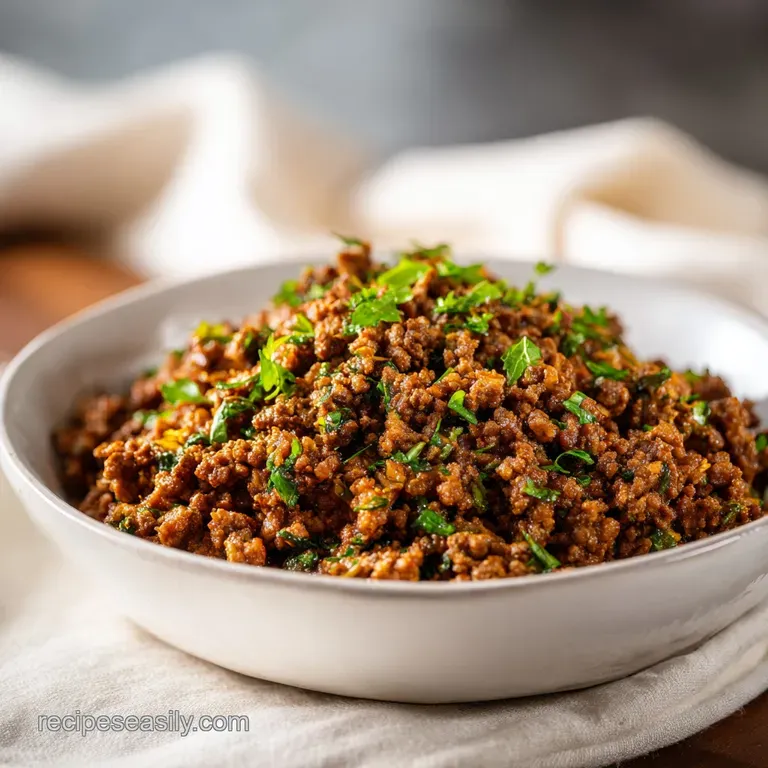
- Heat a 12 inch (30cm) cast iron skillet over medium high heat until it is wisping with smoke. Note: This ensures the meat sears instantly instead of sticking.
- Add the ground beef as a single, flat disc without breaking it up.
- Press down firmly with a spatula and sear undisturbed for 4 minutes until a deep crust forms.
- Flip the large chunks and break them into bite sized morsels using your wooden spatula.
- Cook for 3-4 minutes. If fat pools, drain the meat in a fine mesh strainer then return it to the pan.
- Clear a center space and add the butter, shallots, and rosemary. Note: This allows the aromatics to fry directly in the fat.
- Sauté for 1 minute until the shallots are translucent and fragrant.
- Add the garlic, paprika, salt, pepper, and dried oregano stirring constantly for 60 seconds.
- Remove the pan from the heat to prevent the garlic from burning.
- Fold in the fresh thyme and parsley until the greens wilt slightly from the residual heat.
Make sure you don't skimp on that initial 4 minute sear. It’s tempting to start hacking away at the meat as soon as it hits the pan, but patience is what separates a "good" Ground Beef Recipe with Garlic and Herbs from a "velvety and crispy" one.
You want that bottom side to look almost like a well seared burger patty before you move it.
Fixing Texture and Flavor Issues
Why Your Beef Is Souring
Sometimes, the garlic can go from "fragrant" to "bitter" in a heartbeat. This usually happens if the pan is too hot when the garlic is added or if it sits on the heat for more than a minute. If you smell a sharp, acrid scent, the garlic is likely burnt.
To fix this, you can quickly stir in a teaspoon of honey or brown sugar to counteract the bitterness, but the best medicine is prevention. Always make sure you have your herbs prepped and ready to go so you aren't dicing while the garlic is scorching.
Managing High Moisture Content
If your meat starts releasing a lot of water (this happens with some supermarket brands that inject water into the packaging), your beef will start to boil. Don't panic. Just tip the skillet over a heat safe bowl and drain the liquid out. Return it to high heat and add a teaspoon of oil to jumpstart the browning again.
| Problem | Root Cause | Solution |
|---|---|---|
| Tough, rubbery meat | Cooked too long on low heat | Use high heat for a shorter time to keep centers juicy |
| No crust/browning | Pan was overcrowded or not hot enough | Work in batches or use a larger 12 inch skillet |
| Bitter aftertaste | Burnt garlic or rosemary | Add garlic only in the last 60 seconds of cooking |
If you follow the "disc method," you significantly reduce the chances of the meat becoming rubbery because the interior stays protected while the exterior crisps up.
Common Mistakes Checklist:
- ✓ Pat the beef dry with a paper towel if it looks wet before cooking.
- ✓ Ensure the pan is actually smoking before the meat hits the surface.
- ✓ Use a 12 inch skillet; a 10 inch pan is too small and will cause steaming.
- ✓ Don't use "pre minced" garlic from a jar; it lacks the necessary oils.
- ✓ Wait to add the fresh herbs until the heat is turned off.
Flavor Variations and Simple Swaps
If you are looking for a different texture, you can try this as a simple slow cooker beef stew adaptation. You would brown the meat first using the same disc method, then toss it into the crockpot with the garlic and herbs. However, you will lose that specific "shatter" of the crispy edges, so I always recommend the stovetop for the best experience.
Creating a Mediterranean Feast
To take this in a Greek direction, swap the smoked paprika for a pinch of cinnamon and serve the beef over a bed of lemon feta orzo. The warmth of the cinnamon against the sharp garlic is a classic combination that feels incredibly sophisticated for a weeknight.
Adapting for Heat Lovers
If you like a bit of a kick, add 1/2 teaspoon of red pepper flakes when you add the garlic. The capsaicin dissolves in the butter and coats every morsel of beef, giving you a consistent, glowing heat rather than just occasional spicy bites.
Lowering the Caloric Density
For a lighter version, replace the butter with a tablespoon of beef broth or a splash of dry white wine. You will lose the creamy mouthfeel, but the wine adds a lovely acidity that cuts through the richness of the beef beautifully.
Scaling for Large Groups
When doubling this Ground Beef Recipe with Garlic and Herbs, the most important rule is: do not use one pan. Even a large skillet can't handle 2 lbs (900g) of meat at once without the temperature dropping and the meat steaming. Use two separate 12 inch skillets or work in two distinct batches.
For the spices, you don't always need to double everything exactly. Salt and pepper should be doubled, but I usually find that 1.5x the smoked paprika and rosemary is plenty when doubling the beef. The garlic, however? Always double the garlic. You can never have too much.
If you are halving the recipe for a solo dinner, use a smaller 8 inch or 10 inch skillet. Since you are using only half an egg in many recipes, for this one, simply use a small shallot and a few extra herbs to keep the flavor profile high.
Debunking Searing and Salt Beliefs
A common myth is that "searing seals in juices." Science tells us this isn't true; moisture is lost during the browning process regardless. However, searing creates new flavor compounds that are essential for that "meaty" taste.
We aren't sealing anything; we are building a flavor profile that doesn't exist in raw meat.
Another misconception is that salting the meat early makes it "tough." While salting a steak hours in advance can change the protein structure, salting ground beef right before it hits the pan actually helps draw out just enough surface moisture to facilitate a better crust. Don't be afraid of the salt!
Finally, many people think you shouldn't use butter with over high heat beef. While butter does have a lower smoke point, adding it at the end (Step 3) means it only cooks for a few minutes. This gives you the flavor of the milk solids without the burnt, bitter taste of scorched butter.
Safe Storage and Reheating Tips
This dish is a meal prep dream. The flavors actually deepen overnight as the garlic and rosemary oils continue to permeate the beef fibers. I often make a double batch on Sunday just to have the leftovers for quick lunches during the week.
- Fridge: Store in an airtight container for up to 4 days.
- Freezer: You can freeze the cooked beef for up to 3 months. Let it cool completely before bagging it to avoid freezer burn.
- Zero Waste Tip: If you have leftover stems from the rosemary and thyme, don't toss them! Toss them into a freezer bag. When you have enough, simmer them with some beef bones or vegetable scraps to make a deeply aromatic homemade stock.
For reheating, skip the microwave if you can. It tends to make the beef rubbery and "sweaty." Instead, toss it back into a hot skillet with a tiny splash of water or beef broth. Cover it for 60 seconds to let the steam penetrate, then remove the lid and fry for another minute to bring back those crispy edges.
Best Side Dishes for Beef
Since this Ground Beef Recipe with Garlic and Herbs is so savory and rich, it pairs best with sides that offer a bit of acidity or crunch. A simple cucumber and tomato salad with a heavy lemon vinaigrette is my go to. The brightness of the lemon cuts right through the garlic butter.
If you want something heartier, serve it over a bed of roasted cauliflower or buttery mashed potatoes. The "sauce" created by the butter and beef juices acts like a built in gravy that the potatoes will soak up.
For a low carb option, I love stuffing this mixture into hollowed out bell peppers or zucchini boats and giving them a quick 10 minute roast in the oven. The meat stays juicy while the vegetables soften just enough to bite through.
Regardless of how you serve it, make sure you have a little extra fresh parsley on hand for a final garnish it makes the whole plate look professional and tastes incredibly fresh.

Recipe FAQs
Is garlic and herb seasoning good for ground beef?
Yes, it is the classic combination for depth of flavor. Using a blend of fresh rosemary, thyme, parsley, and garlic creates a balanced profile that highlights the savory notes of the beef without overpowering it.
What's the secret to flavorful ground beef?
The secret is the initial high heat sear. By pressing the beef into a flat disc in a smoking hot skillet and leaving it undisturbed for four minutes, you develop a deep, caramelized crust that creates a superior flavor base compared to gray, boiled meat.
What seasoning can I put in ground beef to make it taste better?
Use a combination of smoked paprika, dried oregano, and fine sea salt. These ingredients build a complex foundation, while finishing with fresh herbs like thyme and parsley adds brightness to the final dish.
Should I saute onions and garlic before adding ground beef?
No, wait until the beef is browned first. Adding aromatics too early often leads to burnt garlic, so it is better to clear a space in the center of the pan to sauté the shallots and garlic once the beef is already cooked.
How to ensure the beef isn't greasy or oily?
Drain the meat in a fine mesh strainer if fat pools in the pan. After breaking the beef into morsels, removing excess liquid ensures you are left with crispy, browned meat rather than a stewed texture; if you enjoyed mastering this technique, see how we apply the same degreasing principle for a cleaner profile in our Creamy Beef Enchilada Soup.
How to avoid burning the garlic while seasoning?
Stir the garlic constantly for exactly 60 seconds. Toasting the garlic briefly in the center of the skillet with the butter allows the aromatics to bloom without reaching the point of bitterness.
Can I use fresh herbs instead of dried?
Yes, but only for certain stages of the cooking process. Save delicate fresh herbs like parsley and thyme for the very end, folding them in after taking the pan off the heat to preserve their volatile oils and vibrant color.
Garlic Herb Beef Skillet
Ingredients:
Instructions:
Nutrition Facts:
| Calories | 216 kcal |
|---|---|
| Protein | 23.1 g |
| Fat | 12.2 g |
| Carbs | 3.8 g |
| Fiber | 0.7 g |
| Sugar | 0.6 g |
| Sodium | 594 mg |
