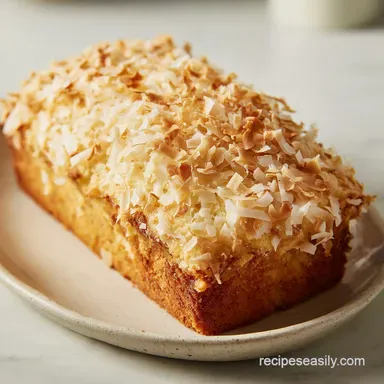
Homemade Coconut Pound Cake: Velvety and Moist
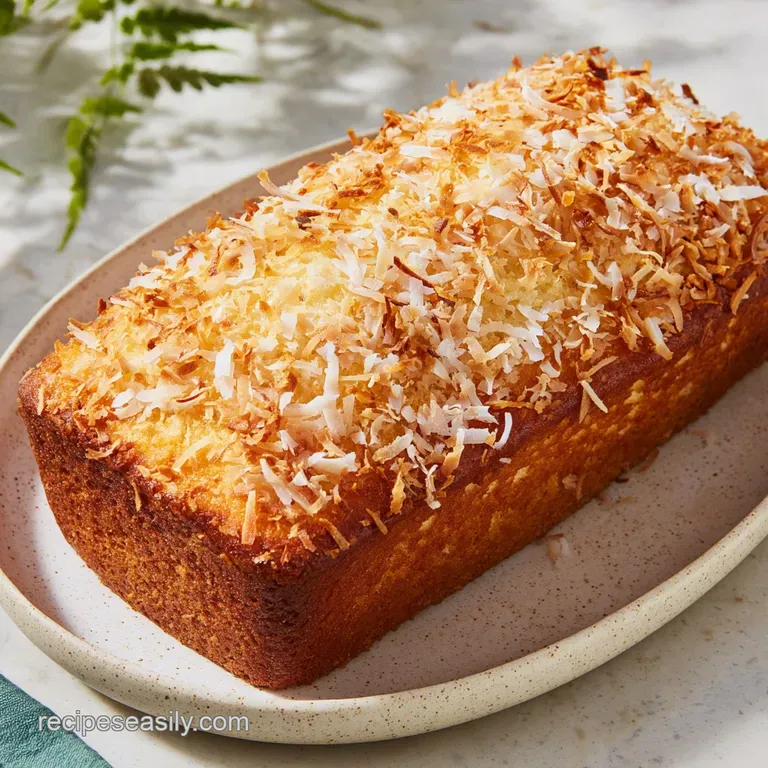
- Time:15 minutes active + 80 minutes baking = Total 1 hour 50 mins
- Flavor/Texture Hook: Velvety crumb with a toasted, nutty finish
- Perfect for: Lazy Sunday brunches or a budget-friendly celebration dessert
- Homemade Coconut Pound Cake Recipe
- Secrets to a Velvety Texture
- Component Analysis
- The Ingredient List
- Essential Kitchen Tools
- Step by Step Baking
- Troubleshooting Your Cake
- Fun Flavor Twists
- Adjusting the Batch Size
- Budget Baking Truths
- Storage and Waste Tips
- Best Pairing Ideas
- Recipe FAQs
- 📝 Recipe Card
The smell of toasted coconut hitting a hot pan is, for me, the ultimate signal that the weekend has actually started. I remember this one specific Saturday where I tried to make a "fancy" cake for my sister's housewarming, but I used a boxed mix and added a handful of raw coconut flakes.
The result was a disaster, a weirdly gummy texture that tasted more like wet cardboard than a tropical treat. I realized then that you can't just throw coconut into a batter and hope for the best, you have to treat the coconut as the star, not an afterthought.
That's where this homemade coconut pound cake recipe comes in. It's the kind of cake that feels like it belongs in a high end bakery, but it's actually built on basic pantry staples and a few smart shortcuts. We're talking about a dense, buttery crumb that doesn't crumble into a million pieces the moment you touch it.
It's a sturdy cake, but the coconut milk transforms it into something silky.
You can expect a cake that has a golden brown exterior and a heart that stays moist for days. It's not overly sweet, which means you can actually taste the coconut without your teeth aching.
If you've ever struggled with pound cakes being too dry or feeling like a brick, this version fixes that by balancing the butter with the creamy fats of the coconut. Trust me on this, once you try it, you'll never go back to the store-bought versions.
Homemade Coconut Pound Cake Recipe
The real secret to this cake is how we handle the coconut. Most people just stir in shredded coconut, but we're toasting it first. Toasting removes the excess moisture from the flakes and brings out those aromatic oils.
When these toasted bits hit the batter, they create little pockets of intense flavor and a slight chew that contrasts with the velvety cake.
I've found that using full fat canned coconut milk is non negotiable here. The carton stuff you find in the dairy aisle is mostly water and stabilizers, which will leave your cake feeling thin and lacking that rich, old-fashioned mouthfeel.
Canned coconut milk provides a level of creaminess that acts almost like a second butter, ensuring the cake stays moist even after a few days in the fridge.
But what about the sugar? We use a generous amount, but because the coconut flavor is so bold, it balances out. The glaze on top adds a hit of brightness that cuts through the richness of the butter. It's a classic profile, but the coconut milk twist makes it feel modern.
Right then, let's look at why these specific choices make the cake work.
Secrets to a Velvety Texture
The structure of a pound cake is all about the relationship between fat, air, and flour. Since we're adding coconut milk, we're introducing a different kind of fat than just butter.
- Fat Synergy: Combining butter and coconut milk creates a more complex lipid structure, which stops the cake from feeling greasy while keeping the crumb soft.
- Air Incorporation: Beating the butter and sugar first creates tiny air pockets that the baking powder then expands, giving us lift without making it a spongy sponge cake.
- Moisture Retention: The natural fats in coconut milk bond with the flour, preventing the starch from drying out during the long 80 minutes in the oven.
- Coconut Integration: Toasting the coconut prevents it from releasing water into the batter, which would otherwise mess with the rise and create "soggy spots".
Since this is a budget friendly approach, I want to show you how the method affects the outcome. Most of us use an oven, but some people use a "pot in-pot" stovetop method if they don't have a reliable oven.
| Feature | Oven Method | Stovetop (Pot Oven) | Best For |
|---|---|---|---|
| Heat Flow | Even, surrounding heat | Bottom heavy heat | Oven is more consistent |
| Bake Time | 70-80 minutes | 90-110 minutes | Oven is faster |
| Crust | Golden and uniform | Darker bottom crust | Oven for aesthetics |
Component Analysis
Before we dive into the list, let's talk about what these ingredients are actually doing. It's not just about flavor, it's about the structural integrity of the slice.
| Ingredient | Science Role | Pro Secret |
|---|---|---|
| Unsalted Butter | Structure & Tenderness | Must be 65-68°F to trap air effectively |
| Full Fat Coconut Milk | Moisture & Emulsification | Shake the can well to mix the cream and water |
| All Purpose Flour | The Framework | Spoon and level to avoid a dense, heavy cake |
| Eggs | Binding & Lift | Add one by one to prevent the batter from curdling |
The Ingredient List
For the cake batter, you'll need: - 3 cups (375g) all purpose flour Why this? Provides the necessary protein for a sturdy structure - 1.5 tsp (7g) baking powder Why this? Gives a gentle lift to the heavy batter - 0.5 tsp (3g) salt Why
This? Enhances the coconut and sugar notes - 1 cup (225g) unsalted butter, softened Why this? Classic flavor and essential for the "pound" texture - 2 cups (400g) granulated sugar Why this? Standard sweetness and helps with browning - 4
Large (200g) eggs Why this? Provides structure and richness - 1 cup (240ml) full fat coconut milk Why this? The hero ingredient for moisture and flavor - 1 tsp (5ml) vanilla extract Why this? Rounds out the tropical notes -
0.5 tsp (2.5ml) coconut extract Why this? Boosts the natural coconut aroma - 1 cup (110g) sweetened shredded coconut, toasted Why this? Adds texture and a deep, nutty taste
For the coconut glaze: - 1 cup (120g) powdered sugar - 3 tbsp (45ml) coconut milk - 0.5 tsp (2.5ml) coconut extract - 0.5 cup (55g) toasted coconut flakes (for garnish)
If you're on a tight budget, you can swap the coconut extract for a bit more vanilla or even a pinch of almond extract. It won't be as "coconut forward," but it still tastes great.
| Original Ingredient | Substitute | Why It Works |
|---|---|---|
| Full Fat Coconut Milk | Heavy Cream (1 cup) | Same fat content. Note: Loses tropical flavor, tastes like a standard pound cake |
| Unsalted Butter | Vegan Butter (1 cup) | Similar fat ratio. Note: Check for salt content; adjust salt in recipe if needed |
| Powdered Sugar | Finely ground caster sugar | Same sweetness. Note: Glaze will be grainier and less glossy |
| All Purpose Flour | gluten-free 1 to-1 Blend | Similar structure. Note: Crumb may be slightly more fragile |
One thing I've learned the hard way: don't use "light" coconut milk. It's basically coconut flavored water and will make your cake sink in the middle.
Essential Kitchen Tools
You don't need a professional kitchen for this, but a few things make it way easier. I use a standard stand mixer such as KitchenAid, but a hand mixer works just fine.
- 10 inch Bundt pan (the gold standard for pound cakes)
- Large mixing bowl
- Whisk and rubber spatula
- Fine mesh sieve (for the flour)
- Cooling rack
- Toothpick or cake tester
If you don't have a Bundt pan, you can use two 8 inch round cake pans. Just keep an eye on the bake time, as they'll likely cook faster than a single large loaf.
Step by step Baking
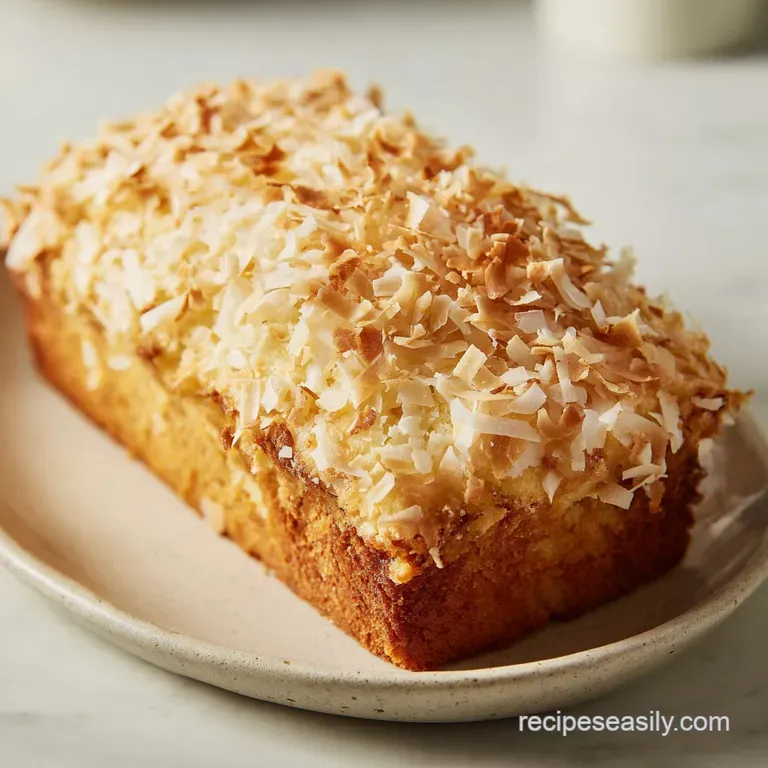
Right then, let's crack on. Follow these steps closely to ensure your homemade coconut pound cake recipe turns out velvety and moist.
- Preheat your oven to 325°F (160°C). Liberally grease a 10 inch Bundt pan with butter and dust with flour, tapping out the excess. Note: Greasing well is the only way to ensure the cake doesn't stick.
- Whisk the softened butter and granulated sugar together until combined. Wait until the mixture looks pale and slightly fluffy.
- Beat in the eggs one at a time. Note: Doing this prevents the batter from separating. Then stir in the full fat coconut milk, vanilla extract, and coconut extract.
- Gently fold in the flour, baking powder, and salt using a spatula until just combined. Stop the moment you see no more flour streaks to avoid a tough cake.
- Fold in the toasted shredded coconut last. Note: Be gentle here so you don't deflate the air we beat in earlier.
- Pour the batter into the prepared pan and smooth the top. Bake for 70-80 minutes until a toothpick inserted into the center comes out clean.
- Let the cake cool in the pan for 15 minutes before inverting it onto a wire cooling rack. Note: If you flip it too soon, it might crack; too late, and it might stick.
- Whisk together powdered sugar, coconut milk, and coconut extract until smooth. Pour the glaze evenly over the cooled cake.
- Immediately press the toasted coconut flakes into the wet glaze for garnish. Do this while the glaze is still tacky so they stick.
Chef's Note: If you find your batter looks slightly curdled after adding the coconut milk, don't panic. Just keep whisking or add a tablespoon of your measured flour to bring it back together.
Troubleshooting Your Cake
Even the best of us mess up sometimes. If your cake isn't looking right, it's usually down to one of a few common issues.
| Issue | Solution |
|---|---|
| Why Your Cake Sank | A sunken center usually means the oven door was opened too early or the baking powder was expired. The rush of cold air causes the structure to collapse before the flour has set. |
| Why Your Cake is Dry | Dryness often comes from overbaking. Even five extra minutes can strip the moisture from a pound cake. Always use a toothpick to check doneness rather than relying solely on the timer. |
| Why Your Cake Stuck | If the cake clings to the pan, it's usually because the flour dusting step was skipped or the cake was inverted too quickly. Let it sit for exactly 15 minutes to allow the edges to pull away. |
Common Mistakes Checklist:
- ✓ Butter is truly softened (not melted)
- ✓ Flour was spooned into the cup, not packed
- ✓ Oven preheated for at least 20 minutes
- ✓ Coconut was toasted before adding to batter
- ✓ Pan was greased and floured thoroughly
Fun Flavor Twists
Once you've nailed the basic homemade coconut pound cake recipe, you can start playing with the flavors. I love experimenting with this base because it's so sturdy.
Adding a Zesty Twist
Add the zest of one lime to the batter and swap the coconut extract in the glaze for lime juice. The acidity cuts through the butter and makes it taste like a tropical vacation.
Creating a Tropical Duo
Fold in 1/2 cup of finely diced dried pineapple (soaked in warm water for 10 mins first). It adds a chewy, sweet contrast to the velvety crumb.
Swapping for dairy-free
You can make this entirely vegan by using a high-quality vegan butter stick and substituting the eggs with "flax eggs" (1 tbsp ground flax + 3 tbsp water per egg). The texture will be denser, but still satisfying.
If you're in the mood for something even more decadent, you could serve this cake with a side of brown butter caramel sauce. The salty caramel and coconut are a match made in heaven.
Adjusting the Batch Size
Depending on the crowd, you might need more or less cake. Pound cakes are a bit finicky when scaling, so keep these tips in mind.
Scaling Down (1/2 Batch): Use a 6 inch cake pan or a small loaf pan. Since there's less mass, reduce the bake time by about 20% (check at 55-60 minutes). To handle the eggs, beat one egg in a small bowl and use exactly half of it by weight or volume.
Scaling Up (2x Batch): Work in batches if your mixer isn't huge. When doubling, don't double the salt or coconut extract fully - go for 1.5x instead, as these flavors can become overwhelming.
If baking two cakes at once, lower the oven temp to 300°F (150°C) and extend the time by 10-15 minutes to ensure the centers cook through.
If you find yourself making cakes often and want a different vibe, my yellow cake recipe is a great way to practice your frosting skills with a lighter crumb.
Budget Baking Truths
There are a few myths about pound cakes that I want to clear up, especially if you're trying to save money.
Myth: Expensive butter makes a better cake. Truth: As long as the butter is unsalted and has a high fat content, store brand works just as well. The coconut milk provides so much of the flavor that the brand of butter is almost irrelevant.
Myth: You must use a stand mixer for a pound cake. Truth: A hand mixer or even a strong whisk and some elbow grease will work. The key is the action of incorporating air, not the machine you use.
Myth: Sifting flour is mandatory. Truth: While it helps, whisking the flour, baking powder, and salt together vigorously in a bowl does 90% of the work. Don't let a lack of a sieve stop you from baking.
Storage and Waste Tips
To keep this homemade coconut pound cake recipe tasting fresh, you need to be smart about how you store it.
Storage Guidelines:
- Room Temperature: Keep it under a cake dome or in an airtight container for up to 3 days.
- Fridge: Wrap tightly in plastic wrap and store for up to 7 days. I recommend letting a slice sit at room temperature for 20 minutes before eating, as the butter firms up in the cold.
- Freezer: Slice the cake first, wrap each slice in parchment paper, and place them in a freezer bag for up to 3 months.
Zero Waste Tips:
- Leftover Coconut Milk: If you have half a can of coconut milk left, don't toss it. Freeze it in ice cube trays and pop one into your morning coffee or a smoothie.
- Cake Scraps: If the top of your cake is a bit too brown, shave it off. Toast those crumbs in a pan with a bit of butter and cinnamon to make a coconut crumble topping for yogurt.
- Coconut Flakes: If you have leftover toasted coconut, stir it into oatmeal or use it to crust a piece of pan seared tilapia for a tropical dinner.
For more on keeping your kitchen safe while handling dairy and eggs, check Safe Food Handling FDA.
Best Pairing Ideas
A cake this rich needs a companion that provides a bit of contrast. Since the flavor is creamy and tropical, you want something bright or slightly bitter.
A cup of strong, black coffee is the most classic pairing. The bitterness of the roast cuts right through the sugar and butter of the cake. If you're serving this for brunch, a side of fresh berries (raspberries or blueberries) adds a tartness that makes the coconut pop.
If you're feeling fancy, a drizzle of a citrusy coulis or a dollop of unsweetened whipped cream with a hint of lime zest can take this from a simple home bake to a dinner party showstopper. This homemade coconut pound cake recipe is all about balance, and the right pairing just completes the experience.
Trust me, once you see your friends' faces when they take that first velvety bite, you'll be glad you took the time to toast that coconut. Let's get baking!
Recipe FAQs
What is the secret to the best pound cake?
Ensure all ingredients are at room temperature. This allows the butter and eggs to emulsify properly, which creates a velvety crumb and prevents the batter from breaking.
What is the best flour to use for coconut cake?
Stick with all-purpose flour. It provides the necessary structure to support the weight of the toasted shredded coconut and butter without becoming too dense.
How to make this cake for diabetic patients?
Consult a healthcare provider for sugar modifications. This recipe contains granulated and powdered sugar, making it unsuitable for those on a strict diabetic diet.
What are some common mistakes to avoid when making pound cake?
Avoid opening the oven door too early. A rush of cold air can cause the center to sink before the flour has set and the structure is stable.
How to keep the cake from sticking to the pan?
Liberally grease the Bundt pan with butter and dust it with flour. Tapping out the excess flour ensures a clean release after the cake cools for 15 minutes.
Is it true that baking at 350°F is better for pound cakes?
No, this is a common misconception. Higher temperatures often burn the edges before the dense center is cooked; stick to 325°F (160°C) for an even rise.
How to achieve a velvety texture in the cake?
Beat the butter and sugar until the mixture is pale and fluffy. If you enjoyed mastering this velvety consistency here, see how we apply similar texture principles in our broccoli rice casserole.
Homemade Coconut Pound Cake