The Best Julia Childs Beef Stew Recipe
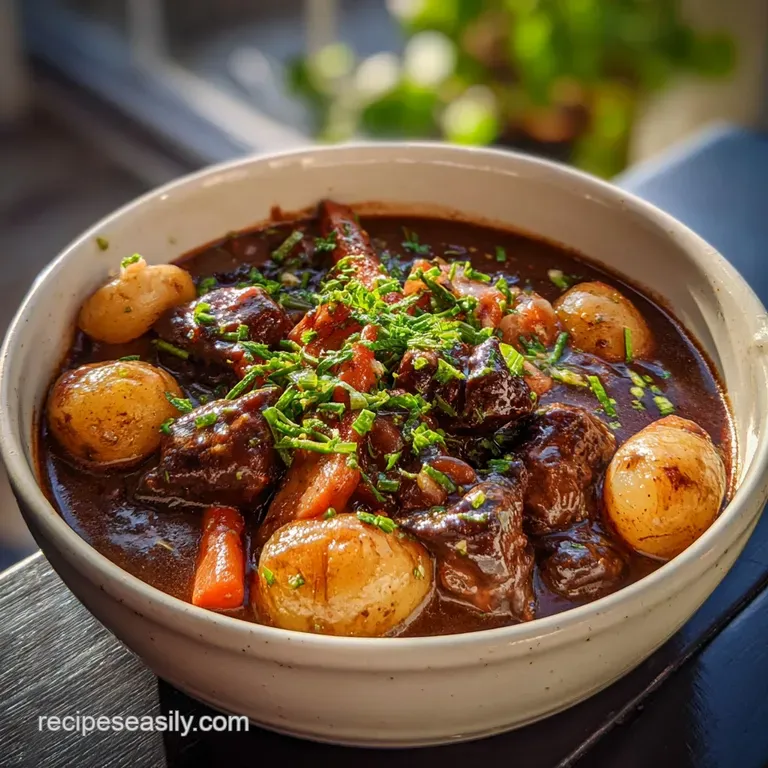
- Master The Best Julia Childs Beef Stew
- The Logic of Braising Beef
- Component Analysis for Deep Flavor
- The Essential Flavor Foundation
- Essential Heavy Duty Kitchen Gear
- Executing The Braise With Precision
- Preventing Common Kitchen Errors
- Smart Swaps For Thrifty Cooks
- Proportional Scaling Advice
- Debunking Braising Misconceptions
- Keeping Leftovers Fresh And Tasty
- Perfect Side Dish Pairings
- High in Sodium
- Recipe FAQs
- 📝 Recipe Card
Master The Best Julia Childs Beef Stew
The first time I stood in my kitchen with a 3 lb slab of beef chuck, I felt like I was about to sit for a final exam I hadn't studied for. There’s something about a French classic that feels intimidating, right?
But the moment that 6 oz chunk of bacon hit the pot and started to sizzle, releasing that smoky, salty aroma, my nerves just melted away. This dish isn't about being perfect; it’s about the patience of watching a thin, purple liquid transform into a velvety, mahogany glaze that clings to the meat.
I’ve made every mistake in the book with this one from using wine that was way too sweet to forgetting to pat the beef dry (a total sear killer, trust me). What I’ve learned is that you don't need a professional kitchen or a massive budget to make this legendary.
This recipe is a labor of love that fills your entire home with a scent so savory it feels like a warm hug. It’s the kind of meal that makes you want to turn off your phone, pour a glass of whatever wine you didn't put in the pot, and just enjoy the process.
The Logic of Braising Beef
The Science of Collagen: Slow cooking at a low temperature breaks down tough connective tissues into gelatin, which gives the sauce its signature silky mouthfeel.
The Maillard Reaction: Searing the meat at high heat creates hundreds of different flavor compounds that simply don't exist in boiled beef.
Alcoholic Extraction: The ethanol in the red wine helps release flavor molecules from the tomato paste and aromatics that are not water soluble.
Osmotic Balance: Salting the beef early draws out moisture, which then re absorbs with the flavors of the wine and stock during the long braise.
Emulsification Stability: The flour coating the meat binds with the rendered bacon fat to create a stable thickening agent that prevents the sauce from breaking.
| Meat Thickness | Oven Temp | Total Braise Time | Visual Cue for Doneness |
|---|---|---|---|
| 1 inch cubes | 325°F | 2 hours 15 mins | Meat is tender but holds shape |
| 2 inch cubes | 325°F | 3 hours 15 mins | Shatter-tender with a fork |
| 3 inch chunks | 300°F | 4 hours 30 mins | Bone (if used) slides out clean |
If you're short on time but still want that cozy vibe, you might enjoy my simple slow cooker recipe. It's a great way to get those deep flavors without hovering over the stove all afternoon.
Component Analysis for Deep Flavor
| Ingredient | Science Role | Pro Secret |
|---|---|---|
| 3 lbs Beef Chuck | Primary Protein | Choose a "choice" grade with heavy white marbling. |
| 3 cups Red Wine | Acid & Flavor Base | Use a dry Pinot Noir or Burgundy; avoid anything sweet. |
| 6 oz Bacon | Lipid & Umami | Simmer the lardons in water first to remove excess salt. |
| 2 tbsp Flour | Thickening Agent | Toast the flour in the oven on the meat for a nutty taste. |
The Essential Flavor Foundation
To get the best results without overspending, focus on the quality of your base ingredients. I always tell my friends that the beef is the star, but the wine is the supporting actor that makes the star look good. You don't need a $50 bottle.
A solid, dry table wine works perfectly because the long cooking time concentrates the flavors anyway.
- 6 oz chunk of bacon, cut into lardons (Sub: Thick cut streaky bacon) Why this? Provides the foundational fat and a smoky background note.
- 3 lbs beef chuck, cut into 2 inch cubes (Sub: Beef shin or bottom round) Why this? Chuck has the perfect fat to lean ratio for long braising.
- 1 tbsp extra virgin olive oil (Sub: Grapeseed oil) Why this? High smoke point helps with the initial over high heat sear.
- 1 sliced carrot & 1 sliced onion (Sub: Leeks and parsnips) Why this? These aromatics build the first layer of sweetness in the sauce.
- 2 tbsp all purpose flour (Sub: Rice flour for gluten-free) Why this? Gently thickens the braising liquid into a rich gravy.
- 3 cups full bodied red wine (Sub: Beef stock plus 2 tbsp balsamic vinegar) Why this? Provides the acidity needed to cut through the heavy beef fat.
- 2.5 cups brown beef stock (Sub: Vegetable stock with 1 tsp Worcestershire) Why this? Adds depth and ensures the meat is fully submerged.
- 1 tbsp tomato paste (Sub: 3 tbsp tomato purée) Why this? Concentrates the umami and darkens the sauce color.
- 2 cloves smashed garlic (Sub: 1/2 tsp garlic powder) Why this? Mellows out during cooking to provide a subtle pungency.
- 1/2 tsp thyme & 1 crumbled bay leaf (Sub: Dried oregano) Why this? The essential "Herbes de Provence" profile for this dish.
- 21 small white pearl onions (Sub: Frozen pearl onions) Why this? Adds a pop of sweetness and beautiful visual contrast.
- 1 lb mushrooms, quartered (Sub: Sliced Portobello) Why this? They act as little sponges that soak up the wine sauce.
- 2 tbsp unsalted butter (Sub: Margarine) Why this? Used to sauté the garnish and give the final sauce a glossy shine.
Essential Heavy Duty Kitchen Gear
You really need a heavy bottomed pot for this. I use my 6 quart Dutch oven (like a Le Creuset, but a budget Lodge works just as well). The heavy lid is crucial because it keeps the steam inside, creating a pressurized environment that forces flavor into the meat.
If your lid is a bit loose, you can place a piece of parchment paper or foil between the pot and the lid to create a tighter seal.
Also, a good pair of tongs is your best friend here. You'll be doing a lot of flipping during the searing phase. Don't use a fork to turn the meat; you don't want to pierce it and let those juices escape before the crust has formed.
A simple slotted spoon is also handy for removing the bacon and vegetables while leaving the delicious fats behind in the pot.
Executing The Braise With Precision
- Sauté 6 oz bacon lardons in 1 tbsp olive oil over medium heat for about 10 minutes until they are browned and crispy. Remove with a slotted spoon.
- Pat the 3 lbs of beef chuck completely dry with paper towels. Note: This is the most important step for a good sear.
- Increase heat to medium high and sear the beef in batches until every side is a deep, crusty brown. Do not crowd the pan!
- In the same fat, sauté the sliced carrot and onion until they turn golden and soft, which takes about 5 minutes.
- Return the beef and bacon to the pot, toss with 2 tbsp flour, and place in a preheated 450°F oven for 4 minutes to toast the flour.
- Toss the meat again and bake for another 4 minutes until the flour forms a light crust.
- Lower the oven to 325°F. Stir in 3 cups red wine and 2.5 cups stock until the meat is just barely covered.
- Add 1 tbsp tomato paste, garlic, and herbs. Bring to a simmer on the stove, then cover and bake for 3 hours 15 mins.
- While the beef braises, sauté 21 pearl onions and 1 lb mushrooms in 2 tbsp butter until they are glistening and tender.
- Once the beef is done, strain the sauce into a saucepan. Simmer until it coats the back of a spoon, then reunite everything in the pot.
Preventing Common Kitchen Errors
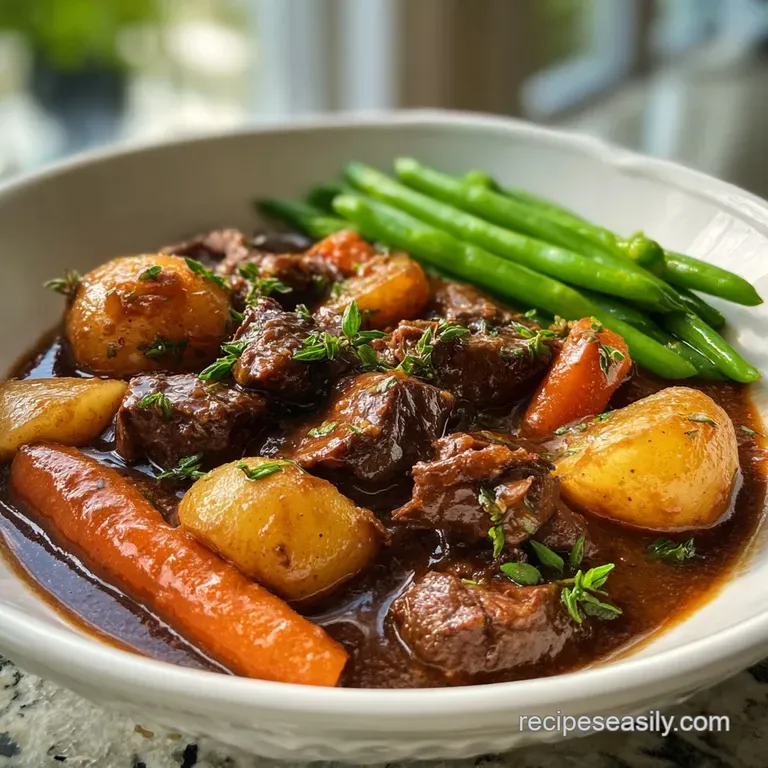
The most common heartbreak with this dish is a sauce that feels too greasy. I once rushed the process and didn't skim the fat, and it ruined the whole experience. If you see a layer of oil on top, just use a wide spoon to gently lift it off. If you're looking for something lighter on a Tuesday, try my Vegetable Soup for recipe. It’s a much faster way to get your veggie fix.
Why Your Sauce Is Greasy or Thin
If your sauce isn't thickening, you might have added too much stock. The liquid should only just cover the meat. If it's too greasy, it's likely from the bacon or the fat cap on the chuck roast.
| Problem | Root Cause | Solution |
|---|---|---|
| Sauce is thin | Too much liquid added | Simmer uncovered to reduce by half |
| Meat is stringy | Temperature was too high | Keep oven at 325°F exactly |
| Sauce is bitter | Wine was too acidic | Add a pinch of sugar to balance |
Common Mistakes Checklist
- ✓ Pat meat completely dry before searing (prevents steaming and gray meat)
- ✓ Use a heavy bottomed pot to prevent the bottom from scorching
- ✓ Don't skip the "flour toasting" step; it removes the raw flour taste
- ✓ Brown the meat in small batches to maintain a high pan temperature
- ✓ Let the stew rest for at least 15 minutes before serving to let the sauce thicken
Smart Swaps For Thrifty Cooks
If pearl onions are too expensive or hard to find, don't sweat it. You can use regular white onions cut into 1 inch chunks. They won't look as "fancy," but the flavor is nearly identical.
For the mushrooms, standard white button mushrooms are a great budget friendly substitute for cremini, and they soak up the sauce just as well.
Chef's Tip: If you don't have a bottle of wine, you can use a mix of beef stock and a tablespoon of balsamic vinegar. It won't be a classic Bourguignon, but it will still be a very rich and delicious beef stew.
| Original | Shortcut | Resulting Texture |
|---|---|---|
| Fresh Pearl Onions | Frozen Pearl Onions | Softer texture, saves 20 mins of peeling |
| Chunk Bacon | Pre cut Bacon Bits | More distributed fat, less "bite" |
| Beef Stock | Water + Bouillon | Saltier finish, requires less seasoning |
Proportional Scaling Advice
Scaling this dish down for two people is easy. Just halve everything and use a smaller Dutch oven. You'll want to reduce the cooking time by about 45 minutes, but the real test is the "fork test." If the meat yields without resistance, it's ready.
For a crowd of 12, double everything but be careful with the salt. The bacon and stock already have plenty, so wait until the very end to do your final seasoning.
When doubling, do not double the flour exactly. Use about 1.5 times the amount (3 tbsp instead of 4) to keep the sauce from becoming too pasty. Also, you will need to brown the beef in at least 5 or 6 batches.
If you try to do it all at once, the temperature of the pot will drop, and you'll end up boiling the meat in its own juices instead of getting that beautiful brown crust.
Debunking Braising Misconceptions
One big myth is that you need to marinate the beef in wine overnight. While it doesn't hurt, Julia Child's original method doesn't require it, and the three hour braise is more than enough time for the wine to penetrate the meat.
Another one is that "the alcohol all cooks out." While most of it does, a tiny percentage remains, which is why the quality of the wine still matters for the final flavor profile.
People also think you have to use an expensive Le Creuset pot. While they are beautiful, any heavy cast iron or stainless steel pot with a tight fitting lid will produce the exact same results. The secret isn't the brand of the pot; it's the consistent, low and slow heat of your oven.
Keeping Leftovers Fresh And Tasty
Storage: This stew is actually better the next day because the flavors have time to mingle and settle. Store it in an airtight container in the fridge for up to 4 days. When you reheat it, do it slowly on the stovetop over medium low heat.
You might need to add a splash of beef stock or water to loosen the sauce back up.
Freezing: This freezes like a dream for up to 3 months. Just make sure it’s completely cool before you put it in a freezer bag. To reheat, thaw it in the fridge overnight and then warm it up on the stove. I don't recommend the microwave for this; it can make the beef a bit rubbery.
Zero Waste: Don't throw away those mushroom stems or onion skins! Toss them into a freezer bag and use them to make your own beef stock later. If you have leftover sauce but no meat, it makes an incredible base for a shepherd's pie or even tossed with some wide egg noodles for a quick lunch.
Perfect Side Dish Pairings
Traditionally, this is served with boiled potatoes, but I’m a huge fan of serving it over a mountain of buttery mashed potatoes. The sauce acts like the best gravy you've ever had.
If you want to keep it classic, a simple side of buttered peas or even just a thick slice of crusty French bread is all you need to soak up every last drop of that velvety sauce.
- If you want a classic feel, serve with steamed parsley potatoes.
- If you want pure comfort, serve over creamy polenta or mashed potatoes.
- If you want to keep it light, a simple green salad with a sharp vinaigrette helps cut through the richness of the stew.
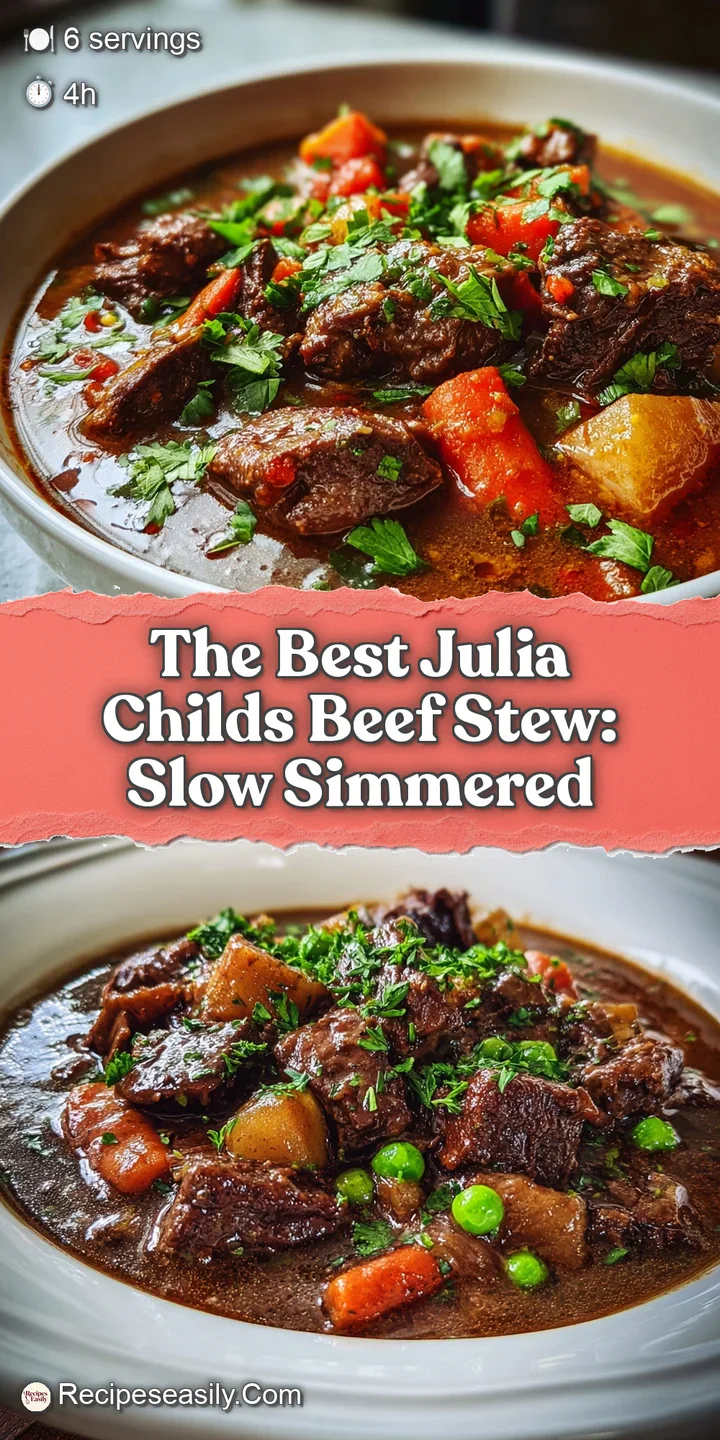
High in Sodium
845 mg mg of sodium per serving (37% of daily value)
The American Heart Association recommends limiting sodium intake to about 2,300mg per day for overall health.
Tips to Reduce Sodium in Your Beef Bourguignon
-
Low Sodium Broth-30%
Swap the regular beef stock for a low-sodium or no-salt added beef broth. This can significantly reduce the overall sodium content of the dish without sacrificing flavor.
-
Reduce Bacon-25%
Bacon is a major source of sodium. Try using half the amount of bacon, or consider swapping it out for a lower sodium alternative like pancetta and using half the amount of salt to begin with.
-
Omit Added Salt-25%
Taste the dish before adding any extra salt. The bacon and beef broth already contribute sodium, so you might find you don't need any additional seasoning.
-
No-Salt Added Tomato Paste-15%
Make sure to select a no-salt added variety of tomato paste to minimize the hidden sodium.
-
Fresh Ingredients-10%
Opt for fresh mushrooms and pearl onions instead of any canned or pre-prepared versions, which often contain added sodium.
-
Wine Selection
While red wine itself doesn't contribute much sodium, selecting a good quality wine enhances the flavor and may reduce the need for additional salt.
-
Herbs & Spices
Enhance the flavor profile with fresh herbs like rosemary, parsley, and additional thyme. Experiment with garlic powder, onion powder, or black pepper to add depth of flavor without sodium.
Recipe FAQs
What is Julia Child's famous stew?
Boeuf Bourguignon. This classic French beef stew, slow braised in red wine (Burgundy), is arguably her most iconic dish next to Coq au Vin.
What is the most famous Julia Child recipe?
Boeuf Bourguignon. While many recipes are revered, this deeply flavored beef stew cemented her legacy as the introducer of complex French cooking to American home cooks.
What French stew Julia Child called the best in the world?
Boeuf Bourguignon. She considered this specific preparation the pinnacle of provincial French comfort food, highlighting its depth achieved through low-temperature braising.
What was Julia Child's signature dish?
Boeuf Bourguignon. It embodies her philosophy of slow cooking, precise technique, and transforming simple ingredients into something extraordinary.
Is it true you must use expensive Burgundy wine for this stew?
No, this is a common misconception. You should use a dry, sturdy table wine you would enjoy drinking, as the long cooking concentrates the flavor significantly.
How to ensure the sauce thickens properly without adding too much flour?
Toast the flour lightly with the vegetables after searing. Tossing the meat and flour together and baking briefly helps the starch develop a nutty flavor before the liquid is added, creating a stable base. If you enjoyed mastering the sauce texture here, see how the same principle of flour fat binding works in our Cozy Marry Me recipe.
How long should the beef braise for maximum tenderness?
Braise for at least 3 hours at 325°F for 2 inch cubes. The meat is done when it yields with almost no resistance when gently probed with a fork, signaling the collagen has fully converted to gelatin.
Julia Child Beef Stew Classic
Ingredients:
Instructions:
Nutrition Facts:
| Calories | 912 calories |
|---|---|
| Protein | 54.2g |
| Fat | 58.4g |
| Carbs | 17.8g |
| Fiber | 2.9g |
| Sugar | 5.4g |
| Sodium | 845mg |
