Lemon Butter Garlic Pasta Sauce Recipe
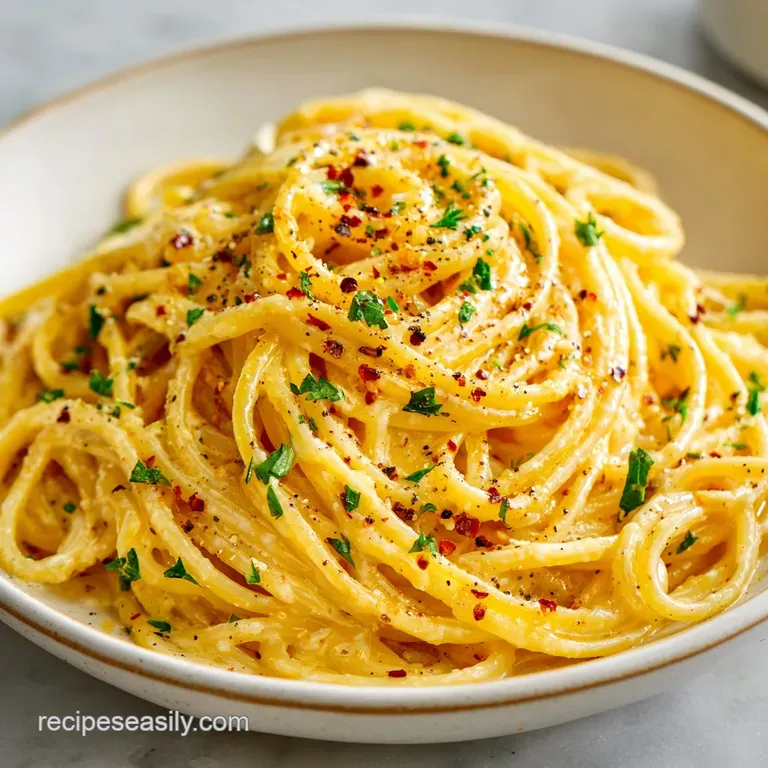
- Time: Active 5 minutes, Passive 10 minutes, Total 15 minutes
- Flavor/Texture Hook: Zesty, buttery, and velvety
- Perfect for: Busy weeknights or impressive date nights
- Master the Lemon Butter Garlic Pasta Sauce Recipe
- Why This Silky Sauce Works
- Ingredient Analysis and Component Roles
- Essential Items for Your Kitchen
- Selecting the Best Ingredients
- Step by Step Cooking Guide
- Fixing Common Kitchen Mistakes
- Scaling for Different Crowds
- Common Myths About Simple Sauces
- Storage and Leftover Tips
- Professional Presentation Techniques
- Recipe FAQs
- 📝 Recipe Card
Master the Lemon Butter Garlic Pasta Sauce Recipe
I still remember the first time I tried to make a "fancy" pasta for my roommates in college. I bought the most expensive jarred sauce I could find, but it tasted like metallic tomatoes and disappointment.
It wasn't until I watched a chef friend simply toss butter, garlic, and a splash of lemon juice into a pan that I realized the best flavors aren't bought - they're built in minutes.
The kitchen was filled with that sharp, punchy aroma of garlic hitting warm butter, and honestly, we didn't even wait for bowls. We ate it straight out of the skillet with forks, laughing about how we'd been overcomplicating dinner for years.
This lemon butter garlic pasta sauce recipe is my tribute to that night, refined over a decade of trial and error.
You might think you need a culinary degree to get that glossy, emulsified finish you see in Italian bistros, but it's actually just physics. I've ruined my fair share of sauces by letting the garlic turn brown and bitter or by dumping out the pasta water too early.
Today, I'm sharing the exact rhythm I use to ensure your sauce is bright, balanced, and perfectly coat able every single time.
Why This Silky Sauce Works
- Emulsification: The starchy pasta water acts as a bridge between the fat (butter) and the liquid (lemon juice), creating a cohesive, velvety coating.
- Acid Balance: Lemon juice cuts through the richness of 1/2 cup (115g) of unsalted butter, preventing the dish from feeling heavy or greasy on the palate.
- Aromatic Infusion: Gently poaching the 5 cloves of minced garlic in butter at a low temperature releases essential oils without creating the bitter notes of fried garlic.
- Temperature Control: Adding cold butter at the final stage (the "monter au beurre" technique) creates a thicker, more stable sauce than melting it all at once.
| Ingredient Choice | Shortcut Version | Flavor Impact | Savings |
|---|---|---|---|
| Fresh Organic Lemons | Bottled Lemon Juice | Loses floral zest notes | Save $1.50 |
| Parmigiano Reggiano | Pre shaken "Green Can" | Gritty texture, salty | Save $4.00 |
| Fresh Flat Leaf Parsley | Dried Parsley Flakes | Muted color and earthiness | Save $1.00 |
Ingredient Analysis and Component Roles
Butter is the backbone here, providing that luxurious mouthfeel we crave in a simple butter pasta sauce. While some might reach for salted butter, I always use 1/2 cup (115g) of unsalted butter so I can control the seasoning myself with Maldon sea salt.
It allows the sweetness of the dairy to shine against the 1/4 cup of fresh lemon juice.
| Component | Science Role | Pro Secret |
|---|---|---|
| Starchy Pasta Water | Binding Agent | Save the water from the last 2 minutes of boiling for maximum starch concentration. |
| Fresh Lemon Zest | Essential Oil Source | Zest directly over the pan to catch the aromatic sprays that usually vanish on a cutting board. |
| 5 Garlic Cloves | Flavor Base | Use a microplane for a paste like consistency that melts into the sauce. |
| Red Pepper Flakes | Heat Contrast | Toast them in the butter for 30 seconds to wake up the capsaicin. |
If you find yourself craving something a bit heartier, this technique is very similar to the one I use in my Creamy Lemon Garlic recipe, where beans provide a boost of protein while soaking up that same citrusy goodness.
Essential Items for Your Kitchen
To get that professional finish, you'll need a large skillet or sauté pan with high sides. This gives you enough room to toss the 1 lb of linguine vigorously without splashing sauce all over your stovetop.
A microplane is also non negotiable for me, as it creates the finest zest and garlic pulp, ensuring you don't bite into a raw chunk of garlic.
You'll also need a standard pasta pot and a liquid measuring cup to scoop out that liquid gold (the pasta water) before you drain the noodles. I've made the mistake of draining the pasta before saving the water more times than I'd like to admit, so now I leave the measuring cup right inside my colander as a physical reminder.
Selecting the Best Ingredients
- 1 lb (450g) linguine or spaghetti: These long strands have more surface area to hold onto the light lemon butter garlic pasta sauce recipe. Why this? The shape facilitates a perfect sauce to carb ratio in every bite.
- 1/2 cup (115g) unsalted butter: high-quality European butter has less water and more fat, leading to a richer sauce. Why this? Provides the foundational creamy texture without needing heavy cream.
- 5 cloves fresh garlic: Avoid the pre minced jars, which often have a harsh, acidic preservative taste. Why this? Fresh garlic offers a sweet, mellow pungency when cooked correctly.
- Zest of 2 organic lemons: Since we are using the skin, organic is best to avoid wax or pesticides. Why this? The zest provides the "high notes" of citrus fragrance.
- 1/2 cup (50g) freshly grated Parmesan Reggiano: Real Parm adds a salty, nutty umami that thickens the sauce slightly. Why this? It acts as a natural stabilizer for the emulsion.
| Original Ingredient | Substitute | Why It Works |
|---|---|---|
| Unsalted Butter | Extra Virgin Olive Oil | Creates a "lemon garlic oil" sauce. Note: Lacks the creamy, opaque finish of butter. |
| Linguine | Chickpea Pasta | Increases protein. Note: Sauce won't cling as well due to different starch profiles. |
| Parmesan Reggiano | Nutritional Yeast | Adds a similar nutty, salty profile. Note: Best for a dairy-free adaptation. |
step-by-step Cooking Guide
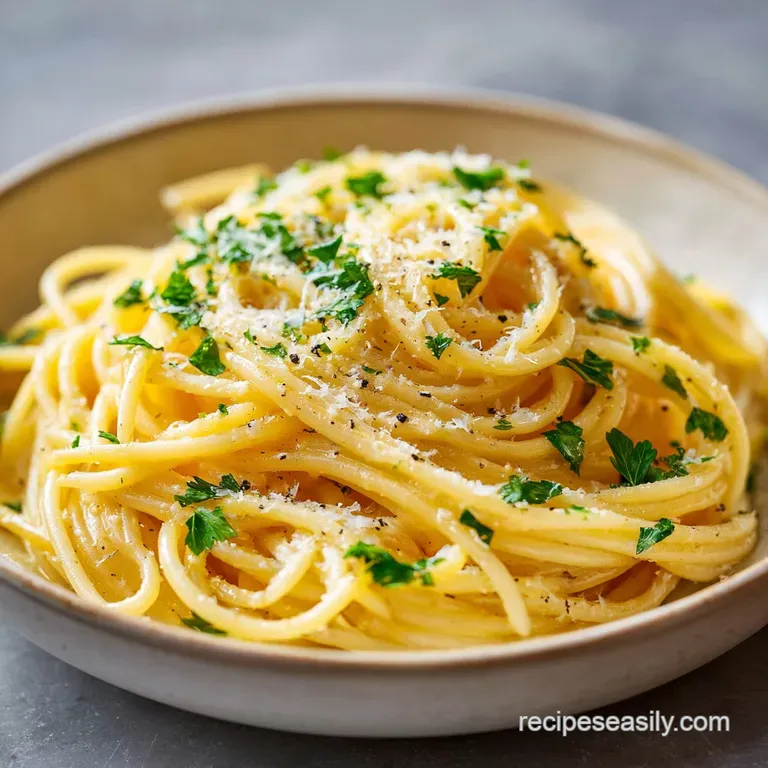
- Boil the water. Fill a large pot with water and add a generous handful of salt. Wait until it reaches a rolling boil before adding the 1 lb of linguine.
- Cook the pasta. Boil the noodles according to the package directions, but pull them out 2 minutes before they are "al dente." Note: They will finish cooking in the sauce later.
- Save the water. Before draining, dip your measuring cup into the pot and reserve 1 cup of starchy water.
- Melt the butter. In your large skillet over medium low heat, melt 1/4 cup of the butter until it begins to sizzle and foam slightly.
- Infuse the aromatics. Add the 5 cloves of minced garlic and 1 tsp of red pepper flakes. Cook for 1-2 minutes until the garlic is fragrant but still pale.
- Add the liquids. Pour in the 1/4 cup of lemon juice and 1/2 cup of the reserved pasta water. Bring to a gentle simmer for 1 minute.
- Emulsify the sauce. Whisk in the remaining 1/4 cup of cold butter, one tablespoon at a time, until the sauce looks glossy and thick.
- Toss the pasta. Add the drained linguine directly into the skillet. Increase heat to medium and toss vigorously for 2 minutes using tongs.
- Add the cheese. Sprinkle in the 1/2 cup of Parmesan and the lemon zest. If the sauce looks too thick, splash in more pasta water.
- Final season. Remove from heat, stir in the 1/2 cup of fresh parsley, and season with Maldon salt and black pepper to your liking.
Fixing Common Kitchen Mistakes
Why Your Sauce is Oily
If your sauce looks like a pool of yellow grease instead of a creamy glaze, the emulsion has broken. This usually happens if the heat is too high when you add the butter, or if you didn't use enough pasta water. The starch in the water is the "glue" that keeps the fat and water from separating.
Why Your Garlic Tastes Bitter
Garlic turns bitter the moment it turns brown. If your pan was too hot and the garlic tanned quickly, it's better to wipe the pan and start over. That acrid taste will permeate the entire easy garlic pasta sauce and ruin the delicate lemon notes.
| Problem | Root Cause | Solution |
|---|---|---|
| Dry Pasta | Not enough liquid | Add reserved pasta water 1/4 cup at a time while tossing. |
| Dull Flavor | Lack of acidity | Add an extra squeeze of fresh lemon juice just before serving. |
| Clumpy Cheese | Added to high heat | Remove skillet from burner before stirring in the Parmesan. |
Common Mistakes Checklist
- ✓ Never rinse your pasta after draining; you need that surface starch for the sauce to stick.
- ✓ Don't skip the lemon zest; it provides more "lemoniness" than the juice itself.
- ✓ Use a cold pan to start the garlic if you are worried about burning it.
- ✓ Grate your own cheese; pre shredded versions are coated in potato starch and won't melt smoothly.
- ✓ Always taste for salt at the very end, as the pasta water and Parmesan are already salty.
Scaling for Different Crowds
Downsizing (1-2 servings): If you're making this for just yourself, use a small skillet and cut all ingredients in half. Since smaller volumes of water evaporate faster, keep an extra 1/4 cup of pasta water handy.
You don't need to reduce the cooking time, but keep a close eye on the garlic as it can burn much faster in a smaller pan.
Upsizing (8-10 servings): When doubling the recipe, do not double the red pepper flakes unless you want a very spicy dish; 1.5 tsp is usually plenty. Work in two separate skillets if your main pan isn't huge.
Overcrowding the pan makes it impossible to "toss" the pasta, which is essential for building the emulsion. If you must use one pot, use a large Dutch oven.
For a larger gathering where you want a bit more protein, you might want to try The Seafood Pasta recipe, which uses a similar flavor profile but scales beautifully with shrimp and scallops.
Common Myths About Simple Sauces
Myth 1: You need cream to make a creamy sauce. This is simply false. A light lemon butter garlic pasta sauce recipe achieves its "creaminess" through the mechanical action of tossing the pasta with fat and starchy water.
This creates a natural emulsion that is lighter and more vibrant than a heavy cream based sauce.
Myth 2: Adding oil to the pasta water prevents sticking. Actually, adding oil just makes the pasta slippery, which means the sauce won't be able to "grip" the noodles. The best way to prevent sticking is to use a large enough pot of water and stir the pasta for the first 30 seconds of cooking.
Storage and Leftover Tips
Fridge Storage: Store leftovers in an airtight container for up to 3 days. However, be aware that the pasta will continue to absorb the sauce as it sits. When you go to reheat it, it might look a bit dry or clumped together.
Reheating: Avoid the microwave if possible. Instead, place the pasta in a skillet over low heat with a tablespoon of water or a splash of milk. Gently toss it until the butter melts again and the sauce becomes glossy. This helps "revive" the emulsion without making the noodles mushy.
Zero Waste Tip: Don't throw away those squeezed lemon halves! Put them in a jar with white vinegar for two weeks to create a natural, citrus scented all purpose cleaner for your kitchen counters.
Also, if you have leftover parsley stems, toss them into a freezer bag for your next batch of homemade vegetable broth.
Professional Presentation Techniques
To get that beautiful "restaurant swirl," use a large meat fork or long tongs. Grab a portion of the linguine and twirl it against the curve of a large ladle before sliding it onto the plate. This creates height and keeps the pasta looking tidy.
Finish with a final dusting of Parmesan and a few cracks of fresh black pepper. I love adding a tiny pinch of Maldon sea salt right at the end because the large flakes provide a lovely crunch and a burst of saltiness that contrasts with the velvety sauce.
If you're feeling fancy, a few whole parsley leaves tucked into the twirl add a pop of fresh green that makes the yellow sauce truly stand out.
- If you want a deeper flavor, brown the butter slightly before adding the garlic.
- If you want it lighter, swap half the butter for a high-quality extra virgin olive oil.
- If you want more texture, top with toasted sourdough breadcrumbs.
Recipe FAQs
How to make lemon butter and garlic sauce?
Gently infuse minced garlic in melted butter over medium low heat. Cook the garlic until fragrant but not browned, then incorporate starchy pasta water and fresh lemon juice. Whisk in cold butter off-heat to emulsify the mixture into a glossy sauce.
What does adding lemon juice to pasta sauce do?
It provides essential acidity to balance richness. The acid cuts through the fat from the butter, preventing the sauce from tasting heavy or greasy on the palate. This balancing act keeps the final dish tasting bright and fresh.
Does garlic pair well with lemon?
Yes, they are a classic, powerful flavor combination. The sharp, pungent notes of fresh garlic are beautifully complemented by the bright, floral acidity of lemon zest and juice. This synergy is the backbone of many Mediterranean dishes.
What pasta goes best with lemon garlic sauce?
Long, thin pasta shapes are ideal for coating evenly. Linguine or spaghetti work best because their larger surface area allows the light butter emulsion to cling perfectly to every strand. This light coating is perfect for showcasing the zesty flavor.
Is it true you must use heavy cream for a rich finish?
False. A heavy cream presence is completely unnecessary for richness. The velvety texture comes from a proper emulsion created by vigorously tossing the pasta with starchy reserved pasta water and cold butter. If you master this emulsion technique, you achieve a superior lightness, similar to the method used in our Lemon Pepper Tofu Dinner recipe recipe for coating.
How do I prevent my sauce from breaking or separating?
Remove the pan from the heat before adding cold butter and cheese. The key is temperature control; if the pan is too hot, the fat and liquid will separate instead of forming a stable emulsion. If you enjoyed mastering the temperature cues here, you can apply that precision to controlling the caramelization in our Tasty Creamy Butter recipe.
Should I finish the sauce by adding the cheese first or the butter first?
Always incorporate the cold butter first to build the base emulsion. Whisk in the butter until the sauce is glossy before gently stirring in the grated Parmesan cheese off the heat. The cheese helps stabilize the sauce structure once the fat base is established.
Lemon Butter Garlic Sauce
Ingredients:
Instructions:
Nutrition Facts:
| Calories | 660 kcal |
|---|---|
| Protein | 18.9 g |
| Fat | 28.4 g |
| Carbs | 83.2 g |
| Fiber | 3.8 g |
| Sugar | 3.1 g |
| Sodium | 520 mg |
