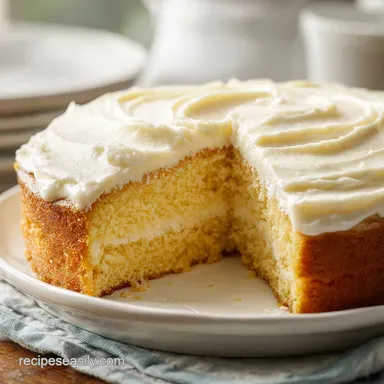
Lemon Velvet Cake: Moist and Velvety
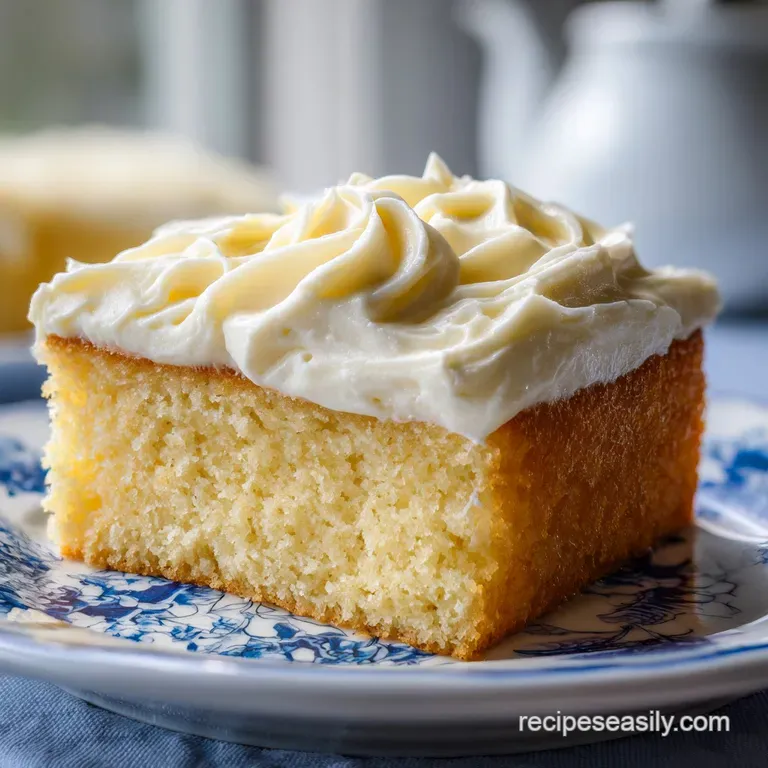
- Time: 15 min active + 35 min bake + 40 min cooling = Total 1 hours 50 mins
- Flavor/Texture Hook: Zesty, velvety crumb with a plush, airy frosting
- Perfect for: Spring brunches, birthday celebrations, or a bright weekend treat
- Lemon Velvet Cake Recipe with Homemade Cream Cheese Frosting
- The Secret Velvet Texture
- Ingredient Deep Dive
- The Budget-Friendly Shopping List
- Baking Step by Step
- Fixing Common Baking Glitches
- Size and Scaling
- Baking Beliefs Debunked
- Storage and Waste
- Serving and Presentation Ideas
- Recipe FAQs
- 📝 Recipe Card
The smell of fresh lemon zest hitting a bowl of sugar is honestly my favorite thing in the world. It is that sharp, bright aroma that immediately makes a kitchen feel like spring, even if it is freezing outside.
I remember making this for my sister's housewarming party a few years back, and I was terrified the cake would be too "heavy" for a morning get together. I spent the whole morning worrying if the frosting would be too sweet or if the layers would slide.
But as soon as I sliced into it, I saw that tight, velvety crumb that only happens when you get the fat ratio just right. My sister actually asked if I had bought it from a high end bakery because the texture was so consistent. This is the ultimate Lemon Velvet Cake Recipe with Homemade Cream Cheese Frosting.
It is not about being fancy, it is just about using a few smart tricks to make a cake that feels luxurious without costing a fortune.
You can expect a cake that is incredibly moist, thanks to the oil, but with a structural integrity that allows for a thick layer of cheese frosting. We are going for a balance here - the cake should be a subtle, buttery lemon, while the frosting provides that punchy, tangy contrast.
Trust me, once you try this version, you will stop using boxed mixes for your citrus cravings.
Lemon Velvet Cake Recipe with Homemade Cream Cheese Frosting
What makes this specific version work is the combination of buttermilk and oil. While butter cakes are great, they can sometimes feel a bit dry when kept in the fridge. By using vegetable oil, we ensure the cake stays moist even after a few days.
The buttermilk provides a slight tang and reacts with the baking soda to give us a lift that is soft rather than spongy.
I used to think that adding more lemon juice was the key to a stronger flavor, but that actually messes with the pH of the batter and can lead to a cake that sinks. The real secret is the zest. The oils in the lemon skin hold all the fragrance and intensity.
When we rub that zest into the sugar, we are essentially capturing those aromatic oils before they evaporate in the oven.
This recipe is built for the home cook who wants a "wow" result without needing a professional pastry kitchen. We are keeping the steps simple, but we are being precise with the mixing times. Over mixing is the enemy of a velvety cake, as it develops too much gluten and turns your treat into a loaf of bread.
We keep it short, sweet, and punchy.
The Secret Velvet Texture
Acid Activation: Buttermilk and lemon juice react with baking soda to create immediate carbon dioxide bubbles. This creates a light, airy lift without needing excessive flour.
Fat Distribution: Oil coats the flour proteins more effectively than melted butter. This prevents long gluten strands from forming, which is why the cake feels velvety rather than chewy.
Sugar Hydration: Granulated sugar binds with the lemon zest oils during the initial mix. This ensures the citrus flavor is evenly distributed throughout every single bite.
Protein Structure: The eggs provide the necessary structure to hold up the weight of the cream cheese frosting. Without them, the oil based cake would be too fragile to layer.
| Method | Bake Time | Texture | Best For |
|---|---|---|---|
| Standard Oven | 30-35 mins | Even, consistent rise | Layer cakes and parties |
| Stovetop Pot | 45-55 mins | Slightly denser bottom | When you have no oven |
| Air Fryer | 20-25 mins | Slightly crustier edges | Small batch / 6 inch cakes |
Ingredient Deep Dive
| Ingredient | Science Role | Pro Secret |
|---|---|---|
| Buttermilk | Tenderizer | Use full fat for a richer, more velvety mouthfeel |
| Vegetable Oil | Moisture Lock | Ensures the cake stays soft even when refrigerated |
| Lemon Zest | Flavor Core | Zest the lemon before juicing to make it easier |
| Cream Cheese | Stability | Use brick style, not spreadable, for a firmer frost |
The Budget Friendly Shopping List
I have always believed that you don't need the most expensive organic flour to get a great cake. Standard all purpose flour works brilliantly here. If you are looking to save a few cents, store brand vegetable oil is perfectly fine as it has a neutral taste that doesn't compete with the lemon.
- 2.5 cups (315g) all purpose flour Why this? Provides the standard structure for a soft crumb (Substitute: Cake flour for a finer texture, but it may be more fragile)
- 1.5 cups (300g) granulated sugar Why this? Essential for sweetness and moisture retention (Substitute: Caster sugar for a smoother blend)
- 1 tsp (5g) baking powder Why this? Provides a steady, reliable lift (Substitute: Double acting powder is best)
- 0.5 tsp (3g) baking soda Why this? Reacts with buttermilk for extra fluff (Substitute: None, essential for the reaction)
- 0.5 tsp (3g) salt Why this? Balances the sugar and lemon (Substitute: Fine sea salt)
- 3 large (150g) eggs Why this? Binds the batter and adds richness (Substitute: 3 flax eggs, though the cake will be denser)
- 0.75 cup (180ml) vegetable oil Why this? Keeps the cake moist for days (Substitute: Melted coconut oil for a slight coconut hint)
- 1 cup (240ml) buttermilk Why this? Adds tang and softens the flour (Substitute: 1 cup milk + 1 tbsp vinegar, let sit 5 mins)
- 2 tbsp (30ml) lemon juice Why this? Brightens the overall flavor profile (Substitute: Lime juice for a different citrus twist)
- 2 tbsp (12g) lemon zest Why this? Where the real lemon punch lives (Substitute: None, essential for flavor)
- 8 oz (225g) cream cheese Why this? Creates the tangy, thick frosting (Substitute: Mascarpone for a milder, richer taste)
- 0.5 cup (115g) unsalted butter Why this? Adds creaminess and structure to frosting (Substitute: Salted butter, but omit extra salt)
- 4 cups (480g) powdered sugar Why this? Sweetens and thickens the frosting (Substitute: Non fat dry milk powder mixed with sugar)
- 1 tbsp (15ml) lemon juice (for frosting) Why this? Cuts through the richness of the cheese (Substitute: Fresh lime juice)
- 1 tsp (5ml) vanilla extract Why this? Rounds out the citrus notes (Substitute: Almond extract for a nutty flavor)
- 1 tsp (4g) lemon zest (for frosting) Why this? Adds visual flecks and extra zing (Substitute: Orange zest)
Baking step by step
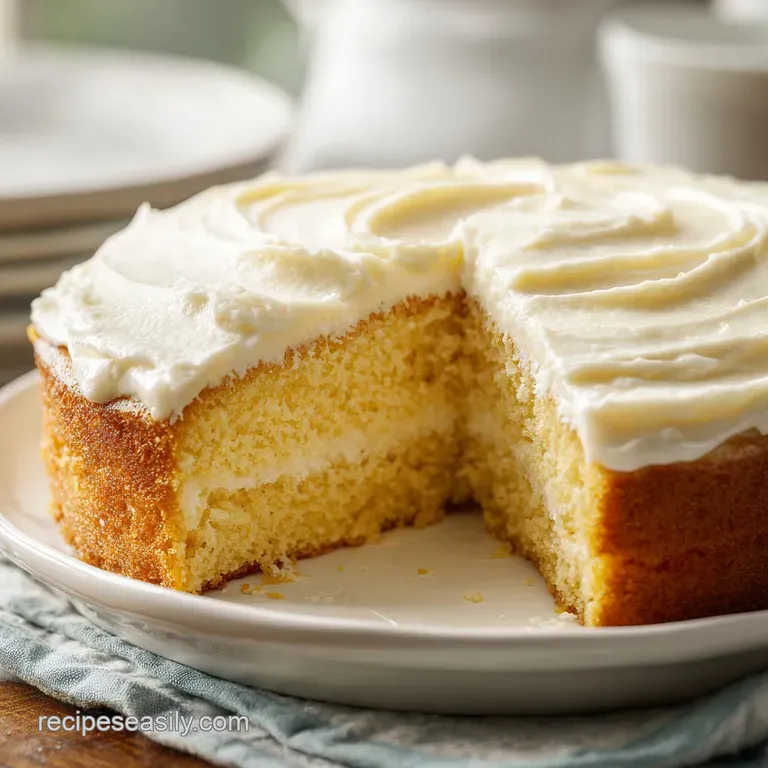
Right then, let's get into it. Make sure your eggs and buttermilk are at room temperature. This is one of those things people skip, but if they are cold, your batter can break or curdle, and you'll lose that velvety texture.
The Rapid Batter Mix
- Preheat your oven to 350°F (175°C) and grease two 8 inch round cake pans. I usually use a bit of butter and a dust of flour to make sure they slide right out.
- In a large bowl, whisk together the flour, sugar, baking powder, baking soda, and salt. Note: Whisking removes lumps and aerates the flour.
- Add the eggs, oil, buttermilk, lemon juice, and zest to the dry ingredients.
- Mix on medium speed for exactly 60 seconds until the batter is smooth and glossy. Note: Do not over mix beyond this point or the cake will be tough.
The Precision Bake
- Divide the batter evenly between the two pans. I use a kitchen scale if I have one, but eyeballing it works too.
- Bake for 30-35 minutes until a toothpick inserted in the center comes out with a few moist crumbs. Note: If the toothpick is completely clean, you may have overbaked it by a minute.
- Let the cakes cool in the pans for 10 minutes before flipping them onto a wire rack to cool completely.
The Velvet Frosting Whip
- Beat softened cream cheese and butter in a bowl until smooth. Note: Make sure they are truly soft to avoid lumps.
- Gradually add powdered sugar on low speed to avoid a sugar cloud in your kitchen.
- Stir in the lemon juice and vanilla.
- Whip on high for 2 minutes until the frosting looks airy and holds a stiff peak.
The Final Assembly
- Place one cooled cake layer on a plate. Spread a generous layer of frosting across the top.
- Top with the second layer and cover the top and sides with the remaining frosting. I like to leave some swirls for a more rustic, homemade look.
Chef's Tip: To get a perfectly flat top on your cakes, use a serrated knife to gently slice off the domed top of the cake once it's cool. You can eat these scraps or crumble them over ice cream!
Fixing Common Baking Glitches
Baking can be a bit finicky. If your cake didn't turn out exactly how you wanted, don't panic. Most of these issues are just a matter of temperature or timing. For instance, if you're looking for other dessert inspiration while your cake cools, my Cookie Dough Cheesecake Bars are a great companion for a dessert platter.
Why is my frosting runny?
This usually happens if the butter or cream cheese was too warm, or if you added the lemon juice too quickly. The fat in the frosting can break if it gets too hot. You can fix this by chilling the frosting in the fridge for 20 minutes and then whipping it again.
Why did my cake sink in the middle?
A sunken center is often caused by opening the oven door too early, which lets out the heat and causes the air bubbles to collapse. It can also happen if you used too much baking soda. According to the guidelines at King Arthur Baking, ensuring your leavening agents are fresh is key to a stable rise.
My cake feels too dense
Density comes from over mixing. When you beat the batter for too long, you develop gluten, which creates a bread like texture instead of a cake like one. Stick to that 60 second mixing rule!
| Problem | Root Cause | Solution |
|---|---|---|
| Frosting is lumpy | Butter too cold | Microwave for 5 seconds and re beat |
| Cake is dry | Overbaked | Reduce bake time by 2-3 minutes |
| Frosting slides | Cake was warm | Chill cakes in freezer for 15 mins first |
Common Mistakes Checklist:
- ✓ Did you use room temperature eggs?
- ✓ Did you stop mixing at 60 seconds?
- ✓ Did you grease the pans properly?
- ✓ Is the cream cheese the "brick" type and not the spreadable kind?
- ✓ Did you let the cakes cool completely before frosting?
Size and Scaling
If you are making this for a small family, you can easily halve the recipe. For a half batch, use one 8 inch pan and reduce the baking time by about 20%. Since you can't really use half an egg, beat one egg in a small bowl and then measure out half of it by weight or volume.
For larger parties, you can double the recipe, but be careful with the leavening. When doubling a cake, I only increase the salt and baking powder to 1.5x rather than 2x to prevent the cake from tasting metallic or rising too fast and then collapsing.
If you use larger 9 inch pans, the layers will be thinner, so check for doneness 5 minutes earlier than the recipe suggests. For a 3 layer cake, you will need to increase the frosting ingredients by 50% to ensure you have enough to cover the extra layer and the sides.
Baking Beliefs Debunked
Some people think you need to sift your flour three or four times to get a "velvet" cake. Honestly, while sifting helps, whisking the dry ingredients vigorously for a minute does the same thing by breaking up clumps and adding air. It saves time and gives the same result.
Another myth is that you should "cream" the butter and sugar for 5-10 minutes. That works for traditional butter cakes, but since this is an oil based Moist Lemon Velvet Cake, that step is unnecessary.
Over creaming in an oil cake can actually lead to too many air bubbles, which causes the cake to collapse in the center.
Finally,, many believe that you can't freeze cream cheese frosting. Actually, you can! Just make sure the cake is fully frosted and wrapped tightly in plastic wrap. It freezes beautifully and tastes fresh once thawed.
Storage and Waste
To keep your cake moist, store it in an airtight container. If you leave it on the counter, it will last about 2 days, but because of the cream cheese, I recommend keeping it in the fridge for up to 5 days.
When you're ready to eat, let a slice sit at room temperature for 20 minutes to let the butter in the frosting soften.
For freezing, you can freeze the unfrosted layers for up to 3 months. Wrap them individually in plastic wrap and then foil. To thaw, just leave them in the fridge overnight. If you've already frosted the cake, you can freeze a whole slice for a quick treat later.
To avoid waste, don't throw away the lemon peels after zesting. You can place them in a jar with white vinegar for two weeks to create a powerful natural cleaner. If you have leftover buttermilk, it's a fantastic marinade for chicken or a base for homemade pancakes. If you love the lemon profile in this cake, you might also enjoy my lemon butter garlic sauce for a zesty dinner option.
Serving and Presentation Ideas
This cake is already stunning with its bright white frosting, but a few simple additions can make it look professional. I love adding thin slices of fresh lemon and a few sprigs of mint on top for a pop of color.
If you have some fresh raspberries or blueberries, they provide a beautiful color contrast against the white cheese frosting.
For a more decadent experience, serve each slice with a dollop of whipped cream or a drizzle of lemon curd. If you're serving this at a brunch, pair it with a light Earl Grey tea or a mimosa. The tannins in the tea cut through the sweetness of the frosting perfectly.
If you want to change the vibe, try a "naked cake" style where you only put a thin layer of frosting on the sides, letting the golden cake layers peek through. It's a bit more modern and reduces the overall sweetness of the dessert.
Regardless of how you plate it, this cake is a guaranteed winner that brings a bit of sunshine to any table.
Recipe FAQs
Can I skip the buttermilk?
No, buttermilk is essential. The acidity reacts with the baking soda to ensure the cake rises and maintains a tender crumb.
How to store the cake to keep it moist?
Store it in an airtight container in the fridge. It stays fresh for up to 5 days, whereas it only lasts 2 days on the counter.
How to make the frosting light and airy?
Whip the mixture on high for 2 minutes. Ensure the cream cheese and butter are softened first to achieve a smooth, fluffy consistency.
Is it true I can frost the cake while it is still warm?
No, this is a common misconception. Heat will melt the butter and cream cheese, causing the frosting to slide off the layers.
How to prevent the batter from becoming tough?
Mix on medium speed for exactly 60 seconds. This combines the ingredients efficiently without overworking the flour.
How to determine when the cake is finished baking?
Insert a toothpick into the center. The cake is done when the toothpick comes out with a few moist crumbs after 30 35 minutes.
What can I serve with this lemon cake?
Pair it with a rich dessert sauce. If you enjoyed the velvety texture of this cake, see how the same consistency principle works in our brown butter caramel sauce.
Lemon Velvet Cake