Parmesan Mashed Potatoes: Silky and Buttery
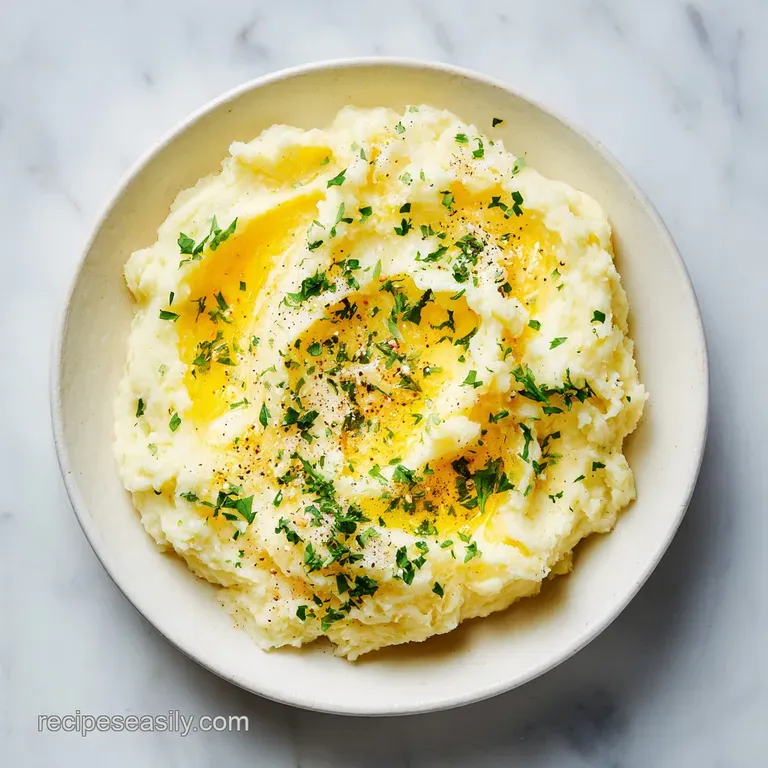
- Time: Active 10 minutes, Passive 20 minutes, Total 30 minutes
- Flavor/Texture Hook: Silky, buttery texture with a sharp, salty parmesan finish
- Perfect for: Holiday dinners or a cozy weeknight comfort meal
- Achieving the Perfect Texture for Your Parmesan Mashed Potatoes
- Important Numbers for Success Every Single Time
- Essential Elements for the Most Velvety Potato Base
- Minimal Tools for Maximum Creaminess and Ease
- Simple Steps for Assembling Your Cheese Infused Side
- Avoiding Common Mistakes for a Flawless Result
- Smart Substitutions and Flavor Variations to Try
- Keeping Leftovers Fresh and Reviving Their Texture
- Perfect Pairings for This Garlic and Cheese Side
- High in Sodium
- Recipe FAQs
- 📝 Recipe Card
Achieving the Perfect Texture for Your Parmesan Mashed Potatoes
Imagine the scent of garlic hitting warm butter, that sharp, savory aroma that instantly makes your mouth water. I remember the first time I realized that mashing potatoes wasn't just about smashing them until they disappeared; it was about the sizzle of the butter and the way the parmesan melts into the crevices.
There is something truly therapeutic about watching a block of butter vanish into a mountain of steaming, golden Yukon Golds.
We’ve all had those cafeteria style potatoes that are more like wallpaper paste than a side dish. Trust me, I’ve made that mistake myself by overworking the starch until it turned into a gluey mess.
But once you nail the balance of heavy cream and that salty, aged cheese, you’ll never go back to the boxed stuff. These are the kind of potatoes that make people ask for the recipe before they’ve even finished their first bite.
The Starch Gelatinization Secret
The Fat Barrier: Coating the potato starch molecules with butter before adding liquid prevents them from bonding too tightly. This specific sequence is what ensures your mash stays velvety rather than becoming a sticky, elastic paste.
Chef's Tip: Before you even think about adding the cream, put the drained potatoes back in the hot pot for 60 seconds. This lets the remaining steam escape so the potatoes can soak up the butter like a dry sponge.
Important Numbers for Success Every Single Time
Precision is the difference between a side dish and a showstopper. When we talk about getting the right consistency, it often comes down to the temperature of your ingredients and the ratio of fat to starch.
I’ve found that using room temperature dairy prevents the potatoes from seizing up, which is a total lifesaver when you're rushing to get dinner on the table.
| Method | Total Time | Texture Outcome | Best Use Case |
|---|---|---|---|
| Stovetop | 30 minutes | Ultra creamy and smooth | Standard dinner side |
| Oven (Roasted then mashed) | 60 minutes | Nutty with crispy bits | Rustic, textured mash |
| Slow Cooker | 4 hours | Soft and very moist | Hands off holiday prep |
If you are looking for a more traditional route without the cheese, you might want to try this Classic Mashed Potatoes recipe. It’s a great baseline for understanding the fundamentals of a good mash before you start experimenting with the heavier additions like parmesan and sour cream.
Essential Elements for the Most Velvety Potato Base
The magic of this dish lies in the interaction between the high starch potatoes and the aged cheese. When we look at the components, each one plays a specific role in the final mouthfeel.
We aren't just adding cheese for flavor; the proteins in the Parmesan actually help provide a bit of structure to the mash so it doesn't just slump on the plate.
Component Analysis
| Ingredient | Science Role | Pro Secret |
|---|---|---|
| Yukon Gold Potatoes | Low moisture starch | These hold their shape better than Russets and have a natural buttery color |
| Unsalted Butter | Emulsification fat | Cubing the butter first ensures it melts evenly without breaking the emulsion |
| Heavy Cream | Liquid hydration | Use full fat only; the milk solids are what create that luxurious coating |
| Parmesan Cheese | Protein & Umami | Freshly grated melts infinitely better than the pre shredded stuff in a tub |
A common mistake I once made was using pre grated cheese because I was in a hurry. Big error. That stuff is coated in potato starch to keep it from clumping in the bag, which means it won't melt smoothly into your potatoes. It’ll just stay grainy, and no amount of stirring will fix that.
Minimal Tools for Maximum Creaminess and Ease
You don't need a fancy kitchen full of gadgets to make this work. In fact, some of the best results come from the most basic tools. A sturdy pot and a simple masher are usually all it takes.
If you want a truly refined, restaurant style finish, a ricer is your best friend, but it's certainly not a requirement for a cozy home meal.
- Large Stockpot: 6 quart capacity is perfect for 3 lbs of potatoes to prevent overboiling.
- Potato Masher or Ricer: A ricer prevents overworking the starch, while a masher leaves a few rustic chunks.
- Small Saucepan: Essential for warming your cream and garlic together so you aren't adding cold liquid to hot starch.
- Wooden Spoon: Best for that final "folding" motion when you incorporate the cheese.
If you find yourself cooking for a massive crowd, something like this Cream Cheese Potatoes recipe is another fantastic option that scales beautifully for ten or more people. It uses a similar logic of high fat dairy to keep the potatoes moist even if they sit in a warming tray for a while.
Simple Steps for Assembling Your Cheese Infused Side
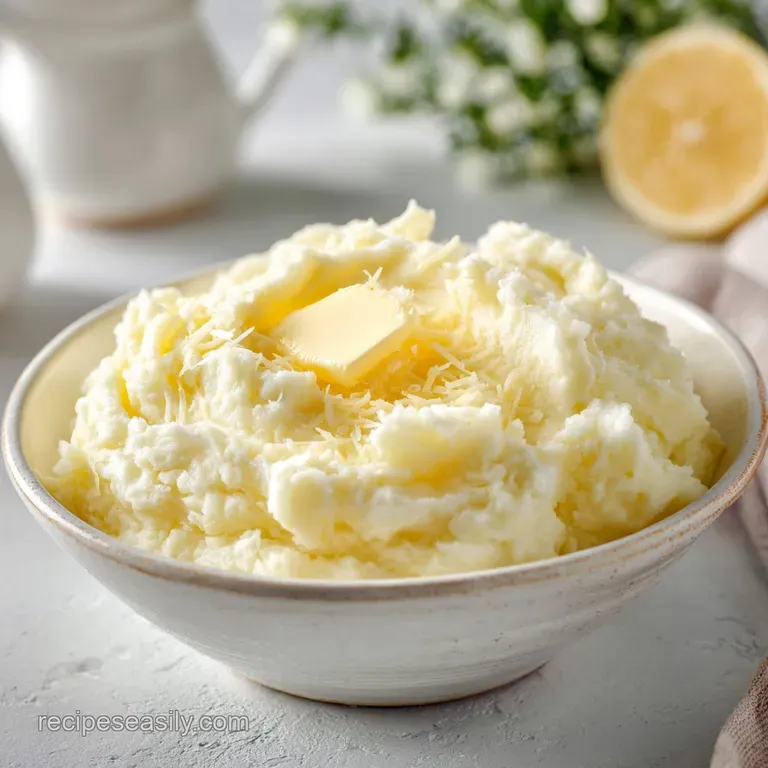
Preparing your potatoes starts with the "cold start" method. You never want to drop potatoes into already boiling water because the outside will turn to mush before the inside is even cooked. By starting them in cold, salted water, they heat up gradually and cook evenly all the way through.
- Prep the potatoes. Scrub 3 lbs of Yukon Gold potatoes and quarter them into uniform sizes. Note: Keeping them the same size ensures they all finish cooking at the exact same moment.
- Start the boil. Place potatoes in a pot, cover with cold water, and add 2 tbsp sea salt until the water is as salty as the sea.
- Simmer steadily. Boil for about 20 minutes until a fork slides in and out with zero resistance.
- Warm the dairy. While the potatoes cook, combine 3/4 cup heavy cream, 1/2 cup cubed butter, and 4 minced garlic cloves in a saucepan over low heat. Note: Infusing the garlic in warm butter removes the sharp "bite" and mellows the flavor.
- Drain and dry. Drain the potatoes and return them to the hot pot for 60 seconds until the surface of the potatoes looks matte and dry.
- Initial mash. Use your masher to break down the potatoes while they are still piping hot.
- Incorporate liquids. Pour in the warm cream mixture and 1/2 cup sour cream, folding gently with a spoon.
- Add the cheese. Fold in 1 cup freshly grated Parmesan and 1/2 tsp black pepper until the cheese is fully melted and velvety.
- Final seasoning. Taste and add more salt if needed, though the Parmesan usually provides plenty of saltiness.
Avoiding Common Mistakes for a Flawless Result
The biggest enemy of a good Parmesan Mashed Potatoes dish is the "glue factor." This happens when the starch is handled too aggressively, usually by using a food processor or a blender. Never, under any circumstances, put your potatoes in a blender.
You will end up with something more akin to Elmer’s glue than a delicious side dish.
Why Your Mash Turned Gluey
If your potatoes feel sticky or elastic, it’s because the starch cells have ruptured. This releases amylose, which creates that gummy texture. It usually happens from over mashing or using the wrong type of potato.
| Problem | Root Cause | Solution |
|---|---|---|
| Gummy Texture | Overworking the starch | Switch to a ricer and stop mixing the moment the cream is incorporated |
| Grainy Cheese | Pre shredded Parmesan | Always grate your cheese fresh from a block for a smooth melt |
| Thin/Runny Mash | Too much liquid added too fast | Add dairy in increments; you can always add more, but you can't take it out |
Common Mistakes Checklist
- ✓ Never start with boiling water; always start cold for even cooking.
- ✓ Don't skip the "drying" step after draining the potatoes.
- ✓ Always warm your cream and butter before adding them to the pot.
- ✓ Grate your Parmesan fresh; avoid the "green shaker" can at all costs.
- ✓ Stop mixing as soon as the ingredients are combined to prevent gumminess.
Smart Substitutions and Flavor Variations to Try
We all have those moments where we realize we're out of a key ingredient. Don't panic. Mashed potatoes are incredibly forgiving as long as you maintain the fat ratio. If you don't have heavy cream, you can use whole milk, though the result will be slightly less decadent.
| Original Ingredient | Substitute | Why It Works |
|---|---|---|
| Heavy Cream | Full fat Greek Yogurt | Adds a similar creaminess but with a much sharper tang |
| Yukon Gold | Russet Potatoes | Provides a fluffier, airier texture but lacks the buttery flavor |
| Sour Cream | Cultured Buttermilk | Offers a beautiful acidity. Note: Reduce the heavy cream slightly to compensate for the liquid |
Chef's Note: If you want a punchier flavor, try roasting the 4 cloves of garlic in the oven with a bit of olive oil before mashing them into the potatoes. It adds a sweetness that raw or simmered garlic just can't match.
Keeping Leftovers Fresh and Reviving Their Texture
Storing these potatoes is easy, but reheating them requires a little finesse. Because of the high cheese content, they can stiffen up significantly in the fridge. When you reheat them, you're essentially trying to wake up those fats and proteins without drying out the starch.
Storage: Keep your leftovers in an airtight container in the fridge for up to 4 days. I don't recommend freezing these; the sour cream and parmesan can sometimes separate and become grainy once thawed.
Reheating: The best way to revive them is on the stovetop over low heat. Add a splash of milk or a tiny knob of butter to help loosen them up. Stir constantly to make sure the cheese doesn't scorch on the bottom of the pan.
If you must use a microwave, do it in 30 second bursts, stirring in between to ensure even heating.
Zero Waste Tip: If you have about a cup of leftovers, they make the world's best potato pancakes. Just mix in an egg and a little flour, then fry them in a skillet until the edges shatter when you bite into them.
Perfect Pairings for This Garlic and Cheese Side
Because these potatoes are so rich and savory, they pair beautifully with proteins that have a bit of acidity or a deep sear. Think about a perfectly roasted chicken with lemon and herbs, or a seared steak that’s been basted in thyme butter.
The parmesan provides a salty backbone that cuts through the richness of red meat.
If you're looking for something with a bit more of a French flair to serve alongside a roast, you might enjoy the elegance of a Potatoes Dauphinoise with recipe. It offers a different way to experience the marriage of cream and potatoes through slicing rather than mashing.
Decision Shortcut
- If you want Maximum Fluff, use a ricer and Russet potatoes.
- If you want Maximum Creaminess, use Yukon Golds and double the butter.
- If you want Maximum Tang, swap half the heavy cream for extra sour cream.
Ultimately, the best part of making Parmesan Mashed Potatoes is that they are almost impossible to mess up if you keep the heat low and the ingredients fresh. They are the ultimate "hug in a bowl," and honestly, I usually end up eating a bowl of them standing up in the kitchen before they even make it to the dinner table.
Enjoy!
High in Sodium
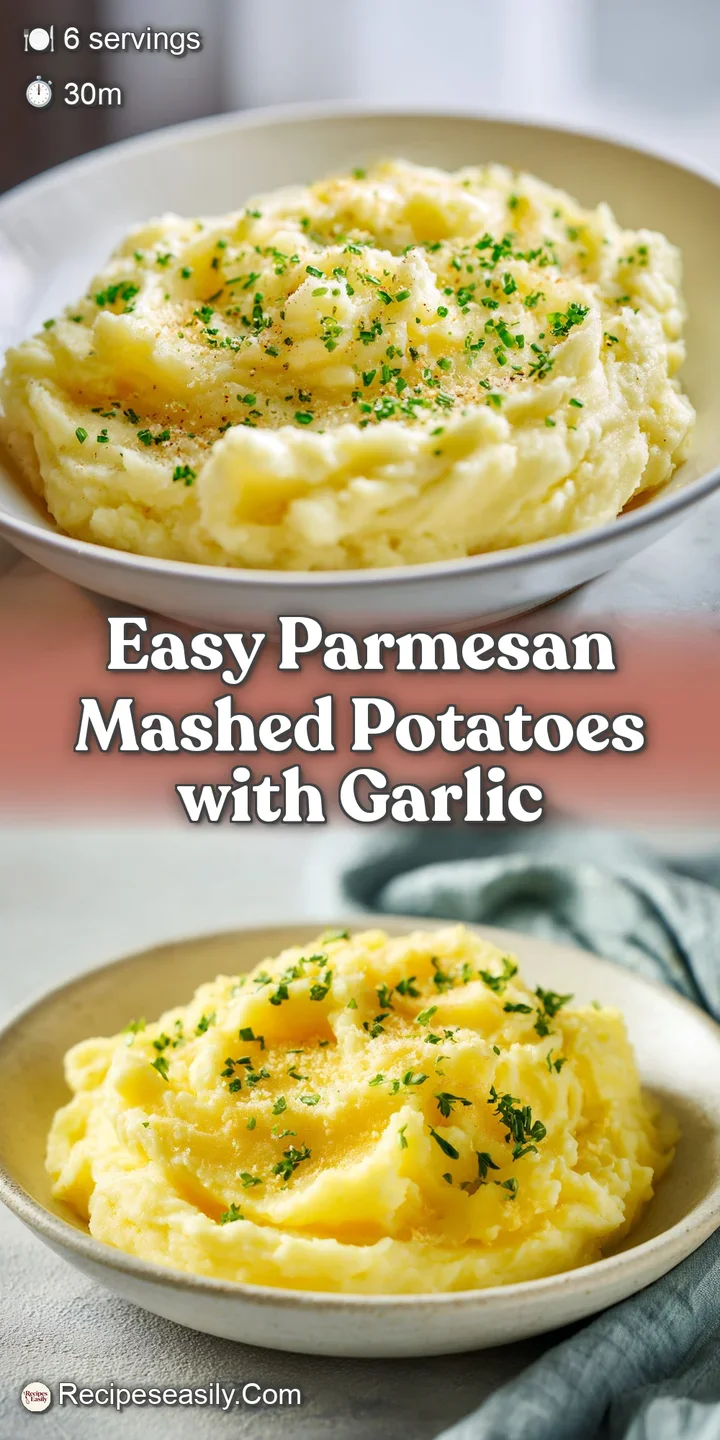
845 mg 845 mg of sodium per serving (37% 37% of daily value)
The American Heart Association recommends limiting sodium intake to about 2,300mg per day.
Tips to Reduce Sodium in Mashed Potatoes
-
Reduce Parmesan-15%
Parmesan cheese is a significant source of sodium. Reduce the amount of Parmesan by half, or substitute with a low-sodium cheese like mozzarella for a 15% sodium reduction.
-
Reduce Added Salt-25%
The recipe calls for 2 tbsp of sea salt. Try reducing this to 1 tbsp and taste before adding more. This will result in an approximately 25% reduction in sodium from added salt.
-
Unsalted Butter-5%
Ensure you are using truly unsalted butter. Even slight variations in butter type can introduce sodium. Confirm the label reads 'Unsalted' to avoid hidden sodium.
-
Low-Sodium Dairy-2%
Although heavy cream and sour cream are not very high in sodium, selecting brands that have a lower sodium content could contribute to a very minor reduction of 2%.
-
Boost Flavor Naturally
Enhance the flavor with herbs and spices! Instead of salt, try adding fresh herbs like chives, rosemary, or thyme to elevate the dish's taste without adding sodium.
-
Roasted Garlic-3%
Roasting the garlic instead of mincing adds a depth of flavor that will help you not miss the salt. Roasting caramelizes the garlic and brings out its sweetness.
Recipe FAQs
Is Parmesan cheese good in mashed potatoes?
Yes, absolutely. Parmesan adds a necessary salty, umami depth that elevates standard mashed potatoes beyond simple starch and dairy.
What is the 1 ingredient upgrade for the fluffiest mashed potatoes?
Dry the potatoes thoroughly after boiling. Return the drained potatoes to the hot pot for 60 seconds to steam off all residual moisture before adding fat.
What is the secret to really good mashed potatoes?
The secret is temperature control and technique. Warm your heavy cream and butter before adding them to hot potatoes to prevent the starch from seizing, ensuring a smooth texture. If you enjoyed mastering this texture control here, see how the same principle applies to preventing curdling in our Creamy Lemon Garlic recipe.
What is a common mistake when making mashed potatoes?
Over mixing or using a blender causes gumminess. Excessive agitation ruptures the starch cells, releasing amylose which turns the mash into a sticky, glue like consistency.
How to ensure the Parmesan cheese melts smoothly?
Grate the cheese yourself immediately before use. Pre-shredded cheese contains anti caking agents that prevent it from melting uniformly into the potatoes.
Can I substitute heavy cream with milk in this recipe?
Yes, but adjust expectations. Whole milk works, but the resulting mash will be lighter and less luxurious because it contains less fat than heavy cream.
What is the best main dish to serve with rich Parmesan Mashed Potatoes?
A lean protein or something with acidity balances the richness. This side pairs perfectly with a simple roast, similar to the seasoning methods used for the One Pan Roasted recipe.
Parmesan Mashed Potatoes Recipe
Ingredients:
Instructions:
Nutrition Facts:
| Calories | 512 kcal |
|---|---|
| Protein | 11.1 g |
| Fat | 34.2 g |
| Carbs | 41.9 g |
| Fiber | 5.1 g |
| Sugar | 3.2 g |
| Sodium | 845 mg |
