Sautéed Vegetables: Vibrant Garlic Butter
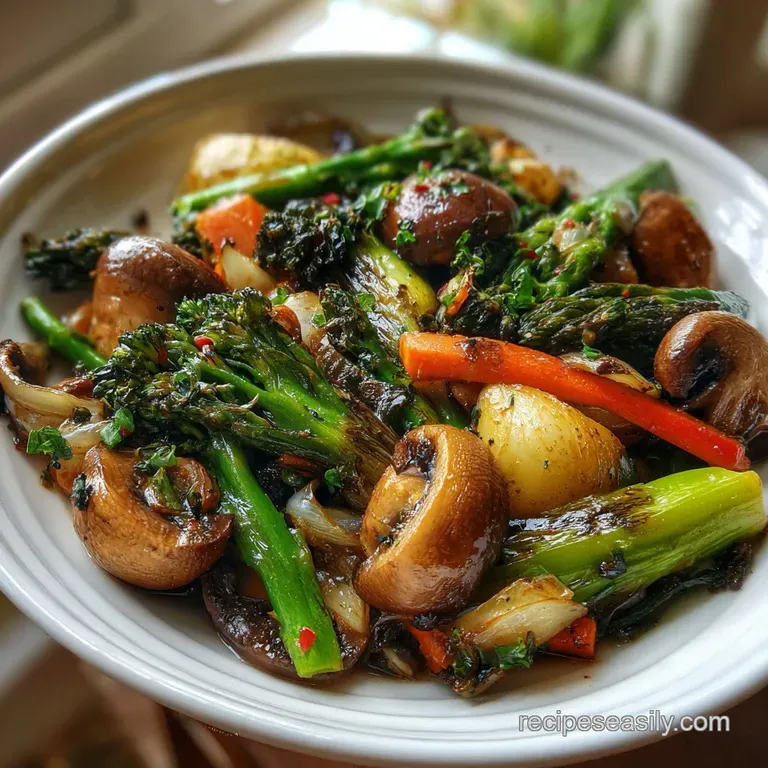
- Time: Active 12 minutes, Passive 0 mins, Total 20 minutes
- Flavor/Texture Hook: Vibrant, charred, and buttery garlic aromatics
- Perfect for: Busy weeknights, meal prep, or beginner cooks
- Master the Art of Colorful Sautéed Vegetables
- Quick Specs for Your Kitchen Timer
- Gathering the Elements for Your Medley
- Essential Tools for a Fast Sauté
- Step by Step Sizzle to Plate
- Solutions for Texture and Flavor Flaws
- Simple Swaps for Any Pantry
- Storing and Reusing Your Garden Harvest
- Pairings to Complete Your Family Dinner
- Recipe FAQs
- 📝 Recipe Card
Master the Art of Colorful Sautéed Vegetables
The high pitched hiss as a sliced carrot hits hot avocado oil is easily one of my favorite kitchen sounds. It is the sound of moisture evaporating and flavor intensifying, a signal that dinner is actually happening.
For a long time, I treated my skillet like a trash can I would just dump everything in at once, walk away, and wonder why I ended up with a pile of grey, sad looking zucchini soup.
That "dump and pray" method is exactly what we are avoiding here. You want the edges to catch a little bit of color while the centers stay bright and snappy. It took me a few burnt cloves of garlic and several soggy bell peppers to realize that the order of operations is everything.
If you follow this flow, you’ll get that velvety butter finish and a satisfying shatter crisp texture that makes vegetables actually exciting to eat.
The Physics of the Flash Sauté
Thermal Mass: Adding too many cold vegetables at once drops the pan temperature, causing them to steam in their own juices instead of searing. By staggering the entry and using a high smoke point oil, we maintain the heat necessary for the Maillard reaction to occur on the surface of each slice.
| Cooking Method | Total Time | Texture Outcome | Best Usage |
|---|---|---|---|
| Sauté (This Recipe) | 8 minutes | Crisp tender with char | Quick weeknight side dish |
| Roasting | 25 minutes | Caramelized and soft | Meal prep/hands off cooking |
| Steaming | 5 minutes | Soft and uniform | low-fat dietary needs |
Using a stovetop method allows for more control than a One Pan Roasted recipe, especially when you want that specific crunch. The heat is direct and aggressive, which is exactly what a healthy sautéed vegetable side needs to stand up to a main protein.
Quick Specs for Your Kitchen Timer
To get this right, you need to be precise with your knife work. If your carrots are thick and your zucchini is thin, one will be raw while the other is mush. Stick to these checkpoints:
- Knife Cut: 1/8 inch rounds for carrots; 1 inch strips for peppers.
- Pan Temp:400°F (oil should shimmer and ripple before the first vegetable touches).
- Visual Cue: Broccoli should turn a "neon green" before you add the next layer.
Component Deep Dive
| Ingredient | Science Role | Pro Secret |
|---|---|---|
| Avocado Oil | over High heat carrier | Handles 500°F without smoking or tasting bitter |
| Zucchini | Moisture release | Salt it only at the very end to prevent it from "sweating" too early |
| Red Onion | Sugars for browning | Cut into wedges rather than rings to keep them from burning too fast |
Gathering the Elements for Your Medley
Getting your mise en place ready is non negotiable here because once the oil is hot, things move fast. We are using a mix of textures that work beautifully together.
- 2 medium carrots (200g): Peeled and sliced thin. Why this? They provide the base sweetness and take the longest to soften.
- 1 large red bell pepper (150g): Deseeded and cut into 1 inch strips. Why this? Adds a punch of color and juicy acidity.
- 1 medium zucchini (225g): Halved and sliced into thick half moons. Why this? Its porous flesh soaks up the garlic butter finish.
- 1 cup broccoli florets (100g): Cut into small pieces. Why this? The "trees" catch the seasoning in their canopy.
- 1/2 medium red onion (75g): Sliced into thin wedges.
- 2 tablespoons avocado oil: For the over high heat sear.
- 1 tablespoon unsalted butter: Added at the end for flavor.
- 3 cloves garlic: Thinly sliced (not minced!) to prevent burning.
- 1/2 teaspoon kosher salt: (such as Diamond Crystal).
- 1/4 teaspoon freshly cracked black pepper: Coarse grind is best.
- 1/2 teaspoon dried oregano: Adds an earthy, Mediterranean note.
- 1 teaspoon fresh lemon juice: To cut through the fat.
| Original Ingredient | Substitute | Why It Works |
|---|---|---|
| Avocado Oil | Grapeseed Oil | High smoke point with a neutral flavor profile. |
| Zucchini | Yellow Squash | Identical texture. Note: Skin is slightly thinner, cook 1 min less. |
| Dried Oregano | Dried Thyme | Similar earthy tones, works great with root vegetables. |
Essential Tools for a Fast Sauté
You don't need a pantry full of gadgets, but a large skillet is your best friend here. I recommend a 12 inch stainless steel or cast iron pan. If the pan is too small, you'll crowd the vegetables, and they’ll steam rather than sauté. A wide surface area allows moisture to evaporate instantly.
A sharp chef's knife is also vital. You want clean cuts that expose even surface areas to the heat. Finally, a flat edged wooden spatula is perfect for scraping up those little brown bits (the fond) that form on the bottom of the pan that is where the concentrated flavor lives.
step-by-step Sizzle to Plate
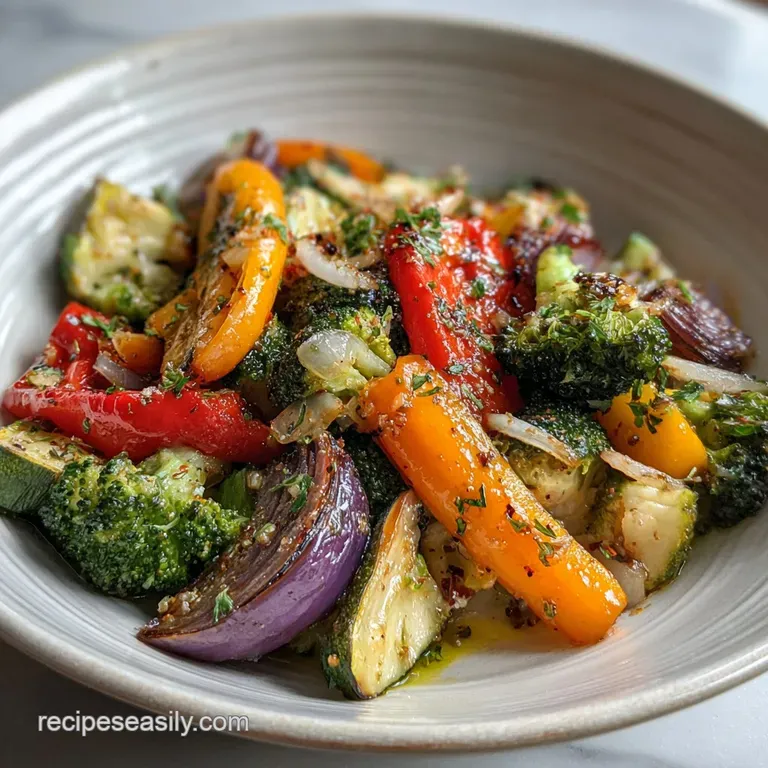
- Prep the vegetables. Slice everything according to the specs listed above. Note: Uniformity is the secret to even cooking.
- Heat the pan. Place your large skillet over medium high heat and add the 2 tablespoons of avocado oil. Cook 2 mins until the oil ripples and just begins to shimmer.
- Sear the carrots. Add the 200g of carrots first. Sauté 3 minutes until they begin to soften at the edges.
- Introduce the broccoli and onion. Toss in the 100g of broccoli and 75g of red onion wedges. Cook 2 minutes until the broccoli turns vibrant green.
- Add the peppers. Slide in the 150g of red bell pepper strips. Sauté 2 minutes until they become slightly charred but still firm.
- Toss in the zucchini. Add the 225g of zucchini half moons. Note: Zucchini cooks very fast, so it goes in last.
- Create the flavor base. Push the vegetables to the outer edges and drop the 1 tablespoon of butter and 3 cloves of sliced garlic into the center.
- Season the medley. Sprinkle the 1/2 teaspoon salt, 1/4 teaspoon pepper, and 1/2 teaspoon oregano over the top. Stir 1 minute until the garlic is fragrant and golden.
- Finish with brightness. Remove from heat and drizzle with 1 teaspoon of fresh lemon juice. Toss well to coat every piece in the garlic butter.
Solutions for Texture and Flavor Flaws
The biggest hurdle with Sautéed Vegetables is managing moisture. If your pan sounds like it’s boiling rather than crackling, your heat is too low or your pan is too full.
Why Your Vegetables Turn Mushy
This usually happens when you cover the pan with a lid. A lid traps steam, which breaks down the cell walls of the vegetables too quickly. Keep the pan open! Another culprit is adding salt at the very beginning; salt draws out water, so keep it for the final two minutes of cooking to maintain that "snap."
| Problem | Root Cause | Solution |
|---|---|---|
| Soggy texture | Crowded pan / Low heat | Sauté in two batches or use a larger 12 inch skillet. |
| Burnt garlic | Added too early | Only add garlic with the butter in the final 60 seconds. |
| Uneven cooking | Varied cut sizes | Ensure carrots are 1/8 inch and zucchini is thick half moons. |
Common Mistakes Checklist
- ✓ Never use a lid; steam is the enemy of a good sauté.
- ✓ Preheat the pan for a full 3 minutes before adding any oil or food.
- ✓ Pat your vegetables completely dry after washing to prevent oil splattering.
- ✓ Use a over high heat oil like avocado or grapeseed; olive oil will smoke and taste acrid.
- ✓ Don't over stir; let the vegetables sit for 30-40 seconds to develop a char.
Simple Swaps for Any Pantry
If you find yourself without zucchini or want a different vibe, this simple sautéed vegetable medley is incredibly forgiving. You can follow the same "hardest to softest" rule for almost any garden produce. This technique is actually very similar to what I use when making a side for my Baked Salmon with recipe, where the brightness of the lemon really shines.
If you want a different profile:
- For an Asian Twist: Swap the oregano for ginger and the lemon juice for a splash of soy sauce.
- For a Hearty Meal: Toss in a handful of pre cooked chickpeas or leftover shredded chicken.
- For Seasonal Changes: Use asparagus and peas in the spring, or butternut squash and kale in the fall (just adjust cook times accordingly).
Storing and Reusing Your Garden Harvest
Storage: These Sautéed Vegetables keep remarkably well in an airtight container in the fridge for up to 4 days. They will lose a bit of their crunch as they sit, but the flavors actually meld and deepen.
Freezing: I don't recommend freezing these after they are cooked. The zucchini and peppers have high water content and will turn into a mushy pulp when thawed.
Zero Waste: Don't throw away those broccoli stems or onion ends! Toss them into a freezer bag. Once the bag is full, boil them with some water and peppercorns to make a quick vegetable scrap broth.
Reheating the Right Way
Avoid the microwave if you can. It makes the vegetables rubbery. Instead, toss them back into a hot, dry skillet for 2 minutes. This evaporates any moisture that accumulated in the fridge and brings back some of that original sizzle.
Pairings to Complete Your Family Dinner
This easy sautéed vegetable side dish is the ultimate "utility player" in the kitchen. It rounds out a steak dinner perfectly, providing a fresh contrast to the heavy protein. I often serve this alongside a simple slow cooker recipe for those nights when I want a fresh, crunchy element to go with a soft, braised main.
Debunking Common Kitchen Ideas
One myth that needs to die is that you shouldn't use butter for a sauté. While butter has a low smoke point, adding it at the very end (the "monter au beurre" technique) gives you the flavor without the burnt milk solids.
Another misconception is that "sauté" and "stir fry" are the same thing. While similar, a sauté usually uses a flat pan and moderate fat, whereas a stir fry uses a wok, higher heat, and constant motion. This quick sautéed vegetables recipe is more about controlled browning than aggressive tossing.
Trust the process, keep the heat high, and don't be afraid of a little char!
Recipe FAQs
What is the best oil for sautéing vegetables?
Avocado oil is best. It has a high smoke point of 500°F, meaning it can handle the high heat needed for searing without burning or tasting bitter.
How do I prevent my sautéed vegetables from becoming mushy?
Don't cover the pan. Covering traps steam, which causes vegetables to break down. Also, add salt only in the last two minutes of cooking, as salt draws out moisture.
What is the correct pan temperature for sautéing?
The pan should be around 400°F (200°C). The oil should shimmer and ripple before you add the first vegetable to ensure a proper sear and prevent steaming.
Is it okay to sauté vegetables in batches?
Yes, it's often recommended. Sautéing in batches prevents overcrowding the pan, which lowers the temperature and leads to steaming instead of searing, resulting in a soggy texture.
Should I salt my vegetables before sautéing?
No, salt them at the very end. Salting vegetables at the beginning draws out their moisture, causing them to steam rather than get a good sear and a crisp tender texture.
How do I cut vegetables for sautéing?
Aim for uniform thickness. For example, slice carrots into 1/8 inch rounds and zucchini into thick half moons. This ensures all pieces cook evenly.
Can I use butter for sautéing vegetables?
Yes, but add it at the end. Butter has a low smoke point and can burn if used for the initial high heat sear. Adding it at the very end provides flavor without scorching.
Sauteed Vegetables
Ingredients:
Instructions:
Nutrition Facts:
| Calories | 147 kcal |
|---|---|
| Protein | 2.6 g |
| Fat | 10.4 g |
| Carbs | 13 g |
| Fiber | 3.8 g |
| Sugar | 5.5 g |
| Sodium | 288 mg |
