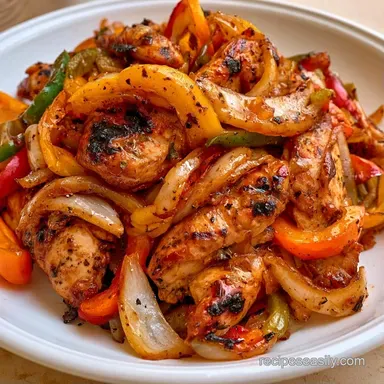
Sheet Pan Fajita Recipe with Chicken
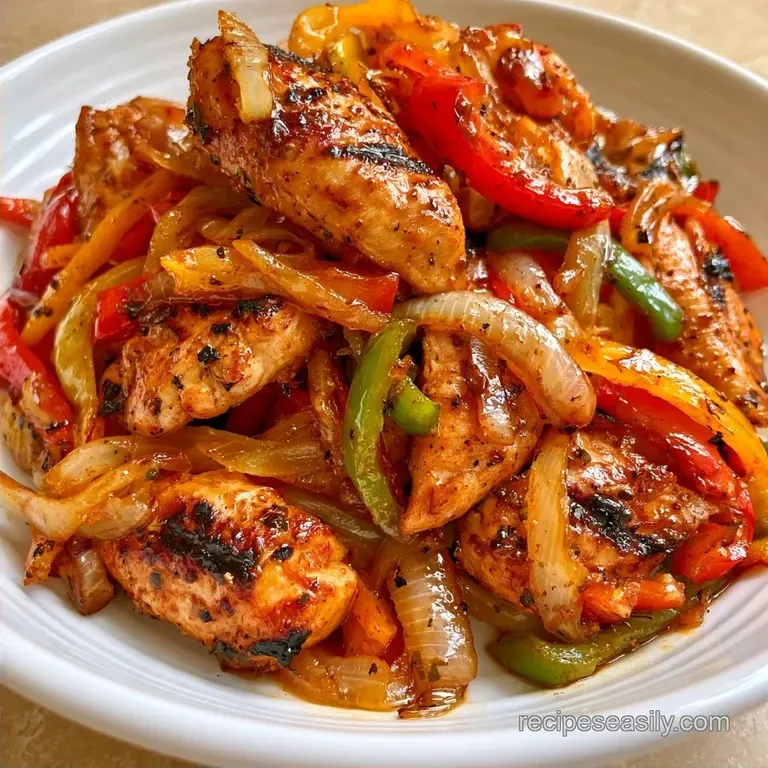
- Time: 20 min active + 15 min roasting
- Flavor/Texture Hook: Charred, smoky peppers with tender, spiced chicken
- Perfect for: Busy weeknights or low mess meal prep
Easy Sheet Pan Fajita Recipe
Ever wonder why restaurant fajitas have those scorched, blackened edges while home versions often turn into a soggy, steamed pile of peppers? It usually comes down to the pan. When we crowd a skillet, the vegetables release moisture that has nowhere to go, so they boil in their own juice instead of searing.
I used to spend twenty minutes standing over a stove, juggling three different pans just to get the chicken and onions right. It was a chaotic mess of smoke and splatter. Switching to a roasting method changed the whole vibe of dinner.
You get that same smoky, charred flavor but you can actually sit down and have a drink while the oven does the heavy lifting. This Sheet Pan Fajita Recipe gives you a reliable result every time, and the cleanup is basically non existent if you use parchment paper.
The Trick to High Heat
Surface Area: Spreading ingredients across a large tray lets steam escape. This allows the dry heat to roast the vegetables instead of steaming them.
High Temp: Roasting at 425°F (220°C) creates a fast sear. This browns the meat and chars the peppers before the insides lose their snap.
Oil Binding: The avocado oil acts as a carrier for the spices. It ensures every inch of the chicken is coated, which prevents dry spots during the roast.
| Method | Time | Texture | Best For |
|---|---|---|---|
| Sheet Pan | 35 mins | Charred & Tender | Weeknights |
| Stovetop | 50 mins | Seared & Soft | Small batches |
| Grill | 40 mins | Smoky & Crisp | Summer parties |
What Goes into the Pan
| Component | Purpose | Substitute Notes |
|---|---|---|
| Chicken Breasts | Lean protein base | Thighs: Juicier, but add 5 mins to cook time |
| Bell Peppers | Sweetness and color | Carrots: Heartier, needs thinner slicing |
| Avocado Oil | over High heat roasting | Grapeseed oil: Similar smoke point |
| Smoked Paprika | Earthy, smoky depth | Ancho powder: More raisin like flavor |
The Full List
- 1.5 lbs boneless skinless chicken breasts, sliced into thin strips Why this? Slices cook fast and evenly.
- 3 large bell peppers (mixed red, yellow, and green), sliced into strips Why this? Different colors add variety in flavor.
- 1 large white or red onion, sliced into wedges Why this? Wedges hold their shape better than rings.
- 3 tbsp avocado oil Why this? Won't smoke at 425°F.
- 1 tbsp chili powder
- 1 tsp ground cumin
- 1 tsp garlic powder
- 1 tsp onion powder
- 1 tsp smoked paprika
- ½ tsp salt
- ¼ tsp black pepper
- ¼ tsp cayenne pepper Why this? Adds a subtle back end heat.
Tools for the Job
A few basic tools will make this process much smoother. First, a large rimmed baking sheet is essential; using a smaller pan can overcrowd the food, resulting in steamed rather than roasted vegetables.
I always line my pan with parchment paper to prevent the chicken from sticking and to simplify the cleanup. I also suggest using a large mixing bowl to ensure the spices are tossed evenly across all ingredients.
How to Roast Everything
- Set your oven to 425°F (220°C) and line a large rimmed baking sheet with parchment paper.
- Cut the chicken breasts, bell peppers, and onion into strips roughly ¼ inch thick. Note: Consistent sizing ensures everything cooks at the same rate.
- Combine the avocado oil, chili powder, ground cumin, garlic powder, onion powder, smoked paprika, salt, black pepper, and cayenne pepper in a bowl, stirring until a smooth paste forms.
- Stir in the sliced chicken, bell peppers, and onions, tossing until every piece is thoroughly coated in the spice blend.
- Spread the mixture across the baking sheet in a single layer. Note: Leave room between pieces to avoid steaming.
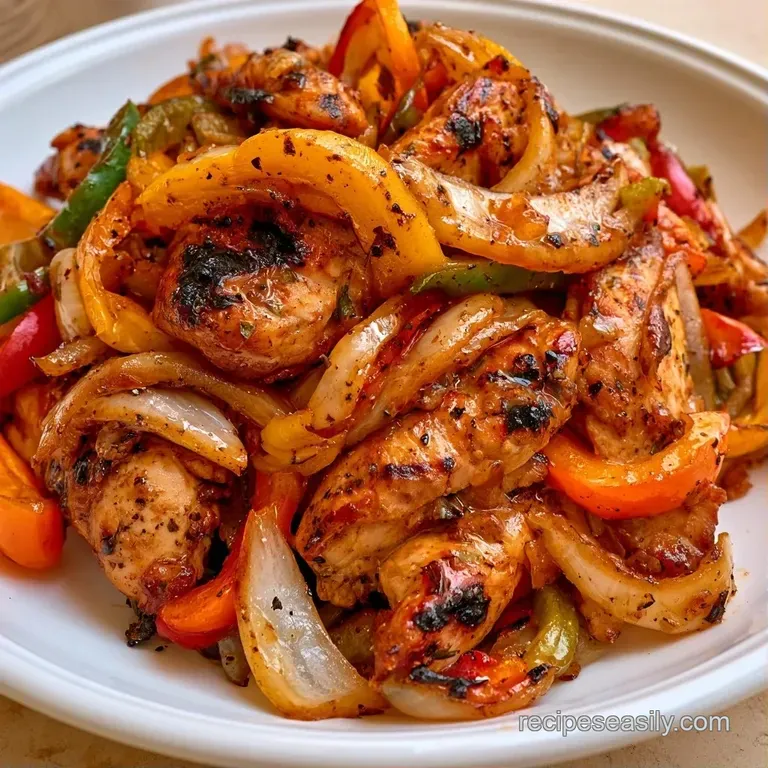
- Roast for 15-20 minutes until the chicken is fully cooked and the vegetables have mahogany colored charred edges.
- Take the pan out of the oven and let it rest for 5 minutes.
- Serve immediately with warm tortillas and your favorite toppings.
Fixing Common Pan Issues
Fixing Soggy Vegetables
If your peppers look limp and pale instead of charred, your pan is too crowded. When ingredients overlap, they trap steam. To fix this, use two separate baking sheets next time. This gives the hot air room to move around each strip of pepper.
Preventing Dry Chicken
Overcooking chicken breasts is easy because they lean out quickly. To avoid this, ensure your slices are an even thickness. If you use a meat thermometer, pull the tray out when the chicken hits 160°F, as carryover heat will bring it to the safe 165°F while it rests.
Balancing the Spice
If the dish tastes too "flat" after roasting, it usually needs an acid hit. Squeeze fresh lime juice over the pan the second it comes out of the oven. The acid cuts through the oil and wakes up the cumin and paprika.
Swapping the Main Protein
You can easily adapt this Sheet Pan Fajita Recipe for other proteins. For steak, use flank or skirt steak sliced against the grain. Roast these for about 10-12 minutes instead of 15, as steak is better at medium rare.
For shrimp, toss them in the same spice mix but add them to the pan for only the last 6-8 minutes of roasting. Otherwise, they'll shrink into rubbery pebbles. If you want a side dip that packs a punch, try serving these with a scoop of homemade hotdog chili for a hearty, fusion style meal.
Quick Adjustments
- Extra char? → Crank oven to 450°F for last 2 mins.
- Spicier kick? → Double the cayenne pepper.
- Tenderer meat? → Slice chicken thinner.
Saving the Leftovers
Keep leftover fajitas in an airtight glass jar in the refrigerator for 4 days. I’ve noticed the flavors often meld and improve after spending a night chilling.
To freeze, wait for the mixture to cool completely, then place it in a freezer friendly bag for 3 months. Allow it to defrost in the refrigerator overnight. For reheating, heat a skillet over medium for 5 minutes; this restores the sear that a microwave usually ruins.
To minimize waste, save your onion skins and bell pepper trimmings. Collect these veggie scraps in a freezer bag, then simmer them with water and a bay leaf to produce a light vegetable stock for soups.
Things to Serve Alongside
These are best served in charred corn or flour tortillas. I suggest topping them with fresh cilantro, pickled red onions, and a scoop of Greek yogurt or sour cream. For a refreshing contrast to the smoky roast, add some sliced avocado or a quick guacamole.
If you're looking for a heartier meal, serve these fajitas alongside black beans or cilantro lime rice. For a cozy touch, a side of broccoli casserole adds a rich, cheesy element that complements the zingy peppers.
Setting the Record Straight
Searing meat doesn't actually "lock in" the juices. Evaporation happens regardless of how you begin the cooking process. The char in this Sheet Pan Fajita Recipe is about enhancing flavor, not preserving liquid.
Many believe a cast iron skillet is mandatory for fajitas. While cast iron is excellent for the stove, the steady heat of a 425°F oven on a sheet pan ensures a more even roast when cooking larger quantities.
Adjusting the Batch Size
If you are only cooking for two, halve the ingredients and use a smaller baking sheet. Reduce the roasting time by roughly 20% and start checking the chicken at the 10-minute mark.
When doubling the recipe for a group, do not double the salt or cayenne. Instead, increase those spices to 1.5x the original amount. Use two separate pans; if you crowd double the ingredients onto one tray, the vegetables will steam rather than roast.
Recipe FAQs
What temperature do I cook sheet pan fajitas at?
Cook them at 425°F (220°C). This high heat is essential for charring the vegetables and searing the meat quickly.
How do you keep sheet pan fajitas from getting soggy?
Arrange the ingredients evenly across the baking sheet. Avoid crowding the pan, as this creates steam and prevents the edges from browning.
Which bell peppers work best for this recipe?
Use a mix of red, yellow, and green for color and flavor. For a different color contrast in a dessert, try our cheesecake bars.
Should I use parchment paper for sheet pan fajitas?
Use parchment paper to make cleanup easier and prevent sticking. It also helps the ingredients roast more evenly.
Does the chicken need to be seared in a pan first for flavor?
That's a myth. The 425°F oven temperature provides enough heat to brown the meat and char the peppers without any stovetop prep.
How to prevent the chicken from drying out?
Slice the chicken into uniform ¼ inch strips. This ensures everything cooks evenly and finishes at the same time.
Is it true that frozen peppers work just as well as fresh?
Not true. Frozen vegetables release too much moisture, which leads to steaming instead of roasting.
What's the secret to good fajitas?
To achieve rich mahogany colored charred edges, choose avocado oil or another variety that withstands high heat. This ensures the spices don't burn during the searing process.
Sheet Pan Fajita Recipe