Cajun Cream Scallops: Velvety Spice Infused
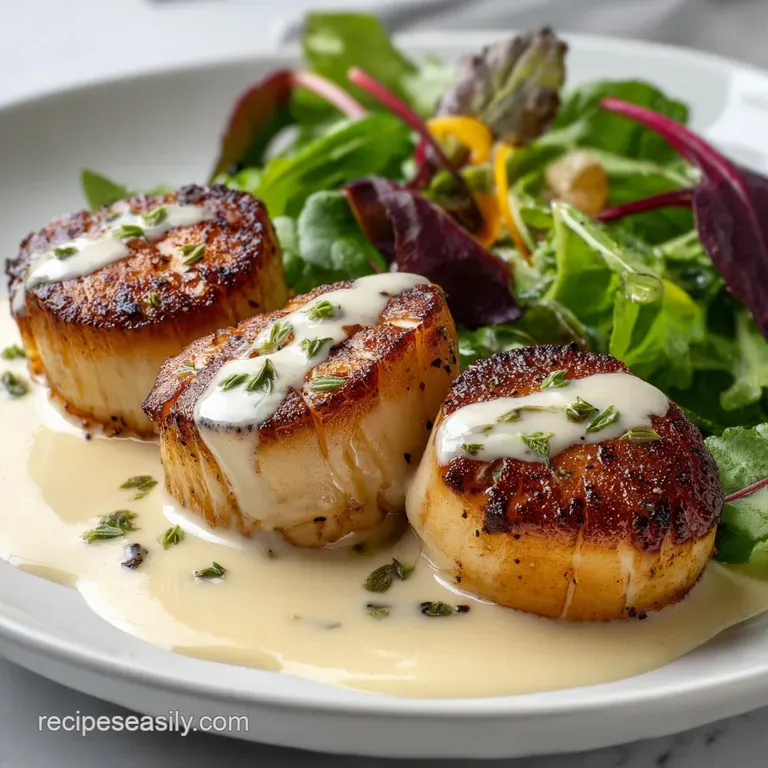
- Time: Active 10 mins, Passive 10 mins, Total 20 mins
- Flavor/Texture Hook: Buttery, spice flecked crust with a silky, cream based finish
- Perfect for: Date nights or impressive weeknight dinners
- Achieving the Best Cajun Cream Scallops
- Cooking Times and Yield Details
- Component Analysis Deep Dive
- Selecting Your Fresh Seafood Essentials
- The Best Tools for Searing
- Mastering the Step by Step Method
- Solving Common Searing and Sauce Issues
- Adjusting for Large Groups
- Exciting Variations and Flavor Swaps
- Safe Storage and Reheating Tips
- Perfect Pairings for Seafood Dinners
- Recipe FAQs
- 📝 Recipe Card
Achieving the Best Cajun Cream Scallops
Picture this: it's Friday night, you've had a long week, and the thought of a 12 step recipe makes you want to order pizza. But then you hear it - that aggressive, rhythmic sizzle the moment a cold scallop hits a shimmering avocado oil pool.
That sound is the promise of a crust so crisp it almost shatters, hiding a center that stays tender and sweet. I remember the first time I tried making these; I was so scared of overcooking them that I barely let them brown. Big mistake.
Now, I know that the magic is all in the heat and the patience of those two minutes.
This dish isn't just about the heat from the 1 tbsp Cajun seasoning; it's about how that spice gets mellowed out by 1 cup heavy cream, creating a sauce that wraps around the seafood like a warm hug. It's elegant enough for an anniversary but fast enough that you can actually enjoy the evening instead of scrubbing pans.
We're going to use every drop of flavor left in the skillet to build our sauce, ensuring nothing goes to waste.
By the time we're done, you'll have a plate of golden brown gems sitting in a puddle of orange hued, garlicky goodness. It's a recipe that has saved my reputation more than once when unexpected guests showed up. Trust me, once you master the timing, this will become your go to move for showing off.
The Physics of the Crust
Science: over High heat searing triggers the Maillard reaction, where proteins and sugars reorganize into complex flavor compounds. Using 1.5 tbsp avocado oil is critical because its high smoke point allows for the 400°F+ temperatures needed to brown the surface before the delicate interior overcooks.
Chef Tip: Place your scallops on a plate lined with paper towels and stick them in the fridge, uncovered, for 30 minutes before cooking. This "cold air drying" removes surface moisture better than patting alone, guaranteed to give you a harder sear.
Cooking Times and Yield Details
To get that restaurant style finish, you need to know exactly when to pull the pan off the heat. Scallops are notoriously fast moving, so having these benchmarks in mind prevents them from turning into rubber erasers.
| Scallop Size | Searing Time | Internal Temp | Visual Cue |
|---|---|---|---|
| Large (U-10/U-15) | 2 mins per side | 125°F-130°F | Opaque sides, deep gold crust |
| Medium (Sea) | 90 secs per side | 125°F | Translucency in center fades |
| Small (Bay) | 45 secs per side | 120°F | Milky white throughout |
Getting the timing right is the difference between a velvety bite and something you have to chew twice as long as necessary. If you're looking for a vegetable pairing that also benefits from high heat, my Crispy Cauliflower Bites recipe uses a similar logic to achieve its crunch.
Component Analysis Deep Dive
Understanding why we use specific fats and liquids helps you troubleshoot on the fly. Not every oil or cream behaves the same way when hit with the intense heat required for this seafood dish.
| Ingredient | Science Role | Pro Secret |
|---|---|---|
| Avocado Oil | High Smoke Point | Prevents the fat from burning and becoming bitter at high heat |
| Heavy Cream | Emulsification | The high fat content prevents the sauce from curdling when lemon juice is added |
| Unsalted Butter | Flavor/Browning | Added after the sear to provide milk solids for a nutty aroma without burning |
The 1 tsp Worcestershire sauce might seem like a small addition, but it's the "umami anchor" that keeps the cream sauce from tasting one dimensional. It provides a fermented depth that balances the brightness of the 1 tbsp fresh lemon juice.
Selecting Your Fresh Seafood Essentials
Gathering the right components is half the battle. For this dish, we are using 1 lb Large Sea Scallops. Look for "dry packed" scallops; these haven't been treated with sodium tripolyphosphate, which causes them to leak water in the pan and prevents a good sear.
- 1 lb Large Sea Scallops: The star of the show.
- 1.5 tbsp Avocado oil: Best for the initial sear.
- 1 tbsp Unsalted butter: For finishing the sauce.
- 1 cup Heavy cream: Provides the velvety body.
- 2 cloves Garlic, minced fine: Essential aromatic base.
- 1 tbsp Cajun seasoning: Salt free is best so you can control the seasoning.
- 1 tsp Worcestershire sauce: For savory depth.
- 0.5 tsp Smoked paprika: Adds a woody, red hue.
- 1 tbsp Fresh lemon juice: Cuts through the richness.
- 2 tbsp Fresh parsley, chopped: For a burst of green.
- 0.25 tsp Kosher salt: Adjust based on your Cajun blend.
- 0.25 tsp Black pepper: Freshly cracked is always superior.
If you find sea scallops are out of your budget this week, don't worry. You can achieve a similar flavor profile using other proteins, though the cooking times will change.
| Original Ingredient | Substitute | Why It Works |
|---|---|---|
| Sea Scallops | Jumbo Shrimp | Similar sweetness and firm texture. Note: Cook 2 mins per side until pink. |
| Heavy Cream | Full fat Coconut Milk | Provides similar viscosity. Note: Adds a slight tropical nutty flavor. |
| Avocado Oil | Grapeseed Oil | Both have high smoke points (above 400°F). |
The Best Tools for Searing
You don't need a kitchen full of gadgets, but two things are non negotiable for this recipe. First, a heavy bottomed skillet ideally cast iron or stainless steel. Non stick pans are great for eggs, but they often can't handle the high heat required to get that crust we're looking for.
Second, use a thin metal fish spatula. It's flexible enough to slide under the scallop without tearing that precious crust you've just built. If you use a thick plastic spatula, you risk "nudging" the scallop before it's ready to release, which leads to the meat sticking to the pan.
If you’re scaling this up for a crowd, much like when making a large Mexican Layered Casserole recipe, you might need to work in batches to ensure the pan temperature doesn't drop too much.
Mastering the step-by-step Method
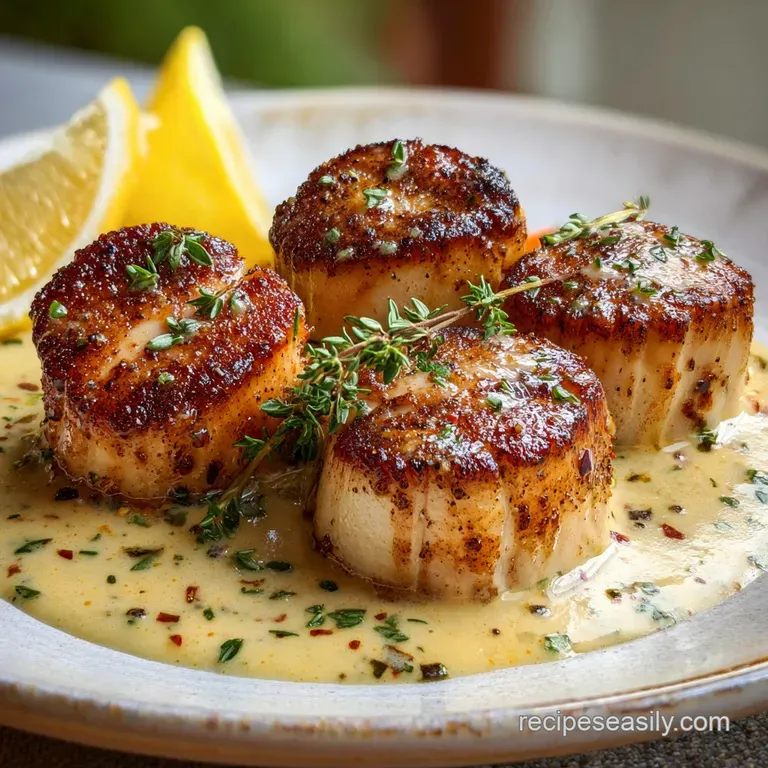
- Dry the seafood. Pat the 1 lb Large Sea Scallops with paper towels until they feel completely matte and dry. Note: Surface moisture creates steam, which prevents browning.
- Season simply. Sprinkle 0.25 tsp Kosher salt and 0.25 tsp black pepper on both sides of the scallops.
- Heat the pan. Add 1.5 tbsp avocado oil to the skillet and heat until the oil shimmers and barely wisps smoke.
- Sear the first side. Place scallops in the pan, leaving space between each. Cook 2 mins until a deep golden crust forms.
- Flip and finish. Turn the scallops over and cook another 1-2 mins. Note: They should feel slightly firm but still have some "give."
- Rest the scallops. Remove them to a plate and lower the heat to medium low.
- Sauté the aromatics. Add 1 tbsp unsalted butter and 2 cloves garlic. Cook 1 min until the garlic smells fragrant and golden.
- Build the sauce. Stir in 1 cup heavy cream, 1 tbsp Cajun seasoning, 1 tsp Worcestershire sauce, and 0.5 tsp smoked paprika.
- Thicken the cream. Simmer for 2-3 mins until the sauce coats the back of a spoon.
- Final marriage. Stir in 1 tbsp lemon juice and 2 tbsp parsley, then return the scallops to the pan just until they are warmed through.
Solving Common Searing and Sauce Issues
Even with the best intentions, things can go sideways. The most common heartbreak is a scallop that looks grey instead of gold. Usually, this happens because the pan wasn't hot enough or the scallops were too crowded.
Why Your Scallops are Rubbery
If your seafood feels like a bouncy ball, it’s likely spent too much time in the heat. Scallops continue to cook for a minute after you pull them out (carryover cooking). Always pull them when they are just a tiny bit under what you want.
Why Your Sauce Broke
If you see oil separating from the cream, your heat was likely too high when you added the liquid. Cream is an emulsion; high heat can cause the fat to split away. Whisk in a tiny splash of cold cream to try and bring it back together.
| Problem | Root Cause | Solution |
|---|---|---|
| No golden crust | Pan was too cold or meat was wet | Ensure oil is shimmering before adding; pat dry again |
| Sauce is too thin | Not enough reduction time | Simmer for another 2 mins or add a knob of cold butter |
| Gritty texture | Cajun spices didn't bloom | Sauté the spices in the butter for 30 seconds before adding cream |
Common Mistakes Checklist - ✓ Don't move the scallops for at least 90 seconds after they hit the pan. - ✓ Avoid using "wet" scallops (soaked in phosphates) if possible. - ✓ Don't add the lemon juice until the very end to prevent curdling.
- ✓ Use a large enough pan so the scallops aren't touching each other.
Adjusting for Large Groups
If you are doubling this recipe, do not double the oil immediately. Use just enough to coat the pan and work in batches of 6-8 scallops at a time. If you crowd the pan, the temperature will plummet, and you'll end up poaching the seafood in its own juices instead of searing it.
For the sauce, you can double the 1 cup heavy cream and 1 tbsp Cajun seasoning, but be careful with the salt. Spices often intensify when scaled up, so start with 1.5x the salt and adjust at the very end. If you're hosting a party and need a sweet follow up that's easy to make in bulk, these 3 Ingredient Peanut recipe treats are a life saver for the host.
Exciting Variations and Flavor Swaps
This base recipe is incredibly flexible. If you want to turn this into a "Spicy Cajun Scallops Pasta," simply toss 250g of cooked linguine into the sauce before adding the scallops back in. The starch from the pasta will help the cream cling to every strand.
For a lighter version, you can swap half of the heavy cream for seafood stock. It won't be as velvety, but it will be punchier and lower in calories. If you're going dairy-free, use a high-quality cashew cream or full fat coconut milk; the Cajun spices actually pair beautifully with the slight sweetness of coconut.
Comparison: Fresh vs. Frozen Scallops
Is it worth the splurge for fresh? Let's look at the trade offs.
| Factor | Fresh (Dry Packed) | Frozen (Thawed) |
|---|---|---|
| Searing Potential | High - crisp and dark | Moderate - needs extra drying |
| Flavor | Sweet and briny | Mild |
| Preparation | Ready to go | Requires 12 hour fridge thaw |
Safe Storage and Reheating Tips
Scallops are best enjoyed immediately, but if you have leftovers, they will keep in the fridge for up to 2 days in an airtight container. The sauce actually gets better as the Cajun spices meld, but the scallops will inevitably toughen slightly when reheated.
To reheat, do not use the microwave! It will turn the scallops into rubber. Instead, place the sauce in a small pan over low heat. Once it’s simmering, add the scallops and just "bathe" them in the warm sauce for 60 seconds. This gently brings them up to temperature without overcooking the delicate proteins.
For zero waste, if you have leftover sauce but no scallops, use it as a base for a spicy seafood chowder the next day. Toss in some chopped potatoes and a bit of white fish, and you've got a whole new meal.
Perfect Pairings for Seafood Dinners
Because the sauce is so rich, I love serving this over something that can soak up every drop of that Cajun cream. A bed of garlic mashed potatoes or a simple pile of jasmine rice is traditional. If you want something lower in carbs, cauliflower rice works surprisingly well here.
- Starch Pairings: Crusty sourdough bread is mandatory for "mopping" the plate.
- Vegetable Pairings: Sautéed spinach with a hint of lemon or roasted asparagus provides a necessary bitter contrast to the heavy cream.
If you're planning a full menu, start with something light like a garden salad. After a rich meal like this, a simple dessert is usually best. My Simple No Bake recipe for cheesecake is a fantastic way to end the night without ever turning the oven on.
Myths About Cooking Scallops
One big misconception is that you need a lot of oil for a good sear. In reality, too much oil can lead to "shallow frying" which doesn't give you that specific Maillard crust. You only need enough to coat the bottom of the pan. Another myth is that you shouldn't salt them until after they're cooked.
Salt actually helps draw out some surface moisture, which, if patted dry again, helps the crust form faster.
Recipe FAQs
Can I use frozen scallops for Cajun Cream Scallops?
Yes, but with preparation. Ensure they are completely thawed and patted extremely dry to achieve a good sear, as excess moisture will steam rather than brown them. If you enjoyed mastering the proper drying technique here, see how the same principle of surface moisture control applies to achieving a great crust on your Crispy Cauliflower Bites recipe.
Why are my scallops rubbery?
You likely overcooked them. Scallops cook very quickly; they continue to cook for a minute after being removed from the heat. Pull them when they are slightly under the desired doneness to account for carryover cooking.
My sauce broke, what happened?
The heat was too high when the liquid was added. High heat can cause the fat in the cream to separate. Try whisking in a tiny splash of cold cream to help re-emulsify the sauce.
How do I get a good sear on my scallops?
Ensure the pan is very hot and the scallops are dry. Use a high smoke point oil like avocado oil, heat it until shimmering, and don't crowd the pan, which lowers the temperature.
Can I substitute the heavy cream?
Yes, but it changes the texture. For a lighter sauce, you can use half heavy cream and half seafood stock. For a dairy-free option, full fat coconut milk works well, though it will impart a slight tropical flavor.
What should I serve with Cajun Cream Scallops?
Something to soak up the sauce. Traditional pairings include mashed potatoes, jasmine rice, or crusty bread. Roasted asparagus or sautéed spinach also offer a nice, lighter counterpoint.
How should I reheat leftover scallops?
Gently in a pan, not the microwave. Place the sauce in a pan over low heat, and once simmering, add the scallops just to warm them through without overcooking.
Cajun Cream Scallops
Ingredients:
Instructions:
Nutrition Facts:
| Calories | 385 kcal |
|---|---|
| Protein | 21 g |
| Fat | 31 g |
| Carbs | 6 g |
| Fiber | 1 g |
| Sugar | 2 g |
| Sodium | 480 mg |
