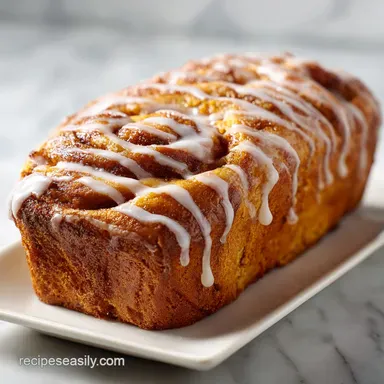
Cinnamon Roll Bread: Failure-Proof and Pillowy
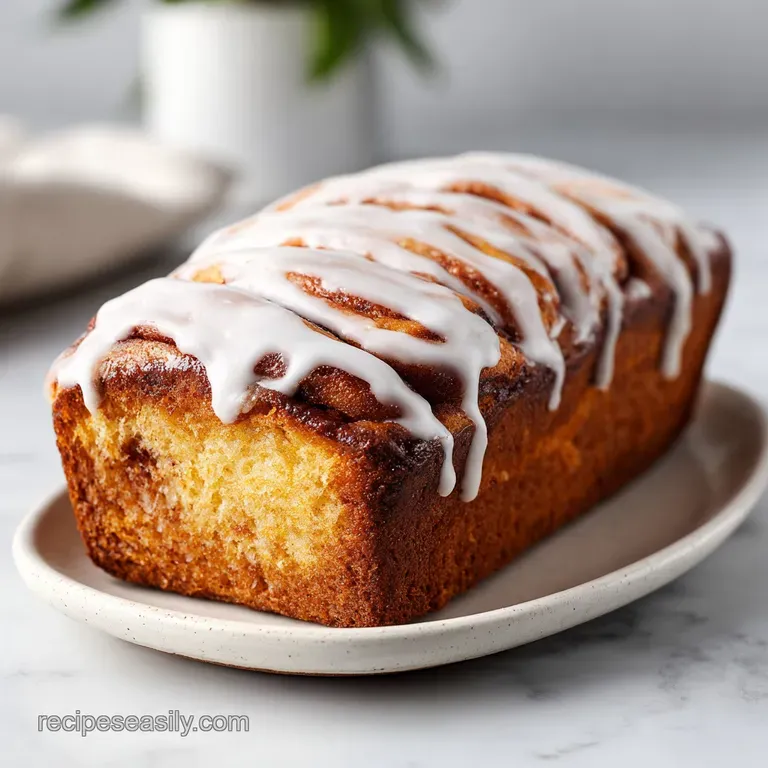
- Time:20 mins active + 2 hours 40 mins rising/baking = Total 3 hours
- Flavor/Texture Hook: Syrupy, fragrant swirls with a velvety glaze
- Perfect for: Lazy Sunday brunches or a welcoming house guest treat
- My Favorite Cinnamon Roll Bread Recipe
- Why This Loaf Works
- Choosing Your Method
- Component Analysis
- The Shopping List
- Step-By-Step Guide
- Fixing Common Glitches
- Troubleshooting Common Issues
- Customizing Your Loaf
- Bread Baking Truths
- Freshness and Storage
- Perfect Flavor Pairings
- Recipe FAQs
- 📝 Recipe Card
My Favorite Cinnamon Roll Bread Recipe
The smell of cinnamon hitting a hot oven is, for me, the ultimate "everything is going to be okay" scent. I remember the first time I tried making a swirl loaf years ago. I used all purpose flour because I didn't want to run to the store, and I ended up with something that felt more like a dense cake than a bread.
It was fine, but it lacked that characteristic "pull" you get when you tear into a fresh cinnamon roll. I wanted that airy, stretchy texture that makes you feel like you're eating a cloud of sugar.
That's where the bread flour comes in. Once I switched, the difference was immediate. The loaf actually held its shape, and the cinnamon swirls stayed distinct rather than bleeding into one giant brown mass. This cinnamon roll bread recipe is the result of me learning to trust the rise and not rushing the dough.
It's a patient process, but the result is a slice of toast that tastes like a bakery treat.
You can expect a loaf that is incredibly soft, with a deep mahogany crust and a center that's almost gooey from the melted butter and brown sugar. It's a bit indulgent, sure, but that's the whole point. We're not making health food here, we're making a memory on a plate.
Trust me, once you smell this baking in your kitchen, your neighbors will probably start knocking on your door.
Why This Loaf Works
I spent a lot of time wondering why some swirl breads turn out gummy while others are fluffy. It usually comes down to how the yeast interacts with the fat and sugar.
- Gluten Strength: Bread flour has more protein than all purpose, which creates a stronger web to trap the air bubbles during the rise. This is why it doesn't collapse under the heavy cinnamon filling.
- Fat Buffering: The softened butter in the dough coats the flour particles, which slows down the gluten development just enough to keep the crumb tender and velvety instead of chewy like a baguette.
- Sugar Hydration: Brown sugar contains molasses, which attracts moisture. By using a specific ratio, we ensure the filling stays syrupy without making the surrounding bread soggy.
- Thermal Momentum: Baking at a steady temperature allows the center to reach that 190°F mark without burning the outer edges, ensuring the yeast finishes its work before the structure sets.
According to Serious Eats, the type of flour used significantly impacts the final height and texture of enriched breads, which is exactly what we see here.
Choosing Your Method
Depending on how much effort you want to put in, you can approach this in a few ways. Some people love the tactile feel of kneading, while others just want to press a button and walk away.
| Method | Time Investment | Texture | Best For |
|---|---|---|---|
| Standard Oven | Medium | Airy and fluffy | Traditionalists |
| Bread Machine | Low | Denser, uniform | Busy mornings |
| Hand Kneaded | High | Best structure | Stress relief |
If you're looking for something even simpler for a weeknight, you might enjoy my Easy Homemade Dinner Rolls, which use a similar dough base but take much less time to shape.
Component Analysis
Understanding what each ingredient does helps you avoid those "why did this happen?" moments in the kitchen.
| Ingredient | Science Role | Pro Secret |
|---|---|---|
| Bread Flour | Provides structural protein | Sift it to avoid lumps in the dough |
| Active Dry Yeast | Creates carbon dioxide for lift | Warm milk must be 105-115°F |
| Unsalted Butter | Tenderizes the crumb | Keep it softened, not melted |
| Brown Sugar | Adds moisture and depth | Pack it tight for accurate measure |
The Shopping List
I've found that using high-quality butter makes a massive difference here. Don't bother with the imitation stuff, as it doesn't melt into the dough with the same richness.
For the Dough
- 3 cups (375g) bread flourWhy this? High protein for a better lift
- 1/4 cup (50g) granulated sugarWhy this? Feeds the yeast and browns the crust
- 2 1/4 tsp (7g) active dry yeastWhy this? Reliable, classic rise
- 1 cup (240ml) warm milkWhy this? Adds fat and softness
- 1/4 cup (55g) unsalted butter, softenedWhy this? Creates a velvety crumb
- 1 tsp (6g) saltWhy this? Controls yeast and adds flavor
- 1 large eggWhy this? Provides structure and golden color
For the Cinnamon Swirl
- 1/2 cup (115g) unsalted butter, softenedWhy this? Acts as the "glue" for cinnamon
- 3/4 cup (150g) brown sugar, packedWhy this? Creates a syrupy texture
- 2 tbsp (15g) ground cinnamonWhy this? The primary aromatic punch
For the Velvety Glaze
- 1 cup (120g) powdered sugarWhy this? Dissolves quickly for a smooth finish
- 2 tbsp (30ml) heavy creamWhy this? Adds richness to the icing
- 1/2 tsp (2.5ml) vanilla extractWhy this? Balances the sweetness
Quick Ingredient Swaps
| Original Ingredient | Substitute | Why It Works |
|---|---|---|
| Bread Flour | All Purpose Flour | Lighter protein. Note: Loaf will be shorter and less "bready" |
| Warm Milk | Almond Milk (Unsweetened) | Similar liquid ratio. Note: Slightly less richness and browning |
| Brown Sugar | Coconut Sugar | Similar moisture. Note: More caramel like, less molasses flavor |
| Heavy Cream | Whole Milk | Lower fat. Note: Glaze will be thinner and less opaque |
Step-by-step Guide
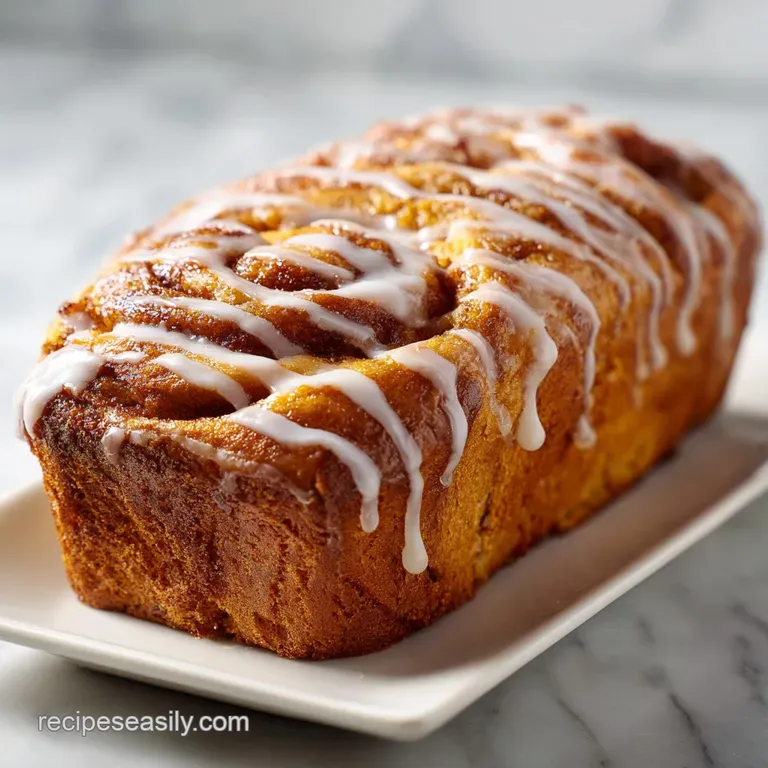
Right then, let's get into the actual making of this cinnamon roll bread recipe. I recommend clearing your counter and getting your ingredients measured out first so you aren't scrambling while the yeast is active.
Activating the Yeast
Combine warm milk and a pinch of sugar in a mixer bowl. Sprinkle active dry yeast on top and let sit for 5-10 minutes until it becomes foamy and smells like fresh brew. Note: If it doesn't foam, your yeast is dead or the milk was too hot. Start over!
Mixing the Dough
Add the remaining sugar, softened butter, egg, and salt to the bowl. Gradually incorporate the bread flour. Use a stand mixer such as KitchenAid on medium low speed, kneading for 5-7 minutes until the dough is smooth, elastic, and pulls away from the sides.
The First Rise
Place the dough in a greased bowl and cover it with a damp cloth. Allow the dough to rise for 2 hours until it has doubled in size and feels airy to the touch. Note: A warm spot like the top of the fridge is perfect.
Rolling the Base
Gently punch down the risen dough to release air. On a floured surface, roll it into a rectangle approximately 12x8 inches. Be careful not to tear the dough; you want a smooth surface for the filling.
Adding the Swirl
Spread the softened butter evenly across the dough, reaching nearly to the edges. Sprinkle the cinnamon sugar mixture over the butter, pressing it lightly with your hand to ensure it sticks.
Shaping the Loaf
Roll the dough tightly into a log, starting from the long edge. Pinch the seam shut firmly. Place the log seam side down in a prepared 9x5 inch loaf pan.
Baking the Bread
Bake in a preheated oven until the top is deep mahogany brown and the internal temperature reaches 190°F (88°C). This usually takes about 40 minutes.
The Final Glaze
Whisk powdered sugar, heavy cream, and vanilla extract together until smooth. Drizzle the glaze generously over the loaf while it is slightly warm. Note: If the bread is too hot, the glaze will melt and disappear; if it's too cold, it won't seep into the cracks.
Chef's Tip: To get that bakery style "pull," don't over flour your work surface. Too much flour inhibits the dough from stretching, which can lead to a tougher crumb.
Fixing Common Glitches
Bread can be temperamental, but most "failures" are actually just easy fixes. If your loaf didn't quite hit the mark, it's usually a temperature or timing issue.
Troubleshooting Common Issues
| Issue | Solution |
|---|---|
| Why Your Bread Didn't Rise | This is usually due to "yeast shock." If the milk was above 130°F, it likely killed the yeast. Alternatively, if your kitchen is freezing, the yeast just goes to sleep. |
| Why Your Center is Gummy | A gummy center happens when the bread is pulled out too early. Because of the sugar and butter in the filling, the middle takes longer to set than a standard white loaf. Always use a thermometer to hi |
| Why Your Filling Leaked | If you didn't pinch the seam shut or rolled the dough too loosely, the sugar will liquefy and run out the bottom of the pan. Ensure the log is tight and the seam is sealed. |
Common Mistakes Checklist
- ✓ Did you check that the yeast foamed before adding flour?
- ✓ Is your butter softened but NOT melted into a liquid?
- ✓ Did you wait the full 2 hours for the first rise?
- ✓ Did you check the internal temperature with a probe?
- ✓ Did you avoid adding too much extra flour during kneading?
Customizing Your Loaf
Once you've nailed the basic cinnamon roll bread recipe, you can start playing with the flavors. This dough is incredibly versatile.
Adding a Nutty Crunch
I love adding 1/2 cup of chopped pecans or walnuts to the cinnamon sugar layer. It adds a shatter like texture that contrasts beautifully with the soft bread.
Infusing Citrus Zest
For a brighter flavor, grate some orange zest into the sugar mixture. The citrus cuts through the richness of the butter and makes it taste more like a gourmet pastry.
Making it a Bread Machine Recipe
If you have a machine, just add the ingredients in the order your manual suggests. Use the "Basic" or "Sweet Bread" setting. You'll still need to take the dough out after the first rise to roll and swirl it by hand, then put it back in the oven.
If you're in the mood for something more savory, you can use a similar kneading technique for my Sourdough Discard Sandwich Bread, which is a great way to use up leftover starter.
Bread Baking Truths
There are a lot of old wives' tales in the baking world that just aren't true. Let's clear some of those up.
"You must knead dough until your arms ache." Actually, if you're using a stand mixer, 5-7 minutes is plenty. Over kneading can actually toughen the bread and make it lose its airy quality.
Trust the "windowpane test" (where you can stretch a small piece of dough thin enough to see light through it without it tearing) rather than the clock.
"Sugar kills the yeast." Sugar is actually food for yeast. While an extreme amount of sugar (like in some heavy cakes) can slow yeast down, the amount in this recipe actually helps the yeast thrive and creates a better browning effect on the crust.
"The oven must be preheated for an hour." Most modern ovens are ready in 15-20 minutes. What matters is the stability of the temperature, not how long the oven has been on.
Freshness and Storage
Because this bread is "enriched" (meaning it has milk, butter, and eggs), it actually stays soft longer than a lean bread like sourdough.
Countertop Storage Keep the loaf in an airtight container or wrap it tightly in foil at room temperature for up to 3 days. If you leave it uncovered, the crust will harden quickly.
Refrigerator and Freezer You can store slices in the freezer for up to 3 months. Just wrap them individually in parchment paper and then put them in a freezer bag. This prevents them from sticking together.
Reheating for Freshness To get that "just baked" feel, pop a slice in the toaster or a 350°F oven for 3-5 minutes. This re melts the sugar in the swirl and makes the bread fragrant again.
Zero Waste Tip If you have a few stale slices that are too hard to enjoy, don't toss them! Cube them up and toss them with a bit of melted butter and cinnamon to make "cinnamon roll croutons" for your yogurt or ice cream.
Perfect Flavor Pairings
Since this is a sweet, rich bread, it pairs best with things that provide a sharp or bitter contrast to balance the sugar.
The Morning Routine Pair a toasted slice with a strong, black coffee or a dark roast espresso. The bitterness of the coffee cuts right through the velvety glaze.
The Brunch Spread This bread is incredible alongside some salty protein. Think thick cut crispy bacon or savory sausage patties. The salt sugar combo is a winner every time.
The Dessert Route If you're serving this as a treat, add a dollop of salted butter or a spread of cream cheese to the slice. It adds a tangy element that prevents the cinnamon roll bread recipe from feeling overly sweet.
Right then, you've got everything you need to create a masterpiece. Just remember to be patient with your dough and don't be afraid to get your hands a little messy. This cinnamon roll bread recipe is all about the process and the reward that comes when that aroma fills your home. Happy baking!
Recipe FAQs
What happens if I use bread flour instead of all-purpose flour for cinnamon rolls?
It creates a chewier, more professional structure. Bread flour has a higher protein content, which helps the dough support the heavy weight of the butter and cinnamon sugar filling.
What is the secret to the best cinnamon rolls?
Patience during the rise and precise internal temperature control. Letting the dough double for 2 hours and baking until it hits 190°F ensures a light crumb. This sweet loaf pairs perfectly with a drizzle of brown butter caramel.
How to make Dolly Parton's cinnamon bread?
Combine warm milk, sugar, and yeast, then knead in butter, egg, and bread flour. Roll the dough into a rectangle, fill with cinnamon sugar, and bake in a 9x5 inch loaf pan until the center reaches 190°F.
What is the secret ingredient in Cinnabon?
It is primarily the high ratio of butter and a specific cream cheese style glaze. This recipe achieves a similar richness by using a generous amount of softened unsalted butter and a heavy cream glaze.
Why is my cinnamon roll bread gummy in the middle?
The loaf was removed from the oven too early. The high sugar and butter content in the filling slows the setting process, so you must use a thermometer to confirm it has reached 190°F.
Is it true I can use cold milk to speed up the rise?
No, this is a common misconception. Cold milk will cause the yeast to go dormant and slow the rise, while milk hotter than 130°F will kill the yeast entirely.
How to tell when the cinnamon roll bread is finished baking?
Check for a deep mahogany brown crust and an internal temperature of 190°F. Visual cues can be misleading due to the sugar caramelizing, so a probe thermometer is the most reliable method.
Cinnamon Roll Bread Recipe