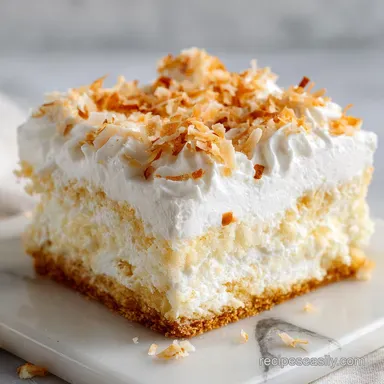
Coconut Cream Cake: Velvety and Rich
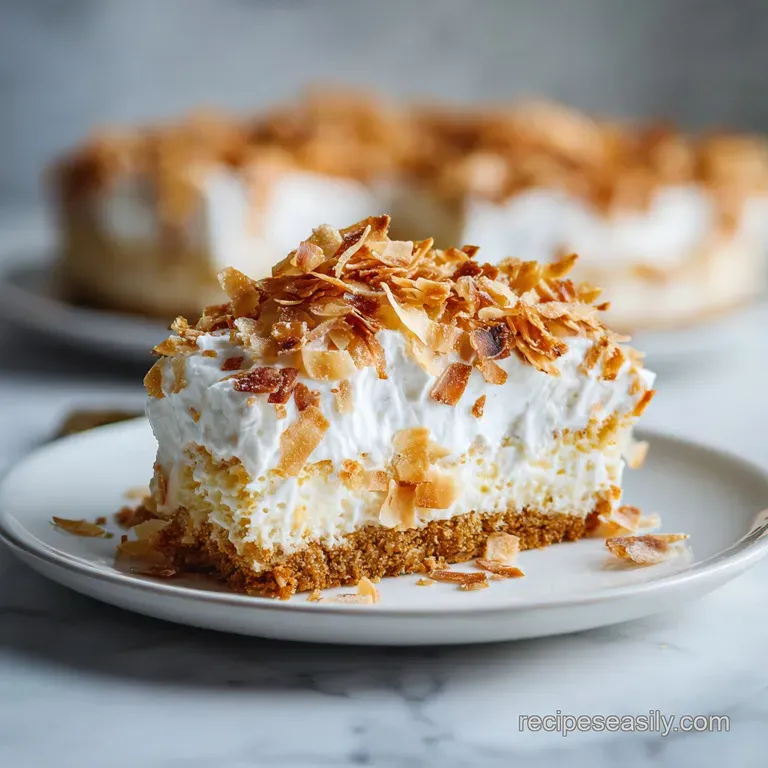
- Time:20 minutes active + 30 minutes baking + 4 hours chilling = Total 4 hours 50 mins
- Flavor/Texture Hook: Velvety sponge with a shatter crisp toasted coconut finish
- Perfect for: Tropical themed parties, summer birthdays, or anyone who loves a rich, moist dessert
- The Best Coconut Cream Cake Recipe
- The Secret to Moist Layers
- Essential Cake Specs
- The Component List
- Must Have Kitchen Tools
- Step by Step Process
- Fixing Common Cake Issues
- Troubleshooting Common Issues
- Tweaking for Your Diet
- Scaling the Recipe
- Debunking Cake Myths
- Storage and Waste Tips
- Plating and Serving Ideas
- Recipe FAQs
- 📝 Recipe Card
The scent of toasted coconut hitting a hot pan is one of those smells that just stops you in your tracks. It's nutty, sweet, and immediately transports me back to my grandmother's kitchen in the humid heat of August.
She used to make a traditional coconut cake, but it always had this slightly dry, crumbly texture that required a huge glass of milk to wash down. I loved it, but I always wondered if it could be more, you know? More like a cloud and less like a sponge.
That's where the obsession started. I spent a long time trying to figure out why some cakes feel "wet" without being raw. I realized that coconut, specifically, is a thirsty ingredient. It sucks moisture out of the batter during the bake.
To get that truly lush experience, you can't just put coconut in the mix, you have to feed the cake after it comes out of the oven.
This coconut cream cake recipe is the result of that curiosity. It's not just a cake, it's a three stage process: a buttery bake, a saturation soak, and a stable whipped frosting. It’s designed for those of us who want that high end bakery feel without needing a professional kitchen.
Trust me, once you try the soak method, you'll never go back to a standard dry cake.
The Best Coconut Cream Cake Recipe
Right then, let's get into how this actually comes together. Most people think the secret to a moist cake is just adding more oil or butter. But if you overdo it, you end up with a greasy sponge that collapses.
The real trick here is the balance between the fats in the canned coconut milk and the moisture from the cream of coconut soak.
When you're making a homemade coconut cream cake, the goal is to create a structure that can hold a lot of moisture without turning into mush. By using a creamed butter method, we create tiny air pockets.
When we later pour that warm coconut mixture over the warm cake, those pockets act like little reservoirs, soaking up the syrup and locking it in.
If you're looking for something slightly different but still in that coconut family, you might enjoy a Homemade Coconut Pound Cake for a denser, more buttery experience. But for a party, this layered version is definitely the way to go. It’s light, creamy, and has that specific tropical vibe that feels like a vacation on a plate.
The Secret to Moist Layers
I used to think baking was just following instructions, but it's really about managing moisture. Here is why this specific approach works so well.
- The Fat Bridge
- Full fat coconut milk provides a different type of fat than dairy, which helps the crumb stay tender even after chilling.
- The Saturation Effect
- Poking holes in the warm cake allows the cream of coconut to penetrate the core rather than just sitting on top.
- Protein Stability
- The heavy cream frosting is whipped to stable peaks, creating a structural barrier that keeps the moisture inside the sponge.
- Toasted Aromatics
- Toasting the coconut doesn't just add crunch, it releases oils that intensify the scent of the entire coconut cream cake recipe.
But how do you choose between making this from scratch or using a shortcut? I've tried both, and the difference is mostly about the "mouthfeel" and the depth of flavor.
| Feature | From Scratch (This Recipe) | Cake Mix Shortcut | Impact |
|---|---|---|---|
| Texture | Velvety, open crumb | Denser, more uniform | Scratch feels more "premium" |
| Flavor | Pure coconut, buttery | Artificial vanilla/coconut | Scratch is less cloying |
| Effort | Medium (mixing/soaking) | Low (stir and bake) | Extra 20 mins for better taste |
| Moisture | High (due to soak) | Medium (depends on mix) | Soak method is far superior |
It's a bit more work to do it from scratch, but that soak step is non negotiable if you want that professional finish.
Essential Cake Specs
Before we dive into the ingredients, let's look at the "why" behind the components. I'm not a scientist, but I've learned through a lot of trial and error that certain ingredients do the heavy lifting here.
| Ingredient | Science Role | Pro Secret |
|---|---|---|
| Full fat Coconut Milk | Provides moisture & fat | Shake the can well to mix the cream |
| Cream of Coconut | Acts as the saturating syrup | Warm it slightly for better penetration |
| Heavy Whipping Cream | Creates the airy structure | Keep it ice cold for maximum volume |
| Shredded Coconut | Adds texture and scent | Toast until golden, never brown |
One thing I've noticed is that using "lite" coconut milk completely ruins the texture. You need those fats to emulsify with the butter. According to the guides at King Arthur Baking, the fat content in your liquids directly affects the tenderness of the crumb. Don't skim here.
The Component List
Here is everything you'll need. Make sure your butter and eggs are at room temperature, or you'll end up with a curdled batter.
For the Coconut White Cake
- 2.5 cups (310g) all purpose flour Why this? Provides the necessary structure without being too heavy
- 1.5 cups (300g) granulated sugar
- 1 tbsp (12g) baking powder
- 0.5 tsp (3g) salt
- 0.75 cup (170g) unsalted butter, softened Why this? Essential for that rich, velvety mouthfeel
- 3 large eggs
- 1 cup (240ml) full fat canned coconut milk Why this? Adds the primary tropical flavor and moisture
- 1 tsp (5ml) pure vanilla extract
For the Coconut Soak
- 0.5 cup (120ml) cream of coconut Why this? High sugar content creates a syrup that keeps cake moist
- 2 tbsp (30ml) warm water
For the Coconut Cream Frosting
- 2 cups (480ml) heavy whipping cream, chilled Why this? High fat content allows for stable peaks
- 0.5 cup (60g) powdered sugar
- 1 tsp (5ml) coconut extract
- 2 cups (200g) shredded sweetened coconut, toasted Why this? Adds the "shatter" texture and visual appeal
Substitution Guide
| Original Ingredient | Substitute | Why It Works |
|---|---|---|
| All purpose Flour | Cake Flour | Lighter protein. Note: Result is softer, more delicate |
| Canned Coconut Milk | Almond Milk + 2 tbsp Melted Butter | Similar liquid ratio. Note: Less coconut flavor |
| Heavy Whipping Cream | Coconut Cream (chilled) | dairy-free fat. Note: More coconut forward, slightly less stable |
| Granulated Sugar | Coconut Sugar | Earthy sweetness. Note: Cake will be brown, not white |
I've found that if you use almond milk, you really have to lean harder on the coconut extract in the frosting to make it taste like a coconut cream cake recipe.
Must Have Kitchen Tools
You don't need a fancy studio, but a few things make this much easier. I highly recommend a stand mixer such as KitchenAid for the frosting, though a hand mixer works if you've got a strong arm.
- Two 8 inch round cake pans
- Parchment paper (don't skip this, or the cake will stick)
- Electric hand mixer or stand mixer
- Fine mesh sieve for the flour
- Wire cooling racks
- A skewer or fork for the soak process
Step by step Process
Let's crack on. I've broken this down into phases so you don't feel overwhelmed.
1. Baking the Sponges
Preheat your oven to 350°F (175°C). Grease your two 8 inch pans and line the bottoms with parchment. This is where most people mess up, so take the extra 2 minutes to do it.
Cream the softened butter and granulated sugar together. Use your mixer on medium high until the mixture is pale and fluffy. This should take about 3-5 minutes. If it's still yellow and dense, keep going.
Beat in the eggs one at a time. Make sure each one is fully mixed in before adding the next. If the batter looks like it's separating, just add a tablespoon of your flour.
Now, alternate adding your flour mixture (flour, baking powder, salt) and the coconut milk. Start with flour, then milk, then flour. Stir until just combined. Do not overmix, or you'll develop too much gluten and the cake will be tough.
Divide the batter evenly between the pans. Bake for 28–32 minutes until a toothpick comes out clean and the edges are just starting to pull away from the pan.
2. The Infusion Phase
This is the "magic" part of the coconut cream cake recipe. While the cakes are still slightly warm (not burning, but not cold), take your skewer or fork and poke holes across the entire surface. Be generous.
Whisk the cream of coconut and warm water together until smooth. Slowly pour this mixture over the cakes. You'll actually see the cake "drink" the liquid. Let them cool completely on a wire rack. If you frost a warm cake, your cream will melt into a puddle.
3. Whipping and Assembly
Take your chilled heavy cream, powdered sugar, and coconut extract. Whip them on medium high until stable peaks form. You want it to be firm enough to hold its shape but still silky. For a more stable foam, check out the stabilization tips on Serious Eats.
Place one cake layer on your plate. Spread a thick layer of frosting on top. Top with the second cake layer.
Coat the top and sides with the remaining frosting. Finally, press the toasted shredded coconut into the sides. It should look like a snowy tropical mountain.
- 1. Butter/Sugar Texture
- Must be "pale and fluffy", not just mixed.
- 2. Bake Temp
- 350°F (175°C) exactly.
- 3. Chill Time
- Minimum 4 hours in the fridge.
Fixing Common Cake Issues
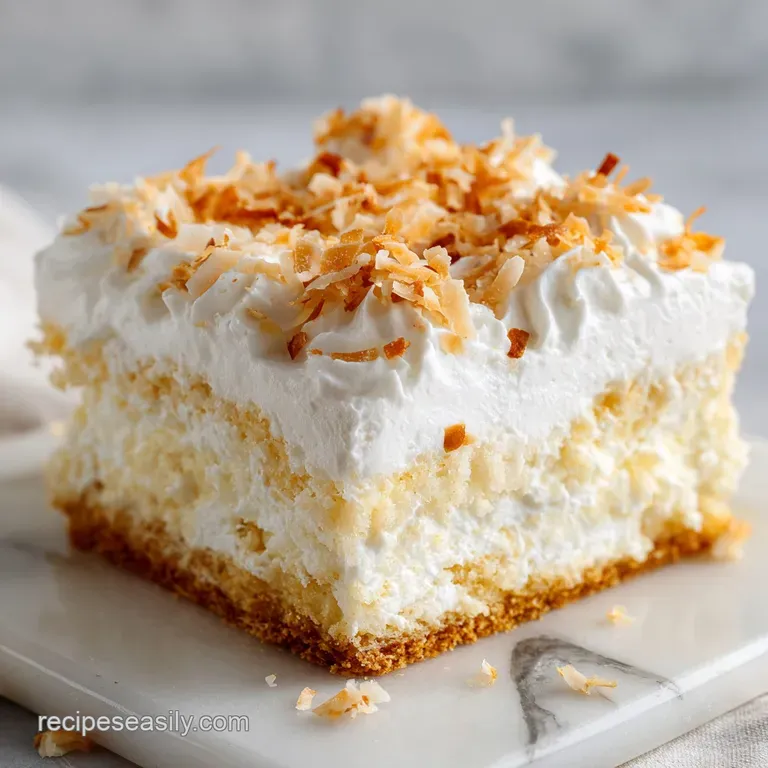
Even for seasoned cooks, things can go sideways. Most of the time, it's just a matter of temperature or timing.
Troubleshooting Common Issues
| Issue | Solution |
|---|---|
| Why Your Batter Curdled | If you add cold eggs to creamed butter, the fats separate. It looks like cottage cheese. Don't panic. Just keep mixing or add a tablespoon of flour to bring it back together. |
| Why Your Frosting Is Runny | This usually happens if the heavy cream wasn't cold enough or you over whipped it. If you've just started to over whip, you can sometimes fold in a tablespoon of liquid cream to smooth it out. If it's |
| Why Your Coconut Burned | Shredded coconut has a lot of natural oil, so it goes from "golden" to "burnt" in about 10 seconds. Watch it like a hawk. |
Common Mistakes Checklist
- ✓ Eggs and butter are truly room temperature.
- ✓ Cake pans are lined with parchment paper.
- ✓ Coconut milk was shaken well before measuring.
- ✓ Cake chilled for at least 4 hours before slicing.
- ✓ Coconut was toasted in a dry pan, not oven baked.
Tweaking for Your Diet
I want everyone to be able to enjoy a coconut cream cake recipe, regardless of dietary needs. Here are a few ways to pivot.
The Cake Mix Hack
If you're in a rush, you can use a white cake mix. Replace the water in the mix instructions with full fat coconut milk. You still need to do the cream of coconut soak, though, otherwise, it's just a regular cake.
Gluten-free Swap
Use a 1:1 gluten-free baking flour blend that contains xanthan gum. The texture will be slightly denser, but the soak method actually helps mask the grittiness sometimes found in GF flours.
Dairy-free Alternative
Replace the butter with a high-quality vegan butter stick and the heavy cream with chilled coconut cream (the thick part at the top of the can). It turns this into a powerhouse of coconut flavor.
Low Sugar Twist
Reduce the granulated sugar by 1/4 cup and use a monk fruit sweetener in the frosting. Note that the soak will still be sweet because cream of coconut is naturally sugary, but it's a good middle ground.
Scaling the Recipe
Depending on the crowd, you might need to change the size of this coconut cream cake recipe.
Scaling Down (Half Batch) Use one 8 inch pan for a single layer cake. Reduce the bake time by about 20%. For the eggs, beat one egg in a bowl and use exactly half of it by weight.
Scaling Up (Double Batch) If you're making a 3 layer cake, double the batter. However, only increase the salt and baking powder to 1.5x to avoid a metallic taste. Work in batches if your mixer can't handle the volume.
Baking Adjustments for Large Batches If you're baking multiple cakes at once, lower the oven temp to 325°F (160°C) and extend the time by 5-10 minutes. This ensures the heat circulates evenly without burning the edges.
Debunking Cake Myths
There are a lot of "rules" in baking that are actually just suggestions. Let's clear a few things up.
Myth: You must sift flour for a moist cake. Truth: Sifting helps with lumps, but it doesn't affect moisture. If you whisk your dry ingredients well, you can skip the sieve.
Myth: Room temperature eggs are just for "fancy" bakers. Truth: Cold eggs will seize the butter in your coconut cream cake recipe, causing the batter to break. It's a chemistry thing, not a fancy thing.
Myth: Adding more frosting makes the cake more moist. Truth: Frosting is a seal, not a moisturizer. The soak is what provides the moisture; the frosting just keeps it from evaporating.
Storage and Waste Tips
Since this cake uses a whipped cream frosting, it has to stay cold.
Storage Guidelines Keep the cake in an airtight container or a cake dome in the fridge for up to 5 days. Because of the soak, it actually tastes better on day two. For the freezer, wrap individual slices in plastic wrap and foil; they'll stay good for 2 months. Thaw in the fridge overnight.
Zero Waste Tips Don't throw away the leftover coconut milk in the can. It's perfect for a quick vegan curry or a smoothie. If you have leftover toasted coconut, toss it into your morning oatmeal or yogurt.
Plating and Serving Ideas
To make this look like it came from a boutique bakery, the presentation is key.
The Snowy Finish
When applying the coconut, don't just sprinkle it. Press it firmly into the frosting so it creates a solid white coat. This gives it that iconic, clean "snowy" look.
Fresh Tropical Pairings
Serve each slice with a few fresh raspberries or a slice of mango. The acidity of the fruit cuts through the richness of the coconut cream. For an extra indulgence, drizzle a bit of Brown Butter Caramel Sauce over the top just before serving.
Slicing for Stability
Because of the cream layers, use a hot knife to slice. Dip your knife in hot water, wipe it dry, and slice. Repeat for every single cut. This ensures the frosting doesn't smudge into the cake layers.
Honestly, this coconut cream cake recipe is one of those dishes that feels like a project but is actually very manageable once you get into a flow. The key is patience especially during that 4 hour chill. If you try to cut it early, you're just asking for a landslide of frosting. But once it's set?
It's pure, velvety heaven. Give it a shot, and let me know how it turns out!
Recipe FAQs
Can I make a cake with coconut cream?
Yes, you can. This recipe uses canned coconut milk in the batter and cream of coconut for the soak to create a deep, tropical flavor.
How to prevent the frosting from becoming runny?
Keep your heavy whipping cream chilled. Ensure the cream is very cold before whipping and avoid over mixing, which can break the stable peaks.
Is it true that I should freeze the cake immediately after frosting?
No, this is a common misconception. Chill the cake in the refrigerator for 4 hours first to ensure the layers are stable before slicing or freezing.
How to store the cake to keep it fresh?
Store it in an airtight container in the fridge. It remains fresh for up to 5 days and often tastes better on day two. Individual slices can be wrapped in foil and frozen for 2 months.
Why did my batter look curdled after adding eggs?
The fats separated because the eggs were too cold. Keep mixing or stir in a tablespoon of flour to bring it back together. If you enjoyed mastering this emulsion, see how we handle similar fat ratios in our homemade dinner rolls.
How to ensure the cake is fully saturated with the coconut soak?
Poke holes across the surface of the warm cake layers. Use a fork or skewer before slowly pouring the mixture of cream of coconut and warm water over the crumb.
How to tell when the cake layers are finished baking?
Insert a toothpick into the center of the cake. Bake at 350°F for 28 32 minutes until the toothpick comes out clean.
Coconut Cream Cake Recipe