Baked Spaghetti: Creamy and Savory Casserole
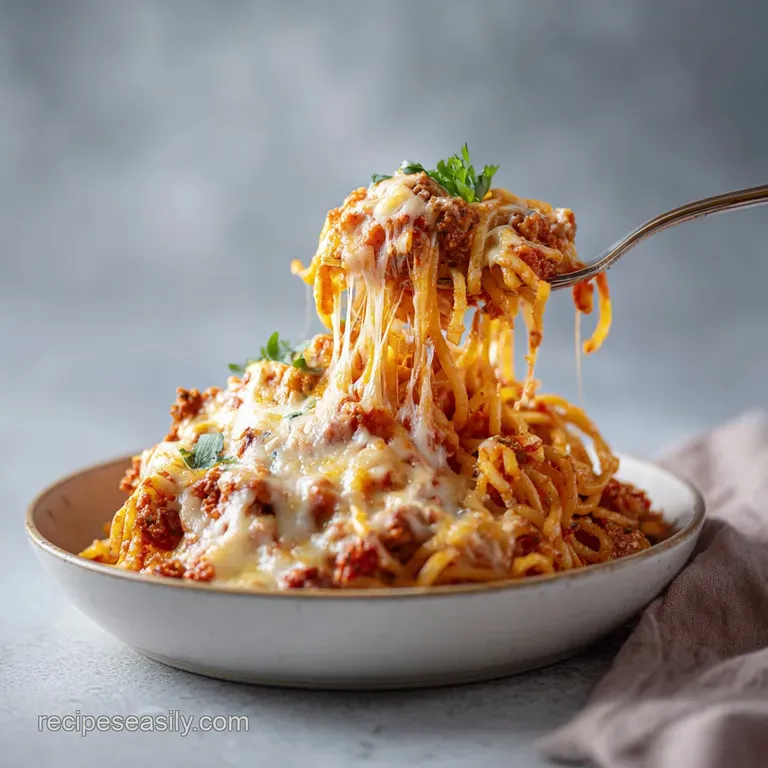
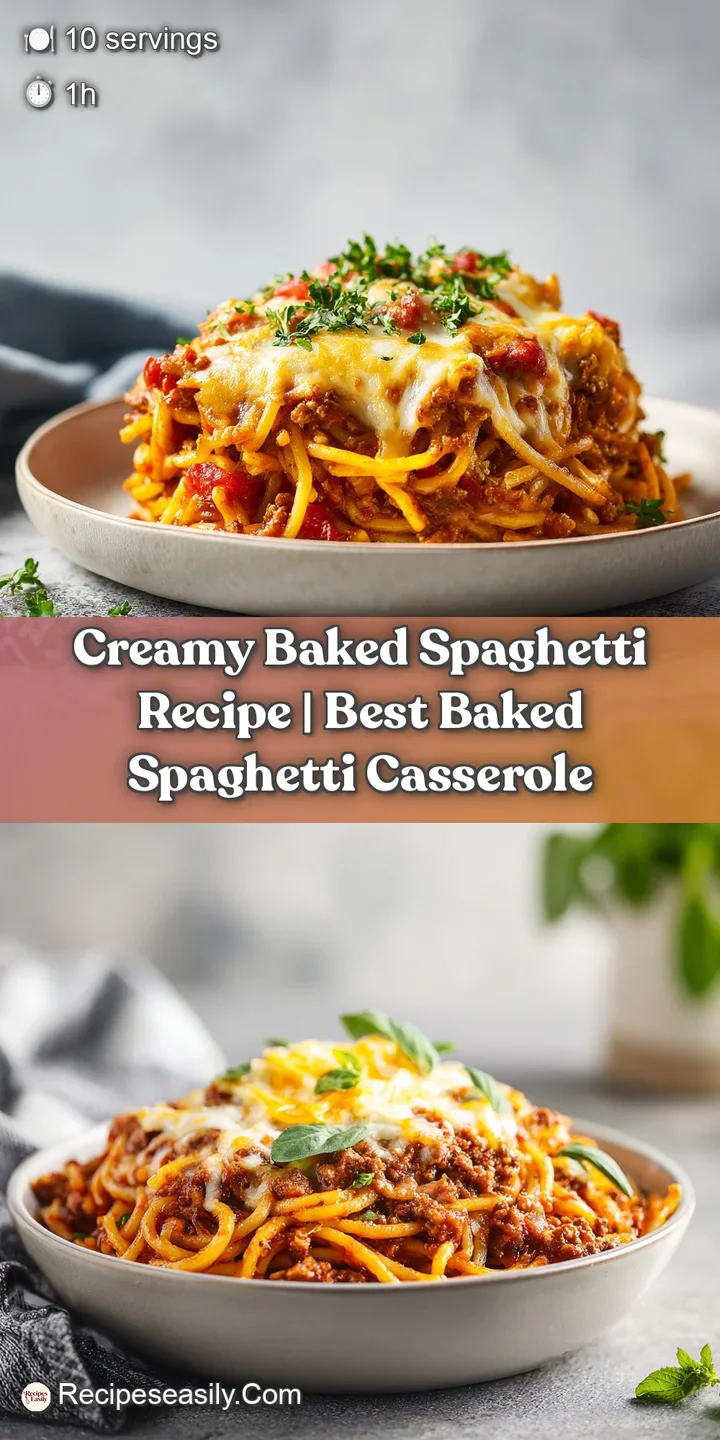
- Time: Active 20 minutes, Passive 40 minutes, Total 60 minutes
- Flavor/Texture Hook: Silky, molten cheese blanketing al dente noodles and savory beef
- Perfect for: Sunday family dinners or impressive potluck contributions
- Create the Most Comforting Baked Spaghetti Recipe Ever
- Understanding the Secret to Creamy Success
- Essential Numeric Milestones for Pasta Perfection
- Gathering Your High Quality Casserole Components
- Simple Tools for Stress Free Cooking
- Executing the Multi Layered Casserole Method
- Mastering Common Casserole Texture Issues
- Personalizing Your Family Pasta Dinner Experience
- Maximizing Freshness Through Smart Storage
- Curating the Ideal Side Dish Pairings
- Very High in Sodium
- Recipe FAQs
- 📝 Recipe Card
Create the Most Comforting Baked Spaghetti Recipe Ever
Forget everything you know about those dry, tangled messes that people usually call baked spaghetti. There's a common myth floating around that this dish is just a lazy way to use up yesterday's leftovers, resulting in a soggy, uninspired pile of pasta. I'm here to tell you that’s completely wrong.
When you treat this baked spaghetti recipe as its own distinct entity, it becomes something much closer to a "Million Dollar" casserole, with distinct layers and a texture that actually holds its shape on the plate.
The secret isn't in some fancy, expensive tool or a secret imported ingredient. It’s all about the architecture of the dish. Most people just toss everything together in a bowl and hope for the best, but that’s how you end up with noodles that are mushy on the bottom and crunchy on top.
We're going to build a structural foundation using a specific blend of cheeses that acts as a moisture barrier, keeping the pasta al dente while the sauce concentrates into a rich, savory blanket.
I remember the first time I made this for a group of friends. I was worried it would just feel like "spaghetti but harder to eat," but the room went silent after the first bite. You could actually hear the crunch of the mahogany colored cheese crust followed by the velvety sigh of the cream cheese layer.
It’s the kind of meal that makes people ask for the recipe before they've even finished their first helping. Let’s get into why this actually works.
Understanding the Secret to Creamy Success
The reason this dish stands out from every other pasta bake you've tried comes down to moisture management. Pasta is essentially a sponge, and in a hot oven, it wants to soak up every drop of liquid it can find.
If you just pour sauce over dry noodles, the pasta steals the moisture from the sauce, leaving you with dry beef and gummy noodles.
The Fat Barrier: By tossing the pasta in olive oil and then layering it with a dense ricotta and cream cheese mixture, we create a literal shield. This prevents the pasta from absorbing too much liquid from the marinara, ensuring the noodles stay firm and the sauce stays saucy.
Starch Suspension: We cook the pasta for exactly 2 minutes less than the box says. This "under cooking" is intentional because the noodles will finish their hydration process inside the casserole, soaking up the aromatic beef juices instead of just plain boiling water.
The Protein Binder: Adding a beaten egg to the cheese layer isn't just for kicks. The egg proteins denature and set during the 40 minutes of baking, turning a loose cheese mixture into a stable, custard like layer that provides structural integrity to every slice.
Comparison of Pasta Baking Styles
| Method | Texture Profile | Time Commitment | Best Use Case |
|---|---|---|---|
| The Quick Toss | Loose and saucy | 30 minutes | Casual weeknight meal |
| The Layered Classic | Structured and rich | 60 minutes | Family gatherings |
| The Slow Simmer | Intense and deep | 4 hours | Gourmet weekend project |
The Layered Classic method we are using today provides the best balance between a manageable time frame and a high end result. It gives you those distinct "Million Dollar" layers without requiring you to stand over a stove all day. If you find yourself craving something a bit lighter on a Tuesday, you might want to try this Lemon Butter Garlic sauce instead, but for pure comfort, the baked layers are king.
Essential Numeric Milestones for Pasta Perfection
To get this right every single time, I rely on a few hard numbers. These aren't suggestions; they are the guardrails that keep your dinner from turning into a kitchen disaster. Precision in the early stages means you can relax once the dish hits the oven.
350 Degrees: This is the sweet spot for the oven temperature. Anything higher and the cheese on top burns before the middle is hot; anything lower and the pasta spends too long in the heat, turning into mush.
70 Percent Drainage: When you brown that 1.5 lbs of ground beef, you'll see a lot of liquid fat. You want to drain about 70% of it. Leaving about 30% provides the necessary lipids to carry the flavors of the garlic and oregano throughout the entire 48 oz of sauce.
40 Minute Bake: This is the exact time needed for the internal cheese layer to set and the top mozzarella layer to reach a deep, mahogany brown. At the 20 minute mark, check the color; if it's already dark, you can tent it with foil, but usually, 40 minutes is the magic number.
Component Analysis and Pro Secrets
| Ingredient | Science Role | Pro Secret |
|---|---|---|
| Ground Beef | Provides fat soluble flavor | Brown it until it sizzles to get a deep crust |
| Cream Cheese | Lowers the melting point of the layer | Always use full fat for a velvety mouthfeel |
| Pasta Water | Contains binding starches | Salt it until it tastes like the ocean |
| Egg | Acts as a structural emulsifier | Beat it thoroughly before adding to ricotta |
Adding a beaten egg to your cheese mixture is one of those small steps most people skip, but it’s the difference between a mess and a masterpiece. It holds the ricotta in place so it doesn't weep moisture into the bottom of your pan.
Gathering Your high-quality Casserole Components
Selecting the right ingredients for this baked spaghetti recipe is about finding a balance between convenience and quality. Since we are using 48 oz of marinara sauce, this is the one place where you shouldn't settle for the bargain bin.
A high-quality sauce with a short ingredient list will make the beef and herbs shine.
- 1 lb spaghetti noodles: Standard thickness is best; angel hair will vanish into the sauce.
- 1.5 lbs ground beef: Look for 80/20 lean to fat ratio for the best flavor.
- 48 oz high-quality marinara sauce: This is the backbone of your flavor profile.
- 15 oz whole milk ricotta cheese: Why this? Provides a creamy, slightly grainy texture that mimics traditional lasagna.
- 8 oz cream cheese: Must be softened to room temperature for easy blending.
- 2 cups shredded mozzarella: Use low moisture part skim for the best stretch.
- 1 cup shredded sharp provolone: Adds a necessary bite that mozzarella lacks.
- 0.5 cup freshly grated parmesan: Why this? Adds a salty, umami finish to the crust.
- 1 medium yellow onion: Finely diced to melt into the meat sauce.
- 3 cloves garlic: Mince them fresh; the bottled stuff is too bitter here.
- 2 tbsp extra virgin olive oil: Prevents the pasta from clumping after boiling.
- 1 tsp dried oregano & 0.5 tsp red pepper flakes: Simple aromatics that pack a punch.
- 0.25 cup fresh basil: Chiffonade these thin ribbons for a burst of freshness.
- 1 large egg: The essential binder for your creamy center.
- 1 tsp kosher salt: For the meat and the pasta water.
Smart Ingredient Substitutions
| Original Ingredient | Substitute | Why It Works |
|---|---|---|
| Ground Beef | Ground Turkey (93/7) | Leaner option; add 1 tbsp Worcestershire for depth |
| Ricotta Cheese | Cottage Cheese (small curd) | Tangier flavor. Note: Result will be slightly more liquid |
| Yellow Onion | Shallots (3 large) | Provides a more delicate, garlicky sweetness |
If you are looking for a totally different flavor profile, you could even use the base of this creamy beef soup technique to create a Tex Mex version of this bake, substituting the marinara for enchilada sauce and the ricotta for pepper jack.
Simple Tools for Stress Free Cooking
One of the best things about this recipe is that it doesn't require a kitchen full of gadgets. I’m a big fan of the "minimal tools" approach because it means fewer dishes to wash at the end of the night. You really only need three main items to get this from the pantry to the table.
First, you need a large skillet. I prefer a 12 inch cast iron or a deep stainless steel pan. You need enough surface area to brown 1.5 lbs of beef without crowding it, otherwise, the meat will steam in its own juices instead of getting that beautiful brown sear.
Second, a 9x13 inch deep dish baking pan is non negotiable. This recipe creates a lot of volume with the layers of pasta and the 48 oz of sauce. If you use a shallow pan, you’ll be cleaning burnt cheese off the bottom of your oven for weeks.
If you have a ceramic dish, even better it retains heat beautifully and looks great on the table.
Finally, a medium mixing bowl for the cheese mixture and a large pot for the pasta. That’s it. No food processors, no fancy emulsifiers. Just simple tools and a little bit of patience.
Executing the Multi Layered Casserole Method
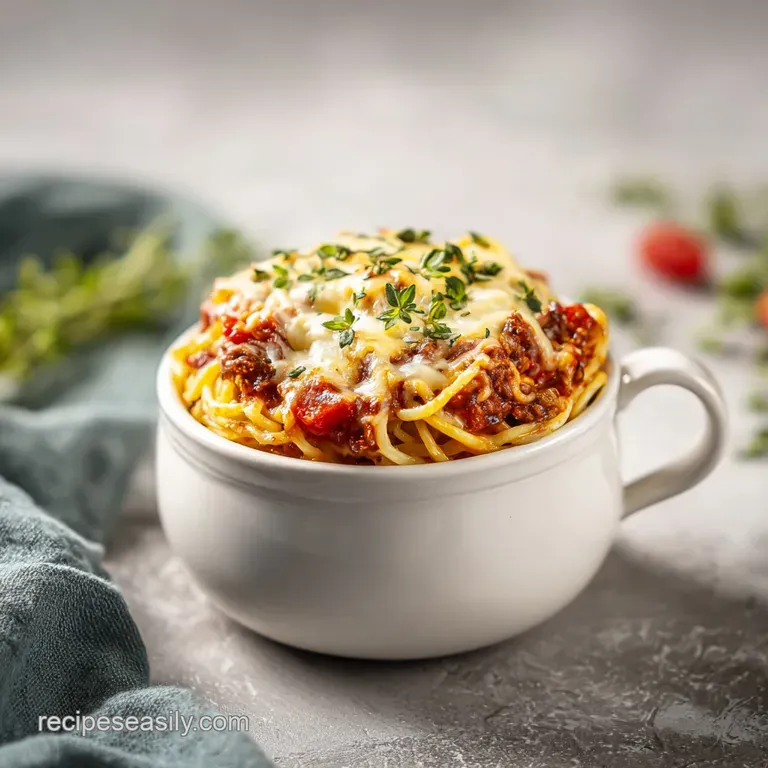
Ready to get started? This process is all about the "mise en place" having everything ready before you start the heat. Once the beef starts sizzling, things move fast.
- Brown the beef. Place the 1.5 lbs of ground beef in your skillet over medium high heat. Break it up with a wooden spoon and cook until no pink remains. Drain approximately 70% of the rendered fat so the dish isn't greasy.
- Sauté the aromatics. Add the diced yellow onion to the beef. Cook for about 5 minutes until they turn translucent. Stir in the minced garlic, 1 tsp oregano, and 0.5 tsp red pepper flakes. Cook for exactly 60 seconds until the aroma fills your kitchen.
- Simmer the sauce. Pour in all 48 oz of marinara sauce. Turn the heat to low and let it simmer for 15 minutes. This step is vital it concentrates the sugars in the tomatoes and lets the beef flavors penetrate the sauce.
- Boil the pasta. While the sauce simmers, drop your 1 lb of spaghetti into heavily salted water. Drain the pasta 2 minutes before the package says (usually around the 7 or 8 minute mark). Toss it with 2 tbsp of olive oil immediately.
- Mix the creamy bridge. In your mixing bowl, stir together the 15 oz ricotta, 8 oz softened cream cheese, fresh basil, and the beaten egg. It should be thick, pale green from the basil, and completely smooth.
- Construct the base. Grease your 9x13 pan. Layer exactly half of the cooked spaghetti into the bottom. It doesn't have to be perfect, just a solid bed of noodles.
- Apply the cheese layer. Spread the entire ricotta and cream cheese mixture over the first layer of spaghetti. Use the back of a spoon to get it into the corners. Top this with the remaining half of the spaghetti.
- Add the meat sauce. Pour that rich, simmered meat sauce over the top layer of pasta. Ensure the sauce covers the noodles completely so they don't dry out in the oven.
- The final cheese topping. Evenly sprinkle the 2 cups mozzarella, 1 cup provolone, and 0.5 cup parmesan over the top. This blend of three cheeses gives you stretch, bite, and saltiness.
- Bake to perfection. Place the pan in a preheated 350°F (175°C) oven. Bake for 40 minutes until the cheese is bubbling and has reached a mahogany colored brown. Let it rest for 10 minutes before slicing.
Engineering the Creamy Bridge
The fifth step mixing the ricotta and cream cheese is where the magic happens. Many people find ricotta by itself to be a bit grainy or dry when baked. By folding in softened cream cheese, you change the fat structure of that layer.
It becomes a velvety, molten center that acts as a bridge between the noodles and the heavy meat sauce. It’s the hallmark of a "Million Dollar" baked spaghetti recipe.
Layering for Structural Integrity
When you are layering the pasta in step six and seven, resist the urge to stir it all together. The goal is to have distinct sections. When you cut into the finished casserole, you want to see the red sauce on top, the white cheese in the middle, and the noodles holding everything up.
This layering prevents the dish from feeling like a heavy, singular block of starch.
Mastering Common Casserole Texture Issues
Even the best cooks run into trouble sometimes. Casseroles are generally forgiving, but with pasta, there are two main enemies: sogginess and dryness. If your dish looks a little "soupy" when you pull it out of the oven, don't panic. It often just needs that 10 minute rest period to allow the starches to firm up.
Why Your Baked Spaghetti Is Watery
One of the biggest complaints with this dish is a pool of liquid at the bottom of the pan. This usually happens if the onions weren't cooked long enough or if the ricotta had too much whey.
- The Solution: Ensure you simmer the sauce for the full 15 minutes to evaporate excess water. Also, always use whole milk ricotta; low-fat versions have a higher water content that will release during baking.
Common Mistakes Checklist
- ✓ Pat beef dry if it looks extra moist before browning to ensure a good sear.
- ✓ Don't overcook the pasta in the pot; it MUST be slightly firm (al dente) before baking.
- ✓ Soften the cream cheese completely, or you'll have white lumps in your cheese layer.
- ✓ Let the dish rest for at least 10 minutes before cutting to ensure clean layers.
| Problem | Root Cause | Solution |
|---|---|---|
| Mushy Noodles | Pasta was fully cooked before baking | Drain pasta 2-3 mins early next time |
| Greasy Surface | Didn't drain enough beef fat | Ensure 70% of fat is removed after browning |
| Dry Top Layer | Noodles were exposed to air | Spread sauce all the way to the edges of the pan |
Personalizing Your Family Pasta Dinner Experience
Once you've mastered the basic layered version, you can start playing around with the flavors. My favorite thing about this baked spaghetti recipe is how adaptable it is. You can change the protein, the herbs, or even the type of pasta if you're in a pinch.
Chef's Tip: If you want a deeper, more complex flavor, try adding a splash of balsamic vinegar or a teaspoon of sugar to the marinara sauce while it simmers. It cuts through the richness of the beef and cheeses.
The Italian Sausage Twist
Swap half of the ground beef for spicy Italian sausage. The fennel and extra garlic in the sausage add a huge punch of flavor without any extra effort on your part. You’ll follow the exact same browning and draining steps.
Low Carb Alternative
If you're looking to cut back on carbs, you can actually use spaghetti squash in place of the noodles. You'll need to roast the squash first and squeeze out as much moisture as possible using a kitchen towel. The texture won't be exactly the same, but that creamy ricotta layer makes almost anything taste incredible.
Three Quick Decision Shortcuts
- If you want it spicier, double the red pepper flakes and add sliced pepperoni to the top cheese layer.
- If you want it faster, use a high-quality jarred meat sauce and skip the beef browning step (though you'll miss that savory depth).
- If you want it heartier, add a layer of sautéed mushrooms and spinach between the cheese and the top pasta layer.
Maximizing Freshness Through Smart Storage
This is one of those rare dishes that might actually taste better the next day. As it sits in the fridge, the flavors of the garlic, oregano, and basil continue to meld into the cheese.
Storage: Keep leftovers in an airtight container in the refrigerator for up to 4 days. When reheating, add a tiny splash of water or extra marinara to the plate to keep the noodles from drying out in the microwave.
Freezing: You can freeze this casserole either before or after baking. If freezing before, wrap the pan tightly in a double layer of plastic wrap and then foil. It will stay fresh for up to 3 months.
To bake from frozen, add an extra 20 minutes to the cook time and keep it covered with foil for the first half of the baking process.
Zero Waste Tip: Don't throw away those parmesan rinds! If you have the hard end of a wedge of parmesan, toss it into the marinara sauce while it simmers. It adds a massive amount of umami flavor. Just remember to fish it out before you start layering the casserole.
Also, if you have leftover ricotta, it's great spread on toast with a little honey and black pepper the next morning.
Curating the Ideal Side Dish Pairings
Because this baked spaghetti recipe is so rich and "heavy" (in the best way possible), you want to pair it with sides that provide some acidity or crunch to cleanse the palate. A heavy dish needs a bright partner.
A simple arugula salad with a lemon vinaigrette is my go to. The peppery bite of the arugula cuts right through the cream cheese and mozzarella. If you're feeling a bit more indulgent, a classic garlic bread made with plenty of butter and fresh parsley is never a bad idea.
You can use the bread to swipe up every last bit of that "Million Dollar" sauce.
Debunking Casserole Myths
One myth I hear constantly is that you have to cover the pan with foil while it bakes. For this specific recipe, that’s a mistake. We want the moisture to evaporate slightly so the sauce thickens, and we definitely want the cheese to get that mahogany crust.
If you cover it the whole time, the cheese will just be a pale, gooey mess. Only cover it if you see the top browning too quickly!
Another common misconception is that you shouldn't use "fancy" cheeses in a bake. People think the heat destroys the nuance. While you shouldn't waste a $40 aged parmesan, using a freshly grated parmesan and a sharp provolone makes a world of difference compared to the pre shredded bags that are coated in potato starch.
That starch prevents the cheese from melting into a cohesive, silky blanket.
Whether you're making this for a weeknight win or a big celebration, just remember to trust the layers. Let that cream cheese and ricotta bridge do the heavy lifting, and you'll never settle for a basic bowl of pasta again. Now, go preheat that oven and get the beef sizzling!
Very High in Sodium
1240 mg 1240 mg of sodium (54% 54% of daily value)
The American Heart Association recommends limiting sodium intake to less than 2,300mg per day, with an ideal limit of less than 1,500mg for most adults.
Tips to Reduce Sodium in Your Spaghetti Bake
-
Choose Low-Sodium Marinara Sauce-20%
The marinara sauce is a major sodium contributor. Look for marinara sauce labeled 'low sodium' or 'no salt added'. This can significantly cut down the overall sodium content.
-
Select Lower Sodium Cheeses-15%
Both mozzarella and provolone can be high in sodium. Opt for 'reduced sodium' versions of mozzarella and provolone. You can also slightly decrease the amount of provolone if its sodium content is particularly high.
-
Reduce Added Salt-25%
The recipe calls for 1 tsp of kosher salt. Try halving this to 0.5 tsp or omitting it entirely, as the marinara sauce and cheeses already provide a good amount of saltiness.
-
Moderate Parmesan Cheese-10%
Parmesan cheese is flavorful but also salty. Consider reducing the amount of freshly grated parmesan to 0.25 cup. The other cheeses and seasonings will still provide plenty of flavor.
-
Boost Flavor with Herbs and Spices
Enhance the taste without adding salt by using plenty of fresh and dried herbs and spices. Incorporate more fresh basil, oregano, and consider adding garlic powder or onion powder to the beef mixture.
Recipe FAQs
How long does baked spaghetti need to be in the oven?
Bake for 40 minutes at 350°F (175°C). The dish is ready when the cheese is bubbling and has reached a mahogany colored brown.
What is the one ingredient that makes spaghetti sauce so much better?
Simmering the sauce with the spices is the key. Cooking the marinara sauce with the oregano and red pepper flakes for 15 minutes concentrates the flavors, creating a deeper, more cohesive base.
Why is it called cowboy spaghetti?
This is a common misconception. This dish is standard baked spaghetti; the term is often used as a colloquial name for any heartier, meat heavy pasta bake involving ground beef and melted cheese.
Do you cover baked spaghetti with foil in the oven?
No, leave it uncovered. Baking it uncovered allows the mozzarella, provolone, and parmesan cheeses to properly bubble and develop that signature mahogany colored crust.
How to prevent the pasta from becoming mushy after baking?
Drain your noodles 2 minutes before the package instructions suggest. If you enjoyed mastering this al dente texture technique, you can apply the same principle of partial cooking starches to our Mexican Street Corn Casserole to maintain better structure.
How to serve this dish so it holds its shape?
Let the pan rest for at least 10 minutes before slicing. Resting allows the ricotta and cream cheese layer to set slightly, ensuring you get clean, beautiful layers when you serve.
How to handle the cream cheese for the best texture?
Soften the cream cheese completely before mixing it with the ricotta and egg. If the cream cheese is too cold, you will end up with small white lumps in your cheese layer rather than a smooth, creamy filling.
Creamy Baked Spaghetti
Ingredients:
Instructions:
Nutrition Facts:
| Calories | 692 kcal |
|---|---|
| Protein | 37 g |
| Fat | 41 g |
| Carbs | 44 g |
| Fiber | 4 g |
| Sugar | 9 g |
| Sodium | 1240 mg |
