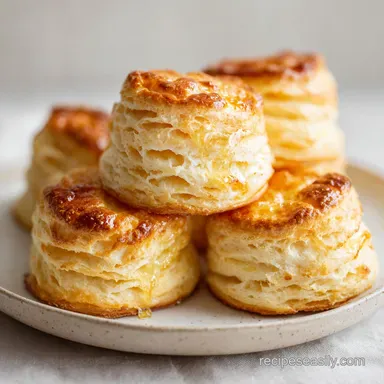
Grandma's Southern Buttermilk Biscuits: Fluffy and Flaky
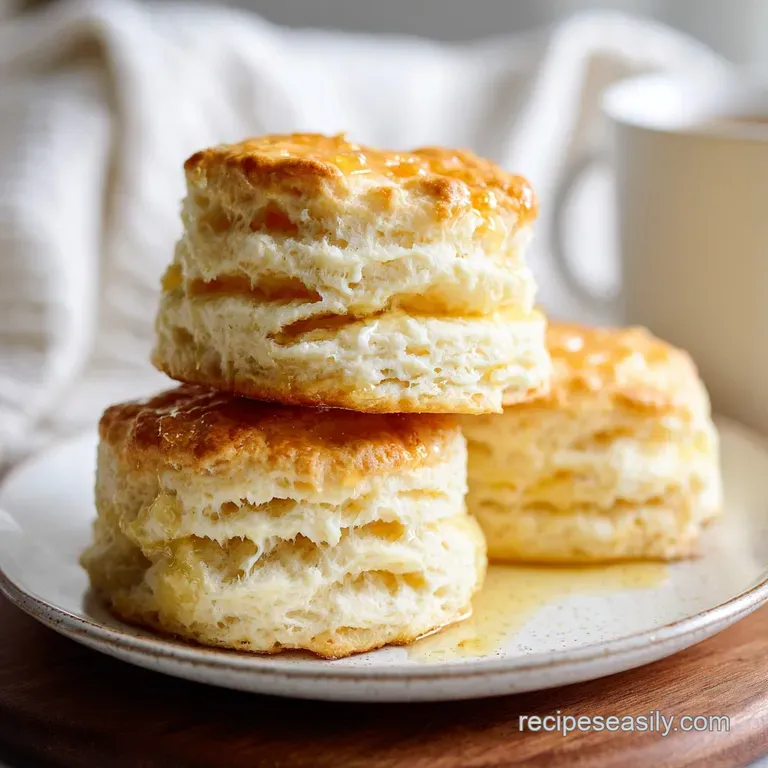
- Time:15 minutes active + 15 minutes baking = Total 30 minutes
- Flavor/Texture Hook: Mahogany colored tops with a fluffy, shatter crisp exterior
- Perfect for: Sunday brunch or a quick comfort side for dinner
- Grandmas Southern Buttermilk Biscuits Recipe
- The Secret to Proper Height
- The Essential Pantry List
- The Necessary Tool Kit
- Making the Biscuits
- Fixing Common Biscuit Blunders
- Troubleshooting Common Issues
- Alternative Ingredient Choices
- Storage and Freshness Tips
- Perfect Pairings for Biscuits
- Dispelling Baking Myths
- Recipe FAQs
- 📝 Recipe Card
The smell of browning butter and toasted flour is something that sticks with you. I remember standing in my grandma's kitchen, watching her hands move with a speed that seemed almost rhythmic. She didn't use a timer or a digital scale, just the feel of the dough against her palms.
I once tried to "help" by mixing the dough until it was perfectly smooth, thinking that was the goal. She stopped me mid stir, looked at the gummy mess I'd created, and told me that a biscuit needs "room to breathe."
That was the moment I learned that the secret to a great biscuit isn't in how much you mix, but in how much you don't mix. The beauty is in the imperfections, the shaggy edges, and the cold chunks of butter that haven't quite disappeared.
It's a lesson in restraint that turns a simple piece of bread into something that feels like a hug on a plate.
In this guide, we're going to recreate that magic. You'll get a biscuit that has a distinct tang, a towering rise, and a texture that's light enough to float but sturdy enough to hold a generous scoop of honey.
This grandmas southern buttermilk biscuits recipe isn't about being fancy, it's about doing a few simple things very correctly to get a result that feels like home.
Grandmas Southern Buttermilk Biscuits Recipe
Getting these right is all about the "cold chain." If your butter melts before it hits the oven, you've lost the battle. You want those little cubes of fat to stay solid, so that when the heat hits them, they evaporate instantly, pushing the dough upward and creating those gorgeous, flaky layers.
It's less like baking a cake and more like building a structure of steam.
I've spent a lot of time tinkering with different flours, but for this specific style, all purpose is the way to go. Some people swear by low protein soft wheat flour, but for most of us, a standard AP flour provides the right balance of strength and tenderness.
The goal is a biscuit that doesn't crumble into dust the second you touch it, but still melts in your mouth.
The Secret to Proper Height
The reason some biscuits end up like hockey pucks while others tower over the plate comes down to how the ingredients interact. It's a simple balance of acidity and lift.
The Acid Punch: Buttermilk reacts with baking powder to create immediate carbon dioxide bubbles. This gives the dough an initial lift before the heat of the oven takes over.
Steam Pockets: Cold butter creates tiny barriers in the dough. As the butter melts in the oven, the water in the fat turns to steam, which physically pushes the layers of flour apart.
Gluten Control: Overmixing creates long chains of gluten, which makes the bread chewy instead of flaky. By keeping the dough "shaggy," we keep those chains short.
Temperature Shock: Putting a cold dough into a very hot oven (425°F) creates a temperature differential that forces the biscuits to spring upward rapidly.
| Method | Time | Texture | Best For |
|---|---|---|---|
| Oven Bake | 15 mins | Flaky & Tall | Traditional Southern meals |
| Stovetop/Skillet | 20 mins | Crispy Bottoms | Rustic, cast iron style |
Right then, before we get into the flour, let's talk about what's actually happening inside the bowl. Most people think the butter is just for flavor, but it's actually the primary architectural tool in this recipe.
The Essential Pantry List
Knowing your ingredients is half the battle. When you're making homemade biscuits from scratch, the quality of your fat and the temperature of your dairy are the only things that really matter.
| Ingredient | Science Role | Pro Secret |
|---|---|---|
| All Purpose Flour | Structural Base | Shake the bag to aerate before measuring |
| Baking Powder | Primary Lift | Check the date; old powder won't lift |
| Unsalted Butter | Flake Creator | Freeze for 10 mins before cubing |
| Full Fat Buttermilk | Tenderizer & Tang | Use a brand with actual cultured cream |
I always suggest using full fat buttermilk because the higher fat content contributes to a more velvety crumb. If you're planning a full spread, these are a natural partner for some crispy oven fried chicken, which balances the tang of the biscuits with a salty, savory crunch.
The Necessary Tool Kit
You don't need a professional kitchen, but a few specific tools make this way easier. A pastry cutter is great, but two forks pushed together work just as well for cutting in the butter.
For the cutting process, avoid the temptation to twist your cutter. When you twist, you seal the edges of the dough, which essentially "glues" the layers together and prevents the biscuit from rising. Press straight down, pull straight up.
It's a simple move, but it's the difference between a tall biscuit and a flat one.
Chef's Note: If you don't have a round cutter, a wide mouth mason jar lid works perfectly. Just make sure the edge is sharp enough to slice through the dough without squishing it.
Making the Biscuits
Now, let's get into the flow. Remember, work quickly and keep everything cold. If your kitchen is a sauna, put your flour in the fridge for 20 minutes before starting.
Prepping the Dry Base
- Whisk together the 2 cups (250g) all purpose flour, 1 tablespoon (12g) baking powder, and 1 teaspoon (6g) salt in a large bowl until the leavening agent is evenly distributed. Note: This prevents "bitter spots" from clumps of baking powder.
Incorporating the Fat
- Add the 1/2 cup (113g) chilled, cubed butter to the flour. Use a pastry cutter or forks to work the butter into the flour until the mixture resembles coarse crumbs with some pea sized chunks remaining. until the butter is distributed but not melted
Folding in the Buttermilk
- Pour in the 1 cup (240ml) chilled buttermilk and use a spatula to gently fold the dough together just until a shaggy mass forms. Note: Stop the second the flour disappears; do not overmix.
Shaping and Cutting
- Turn the dough onto a lightly floured surface. Gently pat it into a rectangle about 1 inch thick.
- Fold the dough over itself 3-4 times, press down to 1 inch thickness again, and cut circles without twisting the cutter. Note: The folding creates the actual "layers" you see on the side.
Baking to Golden Perfection
- Place biscuits on a parchment lined sheet, touching each other slightly. Note: Touching helps them "climb" each other for more height.
- Bake at 425°F (218°C) for 13-15 minutes until tops are mahogany colored.
- Brush immediately with 2 tablespoons (28g) melted butter.
| Original Ingredient | Substitute | Why It Works |
|---|---|---|
| All Purpose Flour | White Lily Flour | Lower protein. Note: Makes a more tender, cake like crumb |
| Unsalted Butter | Lard/Shortening | Higher melting point. Note: Creates a shorter, more crumbly texture |
| Buttermilk | Milk + Lemon Juice | Similar acidity. Note: Lacks the thickness and depth of real buttermilk |
If you're looking for a different kind of Southern side, you might enjoy a sweet potato cornbread for something more dense and earthy. But for a morning meal, nothing beats a flaky biscuit.
Fixing Common Biscuit Blunders
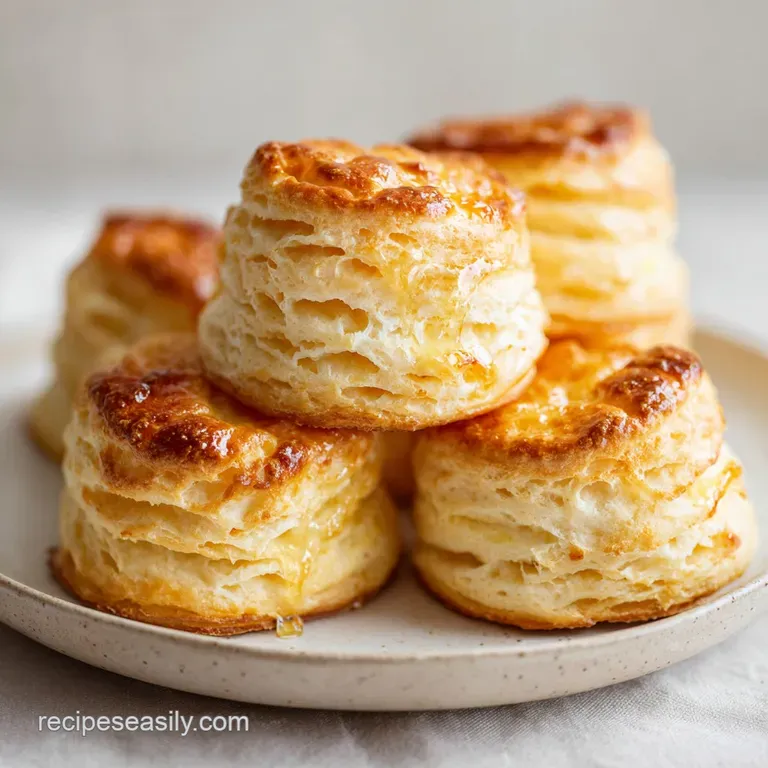
Even experienced cooks have a bad batch now and then. Usually, it's a temperature issue or a handling mistake.
Troubleshooting Common Issues
| Issue | Solution |
|---|---|
| Why Your Biscuits Stay Flat | If your biscuits didn't rise, the most common culprit is expired baking powder or over handling the dough. When you over knead, you develop too much gluten, which traps the air bubbles and prevents th |
| Why the Texture is Tough | A "bready" or tough biscuit usually comes from too much flour or over mixing. If the dough felt stiff while you were patting it, you might have added too much flour to the work surface. According to [ |
| Why the Bottoms are Burnt | This happens if your baking sheet is too thin or if the oven rack is too low. Using a parchment lined heavy duty sheet helps distribute the heat more evenly. |
Common Mistakes Checklist
- ✓ Did you keep the butter chilled until the last second?
- ✓ Did you avoid twisting the cutter when making circles?
- ✓ Did you stop mixing as soon as a shaggy mass formed?
- ✓ Did you allow the biscuits to touch on the baking sheet?
- ✓ Did you preheat the oven fully to 425°F?
Alternative Ingredient Choices
You can definitely tweak this recipe to fit your needs, but some changes alter the result more than others. If you're swapping the fat, keep in mind that butter provides the most flavor, while shortening provides the most consistent "lift" because it has a higher melting point.
For those who want a saltier, more savory profile, try adding a pinch of garlic powder or some finely grated sharp cheddar cheese into the dry flour mix. Just be careful not to add too many heavy mix ins, or they will weigh down the dough and stop the rise.
If you are scaling this recipe, be mindful of the mixing time. If you double the batch, it's actually easier to over mix the dough. I recommend working in two separate batches rather than one giant bowl to maintain the "cold chain" and avoid over working the gluten.
Storage and Freshness Tips
Biscuits are best eaten within 20 minutes of leaving the oven, but we've all had leftovers. The trick to keeping them from turning into bricks is all in the moisture.
Fridge Storage: Store leftovers in an airtight container for up to 3 days. To reheat, don't use the microwave, it makes them rubbery. Instead, pop them in a 350°F oven for 5 minutes.
Freezing Guide: You can freeze these in two ways. You can freeze the baked biscuits for up to 2 months, or you can freeze the unbaked circles on a tray before transferring them to a bag.
Unbaked biscuits are actually the best way to have "instant" fresh biscuits in the morning; just bake them straight from the freezer, adding 2-3 minutes to the cook time.
Zero Waste: Never throw away the dough scraps! Gather the remaining bits, gently pat them together (don't overwork them), and cut a few smaller "scrap biscuits." They're often the tastiest because they've been handled a bit more, making them denser and more buttery.
Perfect Pairings for Biscuits
The beauty of this grandmas southern buttermilk biscuits recipe is its versatility. For a classic breakfast, split them open and top with salted butter and blackberry jam. The tartness of the berries cuts through the richness of the butter perfectly.
If you're doing a savory brunch, top them with a creamy sausage gravy. The fluffy interior of the biscuit acts like a sponge, soaking up the gravy without falling apart. Another great option is a fried egg with a runny yolk, which creates its own sauce for the biscuit.
For those who prefer a sweet treat, try slicing the biscuits and grilling them on a skillet with a bit of cinnamon sugar. It turns a breakfast staple into a dessert like experience that's reminiscent of a cinnamon roll but with that signature buttermilk tang.
Dispelling Baking Myths
There's a lot of "old wives' tales" when it comes to biscuits. Let's clear a few up.
One common myth is that you need to "chill the dough for an hour" before baking. While chilling can help if your kitchen is incredibly hot, it's not necessary for this recipe. In fact, if you let the baking powder sit too long in the moist dough, you can actually lose some of the lift.
Another misconception is that you need a specialized "biscuit flour" to get height. While low protein flours help, the height comes from the steam and the chemical reaction of the baking powder. As long as you don't over mix your all purpose flour, you'll get a great rise.
Finally,, some people think that rubbing the butter in with your hands is the best way. Honestly, your hands are too warm. Using a pastry cutter or forks keeps the butter colder, which is the only way to ensure those shatter crisp layers.
This grandmas southern buttermilk biscuits recipe is a timeless classic for a reason. It's simple, honest, and relies on technique over fancy gadgets. Once you get the feel for that shaggy dough and the smell of the mahogany crust, you'll never go back to the canned stuff.
Trust the process, keep it cold, and enjoy every buttery bite.
Recipe FAQs
What is the secret to the best biscuit?
Keep your ingredients ice-cold and handle the dough as little as possible. Cold butter creates steam pockets for height, while minimal mixing prevents the biscuits from becoming tough.
Is it true I need cream of tartar for buttermilk biscuits?
No, this is a common misconception. This recipe relies on the reaction between baking powder and the natural acidity of the buttermilk to get a great lift.
What makes southern biscuits different?
The combination of buttermilk and a specific folding technique. This creates a tender, tangy crumb and distinct flaky layers that you won't find in standard biscuits.
What is the secret ingredient in biscuits?
Full-fat chilled buttermilk. It provides a rich tang and the necessary acid to activate the baking powder for a taller rise.
Why did my biscuits stay flat?
You likely over-handled the dough or used expired baking powder. Over-mixing develops too much gluten, which traps air bubbles and stops the dough from climbing.
How to cut biscuits without losing the rise?
Press the cutter straight down and lift it straight up. Avoid twisting the cutter, as this seals the edges of the dough and prevents the biscuit from rising.
What should I serve with these biscuits?
They pair perfectly with creamy, savory sides. I highly recommend serving them with some butter beans for a classic comfort meal.
Southern Buttermilk Biscuits: Fluffy