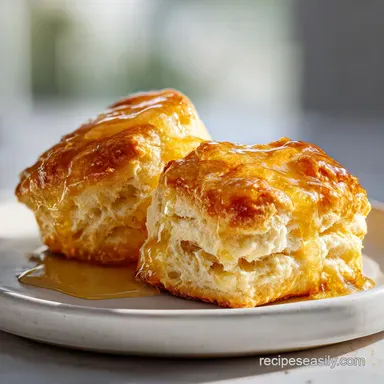
3-Ingredient Buttermilk Biscuits with Honey Butter
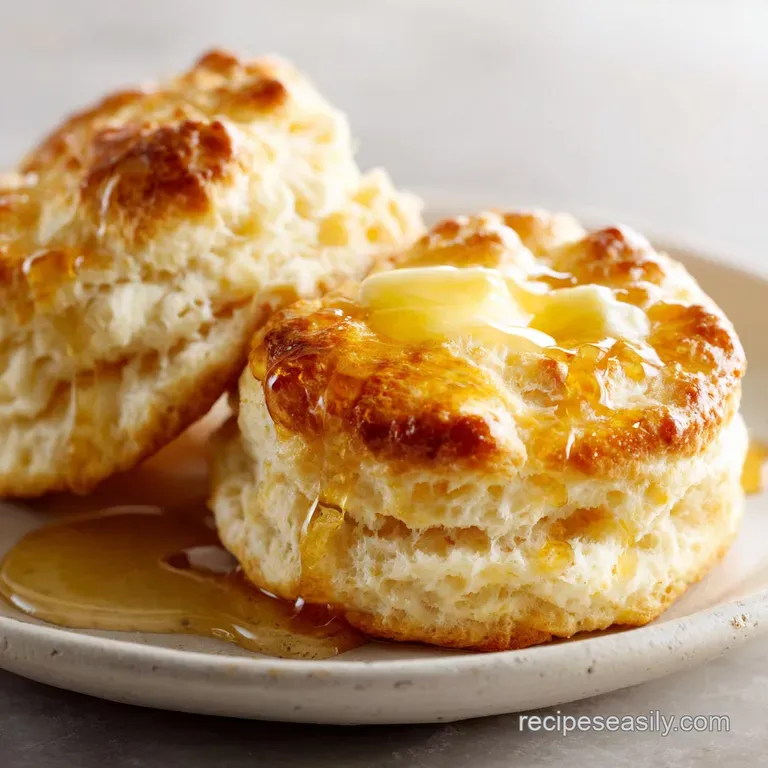
- Time: 15 min active + 15 min bake = 30 min total
- Flavor/Texture Hook: Flaky, mahogany crust with a velvety honey glaze
- Perfect for: Sunday morning brunch or a cozy treat for guests
The scent of browning butter and toasted flour is basically a hug in food form. In the South, biscuits aren't just a side dish, they're a language of hospitality and home. Growing up, the sound of a biscuit cutter hitting the counter was the official alarm clock for a slow Saturday morning.
This is the only 3 Ingredient Buttermilk Biscuit with Honey Butter recipe you'll ever need. I've spent a lot of time messing with ratios, but honestly, keeping it simple is what makes this work. You don't need a fancy pastry degree to get that shatter crisp exterior and soft center.
Expect a process that's fast and a bit messy, but totally worth it. We're skipping the over complicated steps and focusing on the few things that actually matter for a high rise. Trust me on this, the honey butter at the end is what takes it from a basic breakfast to something special.
3 Ingredient Buttermilk Biscuit with Honey Butter
The Hidden Logic
Most people think more ingredients mean more flavor, but with biscuits, too much "stuff" just weighs down the dough. When you add too many additives, you mess with the hydration, and that's when you get those sad, heavy pucks instead of fluffy clouds.
Another huge mistake is the "Butter Bomb" fallacy. Some folks think adding extra butter or letting it soften makes the dough easier to work with. In reality, that's a recipe for disaster. If the butter melts before it hits the oven, you lose all those beautiful layers.
Then there's the gluten trap. If you stir the dough until it's smooth, you're basically making a bagel. We want the dough to be just barely combined. A few lumps are your best friends here because they turn into steam vents that push the biscuit upward.
Why it Actually Rises
- Cold Fat Pockets: Tiny bits of cold butter melt rapidly in the oven, creating steam that pushes the dough up.
- Acid Reaction: The buttermilk reacts with the leavening in the self rising flour to create instant lift.
- Thermal Shock: Moving the dough from a cold bowl to a 450°F oven causes a sudden expansion of gases.
| Method | Prep Time | Texture | Best For |
|---|---|---|---|
| Fast (3 Ing) | 15 mins | Lighter, Airy | Quick Breakfasts |
| Classic | 45 mins | Dense, Crumbly | Traditional Feasts |
Component Analysis
| Ingredient | Science Role | Pro Secret |
|---|---|---|
| Self Rising Flour | Structure + Lift | Use a spoon to scoop, don't pack the cup |
| Cold Butter | Layering | Keep it in the fridge until the second you need it |
| Buttermilk | Tenderizer | Cold liquid prevents butter from melting early |
Essential Ingredient Breakdown
For the biscuits, you only need three things. For the glaze, we use a couple of pantry staples.
For the Biscuits
- 2 cups (250g) self rising flour Why this? Pre mixed with baking powder and salt for simplicity.
- 1/2 cup (115g) cold unsalted butter, cubed Why this? Creates the steam pockets for flakiness.
- 3/4 cup (180ml) cold buttermilk Why this? Adds tang and softens the gluten.
For the Honey Butter Glaze
- 2 tbsp (28g) melted unsalted butter
- 1 tbsp (21g) honey
| Original Ingredient | Substitute | Why It Works |
|---|---|---|
| Self Rising Flour | AP Flour + 1.5 tsp baking powder + 0.5 tsp salt | Mimics the leavening. Note: Takes more measuring |
| Buttermilk | Milk + 1 tbsp lemon juice (let sit 5 min) | Mimics acidity. Note: Slightly less tangy |
| Honey | Maple Syrup | Similar viscosity and sweetness. Note: Distinct maple flavor |
Right then, if you're wondering about flour, King Arthur Baking has a great breakdown of how different flours affect rise. For this recipe, the lower protein in self rising flour is what keeps it from getting chewy.
Required Kitchen Tools
You don't need a stand mixer for this. In fact, I'd advise against it because it's too easy to over mix. Just grab a large mixing bowl and a sturdy fork or a pastry cutter.
You'll also need a baking sheet and a 2.5 inch biscuit cutter. If you don't have a cutter, a glass rim works, but don't twist it. Twisting seals the edges and stops the biscuit from rising. Finally, a small whisk for the glaze and a pastry brush will make the finish look professional.
Step by step Process
Let's crack on. The goal here is speed and cold temperatures.
- Preheat the oven to 450°F (230°C). Note: High heat is mandatory for the rise.
- Combine self rising flour and cold cubed butter in a large bowl. Use a fork or pastry cutter to work the butter until it looks like coarse crumbs with pea sized lumps.
- Pour in the cold buttermilk. Gently fold the dough with a spatula just until the flour is moistened. Stop as soon as it holds together.
- Turn the dough onto a lightly floured surface. Gently pat it down to a 1 inch (2.5cm) thickness.
- Press the 2.5 inch cutter straight down without twisting. Place them on a baking sheet so they are just touching.
- Bake for 12-15 minutes until the tops are mahogany colored.
- Whisk together melted butter and honey in a small bowl.
- Brush the honey butter glaze over the biscuits immediately after they leave the oven.
Chef's Note: For an even better rise, pop the shaped biscuits in the freezer for 5 minutes before they go in the oven. This extra chill ensures the butter stays solid until the last second.
Fixing Common Biscuit Problems
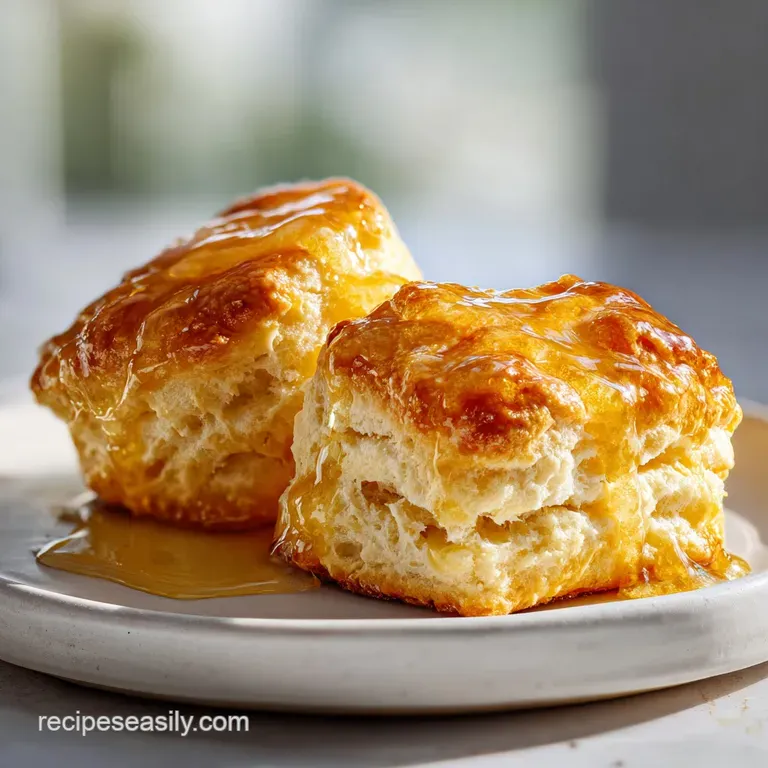
If your biscuits aren't coming out right, it's usually a temperature or handling issue.
Why Biscuits Stay Flat
This usually happens if the butter was too warm or the dough was over mixed. When butter melts into the flour instead of staying in lumps, you lose the steam pockets.
Dough Too Sticky
Too much buttermilk or a humid day can make the dough tacky. Don't keep adding flour, as that makes them tough. Just use floured hands to pat it down.
Pale Bottoms
Your baking sheet might be too thick or your oven rack too high. Try moving the rack to the lower third of the oven for a better sear.
| Problem | Root Cause | Solution |
|---|---|---|
| Heavy/Dense | Over mixing | Fold gently; leave some lumps |
| No Rise | Expired leavening | Check the date on your self rising flour |
| Dry Texture | Too much flour | Add 1 tbsp buttermilk next time |
Common Mistakes Checklist
- ✓ Did you avoid twisting the biscuit cutter?
- ✓ Is the butter still cold when it enters the oven?
- ✓ Did you stop mixing the moment the flour disappeared?
- ✓ Is the oven fully preheated to 450°F?
Tasty Flavor Twists
Once you've got the base down, you can play around. For a savory version, fold in a tablespoon of chopped fresh rosemary and a pinch of garlic powder. These pair perfectly with my Oven Fried Chicken recipe.
If you want a kick, mix a pinch of cayenne pepper or a drizzle of sriracha into the honey butter glaze. For those looking for something a bit different, swapping the buttermilk for plain Greek yogurt creates a denser, more tangy biscuit that's surprisingly filling.
If you're into honey flavored treats, you should also try this Honey Bun Cake, which uses a similar sweet butter profile.
Scaling Your Batch
If you're just cooking for yourself, you can halve the recipe. Use 1 cup of flour, 1/4 cup butter, and 6 tbsp buttermilk. Use a smaller baking sheet and reduce the bake time by about 2 minutes.
When doubling or tripling for a crowd, don't just multiply everything in one giant bowl. Work in batches. If you overload the bowl, the butter will warm up before you can finish mixing, and you'll lose that flakiness. Also, keep the oven temperature at 450°F, but give them a few extra minutes if the pan is crowded.
| Quantity | Flour | Butter | Buttermilk | Note |
|---|---|---|---|---|
| Half (4) | 1 cup | 1/4 cup | 6 tbsp | Reduce time 20% |
| Double (16) | 4 cups | 1 cup | 1.5 cups | Work in 2 batches |
Storage And Reheating Tips
Fresh is always best, but leftovers happen. Store any remaining biscuits in an airtight container at room temperature for 2 days, or in the fridge for up to 5 days.
For the freezer, wrap them individually in foil and place them in a freezer bag for up to 3 months. To reheat, don't use the microwave, it makes them rubbery. Instead, pop them in a 350°F oven for 5-8 minutes until they're warm and the edges crisp up again.
To avoid waste, if you have a bit of leftover buttermilk, use it as a marinade for chicken or whisk it into pancake batter for extra fluff.
Serving Your Fresh Biscuits
These are brilliant served warm. The honey butter glaze is a start, but they also work as a base for savory toppings like sausage gravy or poached eggs.
Quick Decision Shortcut:
- If you want a dessert vibe, add a slice of fresh strawberry on top.
- If you want a full meal, serve alongside a side of grits.
- If you're in a rush, just eat them warm right off the tray.
A Couple of Myths First, some people say you need a rolling pin for layers. Actually, patting the dough by hand is better because it doesn't squash the air pockets. Second, there's a myth that you should "knead" biscuit dough. Never do this.
Kneading develops gluten, which turns a flaky biscuit into a tough piece of bread.
Recipe FAQs
Why are my biscuits not rising?
Stop twisting the biscuit cutter. Pressing straight down preserves the airy layers, while twisting seals the edges and prevents the dough from climbing.
Can I use room temperature butter?
No, keep the butter ice-cold. Cold butter creates steam pockets during baking at 450°F, which is what gives the biscuits their signature flaky height.
How to store leftover biscuits?
Place them in an airtight container. They stay fresh at room temperature for 2 days or in the fridge for up to 5 days.
How to reheat biscuits without them becoming rubbery?
Bake in a 350°F oven for 5-8 minutes. Avoid the microwave, as it destroys the texture; the oven restores the crisp edges.
Is it true that over-mixing the dough doesn't matter?
No, this is a common misconception. Over-mixing develops too much gluten, resulting in tough, dense biscuits rather than light and fluffy ones.
How to achieve the perfect "pea-sized" butter lumps?
Cut cold butter into the flour using a fork or pastry cutter. Work the mixture only until it resembles coarse crumbs, leaving some small chunks of butter intact for flakiness.
What is the best side dish to pair with these?
Serve them alongside a savory protein. If you enjoyed the rich buttery flavor here, see how a similar butter-based profile works in this garlic butter salmon.
Buttermilk Biscuits in 30 Minutes