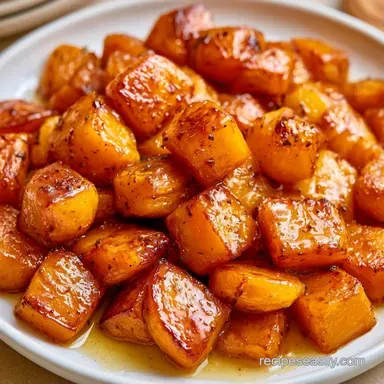
Butternut Squash Casserole with Panko Crust
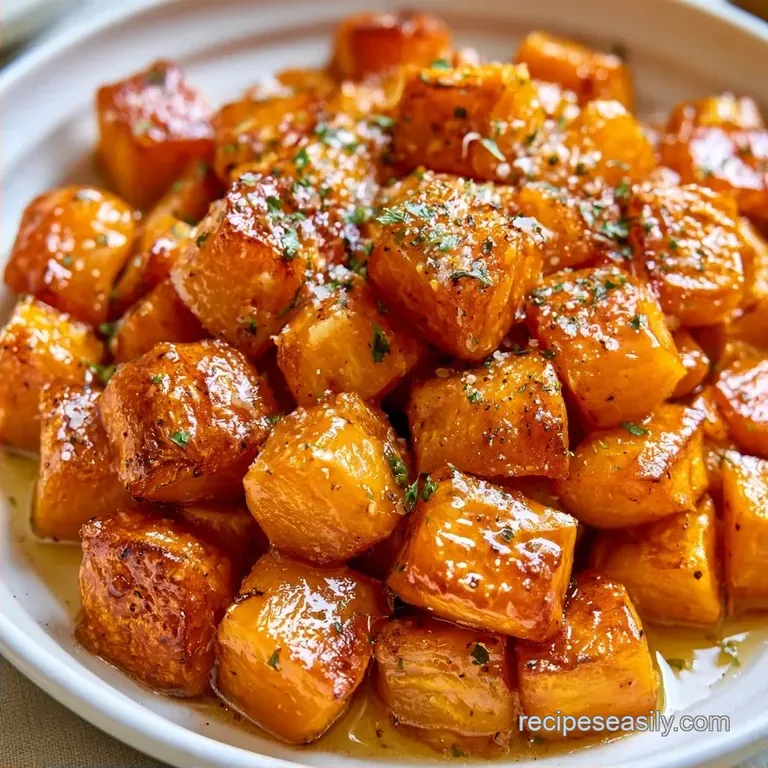
- Time: 20 min active + 60 min cook
- Flavor/Texture Hook: Creamy interior with a buttery, toasted Panko crust
- Perfect for: Holiday dinner sides or a cozy vegetarian main
The smell of roasted squash hitting a hot pan is honestly one of the best parts of autumn. It's that nutty, sweet aroma that tells you the house is finally warm. But let's be real, most people treat squash like a chore, boiling it until it's a pale, tasteless mash.
Forget the idea that boiling is the fastest way to get a soft texture. Boiling actually dilutes the flavor and dumps too much water into your dish, which is why so many recipes end up as a soupy mess. I used to do this until I realized that high heat is the real hero here.
This Butternut Squash Casserole is about contrast. You get a dense, rich base balanced by a crust that actually crackles when you scoop into it. It's a hearty dish that holds its shape and brings a bit of elegance to the table without needing a lot of fancy tools.
Butternut Squash Casserole Made Simple
The trick here is the roasting process. Most people skip this, but it's the only way to ensure your Butternut Squash Casserole doesn't slide off the plate.
Concentrated Flavor: Roasting evaporates water, which makes the natural sugars brown and intensify. Better Texture: By avoiding the pot of water, the squash stays dense and creamy rather than watery.
| Base Method | Prep Time | Texture | Best For |
|---|---|---|---|
| Boiled | 15 mins | Soft/Watery | Quick mash |
| Roasted | 30 mins | Dense/Rich | Casseroles |
Quick Recipe Specs
Let's dive into the specifics. This dish fits perfectly in a standard 9x13-inch pan, a reliable staple in any home kitchen.
To serve 8 people, plan for about 20 minutes of chopping and preparation. The oven takes over for 60 minutes, most of which is hands off time. I typically get the roasting started while I tidy up the kitchen to keep the process feeling effortless.
Gathering Your Essentials
I've found that the specific types of fat used make a significant impact. Steer clear of low-fat substitutes, as the heavy cream and butter provide the essential body for this Butternut Squash Casserole.
| Ingredient | Role | Substitutes |
|---|---|---|
| Butternut Squash | Main base | Pumpkin or Hubbard squash |
| Heavy Cream | Richness | Full fat coconut milk |
| Parmesan Cheese | Salt/Umami | Pecorino or Gruyère |
| Panko Crumbs | Texture | Regular breadcrumbs (crunchier) |
For the base, you'll need: - 3 lbs butternut squash, peeled and cubed Why this? Balanced sweetness and holds shape - 2 tbsp olive oil - 1 tsp kosher salt - 1/2 tsp black pepper - 4 tbsp unsalted butter, melted - 1/2 cup heavy cream - 1/2 cup grated Parmesan cheese - 2 cloves garlic,
Minced - 1 tsp dried thyme - 1/4 tsp ground nutmeg
For the topping: - 1/2 cup Panko breadcrumbs - 2 tbsp unsalted butter, melted - 1 tbsp fresh parsley, chopped
The richness of this dish depends on the fat content. If you want a lighter option, you might enjoy this cheesy squash side, but stick to the full fat cream for this particular recipe.
| Original Ingredient | Substitute | Why It Works |
|---|---|---|
| Heavy Cream | Coconut Milk | Similar fat. Note: Adds a slight coconut flavor |
| Panko | Breadcrumbs | Similar crunch. Note: Panko is lighter/airier |
| Parmesan | Gruyère | Great melt. Note: Less salty than Parmesan |
Tools You'll Need
Basic kitchen gear is all you need to get this done. I suggest using a standard baking sheet lined with parchment paper, which saves me from scrubbing charred squash off the pan later.
A food processor is the quickest way to achieve the right consistency, but a hand masher works well if you prefer a few rustic chunks. I actually like the texture of the chunks; it makes the Butternut Squash Casserole feel more home cooked.
Key Cooking Steps
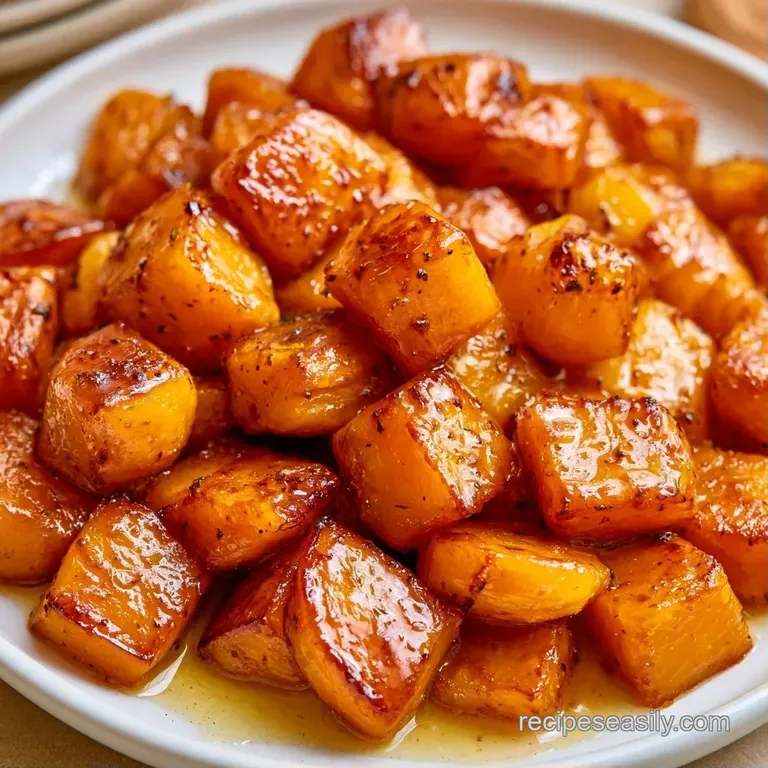
Time to dive into the cooking process. Keep a close watch on the squash in the oven, as your oven's hot spots can easily push the vegetables from "perfectly browned" to "burnt."
Phase 1: The Flavor Foundation
- Heat your oven to 400°F (200°C).
- On a parchment lined baking sheet, toss the cubed squash with pepper, salt, and olive oil. Note: Arrange them in a single layer so they roast instead of steam
- Roast for 25-30 minutes until the flesh is tender and the edges turn a deep mahogany.
- Move the roasted squash into a bowl or food processor. Mash until mostly smooth, but keep a few small pieces for added texture.
Phase 2: Creating the Creamy Base
- Mix in the minced garlic, thyme, nutmeg, Parmesan, heavy cream, and melted butter.
- Whisk the ingredients until the mixture reaches a cohesive, creamy consistency.
- Pour the Butternut Squash Casserole mixture into a greased 9x13-inch baking dish.
- Level the top with a spatula to ensure the dish bakes evenly.
Phase 3: The Finishing Bake
- In a small bowl, combine the chopped parsley, melted butter, and Panko crumbs.
- Evenly distribute the crumbs over the top of the casserole.
- Bake for another 20-30 minutes until the topping is golden and crisp.
Chef's Note: For a more complex flavor, try adding a tiny pinch of cinnamon along with the nutmeg. It enhances the earthiness of the squash without making the dish taste like a dessert.
Fixing Common Issues
Even simple recipes can run into issues, typically stemming from the moisture content of the squash.
Solving a Thin Base
If the mash seems too watery, you may have overcrowded the roasting pan, causing the squash to steam. To correct this, place the puree in a saucepan and simmer over medium heat for 5 minutes to reduce the liquid before mixing in the cream.
Boosting the Flavor
Squash often absorbs a lot of salt. If the Butternut Squash Casserole tastes dull, try adding a teaspoon of apple cider vinegar or a squeeze of fresh lemon juice. The acid balances the rich cream and brings out the flavor of the Parmesan.
Avoiding a Mushy Topping
A soggy crust usually happens if the oven temperature is too low or the crumbs are added too early. Confirm the oven has reached 400°F and that the Panko is well coated in butter before topping the squash.
| Problem | Fix |
|---|---|
| Base is too watery | Simmer puree in a pan for 5 mins |
| Bland taste | Add a splash of lemon juice |
| Topping isn't brown | Broil for 2-3 minutes at the end |
Tasty Flavor Twists
After you've mastered the base Butternut Squash Casserole, feel free to customize the taste. I personally like adding salty or spicy elements to balance the squash's natural sweetness.
The Savory Route: Stir in crumbled feta or goat cheese before putting it in the oven. This provides a sharp contrast that works well if this Butternut Squash Casserole is your main course.
The Nutty Crunch: Swap half of the Panko for chopped pecans or walnuts to give the topping a richer, earthier profile. If you want something even more velvety, take a look at my creamy squash soup for another way to use your fall harvest.
Decision Shortcut: - Brighter flavor? → mix in 1 tsp lemon zest - More depth? → add 1/2 tsp smoked paprika - Nutty finish? → use crushed pecans in the topping
Storing and Freezing
This Butternut Squash Casserole keeps surprisingly well. I usually make a double batch because the leftovers are great for lunch the next day.
Fridge Guidelines: Store in an airtight container for up to 4 days. The topping will soften in the fridge, which is normal.
Freezing Instructions: You can freeze the mashed base (before adding the topping) for up to 3 months. Thaw it in the fridge overnight, then add the Panko topping and bake as usual.
Reheating: Avoid the microwave if you can, as it makes the squash gummy. Instead, put it in a 350°F (180°C) oven for 15-20 minutes until the center is hot and the top crisping up again.
Best Ways to Serve
This dish is a versatile player. While it's a classic side, it can easily be the star of the show.
The Feast Pairing: Serve it alongside a roasted turkey or a glazed ham. The richness of the Butternut Squash Casserole cuts through the saltiness of the meat.
The Vegetarian Spread: Pair it with a crisp arugula salad with a lemon vinaigrette. The bitterness of the greens balances the buttery nature of the squash.
Presentation Tip: Don't just scoop it out. Let the casserole rest for 10 minutes after it comes out of the oven. This allows the starches to set, so you get a clean slice that looks great on the plate.
Debunking Squash Myths
There is a common belief that peeling squash is the hardest part of the process. Honestly, if you microwave the whole squash for 2 minutes before cutting, the skin slides right off with a vegetable peeler.
Another myth is that you need to use a specific "casserole squash." Any winter squash works, though butternut is the gold standard because it has the least amount of stringy fiber.
Scaling Your Batch
If you're cooking for a smaller crowd, you can easily halve this recipe. Use an 8x8-inch pan and reduce the baking time by about 20%. If you're doubling it for a huge party, don't double the salt and spices exactly - go for 1.5x first and taste it.
For large batches, I recommend roasting the squash in two separate pans. If you crowd them, they'll steam, and you'll end up with that watery texture we're trying to avoid.
Right then, that's how you make a Butternut Squash Casserole that actually tastes like something from a high end bistro. It's all about that roast then mash method. Once you stop boiling your vegetables, your side dishes will change forever. Enjoy your Butternut Squash Casserole!
Recipe FAQs
What common mistakes should I avoid when making this casserole?
Overcooking the squash during the roasting phase can lead to a mushy texture. Ensure you roast at 400°F just until the edges are mahogany colored for the best consistency.
How do I freeze leftover casserole?
Freeze the mashed base before adding the Panko topping for up to 3 months. Thaw it overnight in the fridge, then apply the crumbs and bake.
Can I use this mixture to make a soup instead?
Yes, adding more liquid to the mashed base creates a rich puree. If you enjoy these flavors, you might like our fall squash soup for a lighter alternative.
Is it true that butternut squash skin is edible and doesn't need peeling?
Surprisingly, no. The skin is too tough and bitter, so you must peel the squash before cubing it for this recipe.
Butternut Squash Casserole