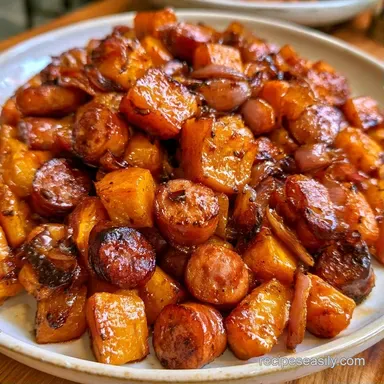
Roasted Sheet Pan Butternut Squash and Sausage
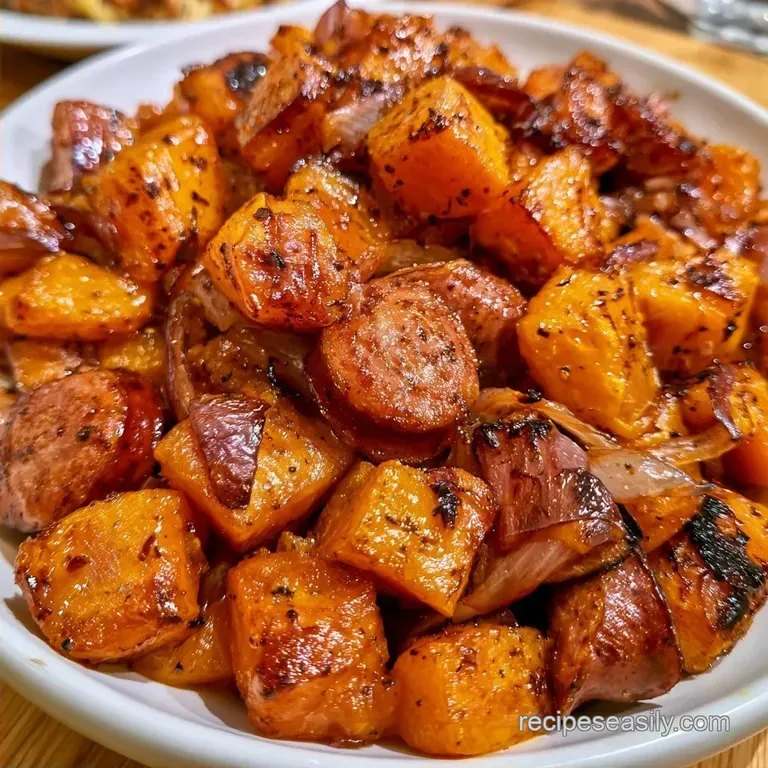
- Time: 10 minutes prep + 30 minutes in the oven
- Taste Profile: Sweet, charred edges paired with salty, snappy sausage
- Perfect for: Hectic weeknights or fall meal planning
The aroma of caramelized maple and savory sausage is the quintessential scent of New England in the fall. Traditionally, harvest dinners required long hours of scrubbing root vegetables and watching over a simmering pot a slow, shared ritual marking the season's shift.
While we may not have that kind of time today, the craving for that comforting, earthy mood remains. Shifting the entire meal to one pan preserves the essence of a harvest feast without the exhaustion.
This Sheet Pan Butternut Squash approach delivers those deep brown edges and soft centers effortlessly. The contrast between the sugary squash and salty sausage is a timeless pairing.
Why This Sheet Pan Butternut Squash Works
High Heat: Roasting at 200°C blasts moisture away quickly, which stops the vegetables from steaming.
Maple Glaze: The sugar in the syrup browns quickly in the oven, creating a caramelized crust on the squash.
| Method | Time | Texture | Best For |
|---|---|---|---|
| Sheet Pan | 45 mins | Charred & Crisp | Fast weeknights |
| Stove Pot | 60 mins | Soft & Stewed | Stew like sides |
The trick to getting a good sear is ensuring the pieces aren't touching. When they have room to breathe, the hot air circulates, and you get those dark, flavorful edges. If you love these flavors but want something more liquid, you might enjoy a butternut squash soup for a rainy day.
Simple Tools You'll Need
No professional gear is necessary for this recipe. The real MVP is a large, rimmed baking sheet. Be sure to use a full sized one instead of a small jelly roll pan so you don't crowd the ingredients.
I find it easiest to toss everything in a large mixing bowl. Coating the squash in oil and syrup is much simpler in a bowl than trying to mix it directly on the baking sheet. A quality knife and a prep surface are the only other essentials.
The Building Blocks
Select a medium butternut squash for the base; look for one with a dull finish and a substantial weight for its size. Opt for pre-cooked sausages, such as apple chicken or smoked Italian, to ensure they brown beautifully without releasing too much raw grease.
A red onion provides a pungent balance to the maple's sweetness, while smashed garlic cloves transform into creamy, buttery morsels during roasting. I recommend dried rosemary for this recipe, as fresh needles can scorch too quickly at higher heat.
- 2 lbs (900g) butternut squash, peeled and cubed Why this? Holds its structure well when roasted
- 1 lb (450g) smoked Italian or Apple chicken sausage, sliced into rounds Why this? Contributes savory fat and salt to the vegetables
- 1 medium red onion, cut into 1 inch chunks Why this? Creates a sweet and tangy contrast
- 3 cloves garlic, smashed and peeled Why this? Roasts into a buttery consistency
- 3 tbsp extra virgin olive oil Why this? Stable at high roasting temperatures
- 1 tbsp maple syrup Why this? Promotes a rich, caramelized crust
- 1 tsp dried rosemary or thyme Why this? Adds grounding, earthy flavors
- 1 tsp kosher salt Why this? Enhances the vegetable's natural sweetness
- 1/2 tsp cracked black pepper Why this? Provides a hint of spice
Substitute Ideas:
- Butternut Squash: Kabocha squash (for a denser, nuttier flavor)
- Sausage: Chorizo or Kielbasa (for more heat or smokiness)
- Maple Syrup: Honey (offers a floral note and thicker texture)
- Rosemary: Sage (a traditional fall alternative)
Recipe Specs
Here are the essential details. I've kept this brief so you can get everything into the oven without delay.
- Prep time:10 minutes
- Cook time:30 minutes
- Total time:45 minutes
- Yield: 6 servings
Cooking Secret: To create a smoother emulsion with the pan juices, place your butter in the freezer for 10 minutes before stirring in a final knob at the end.
From Prep to Plate
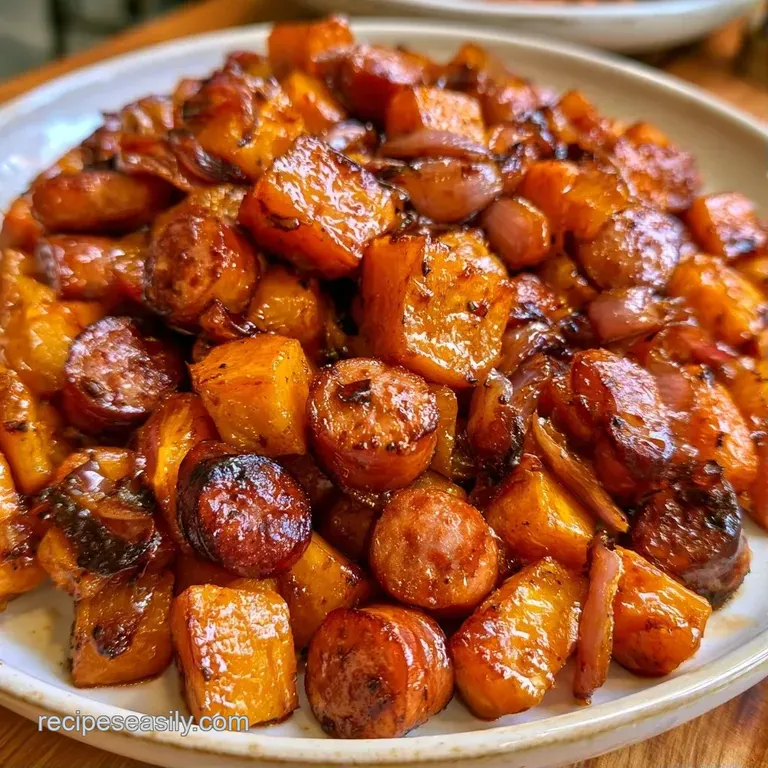
Phase 1: The Prep
Get your oven warmed to 400°F (200°C). Line a large rimmed baking sheet with parchment paper to avoid scrubbing away burnt maple syrup later. In a big mixing bowl, combine the cubed butternut squash, sliced sausage, red onion, and smashed garlic.
Phase 2: The Coating
Drizzle the olive oil and maple syrup over the mixture, then add the dried herbs, salt, and black pepper. Toss everything well with a spatula or your hands until the squash is glossy and every piece is coated in herbs.
Phase 3: The Layout
Spread the ingredients across your prepared baking sheet in a single layer. Make sure there is enough space between the pieces; if the pan is too crowded, use two trays to prevent the vegetables from becoming soggy.
Phase 4: The First Roast
Place the pan in the oven and roast for 15 minutes. Wait until you can smell the sausage browning before opening the oven door.
Phase 5: The Flip
Pull the pan out and use tongs to flip the squash cubes and toss the rest of the ingredients. This ensures the bottom sides develop as much color as the tops.
Phase 6: The Final Roast
Return the tray to the oven for another 15 minutes. Cook until the sausage is deeply browned and the squash edges are charred.
Phase 7: The Rest
Remove the pan from the oven. Let the dish rest for 5 minutes, which allows the juices to settle and the flavors to fully meld before serving.
What Can Go Wrong
Soggy Vegetables
If your squash feels more boiled than roasted, you probably overcrowded the pan. When the pieces are too close, they release moisture that can't evaporate, creating steam.
Burnt Maple Glaze
Maple syrup has a high sugar content and can burn if the oven is too hot or the pieces are too small. If you see black spots too early, lower the temp by 10 degrees next time.
Hard Squash Centers
This usually happens if the cubes are cut into inconsistent sizes. Some small pieces burn while the large ones stay raw. Keep your dice around 1 inch for even cooking.
| Problem | Root Cause | Solution |
|---|---|---|
| Sogginess | Overcrowded pan | Use two baking sheets |
| Burnt edges | Too much syrup | Reduce syrup or lower temp |
| Undercooked | Uneven chopping | Cube squash into 1 inch pieces |
If you find you have too much squash left over, you can always blend the roasted pieces into a butternut squash pasta sauce for tomorrow's lunch.
How to Store and Keep Fresh
Store any leftovers in a sealed container in the fridge for up to 4 days. The sausage keeps its snap well, though the squash will soften slightly.
To reheat, avoid the microwave if you can. Put the leftovers back on a baking sheet at 350°F (180°C) for about 10 minutes. This brings back the crisp edges that the microwave usually destroys.
For zero waste, don't toss the squash peels and the seeds. Toss the peels into a freezer bag with onion scraps to make a veggie stock later. You can roast the seeds with a bit of salt and oil at 325°F (160°C) for 15 minutes for a crunchy snack.
Creative Twists and Swaps
This Sheet Pan Butternut Squash base is very flexible. If you want a lighter version, try Sheet Pan Butternut Squash and Chicken by using diced breast meat, though you'll need to add an extra 5 minutes to the first roast.
For a vegetarian take, swap the sausage for chickpeas or halloumi cheese. The halloumi browns beautifully and provides that same salty punch. Adding Brussels sprouts to the mix transforms this into a full blown autumn feast.
If you're feeling fancy, toss some gnocchi onto the pan during the last 15 minutes of roasting. The gnocchi will soak up the sausage fat and maple syrup, becoming crispy on the outside and pillowy inside.
| Goal | What to change |
|---|---|
| More Heat | Add red pepper flakes |
| More Tartness | Squeeze fresh lemon over top |
| Earthier Taste | Swap rosemary for sage |
Pairing Ideas
Since this dish is quite rich and sweet, you need something to cut through that weight. A simple arugula salad with a sharp lemon vinaigrette is the go to pairing here.
If you want a heavier meal, serve the Sheet Pan Butternut Squash over a bed of quinoa or farro. The nutty grains soak up the pan drippings.
For a more traditional feel, a side of crusty sourdough bread is great for mopping up the leftover maple sausage glaze. Just be sure to toast the bread with a bit of garlic butter to match the flavors on the tray.
Recipe FAQs
What is the best way to cook squash on a sheet pan?
Toss cubed squash with oil, maple syrup, and seasonings. Spread the mixture in a single layer on a parchment lined pan and roast at 400°F, flipping halfway through for even browning.
Do you take the skin off butternut squash before roasting?
Yes, peel the skin first. The skin remains tough and does not soften enough during a high heat roast to be pleasant to eat.
Is it true that butternut squash must be boiled before roasting?
That's a myth. Roasting from raw at high heat preserves the natural sugars and creates a caramelized exterior that boiling would ruin.
How long to bake butternut squash at 400 degrees?
Roast for a total of 30 minutes. Bake for 35 minutes, toss the ingredients with tongs, and then roast for another 15 minutes until the edges are charred.
Which sides pair well with butternut squash for dinner?
Hearty grains or green vegetables work best. This meal pairs nicely with a broccoli rice side for a complete, comforting dinner.
Are there common mistakes when roasting these vegetables?
Overcrowding the pan is the biggest error. If the pieces touch too closely, they steam instead of roast, preventing the development of mahogany, charred edges.
Sheet Pan Butternut Squash