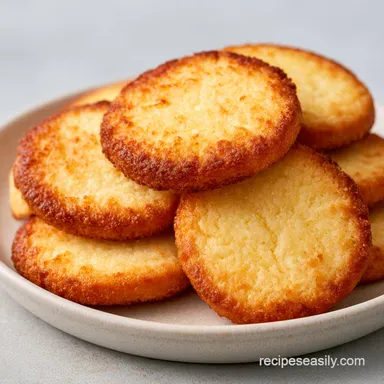
Butter Cookies: Velvety and Classic
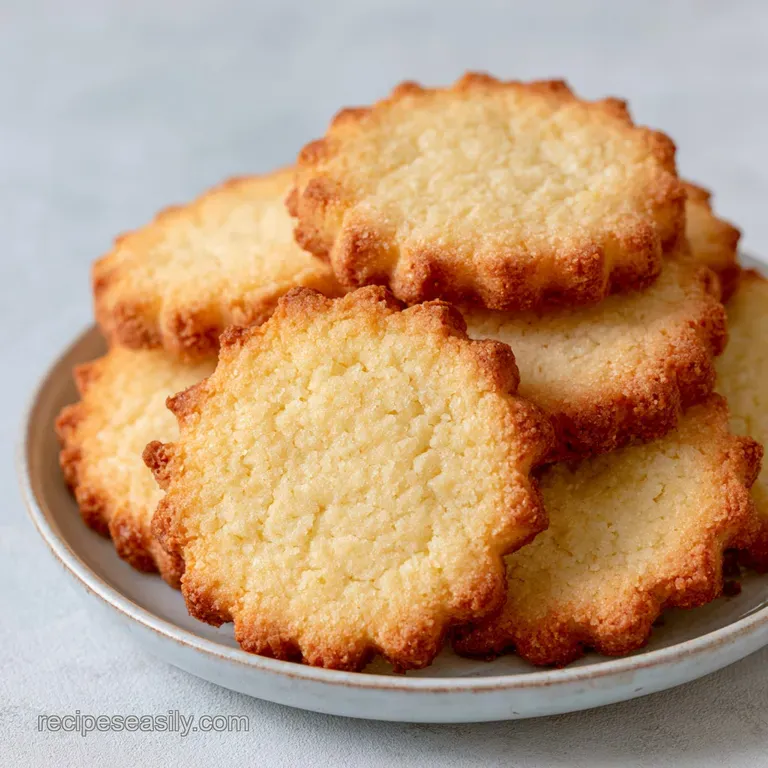
- Time: 15 min active + 30 min chilling = Total 57 min
- Flavor/Texture Hook: Velvety crumb with a clean, buttery snap
- Perfect for: Holiday platters, afternoon tea, or beginner bakers
- The Only Butter Cookies Recipe You Need
- Deep Dive Into Ingredients
- Quick Specs and Gear
- Simple Step by Step Guide
- Solving Common Baking Issues
- Troubleshooting Common Issues
- Flavor Tweaks and Swaps
- Adjusting the Batch Size
- Truths About Butter Cookies
- Keeping Your Cookies Fresh
- Best Ways to Serve
- Recipe FAQs
- 📝 Recipe Card
I remember the first time I tried making these. My kitchen smelled like a dream, but when I pulled the tray out, my cookies looked more like buttery puddles than actual biscuits. I'd skipped the chilling step because I was too impatient, and the butter just gave up the moment it hit the heat.
The sound is what really got me once I fixed it, though. That specific, clean "snap" when you break one in half, followed by the way it just vanishes on your tongue. This butter cookies recipe is the result of me realizing that patience in the freezer is just as important as the ingredients in the bowl.
You can expect a cookie that holds its shape perfectly, with edges that are just barely golden. It's not overly sweet, which makes it a great canvas for dipping or topping. Trust me on this, once you see the difference the chill makes, you'll never skip it again.
The Only Butter Cookies Recipe You Need
What Keeps Them Stable?
- Air Incorporation
- Beating the butter and sugar creates tiny air pockets that help the cookie rise slightly without spreading.
- Temperature Shock
- Freezing the shaped dough solidifies the fat, so it takes longer to melt in the oven, preserving the shape.
- Flour Ratio
- The specific amount of all purpose flour provides enough structure to support the high butter content.
Right then, let's look at how different methods affect the outcome. Most of us use the oven, but some people try "stovetop" versions (essentially frying dough).
| Method | Time | Texture | Best For |
|---|---|---|---|
| Oven Bake | 12 mins | Crisp snap | Classic shapes |
| Stovetop | 5 mins | Soft/Fried | Quick cravings |
| Air Fryer | 8 mins | Very crunchy | Small batches |
And that's why the oven wins every time for a classic look. But before we get to the mixing, we need to understand what each part of the dough is actually doing.
Deep Dive Into Ingredients
| Ingredient | Science Role | Pro Secret |
|---|---|---|
| Unsalted Butter | Provides structure and flavor | Use European style butter for higher fat |
| Granulated Sugar | Creates sweetness and crispness | Don't overbeat or you'll add too much air |
| All Purpose Flour | Forms the gluten network | Use King Arthur Flour for consistent protein levels |
| Egg | Binds ingredients together | Must be room temperature to avoid curdling |
It's a simple list, but the quality of your butter really dictates the final taste. Honestly, don't even bother with low-fat butter here; it'll ruin the texture.
Quick Specs and Gear
For this butter cookies recipe, you'll want a few basics. A stand mixer such as KitchenAid is great, but a handheld mixer works just as well. You'll also need a piping bag or a rolling pin, a baking sheet, and parchment paper.
The Ingredients:
- 1 cup (225g) unsalted butter, softenedWhy this? Base for flavor and texture
- 1/2 cup (100g) granulated white sugarWhy this? Adds sweetness and a crisp edge
- 1 large (50g) egg, room temperatureWhy this? Emulsifies the fat and water
- 2 tsp (10ml) pure vanilla extractWhy this? Rounds out the butteriness
- 2 1/4 cups (280g) all purpose flourWhy this? Provides the necessary structure
- 1/2 tsp (3g) fine sea saltWhy this? Balances the sweetness
If you don't have everything on hand, check out these swaps.
| Original Ingredient | Substitute | Why It Works |
|---|---|---|
| Unsalted Butter | Salted Butter | Works fine. Note: Omit the extra sea salt |
| White Sugar | Caster Sugar | Finer grains blend better. Note: Slightly softer texture |
| All Purpose Flour | Pastry Flour | Lower protein. Note: More tender but more prone to spreading |
Make sure your butter is softened but not oily. If it's too warm, your cookies will flatten regardless of the freezer step.
Simple step by step Guide
Let's crack on with the actual baking. Follow these steps closely for that professional look.
- Beat the softened butter and granulated sugar on medium high speed for about 3 minutes until the mixture looks pale and fluffy. Note: This builds the air structure.
- Add the egg and vanilla extract, beating on low just until smooth. Note: Don't overmix here or the batter might separate.
- Sift the flour and salt directly into the butter mixture.
- Using a spatula or the lowest mixer setting, fold the ingredients together until no streaks of dry flour remain. Note: Over mixing makes cookies tough.
- Transfer the dough to a piping bag or roll it out on a surface.
- Shape the cookies on a lined baking sheet.
- Place the entire tray in the freezer for 15-20 minutes until the dough feels firm to the touch. Note: This is the most critical step.
- Preheat oven to 350°F (175°C).
- Bake for 10-12 minutes until the bottom edges are very pale golden. Note: Don't wait for the tops to brown.
Precision Checkpoints:
- Creaming Time: Exactly 3 minutes for the butter/sugar.
- Chill Time: 15-20 minutes in the freezer.
- Bake Temp: Stable 350°F (175°C).
Solving Common Baking Issues
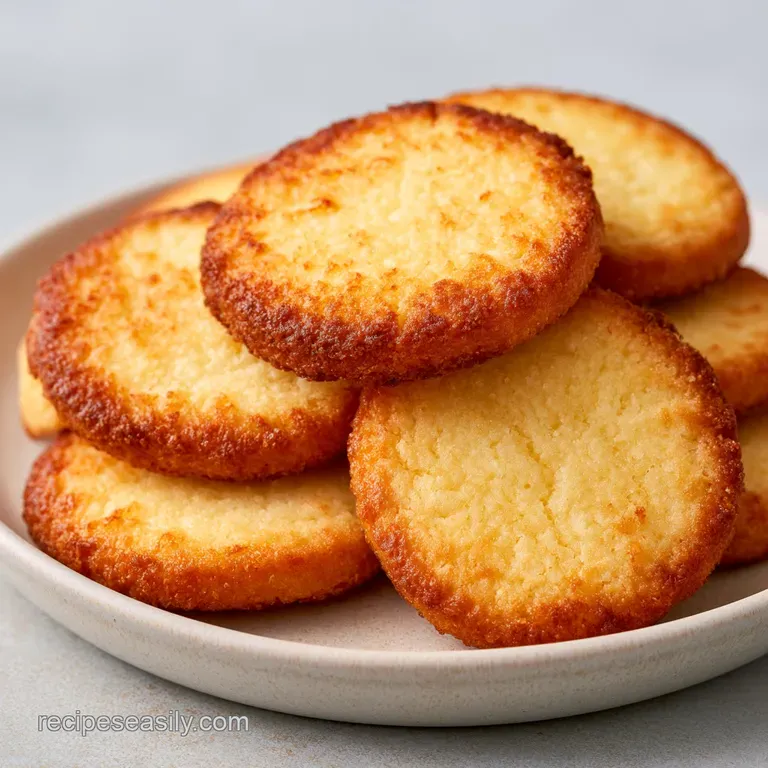
The most common frustration with any butter cookies recipe is the "melt" factor. If your cookies look like pancakes, it's usually a temperature issue.
Troubleshooting Common Issues
| Issue | Solution |
|---|---|
| Why Did My Cookies Spread | This usually happens if the butter was too soft during mixing or the dough didn't stay cold. When the butter melts before the flour sets, the cookie collapses. |
| Why Are My Cookies Tough | Toughness comes from over working the flour. Once the flour goes in, you only want to mix until it's combined. Over mixing develops too much gluten, turning a snap into a chew. |
| Why Are They Burnt Bottoms | Your baking sheet might be too thin, or your oven rack is too low. Try moving the rack to the center position. |
Common Mistakes Checklist:
- ✓ Using melted butter instead of softened butter.
- ✓ Skipping the freezer chill.
- ✓ Over mixing the flour into the dough.
- ✓ Leaving cookies in the oven until the tops are brown.
- ✓ Using eggs straight from the fridge.
Flavor Tweaks and Swaps
You can easily turn this basic butter cookies recipe into something more specialized. For a nutty vibe, replace a quarter of the flour with almond flour. It gives a more velvety crumb. If you're feeling festive, add a pinch of cinnamon or nutmeg.
For those who want something even more indulgent, you could pair these with some Brown Butter Caramel Sauce for dipping. It turns a simple biscuit into a dessert.
If you're looking for a different kind of treat entirely, my Cookie Dough Cheesecake Bars are a great way to use similar flavor profiles in a creamy format.
Decision Shortcut:
- If you want extra snap, bake 2 mins longer.
- If you want them softer, underbake by 1 minute.
- If you want a fancy look, use a star piping tip.
Adjusting the Batch Size
Scaling this recipe is straightforward, but baking requires some math.
Scaling Down (½ Batch): Use 112g butter and 50g sugar. For the egg, beat one large egg in a bowl and use exactly half (about 25g). Reduce bake time by about 2 minutes since there's less mass in the oven.
Scaling Up (2x Batch): Double everything except the salt - only increase salt to 1.5x to avoid a metallic taste. Work in batches; do not overcrowd your mixer. When baking double batches, lower the oven temp to 325°F (160°C) and extend the time by 2-3 minutes to ensure even heat distribution.
Truths About Butter Cookies
There are a few myths I see floating around that just aren't true.
First, some say you can skip sifting the flour. While you can, sifting removes lumps and ensures the salt is evenly distributed. In a recipe this simple, a clump of salt is a disaster.
Second, people claim that using salted butter doesn't change the outcome. It does. Salted butter varies by brand, which can make your cookies taste inconsistently salty. Using unsalted butter lets you control the flavor precisely.
Keeping Your Cookies Fresh
To keep that snap, storage is key. Store these in an airtight container at room temperature for up to 5 days. If you leave them out, they'll absorb moisture from the air and go soft.
Freezer Storage: You can freeze the baked cookies for up to 3 months. Just put them in a freezer safe bag. To eat, let them thaw for 10 minutes or pop them in a 300°F (150°C) oven for 2 minutes to regain the crispness.
Zero Waste Tips: Don't throw away the leftover butter wrappers - scrape them clean with a rubber spatula. If you have a tiny bit of dough left that's too small to shape, just roll it into a "tester" ball and bake it first to check if your oven is at the right temperature.
Best Ways to Serve
These are great on their own, but they really shine when paired with something acidic or bitter. A strong espresso or a tart raspberry jam balances the richness of the butter.
For a party platter, try dusting them with a light coating of powdered sugar. You can also dip half of each cookie in melted dark chocolate and sprinkle with sea salt for a more "boutique" look.
Whether you're using this butter cookies recipe for a holiday gift or just a Tuesday treat, the key is to serve them slightly cool so the structure is fully set.
Recipe FAQs
What are the ingredients for butter cookies?
Butter, granulated white sugar, egg, vanilla extract, all-purpose flour, and fine sea salt. These basic staples are also used in our homemade dinner rolls.
What are the common butter cookie mistakes?
Over mixing the flour and skipping the freezer chill. Over mixing creates a tough texture, while skipping the chill causes the cookies to lose their shape and spread.
What's the difference between a butter cookie and a shortbread cookie?
Butter cookies contain eggs for a lighter lift, whereas shortbread typically excludes them for a denser, crumbly texture. While both rely on high butter content, the egg provides a more cake like structure.
What are the original butter cookies?
Danish butter cookies are the most recognized original version. They are famous for their rich flavor and traditionally piped decorative shapes.
Why did my cookies spread too much?
The butter was likely too soft during mixing or the dough wasn't chilled. If the butter melts before the flour structure sets in the oven, the cookie collapses.
How to prevent the cookies from becoming tough?
Fold the flour in using a spatula only until no streaks remain. Over working the dough develops too much gluten, which turns a delicate snap into a chew.
Is it true that chilling the dough is optional?
No, this is a common misconception. Freezing the shaped cookies for 15 20 minutes is essential to prevent spreading and keep the piped details intact.
Classic Butter Cookies Recipe