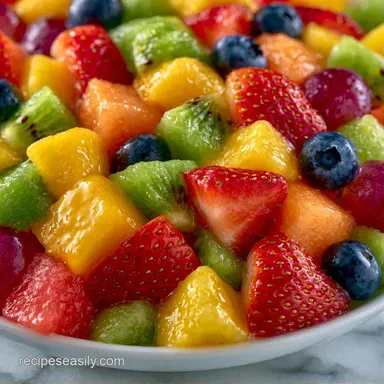
Toddler Fruit Salad Recipe in 15 Minutes
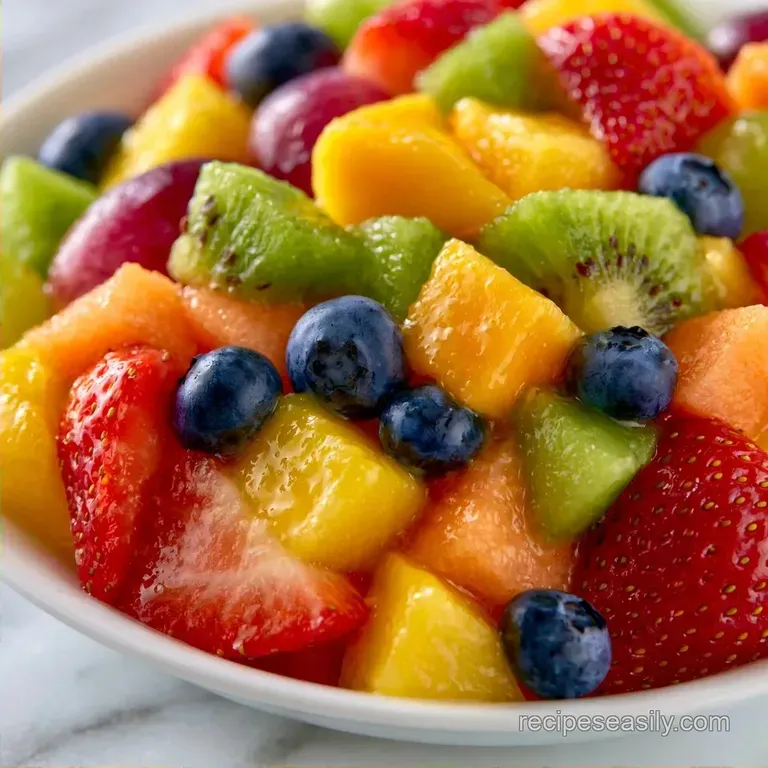
- Time: 15 min active
- Flavor/Texture Hook: Bright, juicy, and glistening
- Perfect for: Healthy toddler fruit snack recipes
The smell of fresh mango and the pop of blueberries usually means it's snack time, which is often a gamble with a two year-old. I've spent a lot of afternoons staring at a bowl of beige, soggy fruit that my kid pushed away with a grimace.
It's frustrating when you spend time chopping only for the food to end up on the floor.
The trick is all about the visuals and the cut. Toddlers eat with their eyes first, so a rainbow of colors helps. But you also have to deal with the "mixed food" phase where if a blueberry touches a strawberry, it's a crisis.
This Toddler Fruit Salad Recipe solves that by using a light glaze that makes everything look shiny and appealing without being sticky. It’s a simple way to get multiple vitamins into one bowl while keeping the textures safe for little mouths.
Healthy Toddler Fruit Salad Recipe
Let's dive into the specifics. Many children's fruit salads are simply chopped pieces, which often results in dull colors and a lack of interest. By incorporating a hint of natural sweetness and acidity, the fruit remains vibrant for longer.
In just 15 minutes, you can assemble a bowl that your kids will actually eat. Believe me, the preparation is the only real effort; once the fruit is combined, the glaze does the heavy lifting to provide a professional finish.
It is a fantastic method for introducing new tastes without overwhelming them. If they are cautious, try arranging the fruit in separate piles on a plate and letting them "dip" the pieces into the glaze.
Why the Colors Stay Bright
The goal here is to stop the fruit from looking dull or turning gray. I've found that a few simple tweaks make a huge difference.
- Citrus Acid: Lemon juice lowers the pH on the fruit's surface, which stops the oxygen from turning things brown.
- Natural Glaze: The maple syrup creates a thin, glossy coat that locks in moisture so the fruit doesn't shrivel.
If you're planning a bigger dessert spread, you might follow this light snack with something richer, like a banana cream pie, but for daily snacks, keep it simple.
| Feature | Fast Method (This Recipe) | Classic Fruit Salad |
|---|---|---|
| Prep Time | 15 minutes | 30+ minutes |
| Glaze | Maple & Lemon | Honey & Mint |
| Cut Style | Safety First Quartered | Large Chunks |
| Shelf Life | 2 Days | 1 Day |
Gathering Your Fresh Ingredients
Stick to these measurements to keep the flavor balanced. You don't want the lemon to overpower the berries, just a hint to keep them fresh.
| Ingredient | What It Does | Best Swap |
|---|---|---|
| Fresh Strawberries | Adds tart sweetness | Raspberries |
| Fresh Blueberries | Provides a pop of color | Blackberries |
| Cantaloupe | Adds a mellow, honeyed taste | Honeydew melon |
| Kiwi | Adds a zingy, tropical note | Green apple |
| Mango | Gives a rich, buttery texture | Peach |
| Seedless Grapes | Adds crunch and juiciness | Blueberries |
| Lemon Juice | Prevents browning | Lime juice |
| Maple Syrup | Naturally sweetens | Agave nectar |
| Vanilla Extract | Adds a warm, cozy scent | Almond extract |
The Shopping List:
- 1 cup (150g) fresh strawberries, hulled and quarteredWhy this? Classic kid favorite with high vitamin C
- 1 cup (150g) fresh blueberries, halvedWhy this? Smaller pieces are safer for chewing
- 1 cup (160g) cantaloupe, diced into small cubesWhy this? Soft texture that's easy to swallow
- 2 kiwis, peeled and dicedWhy this? Adds a bright green color for the "rainbow" look
- 1 cup (160g) mango, dicedWhy this? Naturally sweet and very soft
- 1 cup (150g) seedless grapes, quartered lengthwiseWhy this? Essential for safety to avoid choking
- 1 tbsp (15ml) fresh lemon juiceWhy this? Natural preservative for the colors
- 1 tbsp (20g) maple syrupWhy this? Better than refined sugar for toddlers
- 1/2 tsp (2.5ml) vanilla extractWhy this? Makes the salad smell like a treat
Kitchen Tools You Need
Creating a Homemade Toddler Fruit Salad requires only a few simple kitchen essentials.
- Chef's Knife: A sharp blade is actually safer, as it's less likely to slip against the skin of the fruit.
- Large Mixing Bowl: Glass or stainless steel works best; plastic can occasionally retain scents from previous recipes.
- Small Whisk: Necessary for blending the glaze until it is completely smooth.
- Silicone Spatula: Essential for folding in the fruit without damaging the fragile berries.
- Cutting Board: Ideally one with a juice groove around the edge to keep your counter clean.
Step-by-step Preparation Guide
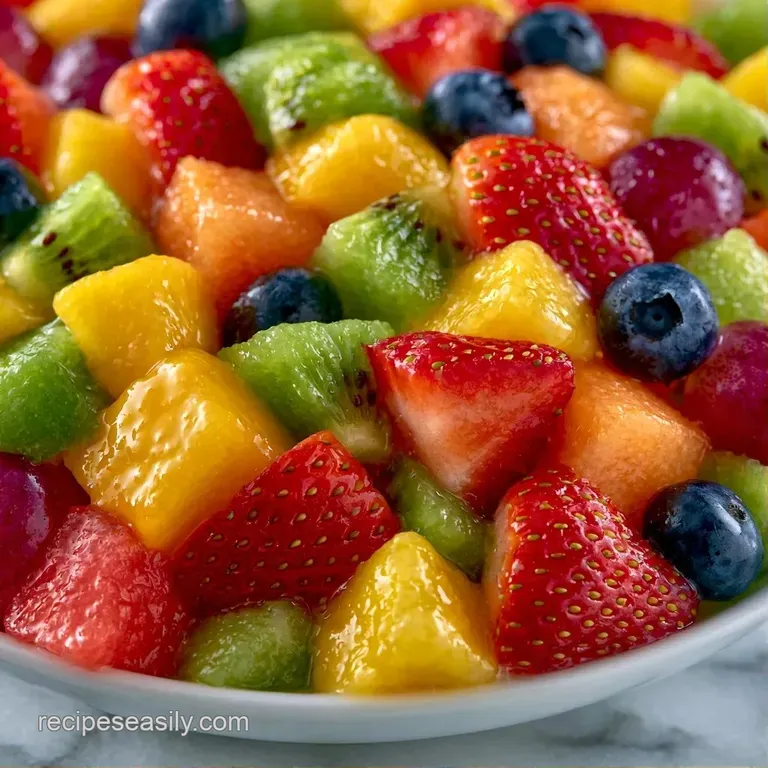
Let's crack on with the assembly. Keep an eye on the size of the pieces, as uniform cuts make it easier for toddlers to eat.
- Wash all produce thoroughly under cold water.
- Cut the strawberries into quarters using your chef's knife.
- Quarter the grapes lengthwise. Note: Never cut grapes into round coins; long strips are the safest way.
- Dice the mango into 1/4 inch cubes.
- Dice the cantaloupe into 1/4 inch cubes.
- Peel the kiwis and dice them into 1/4 inch cubes.
- Slice the blueberries in half.
- Place all the prepared fruit into your large mixing bowl.
- In a separate small bowl, whisk the lemon juice, maple syrup, and vanilla extract until the mixture is smooth and velvety.
- Drizzle the glaze over the fruit and use your silicone spatula to gently fold everything together until the fruit has a glistening sheen.
Precision Checkpoints:
- Cut Size: All diced fruit should be exactly 1/4 inch cubes.
- Timing: Total active prep should take 15 minutes.
- Acidity: Use exactly 1 tbsp of lemon juice to avoid making the salad too tart.
Handling Common Fruit Issues
Even a basic fruit medley for toddlers can have its challenges. A frequent issue is the fruit releasing too much juice, which leaves the bottom of the bowl soggy.
Avoiding Discoloration
Apples and bananas (if used as variations) tend to brown quickly. While the lemon juice in this recipe helps, you should toss apple chunks in lemon juice first if you are preparing the ingredients in batches.
Avoiding Mushy Textures
Some fruits, particularly overripe mangoes, can feel slimy once combined. To prevent this, choose fruit that is ripe but still slightly firm, and avoid any pieces that feel mushy.
Dealing with Picky Eaters
Many children dislike "mixed" dishes. If your toddler rejects the salad, try the "Deconstructed" approach: put the glaze in a small dipping bowl and let them dip the fruit pieces individually.
| Problem | Fix |
|---|---|
| Fruit is too watery | Drain the melon and mango before adding glaze |
| Too tart for the child | Add one extra teaspoon of maple syrup |
| Berries are crushed | Fold gently with a spatula instead of stirring |
| Grapes are too hard | Steam them for 2 minutes before quartering |
Swapping Fruits and Flavors
Depending on what's in season, you can change the base of this salad. Just keep the safety cuts in mind. For a full brunch, this pairs well with homemade dinner rolls and some eggs.
For the Rainbow Base:
- Winter Twist: Use pomegranate seeds (halved), mandarin orange segments, and diced pears.
- Tropical Twist: Swap cantaloupe for pineapple and add a pinch of cinnamon to the glaze.
- Protein Boost: Serve the salad over a dollop of plain Greek yogurt or cottage cheese.
For the Simple Glaze: - dairy-free Creaminess: Stir in a teaspoon of coconut cream for a richer feel. - Zesty Version: Use lime juice instead of lemon for a more tropical flavor.
Decision Shortcut:
- For a firmer set: Chill the fruit for 30 minutes before adding the glaze.
- For a sweeter taste: Use honey instead of maple syrup (only for children over 1 year).
- For infant safe (under 12 months): Steam hard fruits like grapes and apples first.
Storage and Waste Tips
Fresh fruit is perishable, especially once sliced and glazed. Place the salad in a glass container with a tight seal and keep it chilled for no more than 2 days. Beyond that, the berries begin to decompose and the texture becomes too soft for most toddlers.
If leftovers become too mushy to enjoy as a salad, there's no need to throw them away. You can blend them into a smoothie or freeze them in ice cube trays to create "fruit pops" for a teething baby.
For a zero-waste approach, use the cantaloupe rinds to make infused water. Just add the clean rinds to a pitcher of water with a slice of lemon and leave it in the refrigerator overnight.
Best Ways to Serve
Visual appeal is key when you're encouraging a toddler to eat their vitamins. I find that using vibrant silicone bowls or small bento boxes helps make the meal feel more like a special treat.
The Lunchbox Companion is a fantastic way to serve this. Place the fruit in a spill-proof container and add a few cubes of mild cheese on the side. The contrast between the salty cheese and sweet fruit is usually a big hit.
The Power Breakfast Pair is another great choice. Serve a portion of the fruit salad alongside some pancakes or oatmeal. The brightness of the lemon glaze balances the richness of the grains and refreshes their palate for the day.
Recipe FAQs
How do you make a simple fruit salad for kids?
Wash, chop, and toss. Wash all produce, cut fruits into toddler-safe sizes like 1/4-inch cubes, and fold in a glaze of lemon juice, maple syrup, and vanilla extract.
Is it true that grapes are safe to serve whole to toddlers?
Surprisingly, no. Whole grapes are a major choking hazard and must always be quartered lengthwise into long strips.
Which fruits are best for a toddler's fruit salad?
Soft, seedless options. Strawberries, blueberries, cantaloupe, kiwi, mango, and seedless grapes are ideal because they are easy to chew and nutrient-dense.
Can I use other sweeteners instead of maple syrup?
Yes, honey works well for children over one year old. If you enjoy mixing sweet and savory profiles, you might like the balance in our butter beans recipe.
Why should blueberries be sliced in half?
To reduce choking risks. Small, round berries can easily block a toddler's airway, so slicing them lengthwise makes them safer to swallow.
When does the fruit salad expire?
About 48 hours. Keep it in a glass jar in the refrigerator; after this window, the berries typically become too mushy for most children.
What is the best way to prep the kiwi?
Peel and dice into 1/4-inch cubes. This size ensures the fruit is uniform with the mango and cantaloupe, making it easier for small children to manage.
Toddler Fruit Salad Recipe for 6 Servings