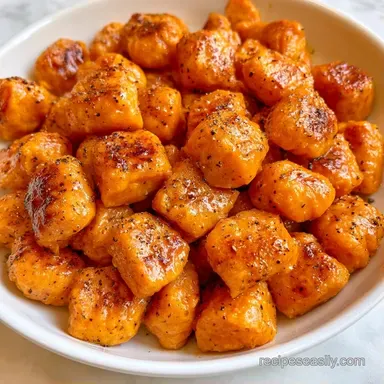
Roasted Sweet Potato Gnocchi
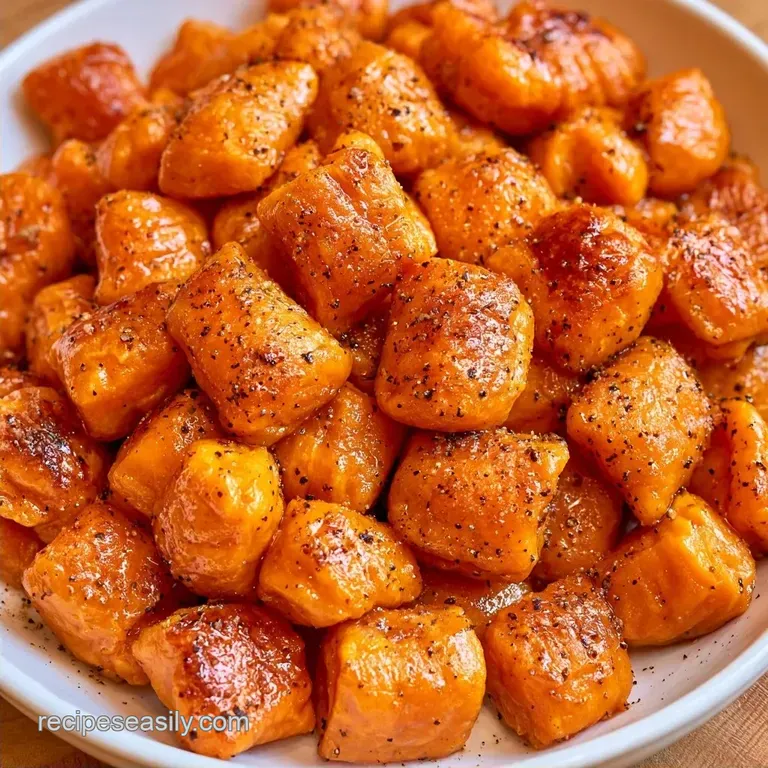
- Time: 30 min active + 20 min cooking
- Flavor/Texture Hook: Nutty brown butter with pillowy, charred edges
- Perfect for: A cozy autumn dinner or a fancy feeling date night
Ever wonder why some homemade gnocchi feel like eating rubber erasers? I used to make that mistake all the time, mostly by boiling my potatoes in water, which just turns them into a wet sponge. Then I tried roasting them first, and everything changed.
The smell of those caramelized edges hitting the pan is just something else.
This Sweet Potato Gnocchi isn't about being a pro chef. It's about managing moisture. When you get the water content right, you get these little clouds that sear up in butter and sage.
You'll get a mahogany colored pasta that balances the natural sweetness of the potato with a salty, nutty finish. It's far more satisfying than anything you'll find in a vacuum sealed pack at the store.
Sweet Potato Gnocchi Specs
Making these involves a few different stages, but it's mostly waiting for the oven. The most important part is the cooling phase. If you add flour to steaming hot potatoes, the dough turns into a sticky mess that requires way too much flour to handle.
| Goal | What to change |
|---|---|
| Lighter texture | Roast potatoes 5 mins longer |
| Firmer bite | Add 2 tbsp more flour |
| Vegan version | Use olive oil instead of butter |
Serious Eats' testing suggests that roasting vegetables concentrates flavors and removes excess moisture, which is exactly why we do it here.
The Essential Ingredient List
Stick to the measurements here. Adding "just a bit more" flour is the fastest way to turn your Sweet Potato Gnocchi into lead weights.
- 2 lbs sweet potatoes, peeled and cubed Why this? High starch content for structure
- 1.5 cups all purpose flour Why this? Binds the puree into a dough
- 1 tsp fine sea salt Why this? Balances the potato sweetness
- 1/4 tsp ground nutmeg Why this? Adds a warm, earthy undertone
- 1/2 tsp black pepper Why this? Subtle heat for contrast
- 6 tbsp unsalted butter Why this? Creates the nutty brown sauce
- 15 fresh sage leaves Why this? Classic aromatic pairing
- 1/2 cup freshly grated Parmesan cheese Why this? Adds salt and umami
- 1/4 cup reserved pasta water Why this? Emulsifies the sauce
- 1 tbsp fresh lemon juice Why this? Cuts through the heavy butter
| Original Ingredient | Substitute | Why It Works |
|---|---|---|
| All purpose flour | Almond flour (1:1) | Nutty flavor. Note: Result is denser and gluten free Sweet Potato Gnocchi may be softer |
| Parmesan | Nutritional yeast | Salty, cheesy flavor. Note: Best for vegan versions |
| Butter | Olive oil | High smoke point. Note: Lacks the nutty brown flavor of butter |
Needed Kitchen Tools
No specialized pasta maker is required; a few standard kitchen staples will work perfectly.
- Sheet pan: For roasting the potato cubes.
- Potato ricer or masher: Key to ensuring a smooth, lump free consistency.
- Large mixing bowl: To gently fold the dough without overworking it.
- Large pot: For boiling the pasta.
- Cast iron or stainless steel skillet: Ideal for searing the gnocchi and browning the butter.
- Slotted spoon: To transfer the gnocchi from the water to the pan.
Making Your Gnocchi
The process follows a simple path: roast, mash, combine, and sear. Follow these steps closely and avoid overworking the dough.
Roasting for Deep Flavor
Preheat oven to 400°F (200°C). Toss diced sweet potatoes with a bit of oil and roast for 25-30 minutes until caramelized and tender. While still hot, use a ricer or mash them until perfectly smooth. Spread the puree across a plate to let the remaining steam escape.
Preparing the Light Dough
In a large mixing bowl, stir together the cooled potato puree, salt, nutmeg, and pepper. Gradually fold in the flour using a spatula. Stop mixing as soon as a soft, slightly sticky dough forms. Over mixing creates too much gluten, which makes the pasta rubbery.
Shaping the Gnocchi
Divide the dough into four equal parts. On a floured surface, roll each piece into a rope about 1/2 inch thick. Cut the ropes into 1 inch nuggets and press each lightly with a fork to create ridges. These grooves help the sauce cling to the pasta.
Boiling to Perfection
Drop the gnocchi into a pot of salted, boiling water. Remove them with a slotted spoon 30 seconds after they float to the surface. Avoid letting them bob around too long or they will become mushy.
Searing in Brown Butter
Melt butter in a skillet over medium heat until it foams and reaches a nutty mahogany color. Add sage leaves and fry until crisp. Add the boiled gnocchi to the pan and sear until golden brown on both sides.
Completing the Sauce
Stir in lemon juice and Parmesan. Incorporate a splash of the reserved pasta water and stir quickly to emulsify everything into a glossy sauce.
Chef Note: If you're using a non-stick pan, the browning won't be as deep. Use stainless steel or cast iron for those dark, crispy edges.
Roasting Beats Boiling
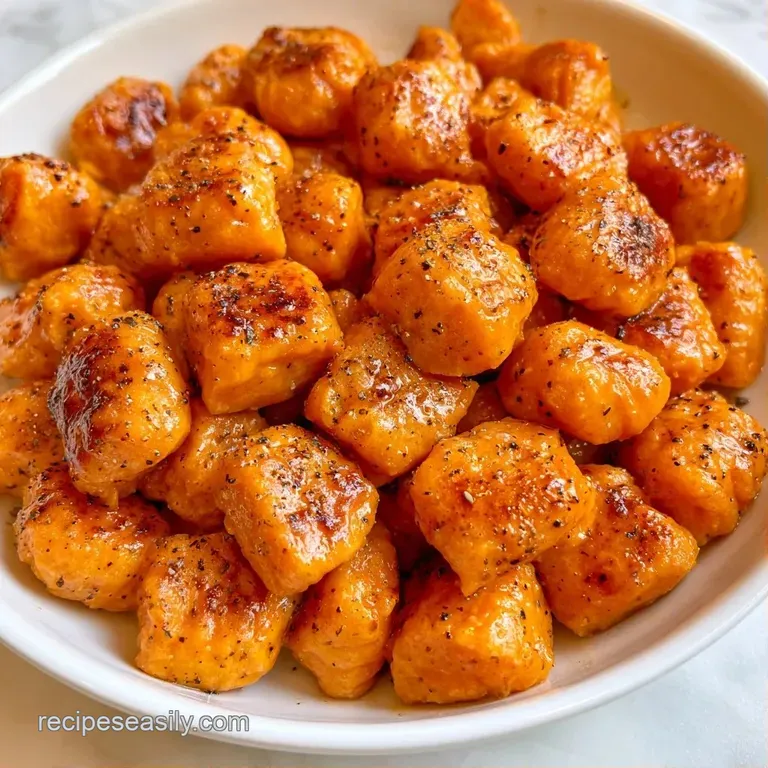
Roasting removes the water that usually seeps into the dough, which keeps the Sweet Potato Gnocchi from becoming a sticky paste. This means you need less flour, and less flour equals a lighter, more pillowy texture.
Keeping the dough "tacky" rather than "stiff" prevents the gnocchi from feeling like dense pellets. It's all about the balance of starch and moisture.
Fixing Dough Issues
The most common problem is a dough that feels too wet. It's tempting to keep adding flour, but that's a trap. Too much flour ruins the lightness of the dish.
If the dough sticks to your hands, just flour your palms instead of the dough. If the gnocchi fall apart in the water, they were likely under cooked or the potatoes were too wet.
| Problem | Root Cause | Solution |
|---|---|---|
| Gnocchi are gummy | Too much flour/Over mixing | Fold flour in gently; stop once tacky |
| Dough is too sticky | Potatoes weren't dried enough | Spread puree on a plate to steam off |
| Gnocchi dissolve | Not enough binder or over boiled | Use a ricer for consistency; remove immediately upon floating |
Storage and Freshness
Store these in the refrigerator for a maximum of 3 days. Dust them lightly with flour to prevent sticking in your storage container. To serve, avoid re-boiling previously cooked pieces; simply sear them in butter in a pan instead.
To preserve them longer, flash freeze them on a baking tray. Transfer the frozen pieces into a sealed bag, where they'll stay fresh for 3 months. Frozen gnocchi can go straight into boiling water just extend the cooking time by one minute.
Minimize waste by keeping the potato skins. Provided the potatoes were well scrubbed, toss the skins with salt and oil, then roast for 10 minutes for a crisp treat.
Swaps and Tweaks
To adjust the flavor profile, consider stirring in a pinch of smoked paprika or cinnamon. If you prefer an even heartier base, try using butternut squash as a substitute for the sweet potato.
If you're planning another pasta night but want a different vibe, my Baked Spaghetti recipe is a wonderful option for feeding a large group.
For a vegan adaptation, substitute the butter with olive oil or a plant based alternative, and use nutritional yeast instead of Parmesan. It is still flavorful, even without the characteristic fermented tang of the cheese.
Serving Suggestions
Since these are so rich and buttery, they need a bright, acidic counterpart for balance. A fresh peppery arugula salad tossed in lemon dressing is the perfect choice.
For a truly indulgent comfort feast, pair these with roasted Brussels sprouts or a thick piece of toasted sourdough. If you're looking for another cozy dish to try another night, you might like my Traditional Shepherd's Pie.
Another great option is to serve this Sweet Potato Gnocchi over a bed of sautéed spinach. The greens wilt from the heat of the pasta and absorb the brown butter sauce beautifully.
Quick Timeline for Success
- Prep (30 mins): Peel, cube, and roast the potatoes, then mash and let cool.
- Shape (15 mins): Combine the dough, roll into ropes, and cut into bite sized pieces.
- Finish (15 mins): Boil and pan-sear in brown butter.
Debunking Pasta Myths
Some believe you should knead gnocchi dough the same way you do bread. This is a mistake. Kneading creates gluten, which results in tough pasta. Instead, focus on folding.
Another common misconception is that searing "seals" the gnocchi. It doesn't. Searing simply improves the flavor and texture through caramelization. The actual structure is determined by the ratio of flour to starch.
Once finished, you'll have a plate of Sweet Potato Gnocchi that feels sophisticated despite using a few basic ingredients. Just remember: roast your potatoes, avoid over mixing, and ensure the butter is deeply browned before adding the pasta. The roasting step is absolutely worth it for the final taste.
Recipe FAQs
Are sweet potato gnocchi healthy?
Yes, they are more nutrient dense than traditional versions. You get a boost of beta carotene and vitamins, though the flour and butter make them a satisfying, rich comfort food.
What sauce pairs best with this dish?
Brown butter and sage is the gold standard. The nutty aroma balances the natural sweetness of the potato. For a brighter flavor, a lemon butter sauce works beautifully.
Is it true that sweet potatoes make the dough too sticky?
Actually, no. Roasting the cubes at 400°F evaporates the water, which allows you to use less flour and maintain a light texture.
How do I use the potato peels?
Toss them with oil and salt. Roast them in the oven until crisp to create a salty, zero waste snack.
Sweet Potato Gnocchi